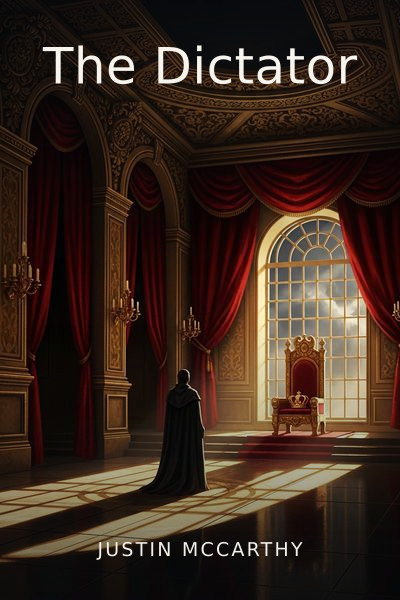

A gripping exploration of power, exile, and the complexities of leadership in 'The Dictator' by Justin McCarthy
Read full overviewShow less›
In 'The Dictator', Justin McCarthy delves into the life of John Ericson, the exiled Dictator of Gloria, as he navigates the challenges of being a leader without a country. Set against the backdrop of London, the narrative unfolds Ericson's struggles with identity, loyalty, and the bittersweet nature of power. Readers will gain insights into the personal and political intricacies that define leadership, particularly in times of upheaval. The story is rich with characters who embody various aspects of society, from the aristocracy to the working class, each reflecting different perspectives on authority and belonging. Through vivid descriptions and compelling interactions, McCarthy invites readers to contemplate what it truly means to govern and the sacrifices that come with it.
In 'The Dictator', Justin McCarthy masterfully intertwines themes of power, identity, and human emotion within the context of political turmoil. Through the character of John Ericson, readers are invited to reflect on the complexities of leadership, particularly in times of exile and uncertainty. The interactions among the rich tapestry of characters, from the loyal Hamilton to the assertive Helena, further illuminate the nuanced dynamics of power and influence. Ultimately, the narrative serves as a poignant reminder of the sacrifices inherent in leadership and the enduring quest for identity and redemption amidst the chaos of life. McCarthy's exploration of these themes resonates deeply, inviting readers to consider the broader implications of governance and the human experience.
- 1The Burden of Exile
- 2The Role of Friendship and Loyalty
- 3The Social Landscape of London
- 4The Influence of Women
- 5The Quest for Identity
Notable quotes
“It seems a pity to wake him.”
“The way of the exiled autocrat is made smooth for him here, at least.”
“But the victor of San Felipe is the victim of the Plaza Nacional.”
A glimpse inside

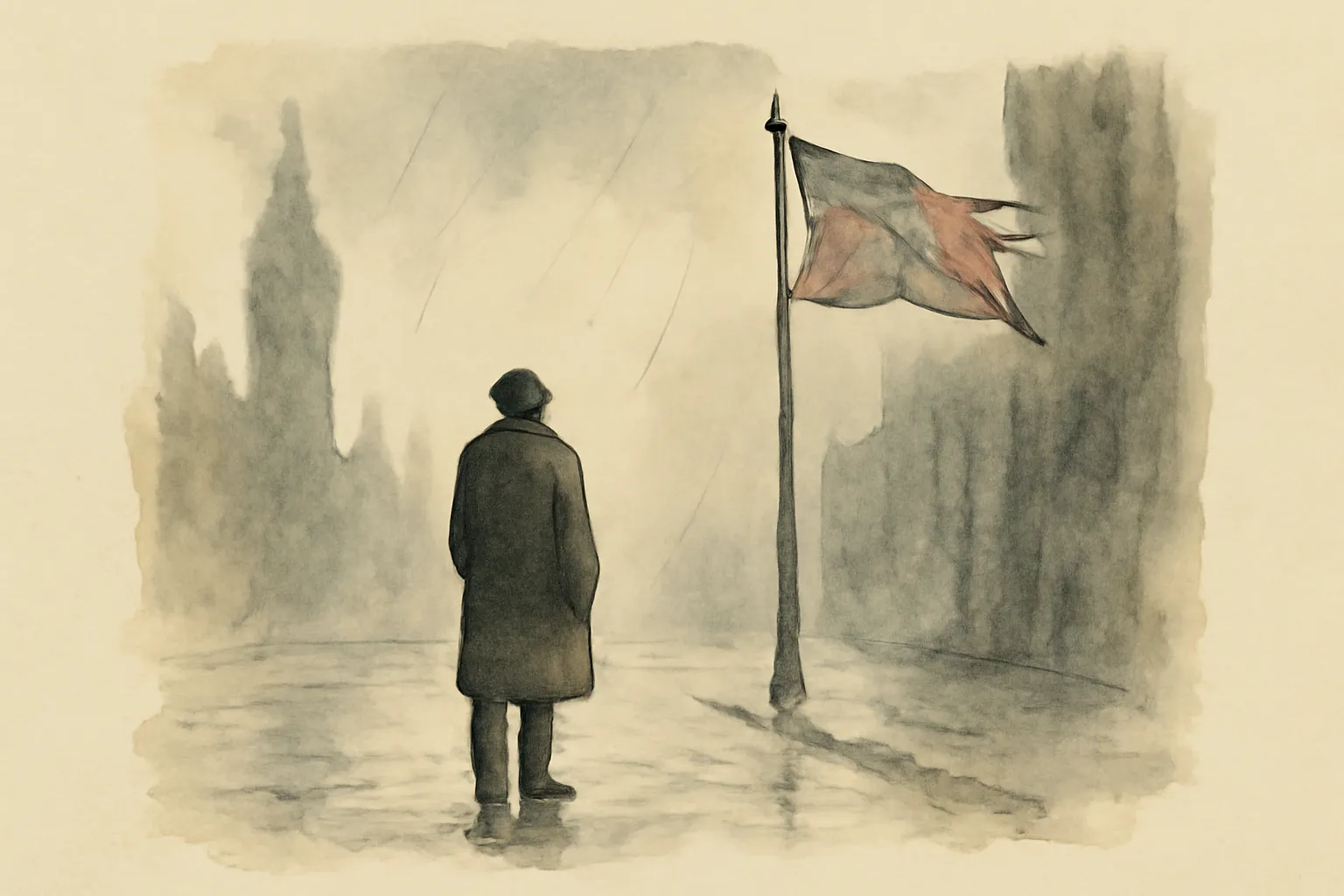
John Ericson, the Dictator of Gloria, embodies the struggles of leadership when stripped of power and homeland. Living in exile in London, he grapples with the weight of… Read moreJohn Ericson, the Dictator of Gloria, embodies the struggles of leadership when stripped of power and homeland. Living in exile in London, he grapples with the weight of his past glories and the stark reality of his current insignificance. Despite being celebrated as a hero and a leader, Ericson feels like 'one inconsiderable item added to the exile world of London.' This duality highlights the emotional turmoil faced by leaders who have lost their status, forcing them to confront their identities in a new light. The burden of exile is not merely physical; it is deeply psychological, as Ericson clings to the hope of returning to his country while navigating the complexities of life as a refugee. McCarthy expertly illustrates the sense of dislocation experienced by Ericson, as he navigates the streets of London—distant from his homeland yet haunted by it. The contrast between the bustling life around him and his internal feelings of displacement serves to emphasize the loneliness that often accompanies those who are uprooted from their homes. Show less
The relationship between Ericson and Hamilton, his devoted private secretary, illustrates the theme of loyalty amid political upheaval. Read moreThe relationship between Ericson and Hamilton, his devoted private secretary, illustrates the theme of loyalty amid political upheaval. Hamilton's unwavering support for Ericson reflects a profound commitment that goes beyond duty, showcasing how personal relationships can provide strength in times of adversity. Their interactions are infused with warmth and camaraderie, as Hamilton actively encourages Ericson to engage with London society, despite the Dictator's initial reluctance. This dynamic emphasizes the importance of friendship as a source of resilience, allowing leaders to maintain their sense of purpose even when faced with overwhelming challenges. Hamilton's enthusiasm and idealism serve as a counterbalance to Ericson's cynicism, highlighting the various ways individuals cope with loss and uncertainty. The fierce loyalty that Hamilton displays is mirrored in the way he manages their affairs, ensuring that Ericson's legacy and claim to Gloria remain at the forefront. This bond between them reveals the emotional depths of their characters, showcasing how loyalty can act as a lifeline in the choppy waters of exile. Show less
Read the full text — free
About the author
Read Justin McCarthy's work free on Lumina — the complete text plus an 8-minute summary and key ideas, no account needed