1.The Haunting Presence of Evil in Places
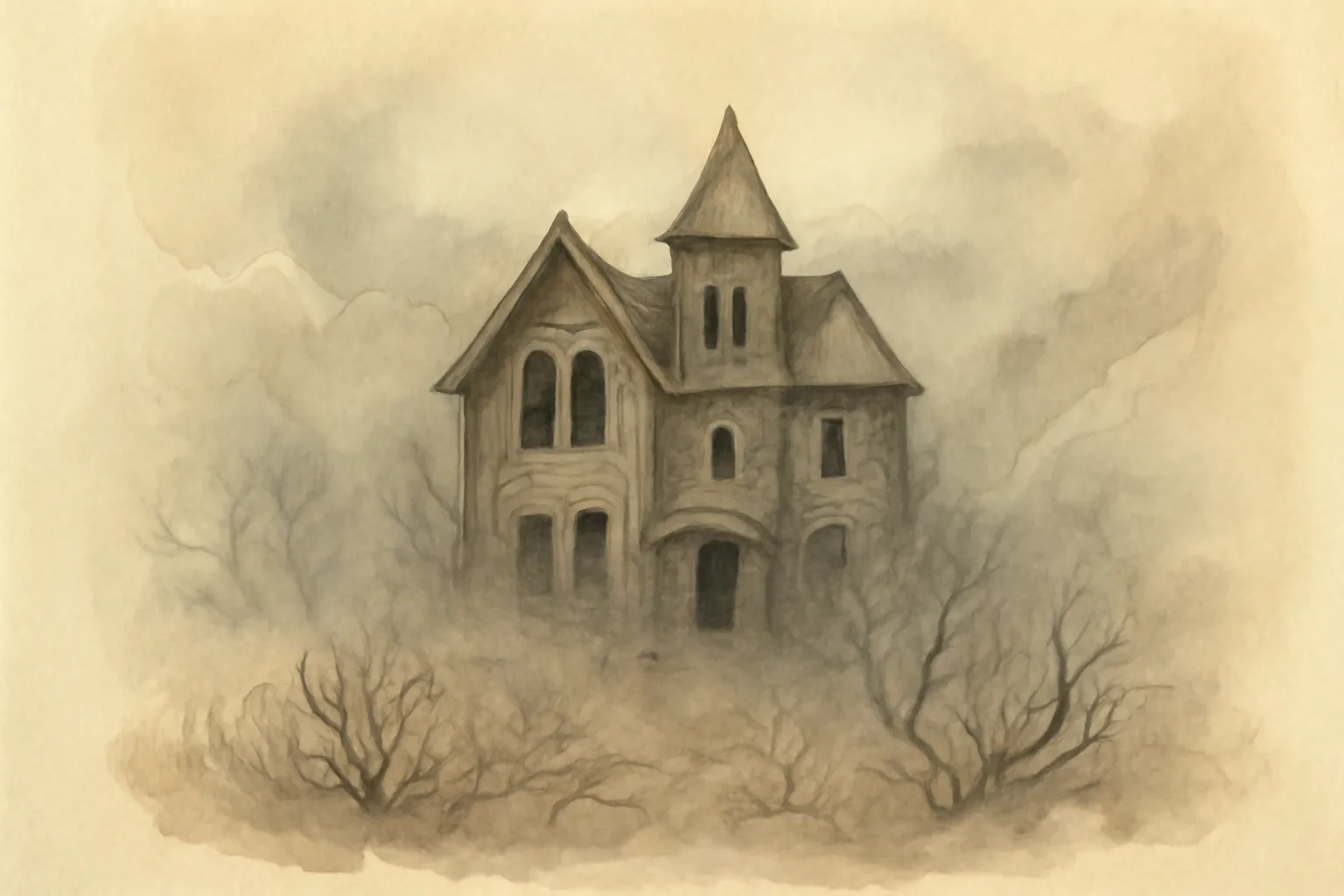
Algernon Blackwood introduces the notion that certain houses possess an inherent malevolence, an atmosphere that can be felt by those who enter. This idea is articulated when he states, "Certain houses, like certain persons, manage somehow to proclaim at once their character for evil." The implications of this concept suggest that the memories of past evildoers and their actions can permeate a space, creating a lingering sense of dread long after their departure. These haunting qualities are not just figments of the imagination; individuals who have spent time in these houses often report feelings of terror, as if the very walls have absorbed the horror of past events. Specifically, certain rooms provoke discomfort so intense that individuals claim they would rather die than return. This atmosphere of fear is reinforced through sensory experiences—chilling air, unsettling sounds, and oppressive silence—that evoke visceral reactions in characters and readers alike. Thus, Blackwood masterfully illustrates how the essence of a place can shape human emotions, making the exploration of these haunted spaces both a psychological and a supernatural journey.
2.Fear as a Catalyst for Personal Growth
Blackwood posits that fear, while often paralyzing, can also serve as a transformative force in the journey of self-discovery. The character Jim Shorthouse embodies this theme as he faces an unusual challenge presented by his employer, Mr. Sidebotham. The tension arises when Sidebotham questions Shorthouse's courage, hinting at the psychological complexities tied to acts of bravery. Shorthouse's initial apprehension is palpable, as he reflects, "I don’t think I’m afraid of anything in particular, sir—except women," revealing his vulnerability. As the narrative unfolds, it becomes evident that his journey is not merely about confronting external dangers but also about navigating the intricacies of his own fears. The phrase, "There may be other things that—that hurt more," suggests that emotional struggles can be more daunting than physical threats. Through this lens, Blackwood illustrates that fear can catalyze growth, pushing individuals to confront their insecurities and ultimately emerge stronger. This idea resonates deeply within the narratives, offering readers a nuanced perspective on the interplay between fear and personal development.
3.The Interplay of the Familiar and the Uncanny
Blackwood masterfully crafts an atmosphere where the ordinary transitions into the uncanny, provoking a lingering sense of unease. The juxtaposition of familiar settings with unsettling experiences compels readers to question the nature of fear itself. Within the text, Blackwood asserts, "Wherein lay this marked, invisible difference is impossible to say," signifying the elusive nature of the threat that permeates these spaces. The notion that ordinary houses can harbor extraordinary horrors challenges perceptions of safety, forcing characters to confront the uncanny qualities of their surroundings. As they grapple with the strange and unexplainable, the characters often experience a profound shift in their understanding of reality. This theme compels the reader to consider how the familiar can suddenly become alien, as the story unfolds in a manner that blurs the lines between safety and danger. Blackwood's ability to intertwine the mundane with the eerie invites an exploration of the human psyche, illuminating how fear often lurks beneath the surface of everyday life.
4.The Role of Setting as a Character
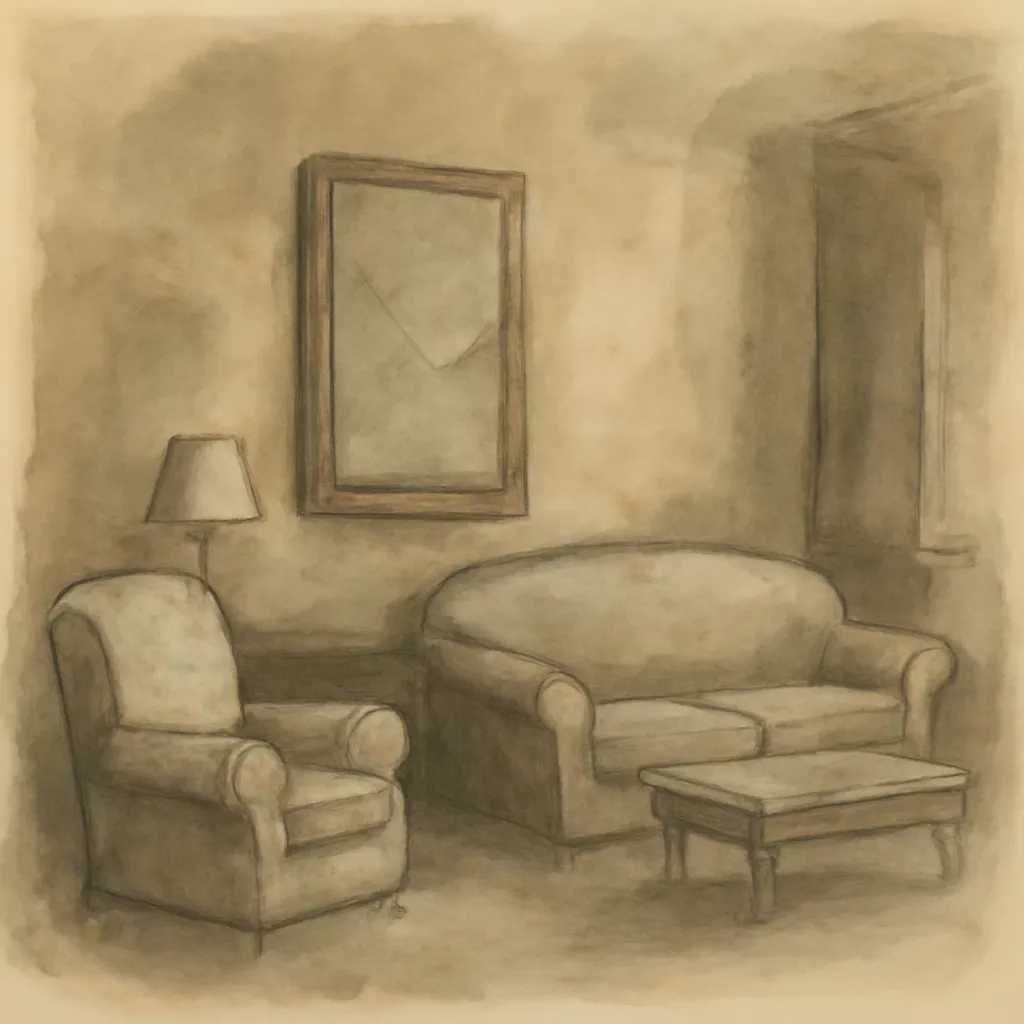
In Blackwood's haunting narratives, the setting emerges as a dynamic character that plays a crucial role in shaping the story. Each environment is imbued with its own personality, influencing the characters' actions, emotions, and decisions. When Shorthouse enters Garvey's house, he immediately perceives the stark, oppressive atmosphere that seems to echo his internal anxieties. Blackwood excels at creating vivid, atmospheric details that evoke strong emotional responses, transforming houses into entities that hold secrets and histories. For instance, the cold, damp interiors of the house amplify feelings of isolation and fear, enveloping the characters in a suffocating ambiance. The spatial dynamics often mirror the psychological landscape of the characters, underscoring their emotional turmoil. This connection between characters and environments emphasizes the significance of place in the narrative, illustrating how settings can evoke dread, nostalgia, or introspection. By treating the setting as a character, Blackwood enriches the storytelling, allowing readers to explore the profound relationship between individuals and the places they inhabit.
5.Memory and the Ghosts of the Past
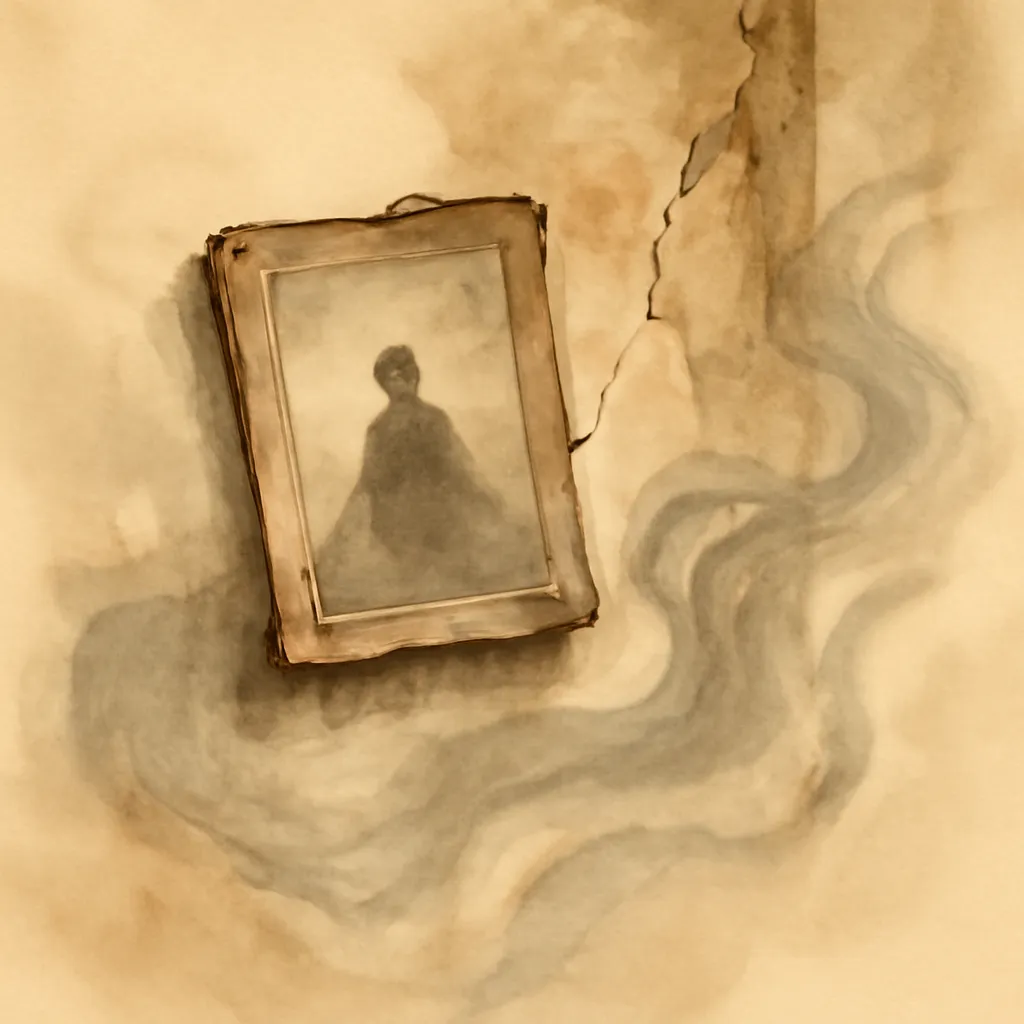
Memory serves as a cornerstone of Blackwood's ghost stories, exploring how unresolved traumas can linger and affect the living. He depicts memory as a haunting force that shapes identity and influences behavior, suggesting that the past echoes in the present. Blackwood notes that "the aroma of evil deeds committed under a particular roof" persists, illustrating how the repercussions of past actions can permeate the atmosphere of a space. Characters often confront memories that resurface in the form of spectral encounters, symbolizing their internal struggles and unresolved conflicts. These ghostly figures serve as metaphors for the burdens of memory, compelling characters to confront their fears and the consequences of their actions. As the narratives unfold, Blackwood encourages readers to reflect on the intricate connections between memory, trauma, and the supernatural, inviting them to consider how the ghosts of the past inform the present. This exploration emphasizes the universality of human experience, illustrating that the specters of memory can haunt everyone, regardless of their circumstances.
6.The Supernatural as a Reflection of Inner Turmoil
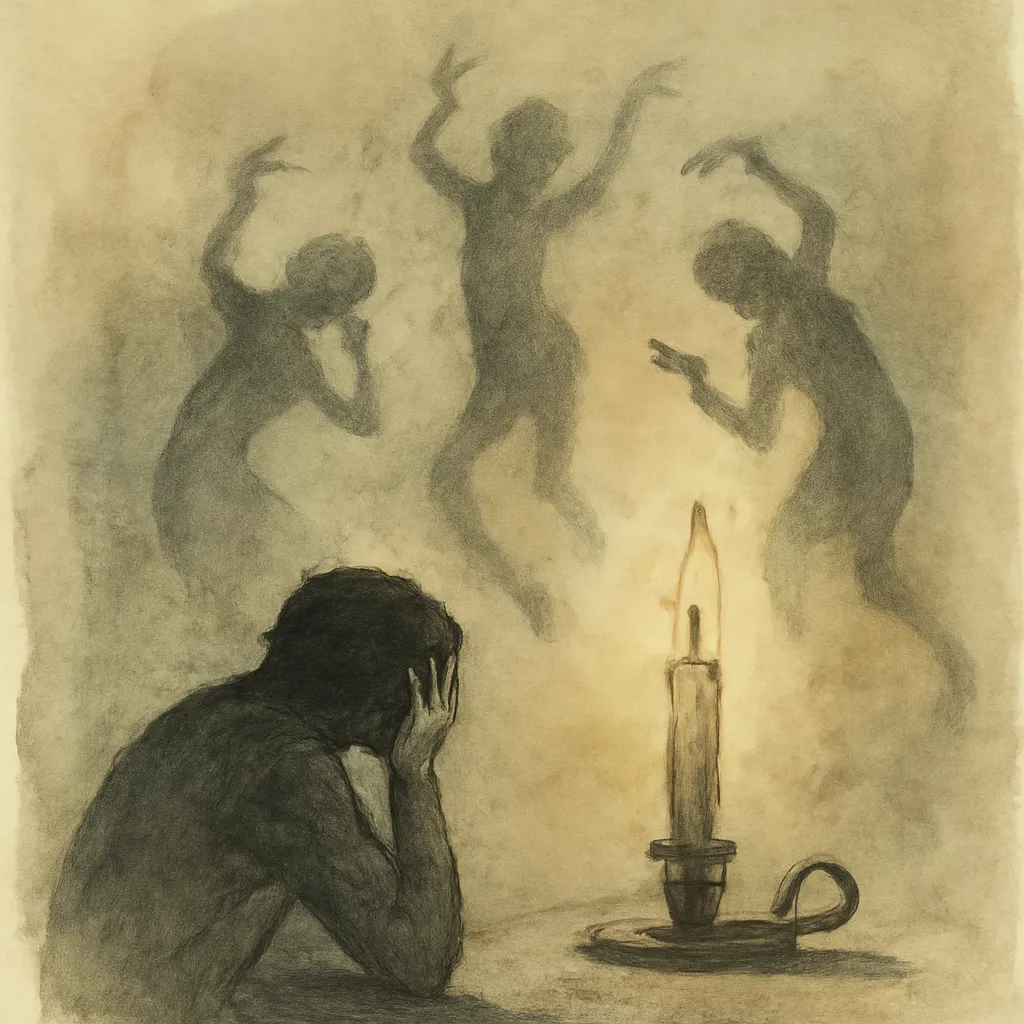
The supernatural elements within Blackwood's stories often act as reflections of the characters’ inner conflicts, serving as manifestations of their psychological struggles. Encounters with spirits and otherworldly beings are not merely tools for instilling fear; they underscore the emotional landscapes of the characters involved. For instance, Shorthouse’s experience with a haunting presence is not just an encounter with the unknown but also a confrontation with his own insecurities and apprehensions. The blurring of lines between the external supernatural forces and internal emotional challenges compels characters to delve into their psyches, revealing the complexities of human nature. Blackwood’s portrayal of the supernatural encourages readers to consider how fear can be both a tangible threat and a reflection of personal struggles. By intertwining the psychological and supernatural, he enriches the narrative, allowing for a more profound exploration of the human condition. This thematic interplay invites readers to reflect on the nature of fear, suggesting that often, the most terrifying specters are those that dwell within.
7.Isolation and the Intensity of Fear
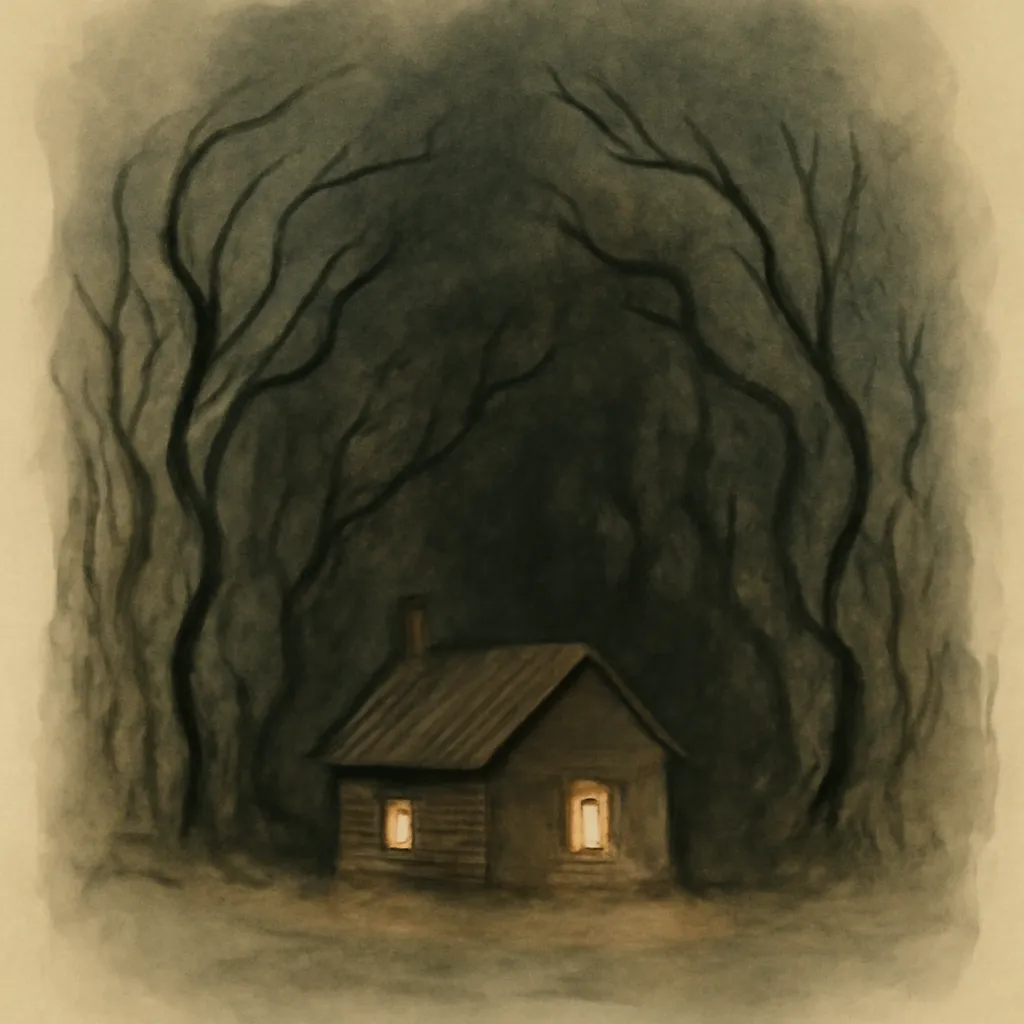
Isolation emerges as a pervasive theme in Blackwood's tales, amplifying the sense of vulnerability felt by the characters. The physical and emotional seclusion they face heightens their fears, as they navigate spaces that seem to conspire against them. For instance, when Shorthouse finds himself in Garvey's remote house, the stark isolation deepens his anxiety, creating an environment where dread can flourish. Blackwood skillfully captures the psychological ramifications of isolation, illustrating how it can distort perceptions and exacerbate feelings of fear and hopelessness. The exploration of isolation compels readers to confront the often-overlooked aspects of human experience, particularly regarding loneliness and its impact on mental health. Characters' struggles against both external threats and their own internal demons emphasize the pervasive nature of fear, especially in moments of solitude. In doing so, Blackwood invites readers to engage with the complexities of the human experience, urging them to consider the interplay between fear, isolation, and personal growth.
8.The Conflict Between Rationality and the Unexplained

Blackwood's narratives frequently delve into the tension between rational thought and the inexplicable phenomena that challenge human understanding. Characters like Shorthouse grapple with their logical frameworks as they confront experiences that defy explanation. This exploration surfaces in moments when characters must reconcile their understanding of the world with encounters that seem to undermine their beliefs. The narrative raises philosophical questions about the limits of human comprehension, suggesting that not everything can be neatly categorized or explained. Through the lens of this conflict, Blackwood invites readers to embrace a sense of wonder and curiosity about the unknown. His depiction of characters wrestling with the unexplainable reflects broader themes of human experience, ultimately highlighting the mysteries of existence that elude reason. The tension between rationality and the supernatural serves as a powerful reminder that fear often arises from confronting the limits of understanding.
9.The Fragility of Human Perception
The fragility of human perception stands as a pivotal theme in Blackwood's ghost stories, as characters navigate environments that challenge their understanding of reality. The narrative suggests that what is perceived may not always reflect the truth, a notion epitomized by Shorthouse’s shifting perceptions of Garvey. Initially, Shorthouse views Garvey with suspicion, but as the story progresses, his understanding of the man transforms, highlighting how fear and uncertainty can distort perceptions. Blackwood emphasizes that human minds are susceptible to influences that can warp reality, leading to moments of confusion and clarity. This theme invites readers to consider the reliability of their own perceptions and the ways in which fear can color their understanding of the world around them. By illustrating the malleability of perception, Blackwood encourages a deeper exploration of the complexities of human experience and the nature of reality itself, prompting readers to embrace ambiguity and uncertainty.