
Explore the eerie intersections of memory, fear, and the supernatural in Algernon Blackwood's masterful ghost stories
Read full overviewShow less›
In 'The Empty House and Other Ghost Stories,' Algernon Blackwood immerses readers in a haunting exploration of the unseen forces that linger in both places and minds, capturing the essence of human fear in the face of the unknown. Through a series of chilling narratives, Blackwood reveals how environments steeped in history can carry the weight of past traumas, transforming the ordinary into a realm of terror. These tales delve into the psychological dimensions of fear, examining how personal insecurities intertwine with spectral encounters. As characters confront not only the malevolent forces within their surroundings but also their own unresolved emotions, readers are invited to reflect on the intricate relationship between memory and experience. Each story serves as a resonant reminder that the true horrors often reside within us, prompting profound contemplation on what it means to navigate a world filled with both visible and invisible threats.
Algernon Blackwood's 'The Empty House and Other Ghost Stories' invites readers into a world where fear, memory, and the supernatural converge in haunting tales that resonate with psychological depth. His exploration of the relationship between places and emotions reveals the enduring impact of history on the present, while the characters' confrontations with their fears encourage profound reflections on human vulnerability and resilience. By treating settings as characters and weaving together the psychological and supernatural, Blackwood blurs the lines between reality and the uncanny, compelling readers to reconsider their understanding of fear and the complexities of existence. Ultimately, these stories serve as a reminder of the haunting presence of the past in our lives and the power of place in shaping our fears and identities.
Ratings at a glance
- 1The Haunting Presence of Evil in Places
- 2Fear as a Catalyst for Personal Growth
- 3The Interplay of the Familiar and the Uncanny
- 4The Role of Setting as a Character
- 5Memory and the Ghosts of the Past
Notable quotes
“Certain houses, like certain persons, manage somehow to proclaim at once their character for evil.”
“There may be other things that—that hurt more.”
“Wherein lay this marked, invisible difference is impossible to say.”
A glimpse inside

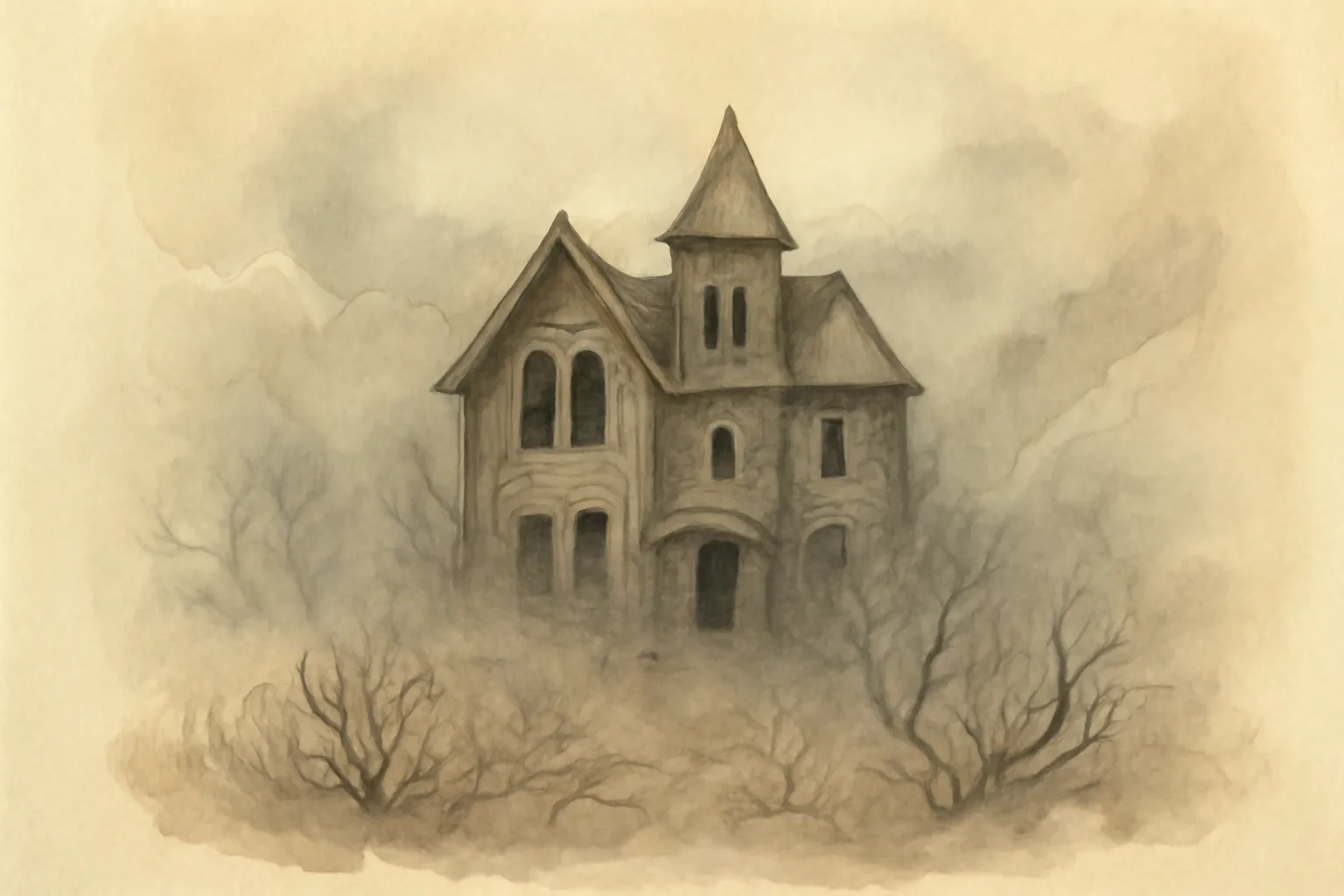
Algernon Blackwood introduces the notion that certain houses possess an inherent malevolence, an atmosphere that can be felt by those who enter. Read moreAlgernon Blackwood introduces the notion that certain houses possess an inherent malevolence, an atmosphere that can be felt by those who enter. This idea is articulated when he states, "Certain houses, like certain persons, manage somehow to proclaim at once their character for evil." The implications of this concept suggest that the memories of past evildoers and their actions can permeate a space, creating a lingering sense of dread long after their departure. These haunting qualities are not just figments of the imagination; individuals who have spent time in these houses often report feelings of terror, as if the very walls have absorbed the horror of past events. Specifically, certain rooms provoke discomfort so intense that individuals claim they would rather die than return. This atmosphere of fear is reinforced through sensory experiences—chilling air, unsettling sounds, and oppressive silence—that evoke visceral reactions in characters and readers alike. Thus, Blackwood masterfully illustrates how the essence of a place can shape human emotions, making the exploration of these haunted spaces both a psychological and a supernatural journey. Show less
Blackwood posits that fear, while often paralyzing, can also serve as a transformative force in the journey of self-discovery. Read moreBlackwood posits that fear, while often paralyzing, can also serve as a transformative force in the journey of self-discovery. The character Jim Shorthouse embodies this theme as he faces an unusual challenge presented by his employer, Mr. Sidebotham. The tension arises when Sidebotham questions Shorthouse's courage, hinting at the psychological complexities tied to acts of bravery. Shorthouse's initial apprehension is palpable, as he reflects, "I don’t think I’m afraid of anything in particular, sir—except women," revealing his vulnerability. As the narrative unfolds, it becomes evident that his journey is not merely about confronting external dangers but also about navigating the intricacies of his own fears. The phrase, "There may be other things that—that hurt more," suggests that emotional struggles can be more daunting than physical threats. Through this lens, Blackwood illustrates that fear can catalyze growth, pushing individuals to confront their insecurities and ultimately emerge stronger. This idea resonates deeply within the narratives, offering readers a nuanced perspective on the interplay between fear and personal development. Show less
Read the full text — free
About the author
Read Algernon Blackwood's work free on Lumina — the complete text plus an 8-minute summary and key ideas, no account needed