1.Virtue as the Highest Good
Seneca insists that living a virtuous life—guided by wisdom, courage, justice, and self-control—is the only true path to happiness. Unlike fleeting pleasures or external achievements, virtue depends solely on character and intention. By focusing on inner moral development, we gain a sense of stability and fulfillment that external circumstances cannot shake.
2.Mastering Desire and Fear
A core Stoic lesson is learning to distinguish between what we can and cannot control. Seneca urges us to direct our energy toward our own thoughts and actions, rather than external events or other people’s opinions. By mastering our desires and fears, we free ourselves from unnecessary suffering and cultivate peace of mind.
3.Embracing Adversity
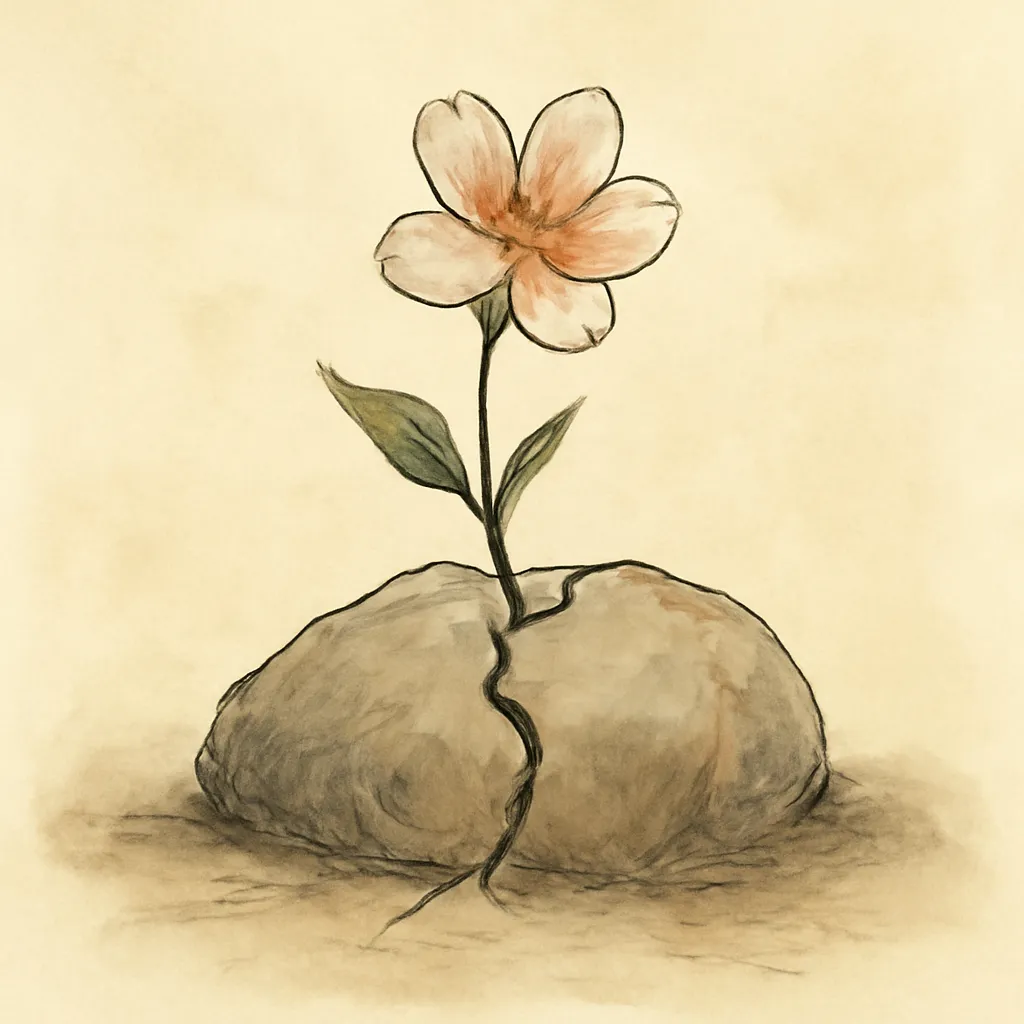
Seneca reframes misfortune as a training ground for the soul. Hardship, he argues, is not a punishment but an opportunity to practice resilience and fortitude. By welcoming challenges as chances to strengthen our character, we transform setbacks into sources of growth and wisdom.
4.Simplicity and Self-Sufficiency
The letters advocate for a life of moderation and simplicity. Seneca warns against the endless pursuit of wealth, luxury, or status, which distract from genuine contentment. True freedom, he suggests, comes from needing little and being content with what we have—a radical message in both ancient and modern times.
5.Facing Mortality with Courage
Seneca confronts the reality of death head-on, encouraging us to reflect on our mortality not with dread, but with acceptance. By remembering that life is finite, we are inspired to live more fully and intentionally. The fear of death, he argues, loses its power when we focus on living virtuously in the present.
6.The Value of Friendship and Reflection
While Stoicism emphasizes self-reliance, Seneca also highlights the importance of friendship and honest self-examination. His letters themselves are acts of friendship, offering wisdom and encouragement. He invites us to reflect regularly on our actions and motives, fostering self-improvement and deeper connections with others.