1.The Anatomy of Dictatorship
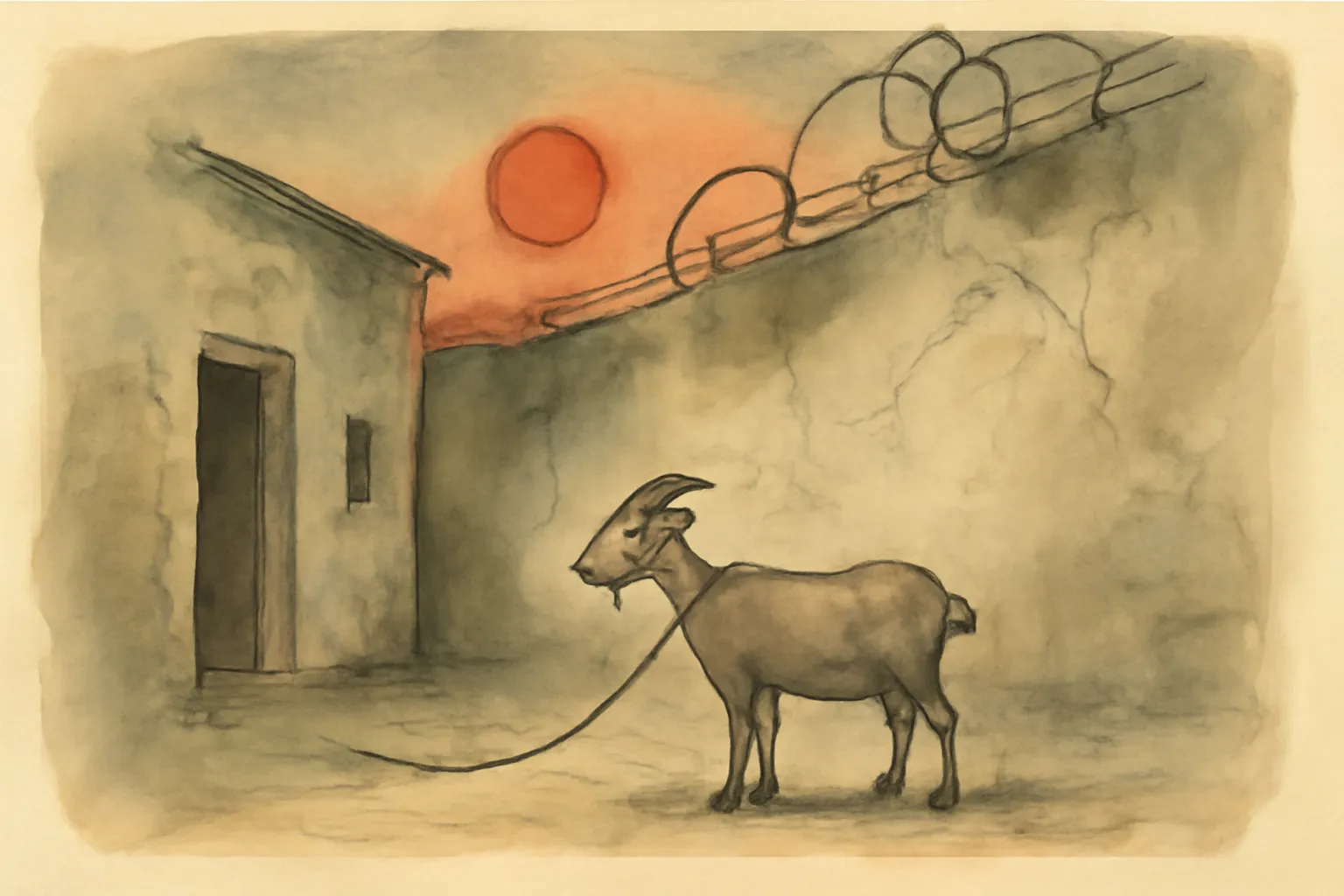
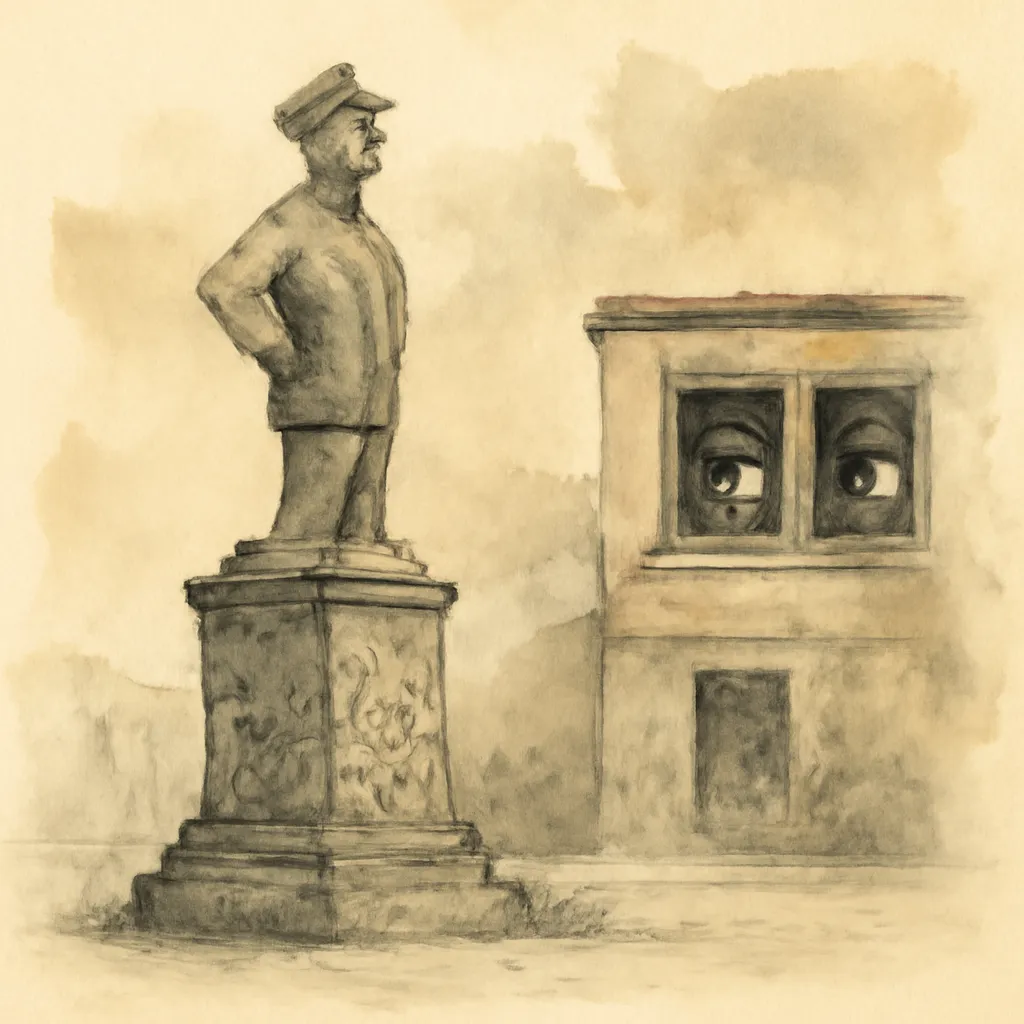
Vargas Llosa meticulously dissects the mechanisms of authoritarian rule, showing how Trujillo’s regime permeates every layer of Dominican society. The novel exposes the cult of personality, the pervasive surveillance, and the climate of fear that sustains tyranny. By delving into the minds of both the dictator and his victims, the book reveals how power corrupts not only the ruler but also those who serve, resist, or simply endure.
2.Personal Trauma and National Memory
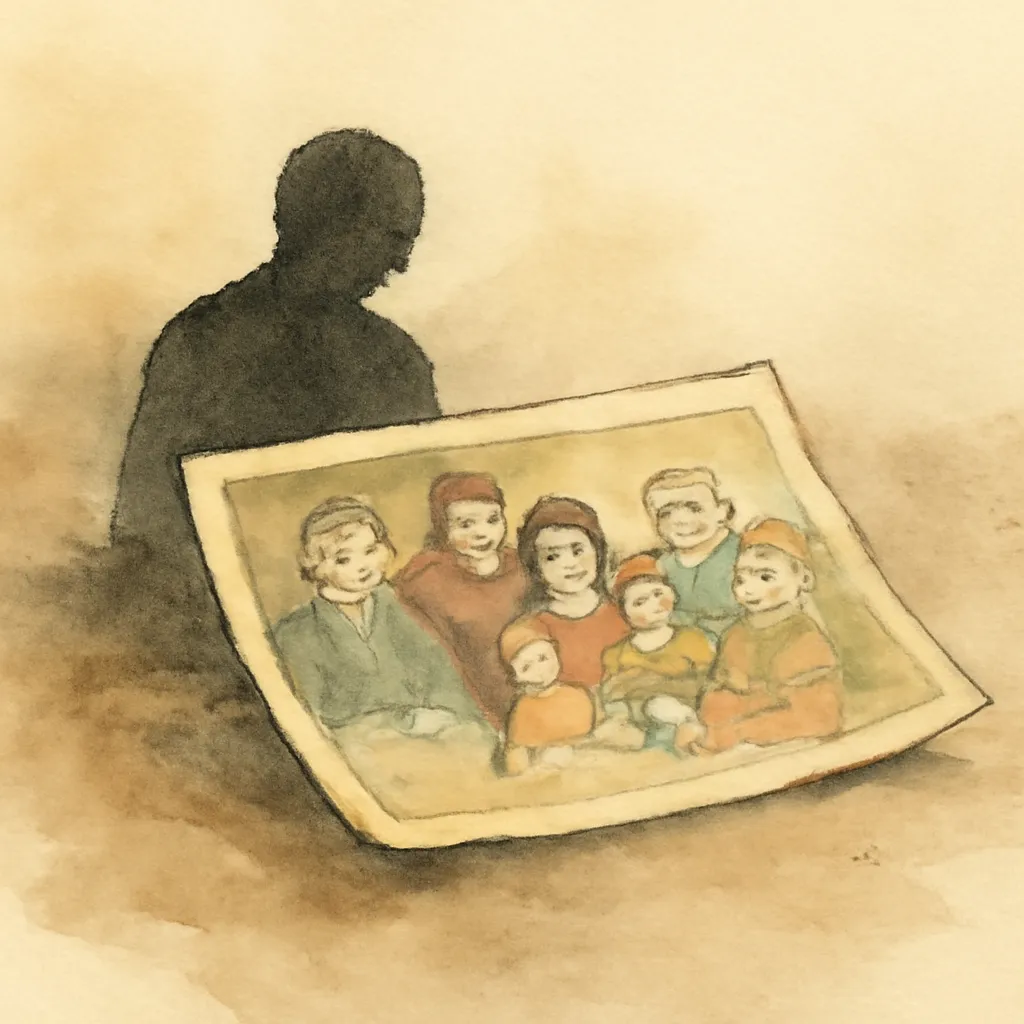
Through the character of Urania Cabral, who returns to the Dominican Republic decades after fleeing, the novel explores how personal wounds mirror collective scars. Urania’s story is one of abuse, betrayal, and the struggle to reclaim agency. Her journey reflects the difficulty of confronting a painful past, both for individuals and for nations emerging from dictatorship.
3.Complicity and Moral Ambiguity
The Feast of the Goat refuses to divide the world into simple heroes and villains. Many characters are compromised—collaborators, opportunists, and even reluctant participants in evil. Vargas Llosa probes the gray areas of morality, asking how ordinary people become entangled in atrocity, and whether redemption or forgiveness is possible.
4.The Weight of History
The novel is haunted by the inescapability of history. It shows how the trauma of dictatorship lingers long after the regime falls, shaping the identities and destinies of survivors. Through shifting timelines and perspectives, Vargas Llosa illustrates how the past is never truly past, but continues to exert its influence on the present.
5.Gender, Power, and Abuse
Urania’s experience as a woman under Trujillo’s regime highlights the intersection of political and sexual violence. The novel exposes the ways in which authoritarian power is often exercised through the control and exploitation of women’s bodies, making a broader statement about gendered oppression within patriarchal societies.
6.The Cost of Resistance
Vargas Llosa gives voice to those who dared to oppose Trujillo, showing both their courage and the devastating consequences they faced. The failed assassination attempts, betrayals, and reprisals underscore the high price of dissent in a climate of terror, yet also affirm the enduring human desire for justice and dignity.