1.Consciousness as Subjective Experience
Koch defines consciousness in the simplest terms: it is any subjective experience, from the taste of chocolate to the ache of loss. He rejects the idea that consciousness is merely a byproduct of computation or clever information processing. Instead, he roots it in the raw feeling of being alive, emphasizing that consciousness is not about what the brain does, but what it feels like to be a brain. This reframing shifts the debate from external behaviors to internal experience, making consciousness a fundamental aspect of reality rather than an emergent property.
2.Integrated Information Theory (IIT)
A central pillar of the book is Integrated Information Theory (IIT), which proposes that consciousness arises from the integration of information within a system. According to IIT, the more interconnected and unified a system's information processing, the richer its conscious experience. Koch explains how IIT quantifies consciousness with a value called 'Phi,' suggesting that consciousness can, in principle, be measured. This theory moves the study of consciousness from philosophical speculation toward empirical science, offering testable predictions and practical applications.
3.Consciousness Beyond Humans
Koch argues that consciousness is likely more widespread than previously assumed. If integrated information is the criterion, then many animals—and perhaps even some machines—could possess some degree of subjective experience. This challenges anthropocentric views and raises ethical questions about the treatment of non-human animals and the future of artificial intelligence. Koch invites readers to reconsider where the boundaries of consciousness truly lie.
4.The Brain’s Unique Role
Why does the brain, and not other organs, generate consciousness? Koch explores the unique structure and connectivity of the brain, especially the cortex, as the substrate for integrated information. He contrasts the brain's complexity with that of organs like the liver, arguing that only highly integrated networks can support consciousness. This focus on physical structure grounds the abstract notion of subjective experience in tangible neurobiology.
5.Clinical and Technological Implications
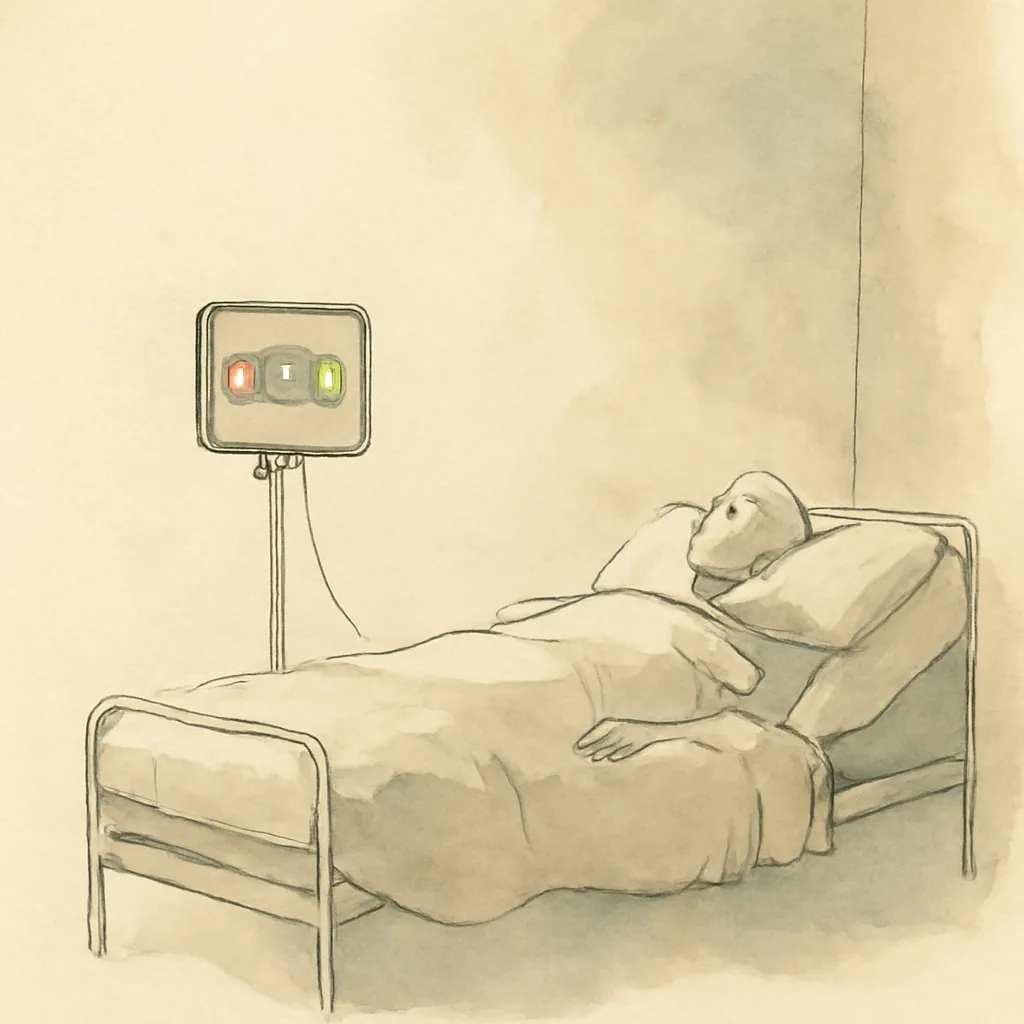
The book details how IIT and the neuroscience of consciousness have led to practical tools, such as consciousness meters used in clinical settings to assess awareness in patients who cannot communicate. Koch discusses the ethical and philosophical stakes of these technologies, including their potential to redefine medical decision-making and our understanding of life and death. The possibility of measuring consciousness also raises profound questions about the future of AI and machine awareness.
6.Limits and Controversies
Koch openly addresses the challenges and criticisms facing IIT and the scientific study of consciousness. He acknowledges that the theory is still evolving and that many questions remain about how subjective experience maps onto physical processes. By engaging with philosophical puzzles and empirical limitations, Koch presents a balanced view that respects both the mystery and the promise of consciousness research.