1.The Power of a Simple Gesture
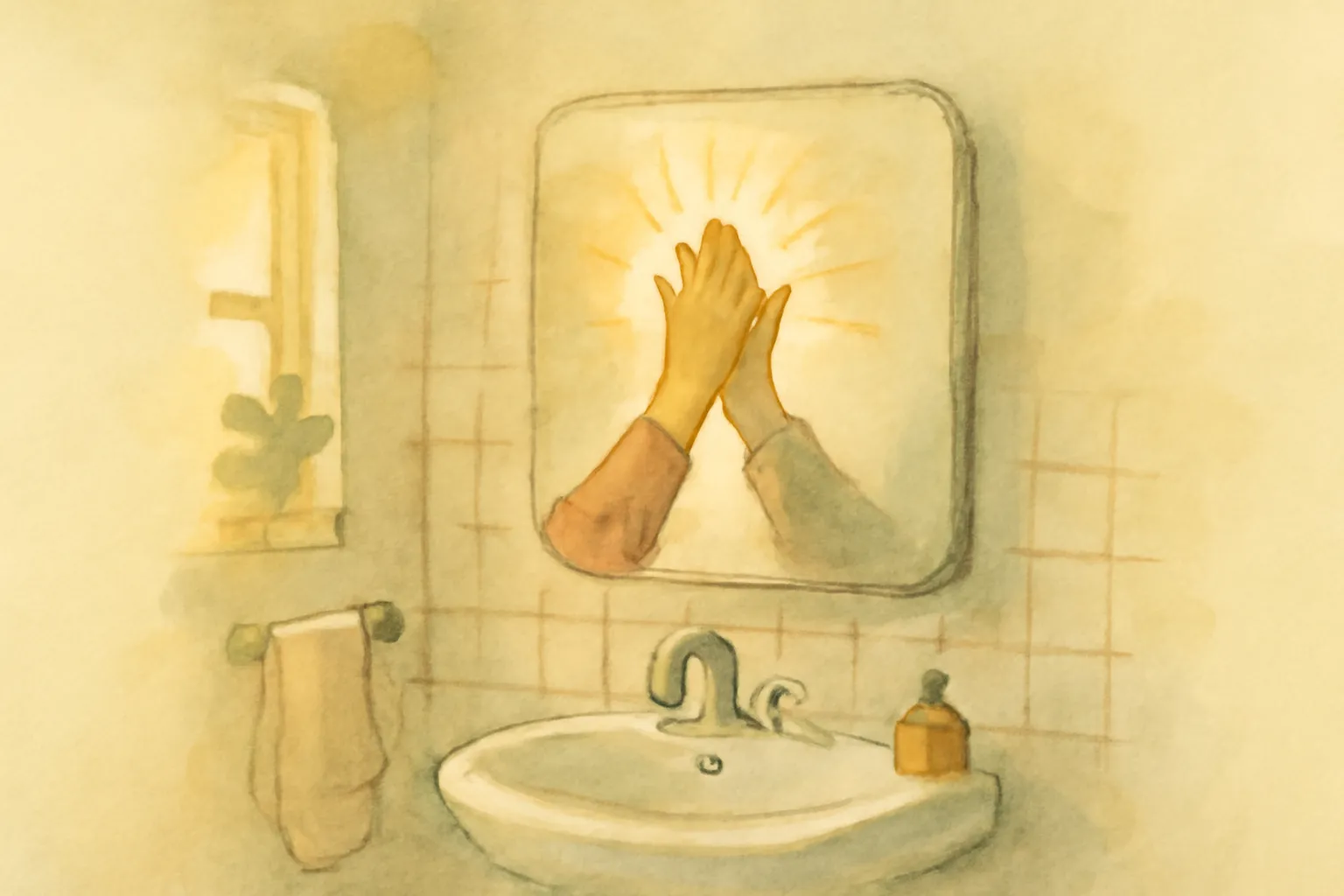
Robbins centers the book on the deceptively simple act of giving yourself a high five in the mirror each morning. This physical gesture, she argues, taps into deep psychological associations with encouragement and celebration. By making this a daily ritual, you begin to rewire your brain to view yourself with more compassion and positivity, counteracting years of self-criticism and doubt.
2.Science-Backed Habit Formation
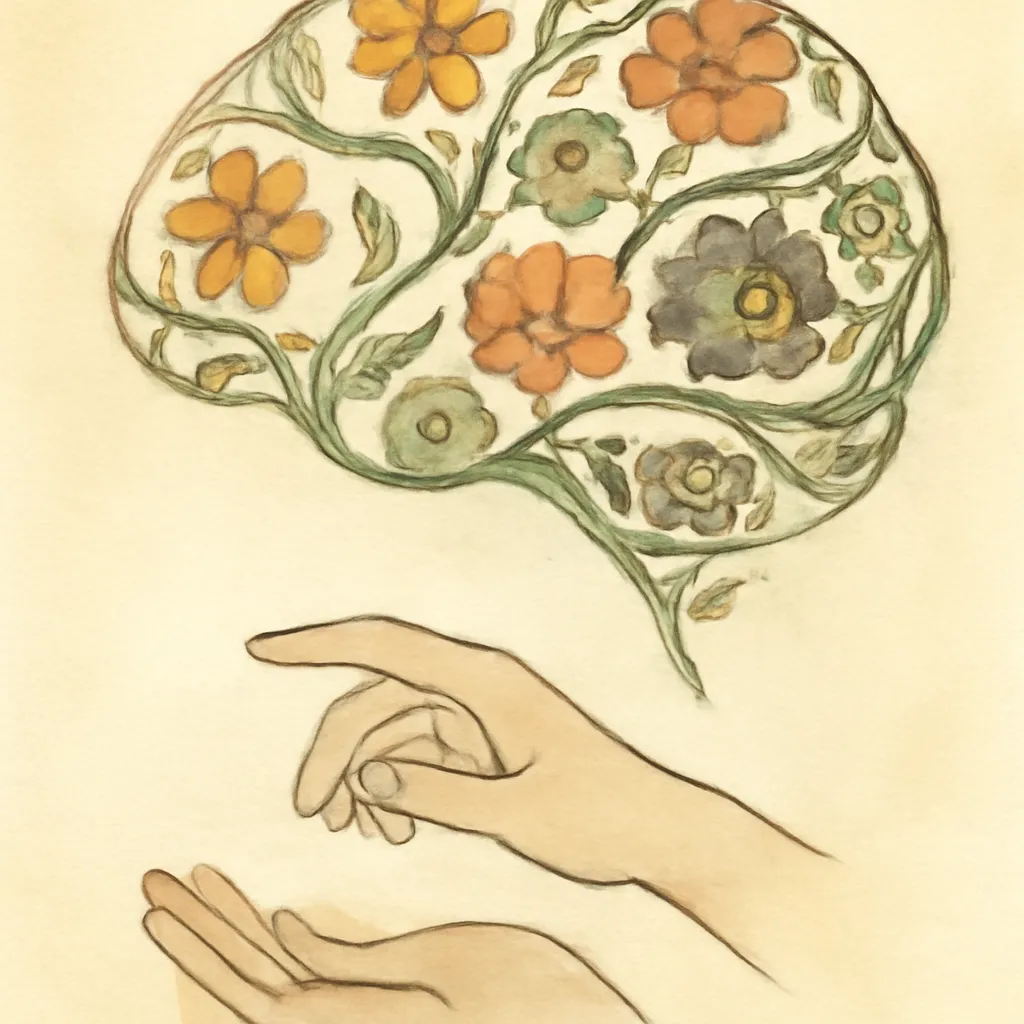
The book grounds its advice in neuroscience and behavioral psychology. Robbins explains how habits are formed and why physical gestures—like the high five—can bypass negative self-talk. The act triggers dopamine and positive associations, helping to make self-support automatic rather than forced. This science-backed approach distinguishes the habit from mere positive thinking.
3.Combatting the Inner Critic
A major theme is the prevalence and power of the inner critic. Robbins shares personal stories and testimonials showing how most people are quick to encourage others but harshly judge themselves. The High 5 Habit is presented as an antidote: a way to disrupt negative thought patterns and replace them with self-affirmation, even when you don't feel like you deserve it.
4.Building Self-Trust and Momentum
Robbins emphasizes that self-confidence is built through action, not waiting for the 'right' feelings. By consistently practicing the high five, you send yourself a message of trust and worthiness. This daily act helps build momentum, making it easier to take risks, pursue goals, and recover from setbacks.
5.Shifting Focus from Flaws to Progress
The book challenges the common habit of focusing on flaws and failures. Instead, Robbins encourages readers to celebrate small wins and progress. The high five becomes a ritual of acknowledgment, helping to shift your attention from what's missing to what's working, which fuels motivation and resilience.
6.Community and Shared Experience
Robbins integrates stories from readers around the world who have adopted the habit. This sense of community reinforces that self-doubt is universal, and that change is possible for anyone. The book's tone is inclusive and supportive, making readers feel part of a larger movement toward self-acceptance.