1.The Fury of Nature
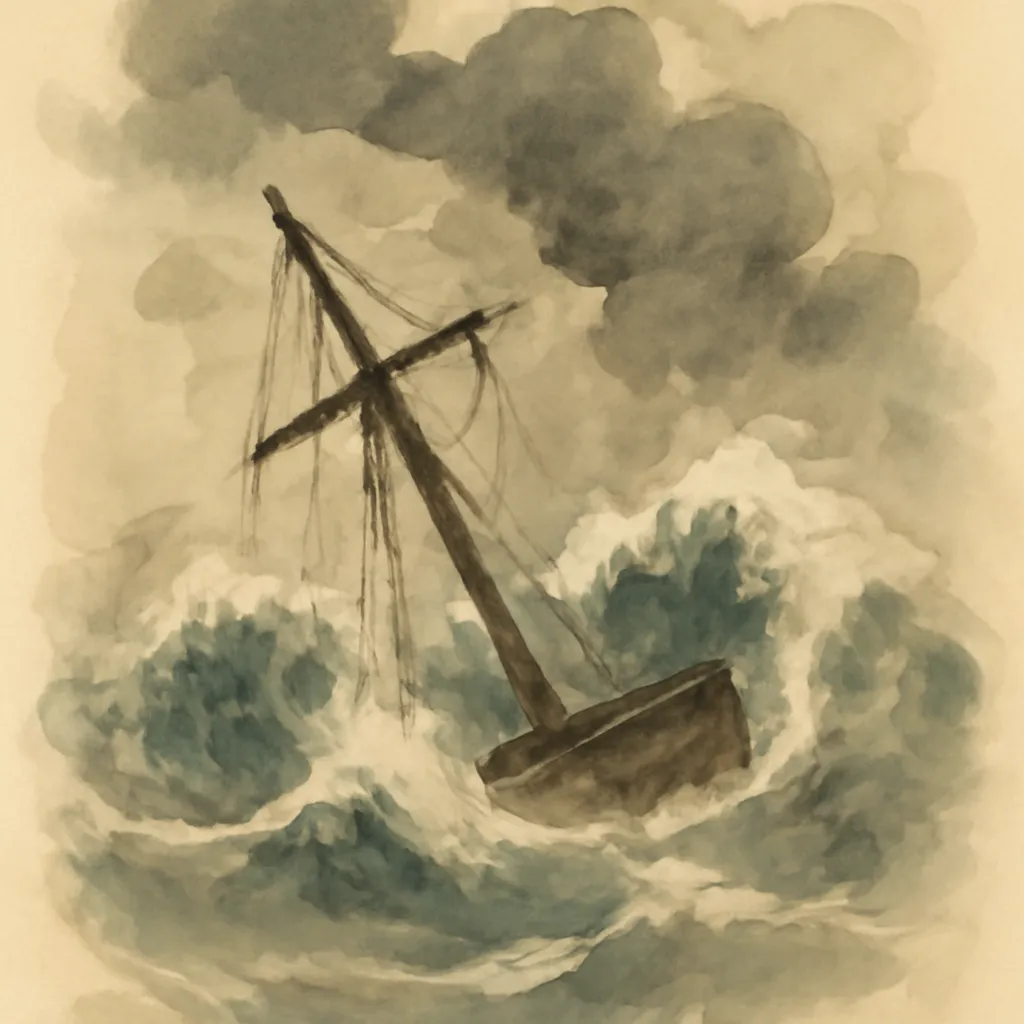
The opening chapters vividly illustrate the sheer power of the storm that strikes the Laughing Mary as it navigates the treacherous waters near Cape Horn. Russell does not shy away from detailing the chaos that ensues as the ship is battered by violent winds and monstrous waves, creating an atmosphere of impending doom. The author employs rich, evocative language to describe the storm's ferocity, likening the gusts to 'dismal moans' and the sea to 'boiling froth.' This establishes a central theme of the novel: the insignificance of man in the face of nature's fury. The crew's futile attempts to control the ship against the gale serve as a reminder that, despite human ingenuity and determination, the elements can swiftly render those efforts meaningless. The relentless force of the storm acts as a character in its own right, emphasizing how unpredictable and relentless the natural world can be.
2.Isolation and Despair
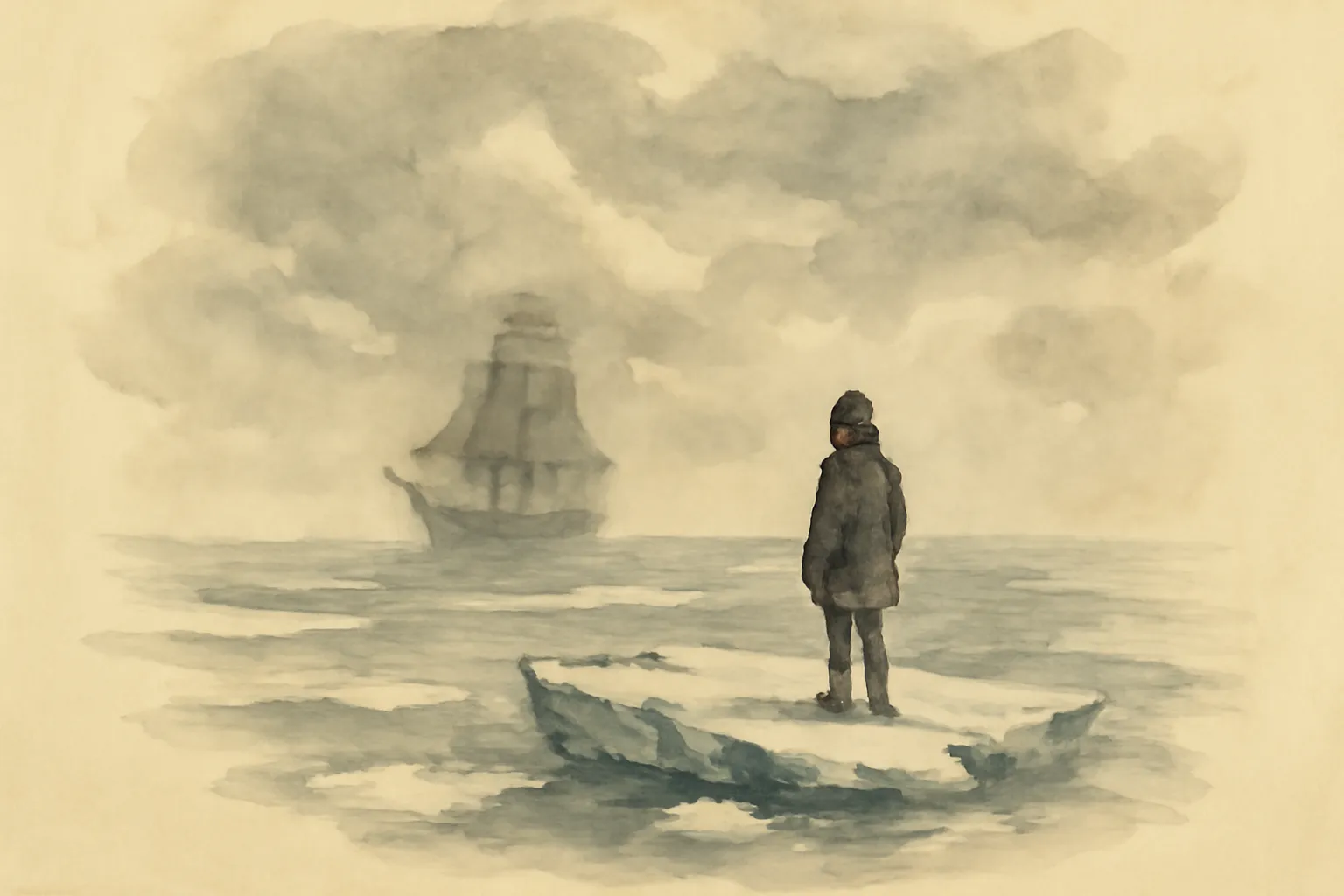
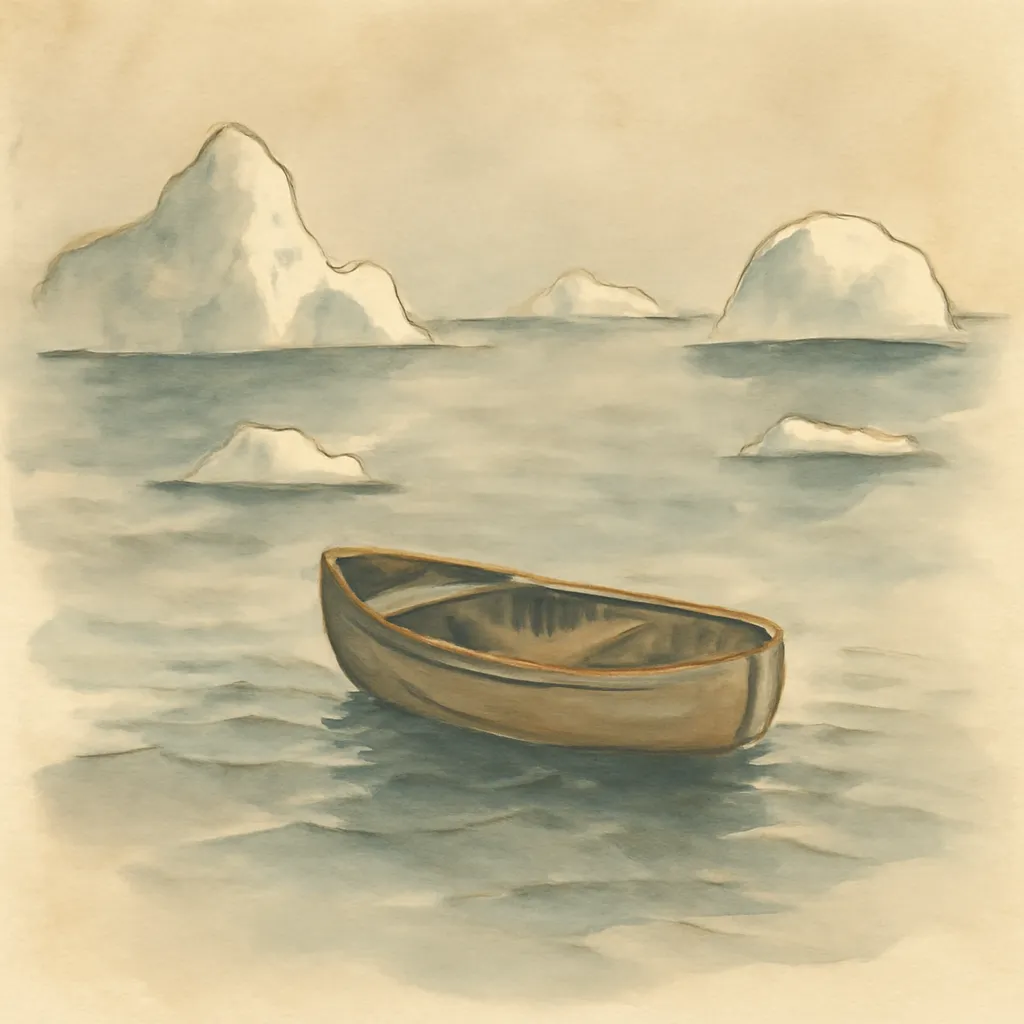
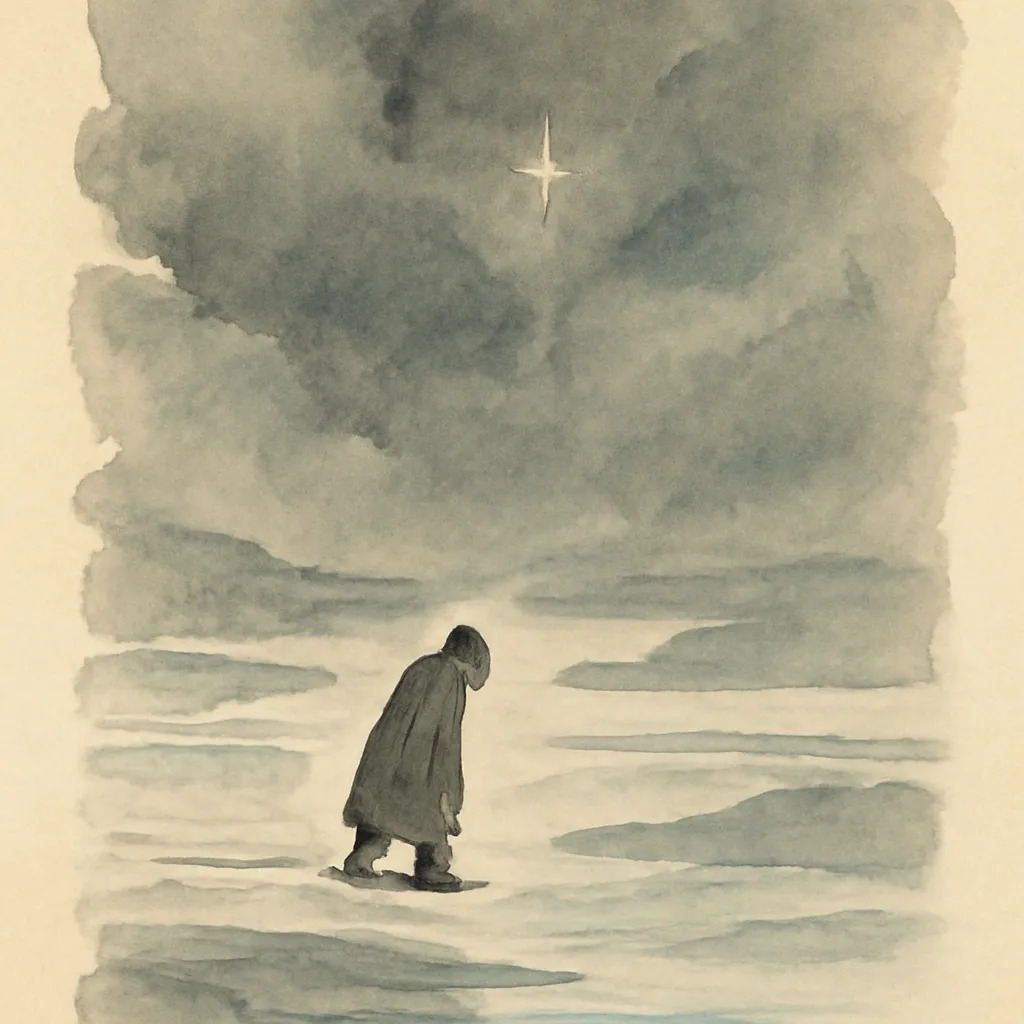
As the protagonist finds himself alone after the disaster, the theme of isolation takes center stage. The stark realization that he is the sole survivor of the wreck heightens his sense of despair and vulnerability. Russell captures the psychological struggle of being marooned in such a desolate landscape, where the cold and darkness threaten to consume him. The protagonist grapples with his thoughts, reflecting on his fears and regrets, illustrating how isolation can distort one's perception of reality. This isolation leads to profound reflections on mortality and the human condition. The narrative conveys how desperately the protagonist longs for human connection, exemplified by his cries for companionship and fear of dying alone. Russell's exploration of isolation invites readers to confront the often-overlooked psychological toll of solitude, making it a poignant aspect of the survival narrative.
3.The Frozen Pirate Ship
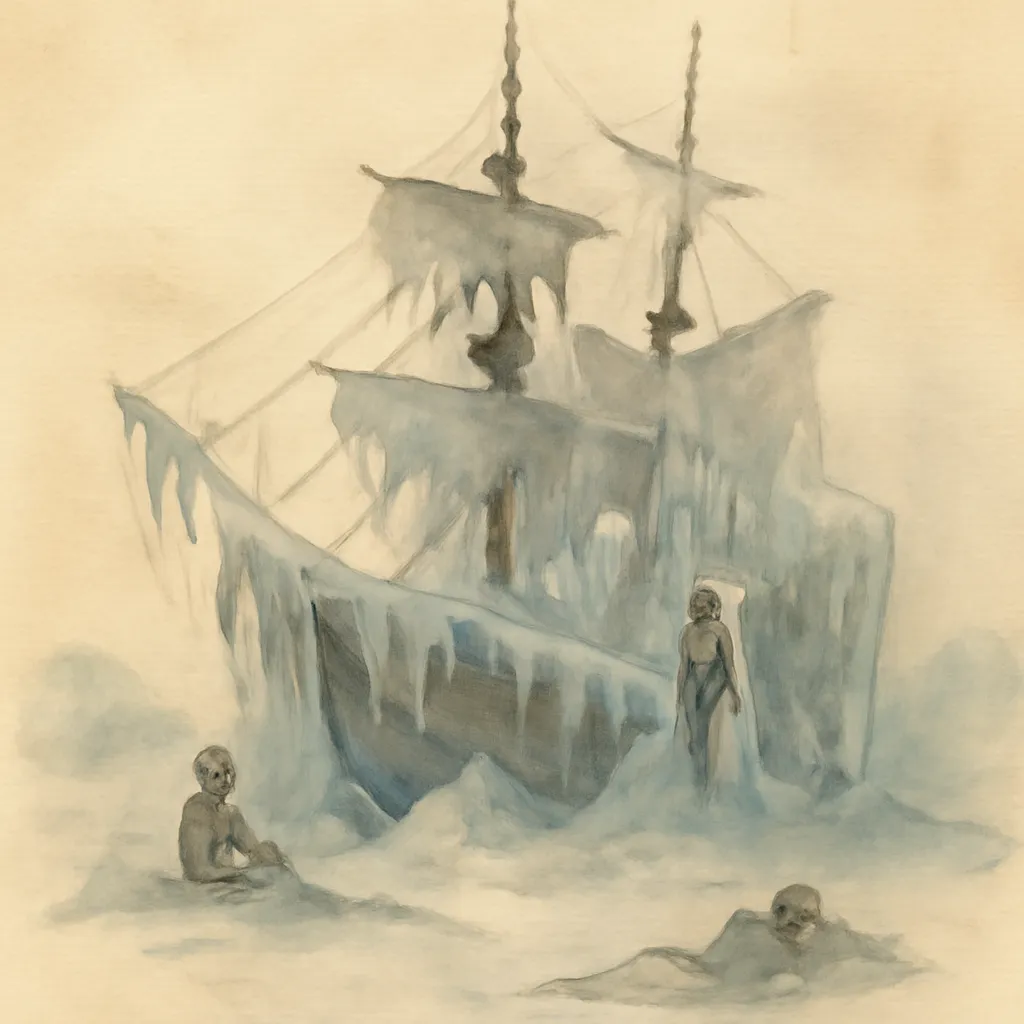
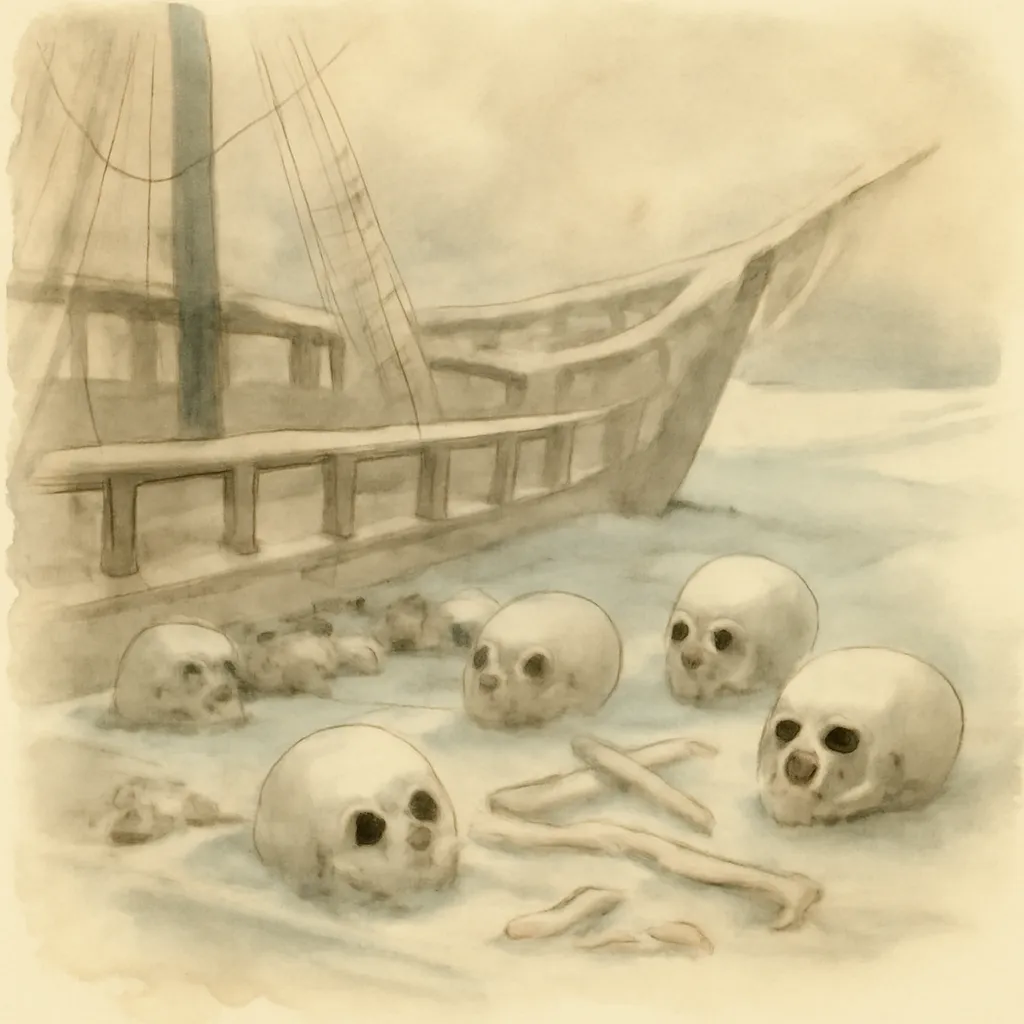
The discovery of the ice-locked pirate ship serves as a pivotal moment in the story, introducing a sense of mystery and intrigue. The ship, with its crew still frozen in time, symbolizes the dangers of piracy and the harsh realities of life at sea. The protagonist's exploration of the ship forces him to confront the ghosts of its past, leading to questions about the choices that led to its demise. Russell's depiction of the ship, described as a 'ghostly sparkling fabric,' evokes a haunting beauty and serves as a stark reminder of the consequences of a life lived outside the law. The remnants of the pirate crew, frozen in their last moments, raise profound questions about fate and the inevitability of death. This encounter becomes a metaphor for lost dreams and unfulfilled potential, paralleling the protagonist's own struggles for survival. The ship serves as a powerful symbol of the darker aspects of human nature and the price of recklessness.
4.Survival Against All Odds
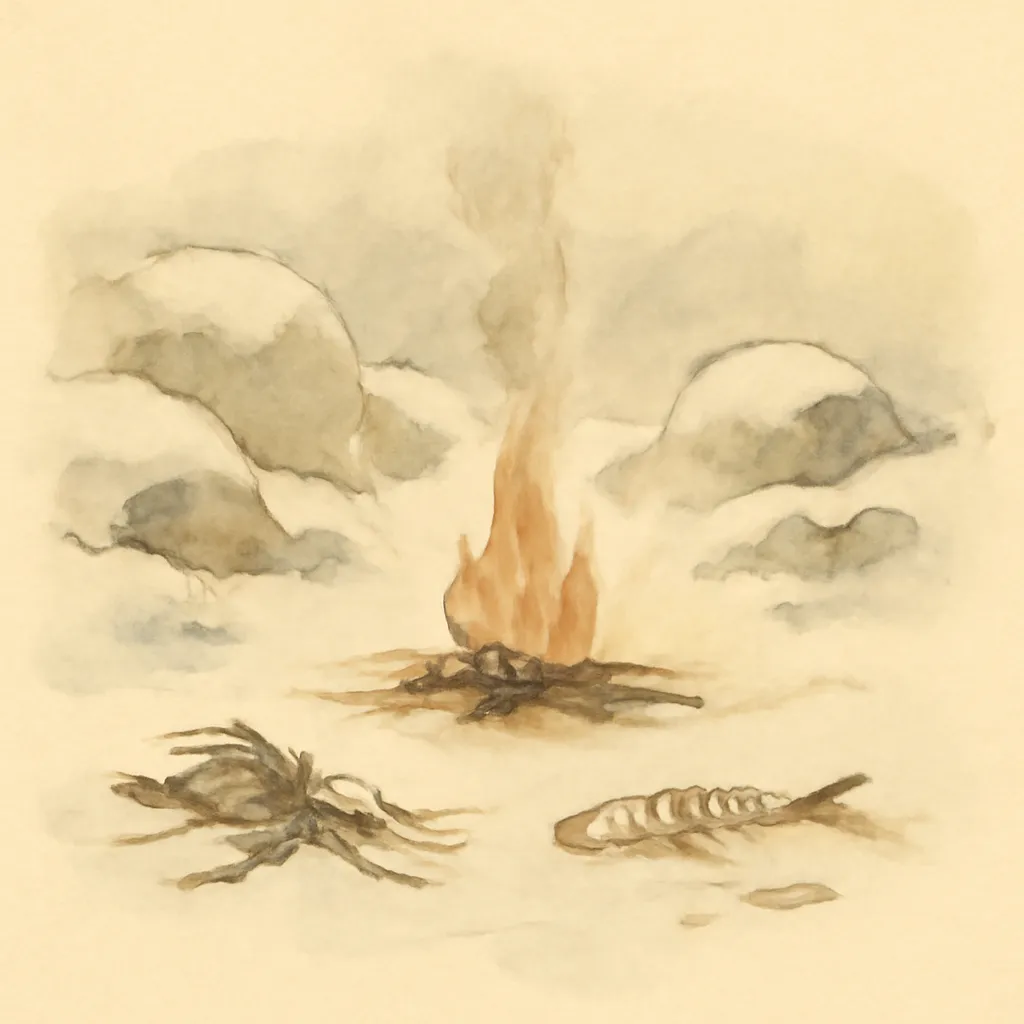
The protagonist's resourcefulness and determination emerge as key themes as he navigates the challenges of survival in the icy wilderness. Russell details his struggles to find food, warmth, and shelter, showcasing the instinctual drive to live that exists within all humans. Each small victory, whether it's finding provisions or managing to build a fire, is depicted with great intensity, emphasizing the stakes of his survival. The narrative illustrates the psychological and physical toll that such a struggle takes, revealing how desperation can lead to innovative solutions. For instance, as the protagonist faces the bitter cold, the struggle to keep warm becomes a matter of life and death, pushing him to act with ingenuity and resolve. This theme resonates with readers as it speaks to the universal human experience of facing insurmountable odds and the will to persevere.
5.The Haunting Presence of Death
Throughout the novel, death looms as a constant presence, manifesting in the frozen bodies of the pirate crew and the protagonist's own fears. Russell skillfully explores the psychological impact of confronting death, both in its literal form and as a looming threat. The protagonist's reflections on mortality force him to reckon with his own life choices and the nature of existence. The stark imagery of death serves to heighten the tension and urgency of the narrative, compelling readers to consider their own views on life and death. Russell captures the fine line between life and death, emphasizing that survival is not just a physical battle but also a mental and emotional one. The haunting presence of death ultimately shapes the protagonist's journey, pushing him to seek meaning and connection even in the face of despair.
6.The Struggle for Connection
As the protagonist grapples with his isolation, the need for human connection becomes increasingly apparent. Russell illustrates how the absence of companionship can amplify feelings of loneliness and despair. The protagonist's longing for communication and interaction reflects a fundamental human need to connect with others. Even as he encounters the frozen crew of the pirate ship, he yearns for a living companion to share his thoughts and fears. This theme underscores the importance of relationships in the human experience, suggesting that connection is vital for survival, both physically and emotionally. The protagonist's journey ultimately becomes not merely one of physical survival but also a quest for reconnection with humanity. Russell poignantly captures the deep sense of longing that accompanies isolation, inviting readers to empathize with the protagonist’s plight.
7.Moral Ambiguity and the Pirate's Legacy
The presence of the pirate ship invites exploration of moral ambiguity and the consequences of a life of crime. Russell delves into the complexities of the pirate's existence, showcasing the allure of freedom and adventure alongside the inevitable descent into violence and betrayal. The protagonist's interactions with the remnants of the pirate crew force him to confront the darker aspects of human nature, as well as the seductive pull of a life lived outside the law. This moral complexity adds depth to the narrative, prompting readers to consider the ethical implications of survival and the choices one makes in extreme situations. The pirate's legacy serves as a cautionary tale, reminding the protagonist—and the reader—of the costs associated with a life of recklessness. Through the lens of piracy, Russell explores broader themes of morality, justice, and the human capacity for both good and evil.
8.The Role of Fate and Providence
Fate plays a significant role in the protagonist's journey, raising questions about the nature of destiny and divine intervention. Russell weaves a narrative that suggests a higher power may be at play, guiding the protagonist through his trials. The unexpected moments of fortune, such as discovering provisions or the means to escape, can be interpreted as acts of providence. This theme encourages readers to reflect on the randomness of life and the forces that shape our experiences. The protagonist's survival becomes not just a matter of skill and determination but also an exploration of the mysterious ways in which fate can intervene in our lives, offering hope in the darkest of circumstances. Russell's portrayal of fate prompts readers to question their beliefs and consider the extent to which they control their destinies.
9.The Transformative Power of Adversity
The protagonist's journey through suffering and hardship ultimately leads to personal transformation. Russell illustrates how the trials of survival force the protagonist to confront his fears, desires, and the essence of his humanity. Each challenge he faces contributes to a deeper understanding of himself and the world around him. The narrative suggests that adversity can serve as a catalyst for growth, prompting individuals to discover their inner strength and resilience. This theme resonates with readers, offering a poignant reminder that even in the bleakest circumstances, there is potential for transformation and renewal. The protagonist emerges from his ordeal not only as a survivor but as a more profound version of himself—one who possesses a greater appreciation for life and the connections that define the human experience.