Adventure · Fiction
The Frozen Pirate by William Clark Russell — Summary, Key Ideas & Full Text
359 pages31 chapters7h 12m read5h 7m speed read✦ 9-min Big ideas★ 5.0 (1)Free · no account
Rate it
A gripping tale of survival and the relentless forces of nature, exploring the thin line between life and death in one of the world's most treacherous seas
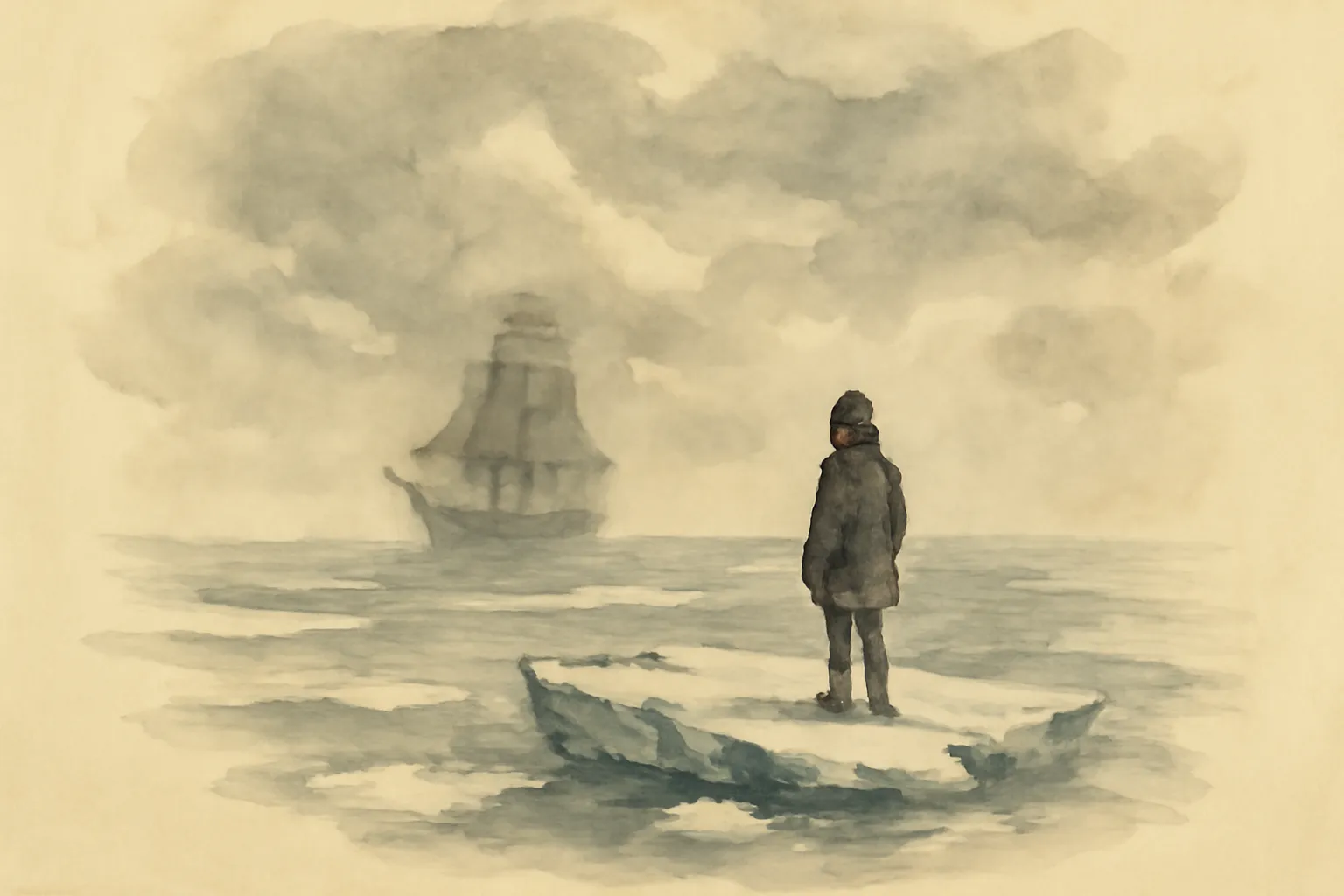
In 'The Frozen Pirate', William Clark Russell crafts a harrowing narrative that follows the journey of a lone survivor after a shipwreck in the icy waters off Cape Horn. The protagonist's struggle against the elements, isolation, and despair illustrates not just the physical challenges of survival but also the psychological toll such experiences can take. As he encounters the remnants of a pirate ship frozen in ice, the story delves into themes of fate, human resilience, and the haunting specter of death. Readers will find themselves gripped by the stark realities of maritime life in the 19th century, as well as the profound reflections on existence that arise in the face of overwhelming adversity. This tale is not only about survival against nature but also a deeper exploration of what it means to be human when stripped to one’s core in the most extreme situations.
William Clark Russell's 'The Frozen Pirate' is a masterful exploration of survival, isolation, and the profound impact of nature on the human spirit. Through the harrowing journey of the protagonist, readers are invited to reflect on the complexities of life, death, and the human condition. The narrative weaves together themes of fate, moral ambiguity, and the transformative power of adversity, ultimately offering a rich tapestry of experiences that resonate deeply with the human experience. The story serves as a reminder of the resilience of the human spirit and the enduring quest for connection, even in the face of overwhelming odds. In the end, it is not just a tale of survival but a profound meditation on what it means to be alive, making it a timeless narrative that continues to captivate readers.
“The gale came on with some lightning and several claps of thunder and heavy rain.”
“The cold was beyond language severe.”
“I had at one time, during the black hours, struck into a mournful calculation, and reckoned that the brig would float some two or three hours after sunrise.”
Read William Clark Russell's work free on Lumina — the complete text plus an 8-minute summary and key ideas, no account needed