1.The Nature of Historical Legacy

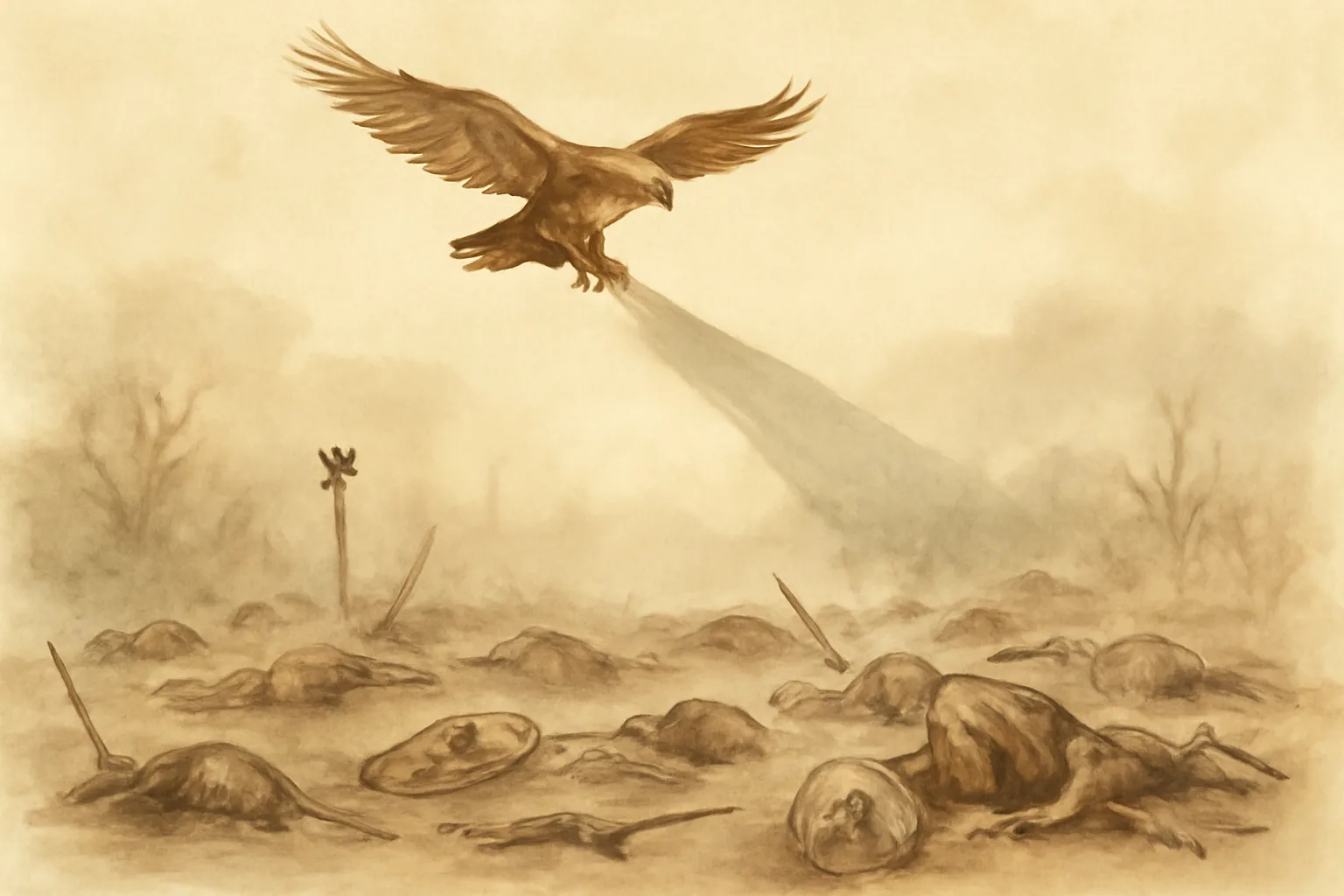
Tacitus reflects on the ancient custom of recording the actions and virtues of notable individuals, suggesting that history serves as a pivotal tool for imparting moral lessons. He laments the current age's disinterest in its own heroes and the neglect of virtuous deeds, contrasting it with earlier times when integrity was celebrated. This notion underscores the importance of preserving history not just for remembrance, but as a means of cultivating virtue and inspiring future generations. Tacitus himself engages in this task with a sense of duty, feeling compelled to document the life of his father-in-law, Agricola, despite the oppressive environment that discourages such endeavors. His reflections prompt readers to consider the value of historical narratives in shaping societal values and fostering a collective memory that honors integrity. By chronicling stories of virtue, Tacitus argues, society can prevent moral decay and promote a culture that values honesty and valor.
2.Tyranny and the Suppression of Virtue
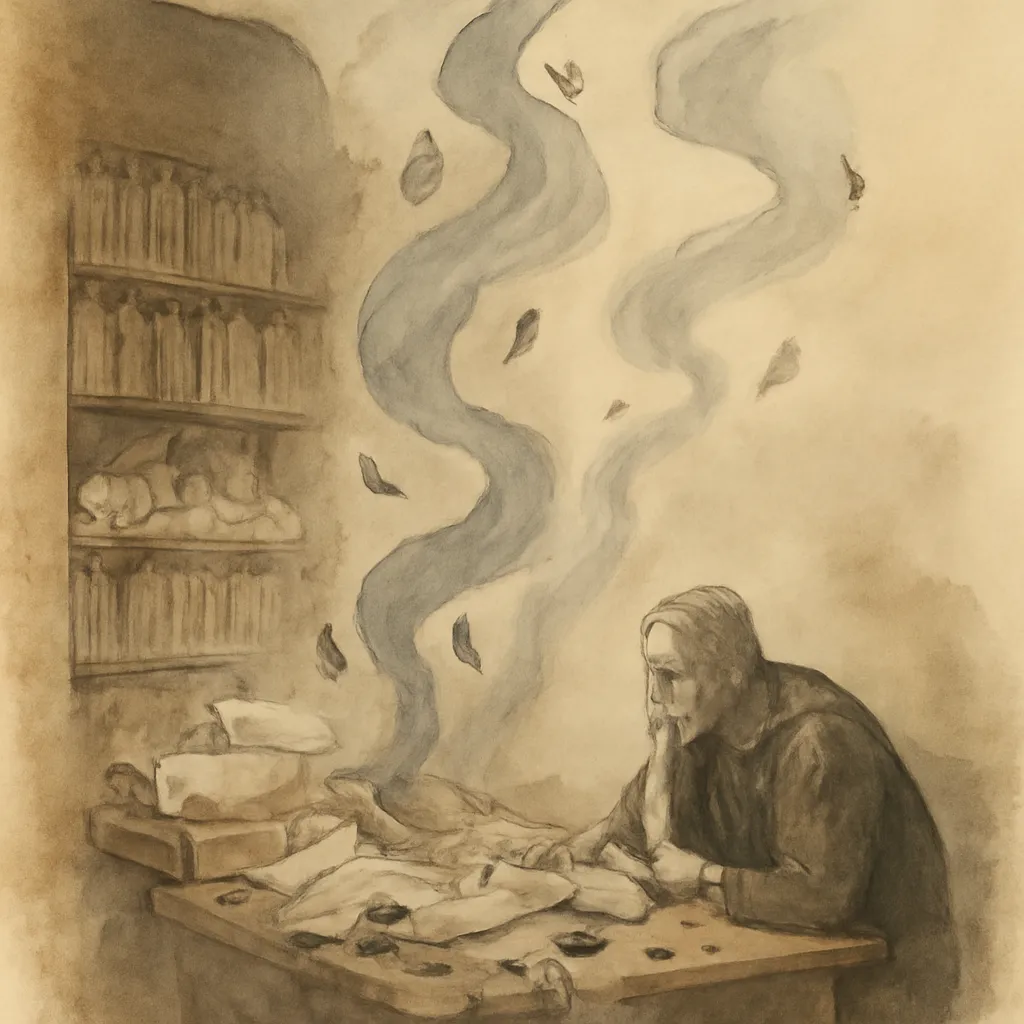
Tacitus vividly portrays the suffocating atmosphere of tyranny under Domitian's rule, where even the praise of virtuous figures could be construed as treason. The destruction of literary works that celebrated integrity exemplifies the lengths to which tyrants will go to suppress dissent and maintain control. This environment of fear stifles the flourishing of wisdom and liberal arts, leading to a society stripped of its moral compass. Tacitus illustrates that the survival of virtue in such circumstances is a testament to the resilience of the human spirit, making the case for the necessity of remembering and honoring those who stand against tyranny. He emphasizes that the oppression of the mind and spirit is as damaging as physical subjugation and that the true measure of a society's strength is its ability to foster and protect intellectual and moral pursuits. Tacitus’s account serves as a warning that when tyranny prevails, the very foundation of civilization is threatened, and the cultural achievements of humanity can be lost forever.
3.Agricola's Character: A Model of Virtue
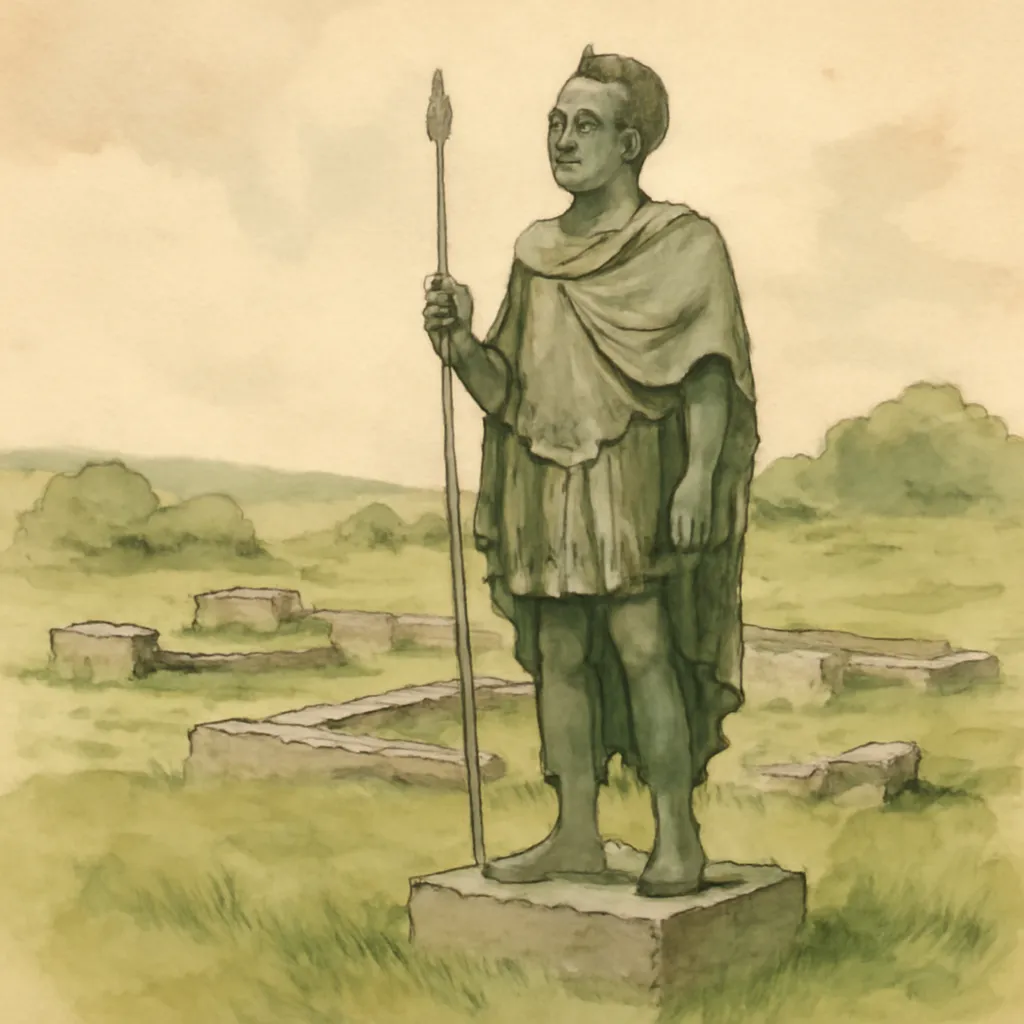
Cnaeus Julius Agricola emerges as a paragon of virtue and effective governance in Tacitus's account. His early military training in Britain under Suetonius Paullinus shaped his character, instilling a deep sense of duty and a passion for military glory. Unlike many of his contemporaries who sought personal gain, Agricola was dedicated to understanding the land and its people, demonstrating humility and diligence. His marriage to Domitia Decidiana further solidified his social standing, allowing him to navigate the complexities of Roman politics with integrity. Tacitus’s portrayal emphasizes that true leadership is characterized not by ambition or cruelty but by a commitment to the welfare of the governed and a genuine respect for their culture. Agricola's balanced approach to power, combining firmness with compassion, positions him as a timeless example for leaders today. Tacitus highlights the importance of moral character in governance, suggesting that a ruler's integrity is foundational for establishing trust and loyalty among subjects. Agricola's legacy is not only in his military successes but in the way he inspired those around him to cultivate their own virtues.
4.The Role of Governance in Cultivating Peace

Agricola's tenure as governor is marked by his innovative approach to governance, prioritizing the establishment of peace through justice rather than oppression. He recognized that the harsh treatment of the Britons had only fueled resistance and unrest. By implementing fair taxation and addressing abuses, he sought to foster goodwill among the native population. This strategy proved effective, as Agricola encouraged the construction of temples, courts, and homes, promoting a sense of community and stability. Tacitus highlights that the success of a ruler is not solely measured by military conquests but by the ability to create a peaceful and prosperous society. He argues that wise governance transforms subjects from resentful enemies into cooperative partners, thereby reducing the need for military force. By providing the Britons with a taste of Roman civilization while respecting their customs, Agricola laid the groundwork for a more harmonious existence. This principle resonates in contemporary discussions about governance, emphasizing the importance of empathy and justice in building lasting peace.
5.Cultural Identity and Resistance
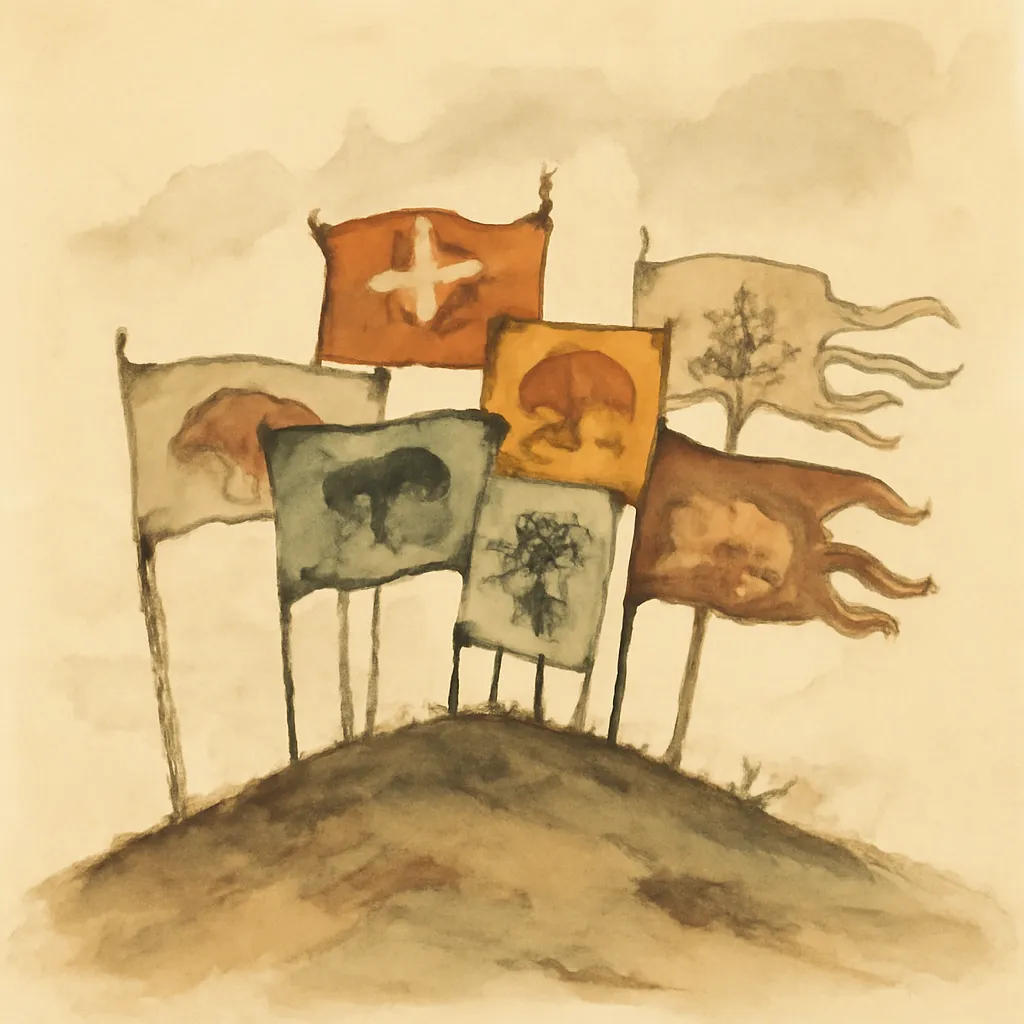
Tacitus examines the complex dynamics of cultural identity through his portrayal of the Britons and their struggle against Roman subjugation. He notes that the Britons, while initially disunited, were capable of rallying against their oppressors when they recognized their shared grievances. The leadership of figures like Boadicea exemplifies the power of cultural pride and unity in the face of oppression. Tacitus argues that the Britons’ initial submission to Roman rule was contingent upon their treatment; however, the imposition of harsh levies and tributes ignited a fierce desire for autonomy. The revolt led by Boadicea serves as a potent symbol of resistance, illustrating how cultural identity can inspire collective action against perceived injustices. Tacitus's narrative suggests that the struggle for identity is not merely a historical phenomenon but a continuing challenge that resonates through time. The resilience of the Britons in their fight for freedom emphasizes the enduring human spirit's capacity to resist tyranny, making their story relevant in today's context of cultural conflict and autonomy struggles.
6.The Impact of Military Strategy on Governance
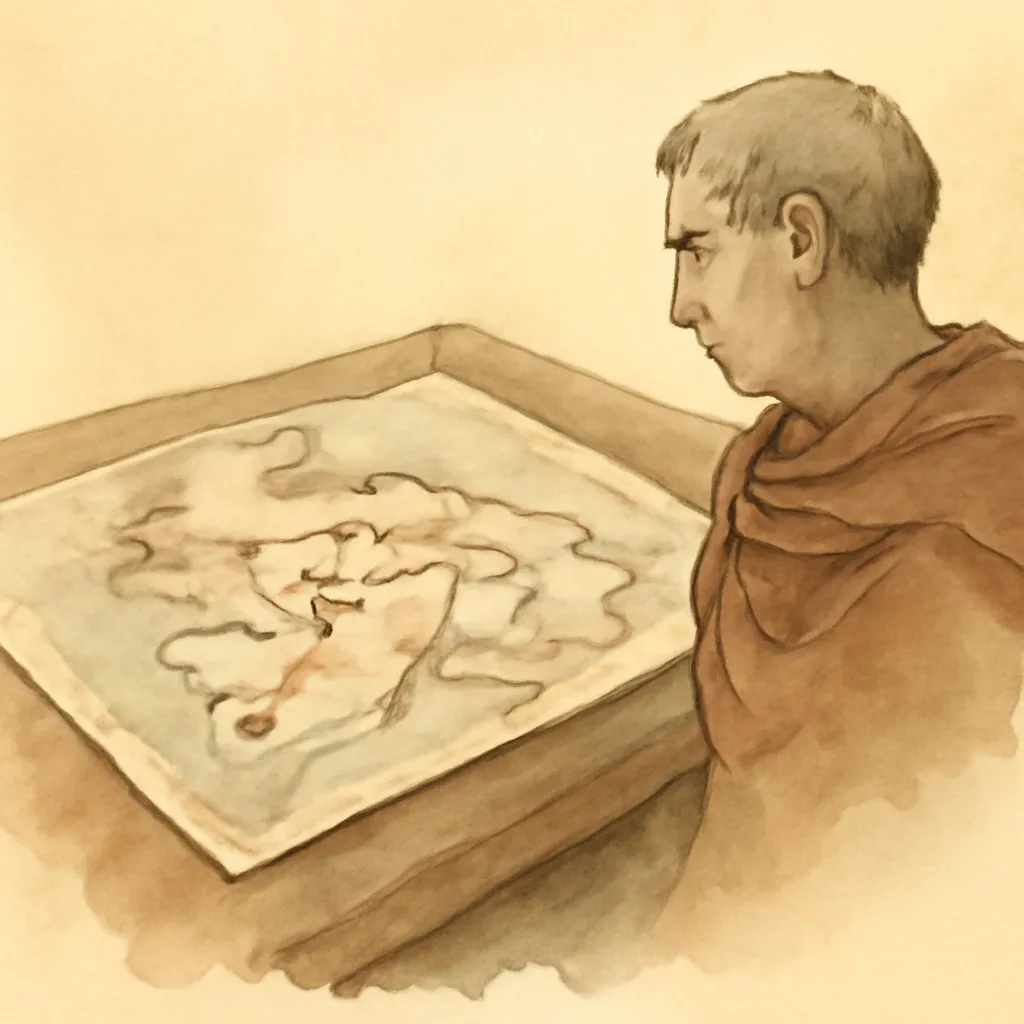
Agricola's military campaigns are not simply about conquest; they reflect a strategic understanding of governance and the complexities of subduing a diverse populace. His campaigns were characterized by careful planning and an emphasis on securing the loyalty of local tribes. Tacitus illustrates that Agricola's approach to warfare was as much about winning hearts and minds as it was about military might. By integrating local warriors into his forces, Agricola fostered a sense of belonging and collaboration. This strategy not only minimized resistance but also laid the groundwork for a more stable and cooperative governance structure. Tacitus highlights that military success must be coupled with political acumen; Agricola's victories were not solely the result of brute force but of his ability to engage with the local population thoughtfully. The recognition that military strategy should extend beyond the battlefield to include governance and diplomacy is a lesson for contemporary leaders, emphasizing the importance of holistic strategies in achieving sustainable peace.
7.Exploitation and the Roman Imperial Agenda
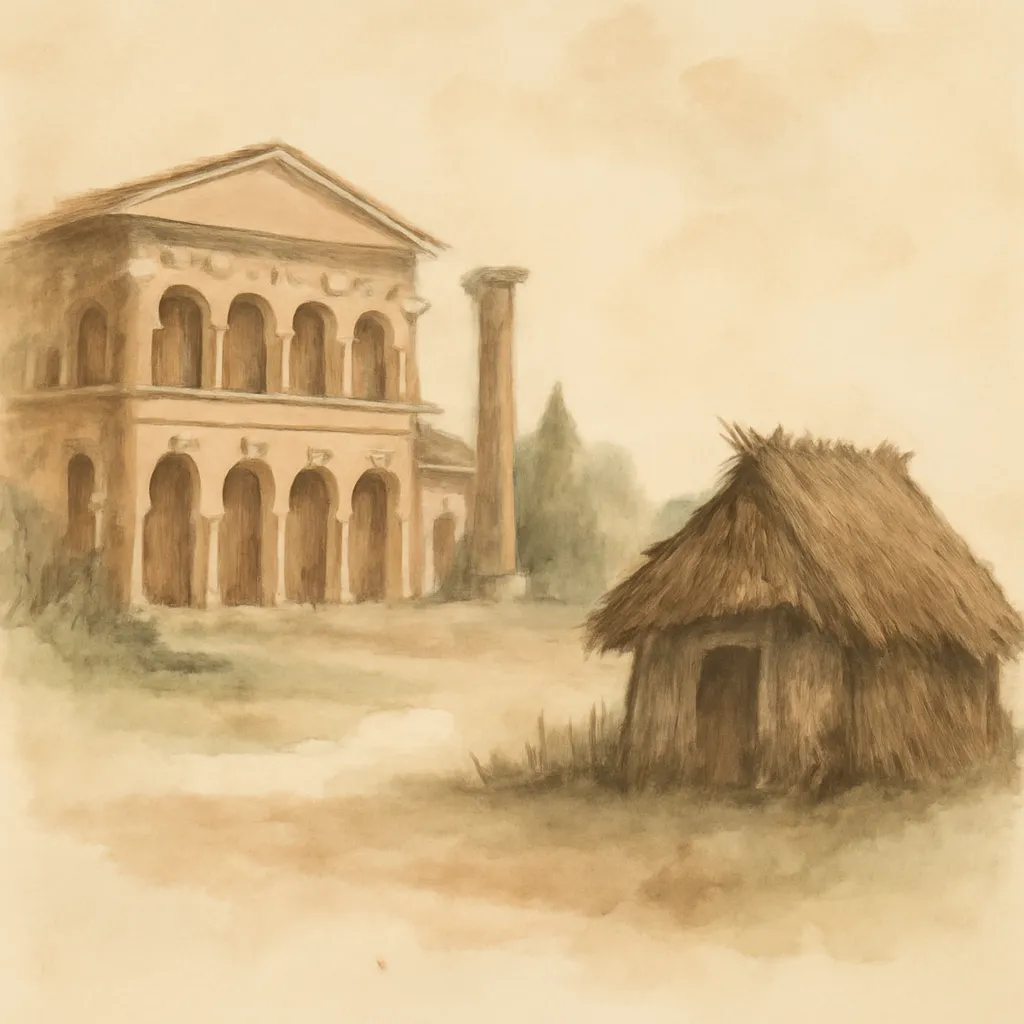
Tacitus critiques the exploitative nature of Roman imperialism, highlighting the disparity between the conquerors and the conquered. He illustrates how the Roman approach to governance often involved leveraging local leaders to enforce subjugation, thereby creating a façade of cooperation while perpetuating oppression. The story of Agricola reveals the tension between personal integrity and the overarching imperial agenda, as he navigates the expectations of the Roman elite while striving for a more humane governance. Tacitus portrays the consequences of this exploitation as detrimental not just to the oppressed but also to the moral fabric of the empire. As Agricola balances imperial duties with principles of fairness, the work reflects the broader ethical questions surrounding imperialism. This critique of exploitation serves as a poignant reminder of the moral responsibilities that come with power and the need to critically evaluate the impact of imperialistic ambitions. Tacitus’s perspective resonates in contemporary discussions about colonialism and global power dynamics, urging a reevaluation of how nations engage with each other.
8.The Fragility of Power and Reputation

Tacitus’s narrative also delves into the precarious nature of power and the reputations of those who wield it. The fear that Agricola's success could overshadow Emperor Domitian exemplifies the insecurities inherent in autocratic rule. Tacitus illustrates how those in power often resort to manipulation and intrigue to maintain their status, leading to a culture of fear and suspicion. This dynamic creates an environment where virtue is often punished, and mediocrity is rewarded. Tacitus reveals that the pursuit of reputation can overshadow genuine leadership qualities, resulting in a cycle of envy and retribution. The account serves as a cautionary reminder that the pursuit of power can corrupt, leading to the downfall of leaders who fail to prioritize the greater good over personal ambition. By demonstrating the consequences of this fragility, Tacitus prompts readers to reflect on the ethical dimensions of leadership and the importance of prioritizing integrity over mere power.
9.Legacy and Memory: The Role of Historians
Tacitus’s own role as a historian underscores the significance of memory and legacy in shaping cultural narratives. He takes on the responsibility of documenting Agricola’s life and achievements, ensuring that the virtues of his father-in-law are not lost to history. This act of remembrance is vital for countering the narratives constructed by those in power, as it preserves the stories of integrity and virtue. Tacitus’s reflections on the importance of historians serve as a reminder of the power of storytelling in shaping collective memory and identity. In a world where narratives are often manipulated for political gain, the work of historians becomes crucial in safeguarding truth and promoting a more nuanced understanding of the past. By emphasizing the duty of historians to present an accurate and balanced account, Tacitus advocates for a broader awareness of history's role in influencing present and future generations.