Fiction
The Germany and the Agricola of Tacitus by Cornelius Tacitus — Summary, Key Ideas & Full Text
158 pages34 chapters3h 10m read2h 15m speed read✦ 9-min Big ideasFree · no account
Rate it
Tacitus's insights on governance and the clash of cultures illuminate the complexities of power, identity, and resistance in ancient Rome
In 'The Germany and the Agricola of Tacitus', the historian presents a captivating look into Roman imperialism and the character of its notable figures. Through the lens of Agricola's governorship in Britain and an exploration of the Germanic tribes, Tacitus sheds light on the virtues and vices of leadership, the struggles of subjugated peoples, and the intricate dynamics of cultural identity. This work transcends mere historical account, inviting readers to reflect on the nature of power and the human condition. Tacitus’s prose is not only a record of events but a profound commentary on morality, virtue, and the consequences of tyranny. Through his vivid depictions, readers gain a deeper understanding of how the past informs contemporary discussions about governance and cultural conflict.
Tacitus's 'The Germany and the Agricola' stands as a profound exploration of power, governance, and cultural identity during a tumultuous period in history. Through the lens of Agricola's life and the experiences of the Britons, Tacitus offers timeless insights into the nature of leadership, the importance of virtue, and the complexities of imperialism. His reflections challenge readers to consider the ethical dimensions of power and the responsibilities that come with it. In a world where the lessons of history often repeat, Tacitus’s work serves as a critical reminder of the enduring struggle for liberty and the significance of preserving the narratives of those who resist oppression. Ultimately, this text invites a deeper understanding of the past and its implications for the present and future.
“We gave, indeed, a consummate proof of our patience; and as remote ages saw the very utmost degree of liberty, so we, deprived by inquisitions of all the intercourse of conversation, experienced the utmost of slavery.”
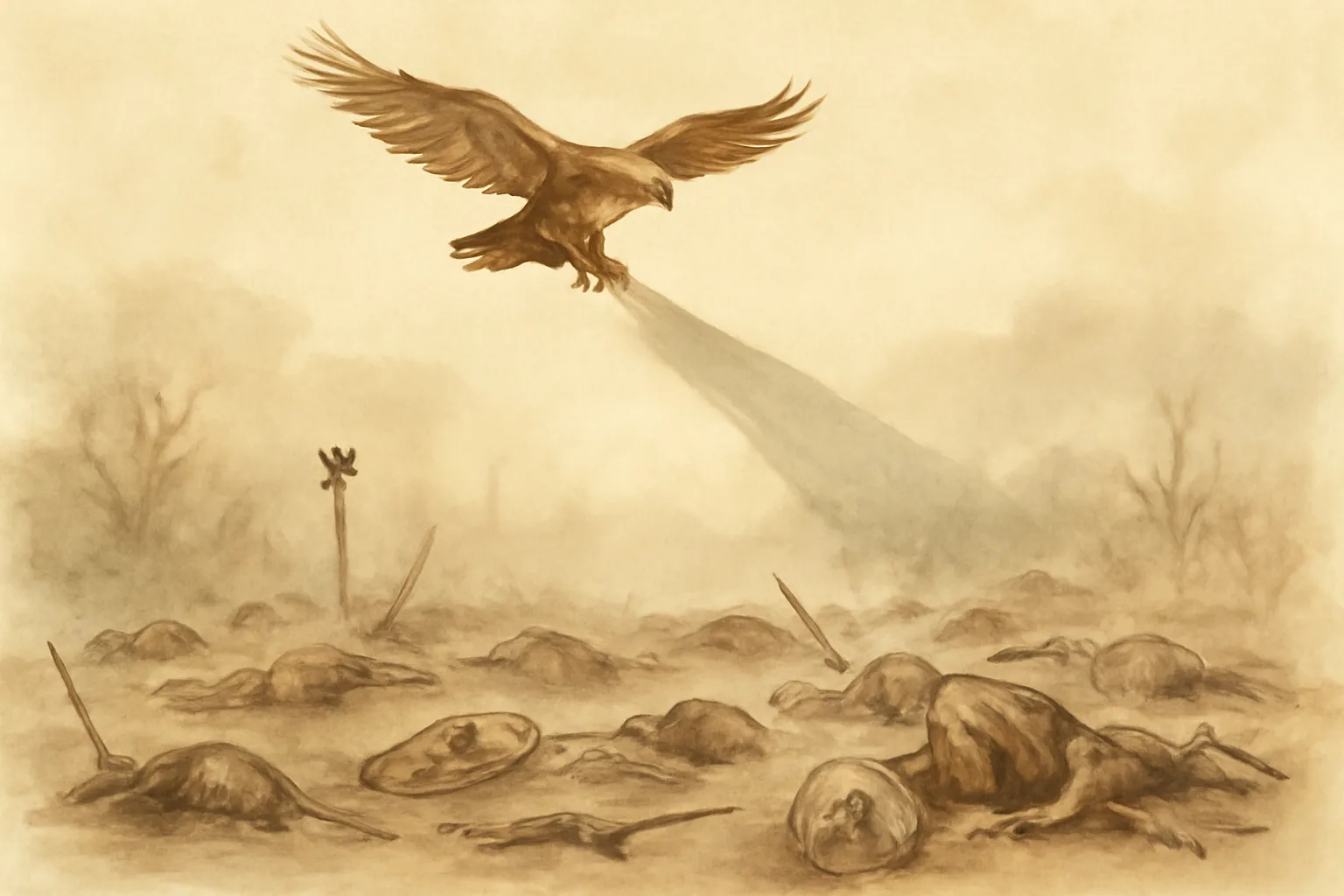
“To ravage, to slaughter, to usurp under false titles, they call empire; and where they make a desert, they call it peace.”
“The valor too and unsubmitting spirit of subjects only render them more obnoxious to their masters.”
Read Cornelius Tacitus's work free on Lumina — the complete text plus an 8-minute summary and key ideas, no account needed