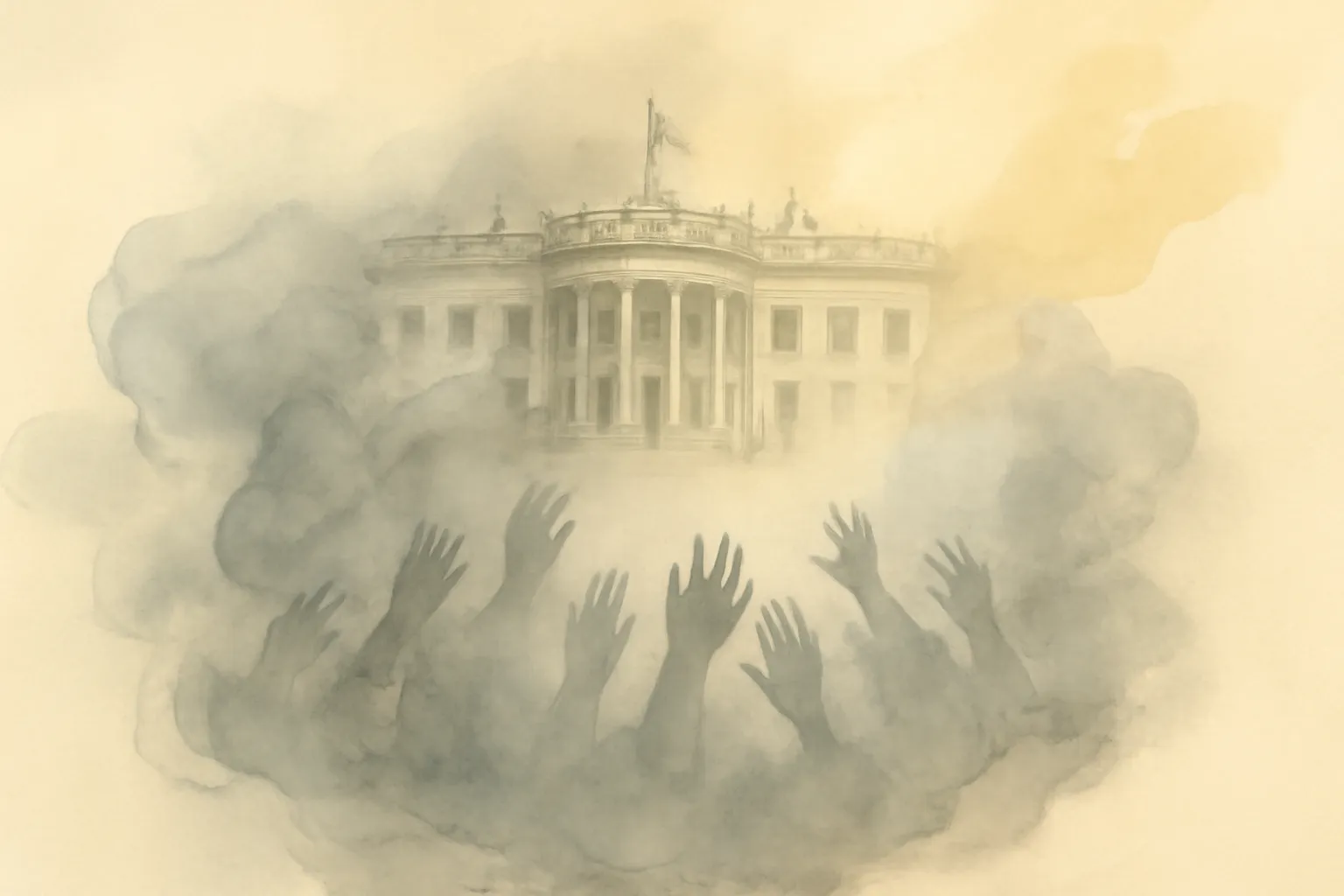
1.The Ghost of the People: A Haunting Presence

Lee starts by addressing the metaphor of the 'ghost' haunting the White House, representing the collective will of the people. This ghost is not a tangible entity but rather an abstract notion of democracy that often leaves the President feeling isolated and disconnected from the very citizens he is meant to represent. For Lee, the President must navigate the complexities of public opinion, which is frequently a vague and indistinct presence, rather than a clear and coherent voice. This disconnect leads to a sense of loneliness for the President, who must make decisions based on a generalized 'people' rather than the specific needs and desires of individual citizens. Lee argues that this situation creates a barrier to meaningful communication and action, emphasizing the need for a stronger, more articulated presence of the populace in the political process. He stresses that the ghostly nature of the public voice not only diminishes the President's effectiveness but also alienates citizens from the political process, making them feel as if their thoughts and desires are inconsequential.
2.Reclaiming the Power of the People

One of the central themes of Lee's work is the idea that the people must reclaim their power in a democracy that has allowed itself to become dominated by politicians and bureaucratic systems. He suggests that citizens of America should feel as important as the political elite, proposing that a hundred million voices can make a substantial difference. Lee encourages readers to think of themselves as active participants in democracy rather than passive observers, emphasizing the importance of individual agency and collective action. The author articulates that by engaging in the political process, expressing their desires, and holding leaders accountable, citizens can transform the abstract concept of 'the people' into a living force that influences decision-making. This empowerment is crucial for a healthy democracy, as it fosters a sense of ownership and responsibility among the populace, enabling them to work collaboratively towards common goals. Lee's call for action resonates deeply in the context of a political landscape often perceived as unresponsive, reminding citizens of their intrinsic power to shape the direction of governance.
3.The Rights of Citizens in a Democracy

Lee outlines several rights that every citizen should expect in a democratic society, emphasizing the right to think, the right to be waited on, and the right to whisper. The right to think is foundational; it allows individuals to form their own opinions and beliefs without fear of suppression. The right to be waited on highlights the expectation that government should cater to the needs of its citizens, ensuring that their voices are heard and their needs met. Lee's emphasis on the right to whisper speaks to the importance of free expression in a democracy, allowing citizens to share their thoughts without fear of retribution. Collectively, these rights form a framework for how citizens should interact with their government and assert their influence, making it clear that they are not just subjects of governance but active participants in shaping their society. Lee argues that acknowledging these rights is essential for fostering a culture of engagement, where citizens feel empowered to voice their concerns and aspirations, thus enriching the democratic process.
4.The Importance of Self-Expression

Lee emphasizes the significance of self-expression as a vital component of democracy. He posits that when citizens feel empowered to express themselves, they contribute to a more vibrant and dynamic political landscape. The text highlights that self-expression should not be stifled by societal norms or political pressures; rather, it should be encouraged and celebrated. This idea extends to the notion that each individual's voice adds to the collective narrative of the nation. By sharing their experiences, ideas, and aspirations, citizens can create a richer dialogue with their leaders, fostering a sense of community and shared purpose. Lee also discusses the transformative power of narratives, arguing that personal stories can bridge the gap between the electorate and their representatives. By encouraging citizens to articulate their stories and perspectives, democracy becomes more inclusive, reflecting the diverse voices that comprise the nation. Lee’s advocacy for self-expression serves as a call to action for individuals to step forward and engage in the democratic process, thereby making their voices heard and validated.
5.Building a National Listening Machine
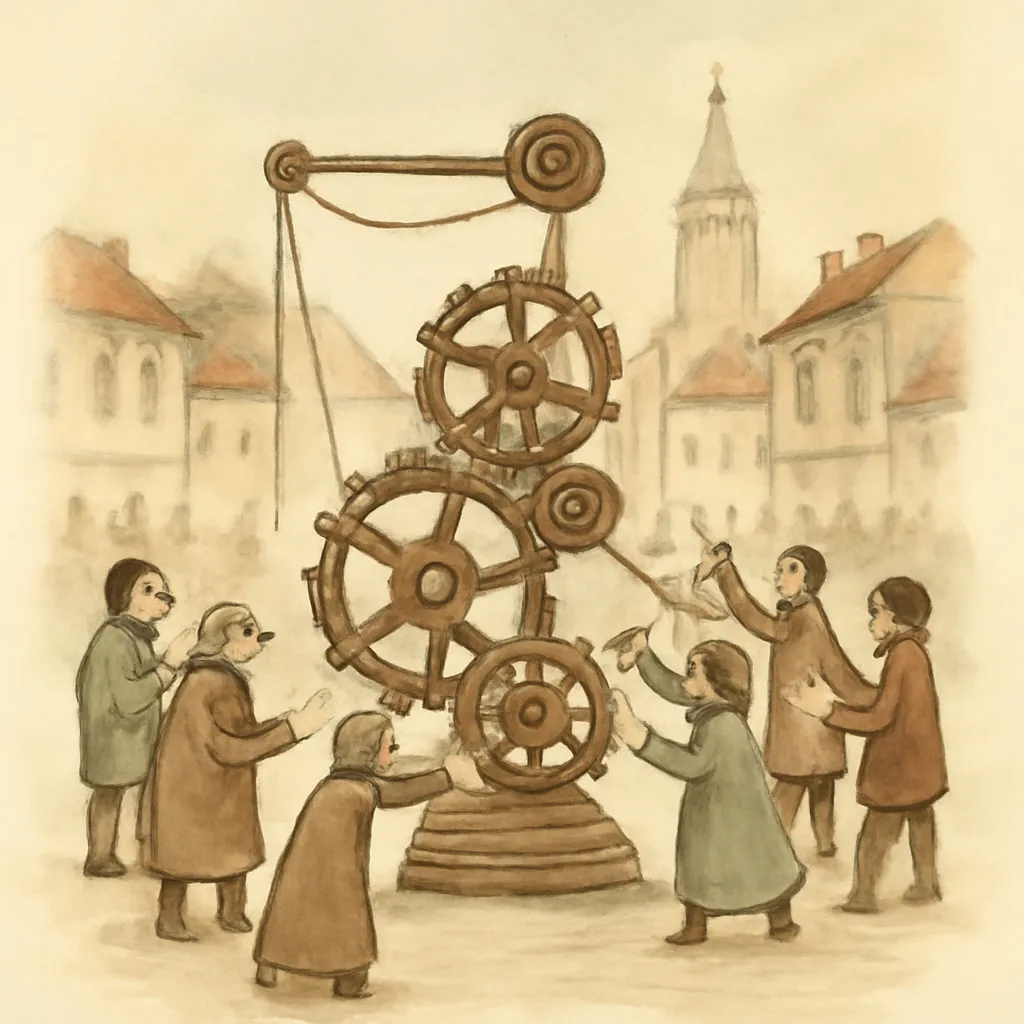
A key proposition in Lee's vision is the concept of a 'national listening machine'—a system through which the government actively listens to its citizens. This machine would facilitate communication between the populace and their leaders, ensuring that the voices of the people are not only heard but also acted upon. Lee suggests that such a mechanism could take various forms, including town halls, public forums, and digital platforms, all designed to encourage dialogue and feedback. By creating an infrastructure that prioritizes listening, the government can better understand the needs and desires of its citizens, leading to policies that reflect the true will of the people. This approach would bridge the gap between the President and the electorate, fostering a more collaborative and responsive political environment. Lee emphasizes that a listening machine is not merely a passive conduit for complaints but an active engagement tool that can shape policy and governance, allowing citizens to feel invested in the democratic process.
6.The Role of the President as a Connector
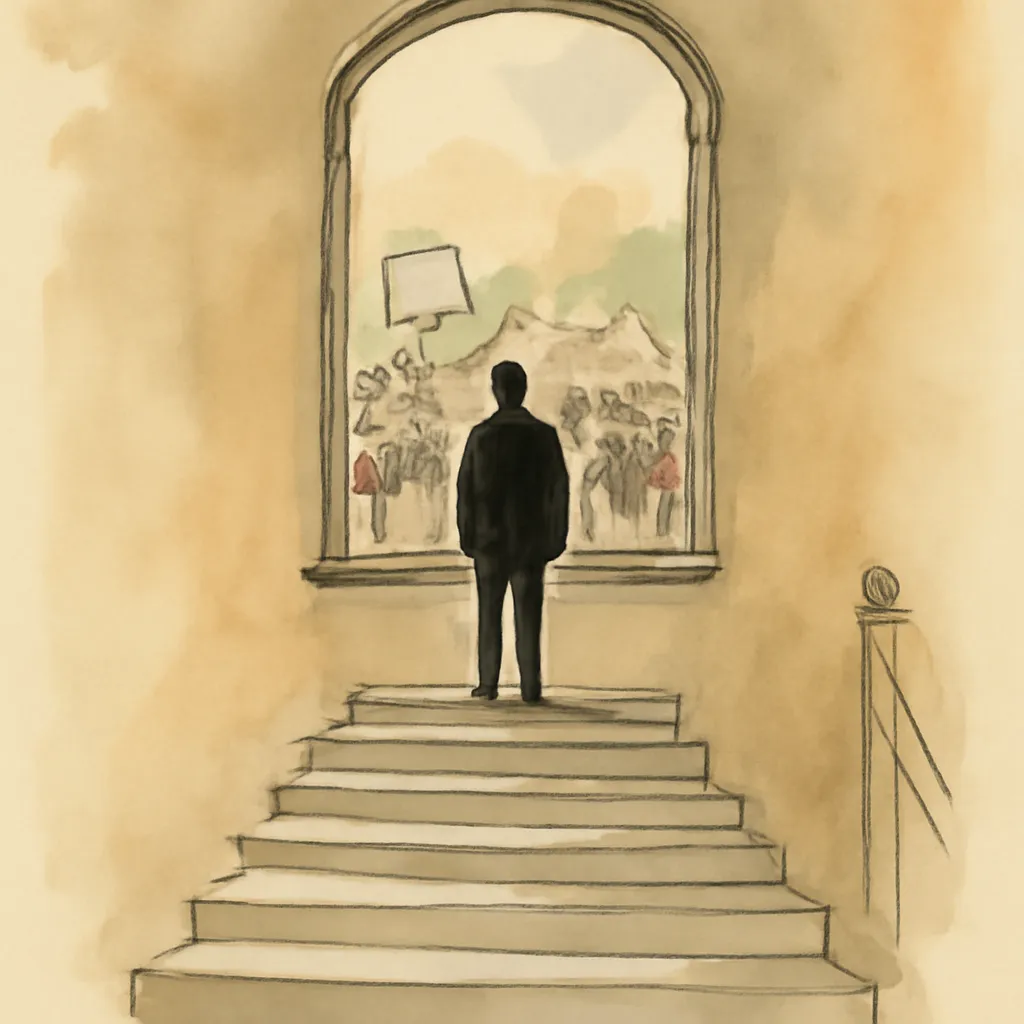
Lee portrays the President as the 'big brother' of the people, a figure who should embody the collective aspirations of the nation. This role requires the President to not only lead but also to connect with citizens on a personal level. The President must recognize that they are a representative of the people and that their decisions have real consequences for the lives of individuals. Lee argues that an effective leader should actively seek to understand the concerns of their constituents, making an effort to engage with them directly. This connection can be fostered through transparency, open communication, and a willingness to listen. By embracing this role, the President can help to demystify the political process and encourage citizens to participate more fully. Lee emphasizes that this relationship is reciprocal; as the President connects with the people, the people must also commit to engaging with their leaders, fostering a mutual sense of responsibility and partnership in governance.
7.Democracy as a Living Entity

Lee conceptualizes democracy as a living entity that requires nurturing and care from its citizens. He posits that democracy is not merely a system of government but a dynamic process that evolves with the participation of the people. This perspective emphasizes the importance of civic engagement, as citizens must actively work to sustain and improve their democratic institutions. Lee's argument highlights the idea that democracy thrives when individuals take ownership of their rights and responsibilities. He illustrates this point by discussing historical examples where active citizen engagement has led to significant social change, showcasing the transformative power of collective action. By recognizing their role in shaping the democratic process, citizens can contribute to a more equitable and just society. This nurturing of democracy involves not only voting but also advocacy, community involvement, and holding leaders accountable, ultimately leading to a more robust and resilient democratic landscape.
8.The Technique of Getting One's Way

Lee introduces the concept of a technique that individuals can use to effectively advocate for their needs and desires within the political system. He suggests that understanding how to navigate the complexities of government and public opinion is crucial for getting one's way. This technique involves recognizing the importance of communication, persuasion, and coalition-building. Lee provides practical strategies for citizens to employ, such as organizing community groups, leveraging social media for outreach, and engaging in conversations that bridge divides. By working collaboratively with others who share similar goals, individuals can amplify their voices and increase their chances of influencing policy. Lee emphasizes that this technique is not just for the elite or well-connected; rather, it is accessible to all citizens who are willing to engage and advocate for their interests. This approach empowers individuals to take action and make a tangible impact on the political landscape, reinforcing the idea that democracy is participatory and requires proactive involvement.
9.The Call for National Rebirth
In the latter part of the book, Lee calls for a national rebirth, urging citizens to awaken to their potential and embrace their role in shaping the future of the nation. He argues that this rebirth involves recognizing the power of collective action and the importance of unity in pursuing common goals. Lee envisions a future where citizens come together to address pressing issues, fostering a sense of solidarity and shared purpose. This call for rebirth is not merely aspirational; it is a practical invitation for individuals to engage in the democratic process and work towards meaningful change. By embracing this vision, citizens can transform their frustrations into constructive action, ultimately leading to a revitalization of democracy. Lee emphasizes that this rebirth is a collaborative effort that requires each person to contribute their skills, perspectives, and passion towards creating a better society, embodying the very spirit of democracy.