1.The Burden of Secrets

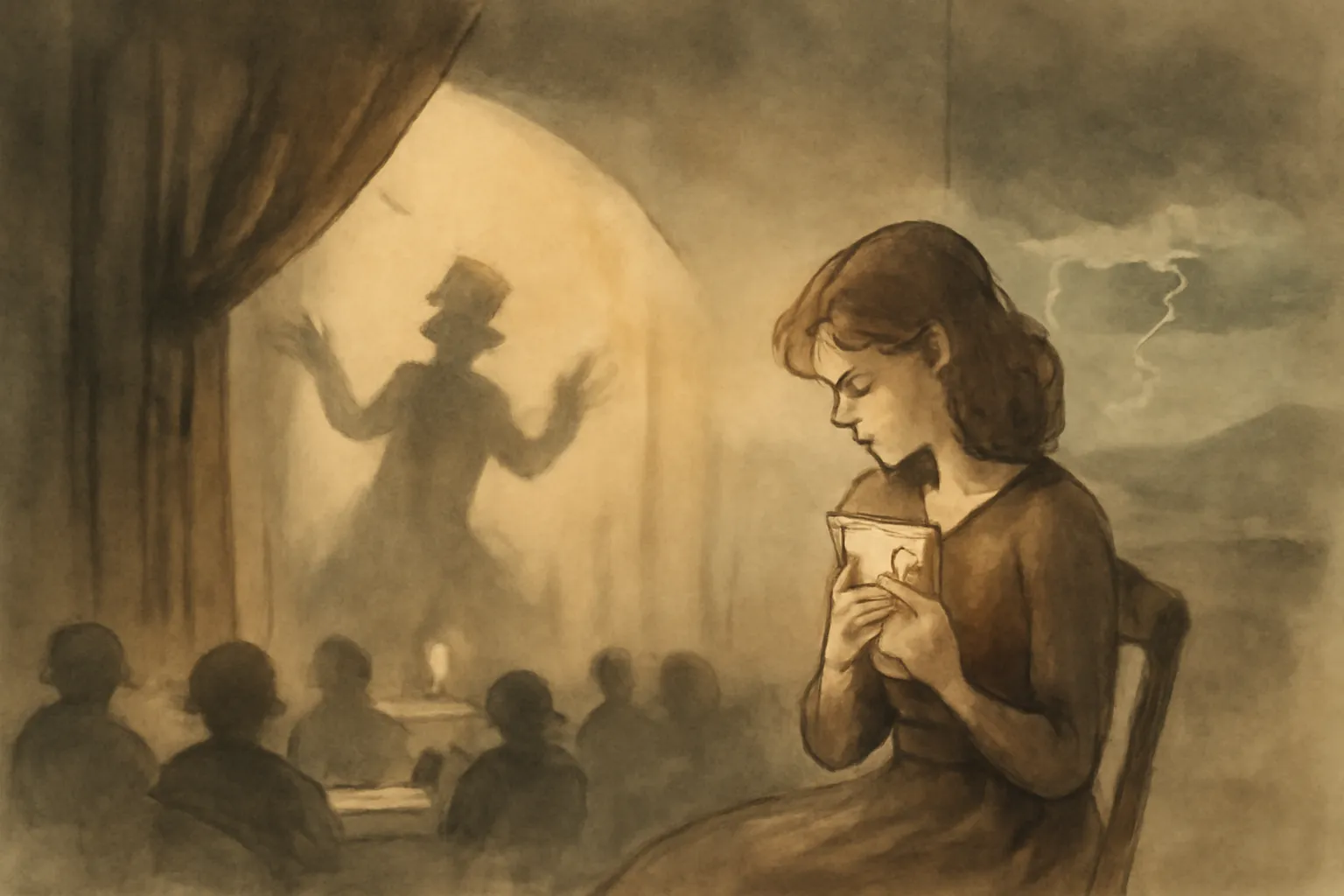
At the heart of 'The Girl Philippa' lies the theme of secrets and the heavy burden they impose on individuals. The protagonist, Philippa, carries not just her own secrets but also those imposed by her association with the cabaret where she works. This duality creates an internal struggle—she is torn between her loyalty to her employer and her growing awareness of the moral implications of her actions. The narrative illustrates how secrets can isolate individuals, leading to a profound sense of loneliness and fear. Philippa’s secretive role as an informer places her in a precarious position, as she must navigate the murky waters of espionage while grappling with her growing disdain for the act itself. The weight of these hidden truths shapes her interactions with others, creating an emotional chasm that distances her from genuine connections. This theme of secrecy and its consequences resonates throughout the narrative, compelling readers to reflect on the impact of hidden truths in their own lives.
2.Love in the Time of War
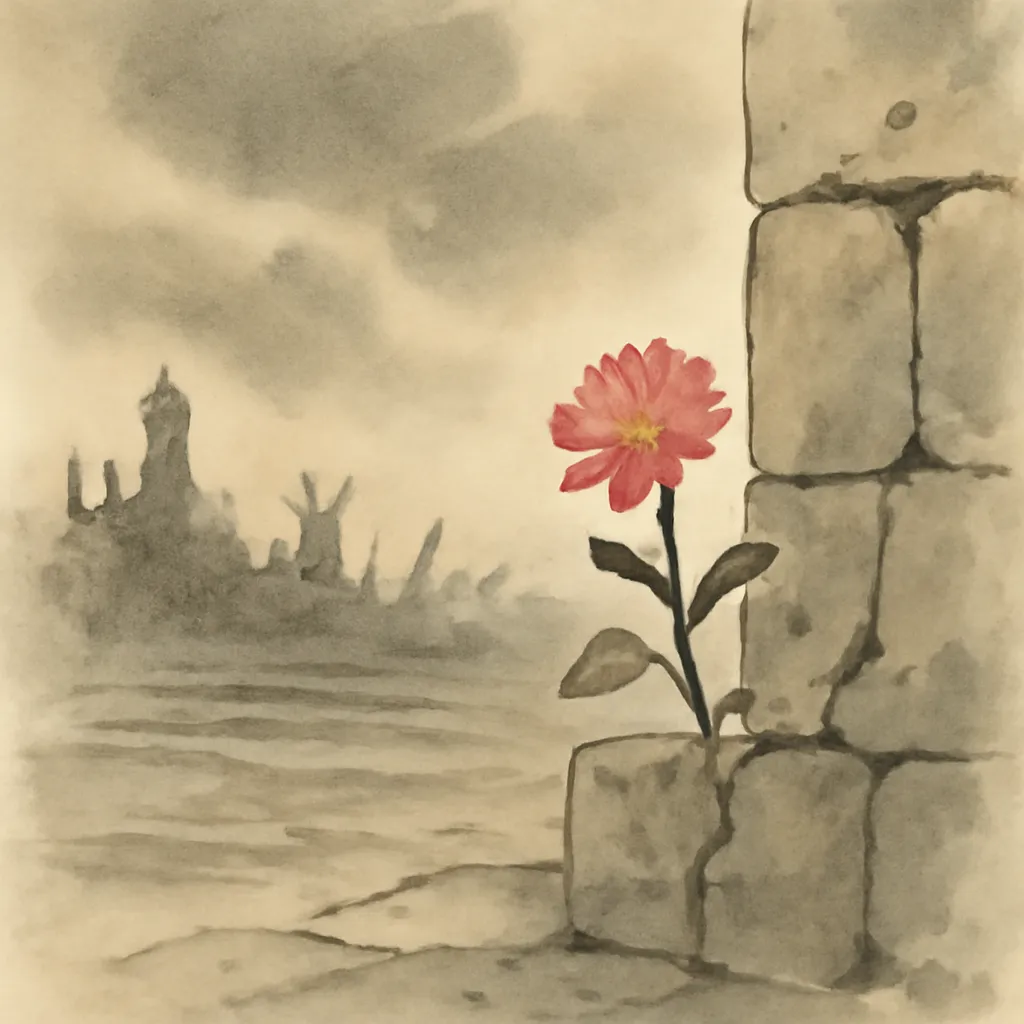
Romantic relationships in the novel are deeply intertwined with the looming threat of war. Philippa's interactions with characters like Warner and Halkett reveal the complexities of love when overshadowed by external crises. Their budding relationships are marked by moments of tenderness and connection, but also by the ever-present specter of conflict. The urgency of their emotions is amplified by the uncertainty of the future, showcasing how love can flourish even in the most challenging circumstances. Chambers crafts poignant scenes where public and private lives collide, emphasizing the fleeting nature of happiness amidst the chaos. For example, the moments when Philippa shares laughter and joy with Warner are contrasted sharply with the grim realities of their world. The characters' romantic entanglements serve as both a refuge and a source of anxiety as they confront the possibility of loss. This duality enriches the narrative, providing depth to the characters' motivations and fears, reminding readers that love can be both a source of strength and a vulnerability in times of turmoil.
3.Espionage and Moral Dilemmas

The novel delves into the world of espionage, highlighting the moral dilemmas faced by those involved in secretive operations. Philippa's role as an informer complicates her character, as she navigates the fine line between duty and betrayal. The story challenges readers to consider the ethical implications of espionage, particularly in a time of war. Characters must confront their own values and the consequences of their actions, leading to moments of tension and conflict. As Philippa grapples with her duties, the reader is privy to her internal struggle; her growing disillusionment with the espionage world is palpable. The narrative raises poignant questions about loyalty and betrayal, forcing the characters to evaluate their allegiances—whether to their country, their friends, or their own moral compass. The exploration of this theme invites readers to critically engage with the concept of duty in a complex geopolitical landscape, ultimately challenging them to consider what sacrifices are justified in the name of a greater good.
4.The Complexity of Friendship

Friendships in 'The Girl Philippa' are multifaceted and often fraught with tension. The camaraderie between Warner, Halkett, and Philippa showcases the importance of trust and loyalty, especially in precarious times. However, the novel also illustrates how friendship can be tested by secrets and differing priorities. As the characters face external threats, their relationships evolve, revealing vulnerabilities and strengths. The evolving dynamics are particularly evident in the interactions between Warner and Halkett, who share a brotherly bond yet grapple with their own individual fears and motivations. Their contrasting approaches to danger and duty add richness to the narrative, demonstrating that friendship can be a source of both support and conflict. Chambers skillfully portrays these friendships, revealing that true companionship requires navigating misunderstandings, sacrifices, and the willingness to stand by one another amidst chaos. This exploration of friendship adds a layer of complexity to the story, reminding readers that relationships are often intricate tapestries woven from both joy and struggle.
5.The Role of Women in Society
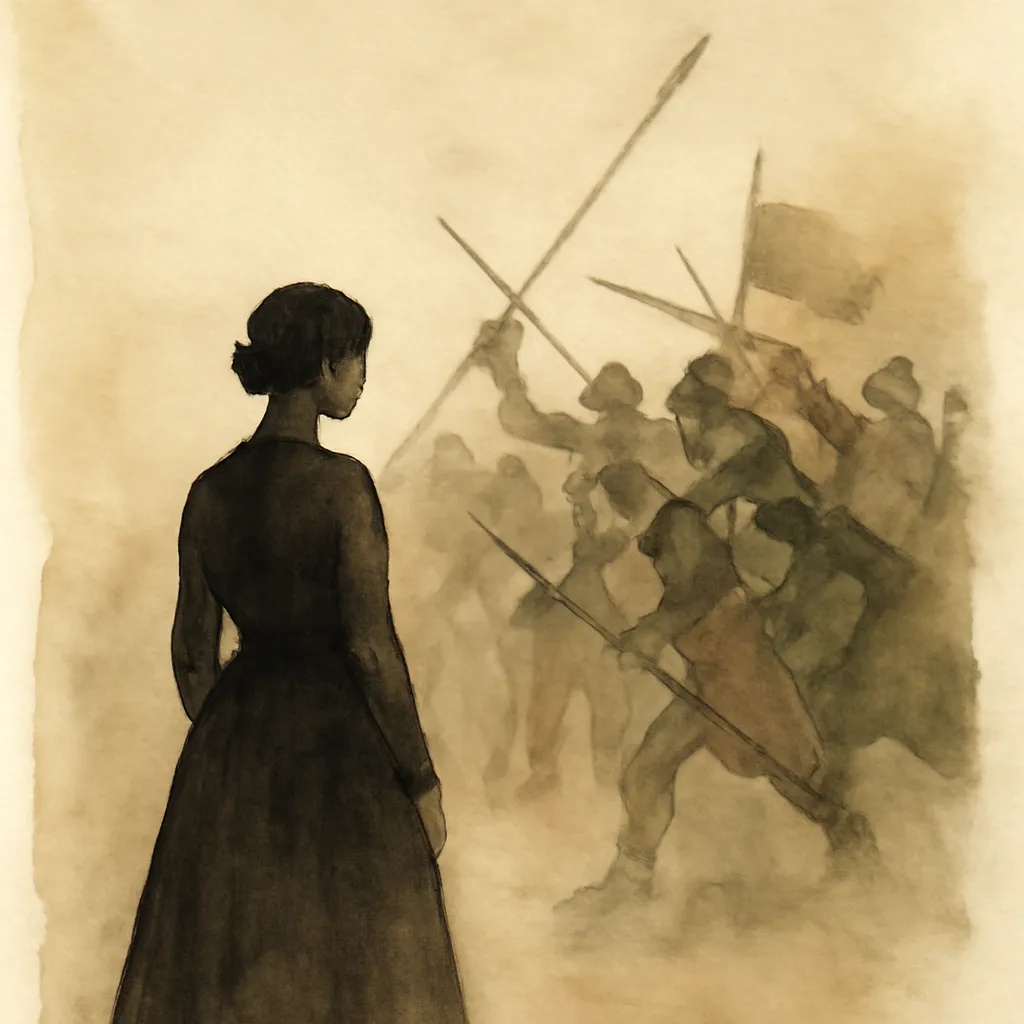
Chambers portrays women in 'The Girl Philippa' as strong, complex characters who defy traditional gender roles. Philippa, in particular, embodies resilience and agency, navigating a male-dominated world with determination. Her character challenges societal expectations, as she takes on responsibilities that go beyond mere domesticity. This portrayal is significant in the context of the early 20th century, as women were beginning to assert their independence and seek roles outside the home. Through Philippa's journey, the narrative reflects the broader societal changes occurring during this period, emphasizing women's contributions to both the domestic sphere and the public arena. Chambers instills in Philippa a sense of autonomy, showcasing her determination to carve her own path amidst the chaos around her. This exploration of femininity highlights the strength of women and their ability to effect change, reinforcing the idea that their roles extend far beyond societal expectations. Philippa’s resilience exemplifies the emerging narrative of women as agents of their own destinies.
6.The Impact of War on Innocence
The impending war serves as a catalyst for the characters' transformation, particularly in how it affects their innocence. Philippa and her friends are initially depicted as youthful and carefree, enjoying moments of levity amidst the pre-war tensions. However, as the narrative unfolds, the specter of war intrudes upon their lives, stripping away their innocence and forcing them to confront harsh realities. Chambers skillfully illustrates this transition, capturing the loss of naivety as characters are compelled to make difficult choices. The impact of war is not just on the battlefield; it permeates personal lives, reshaping identities and relationships. For instance, the carefree outings and joyous interactions that once defined their lives become overshadowed by the grim realities of espionage and danger. This theme resonates with readers, evoking empathy for those whose lives are irrevocably altered by the forces of conflict. The juxtaposition of innocence lost with the harshness of adult responsibilities serves as a poignant reminder of the far-reaching consequences of war.
7.Nature as a Refuge
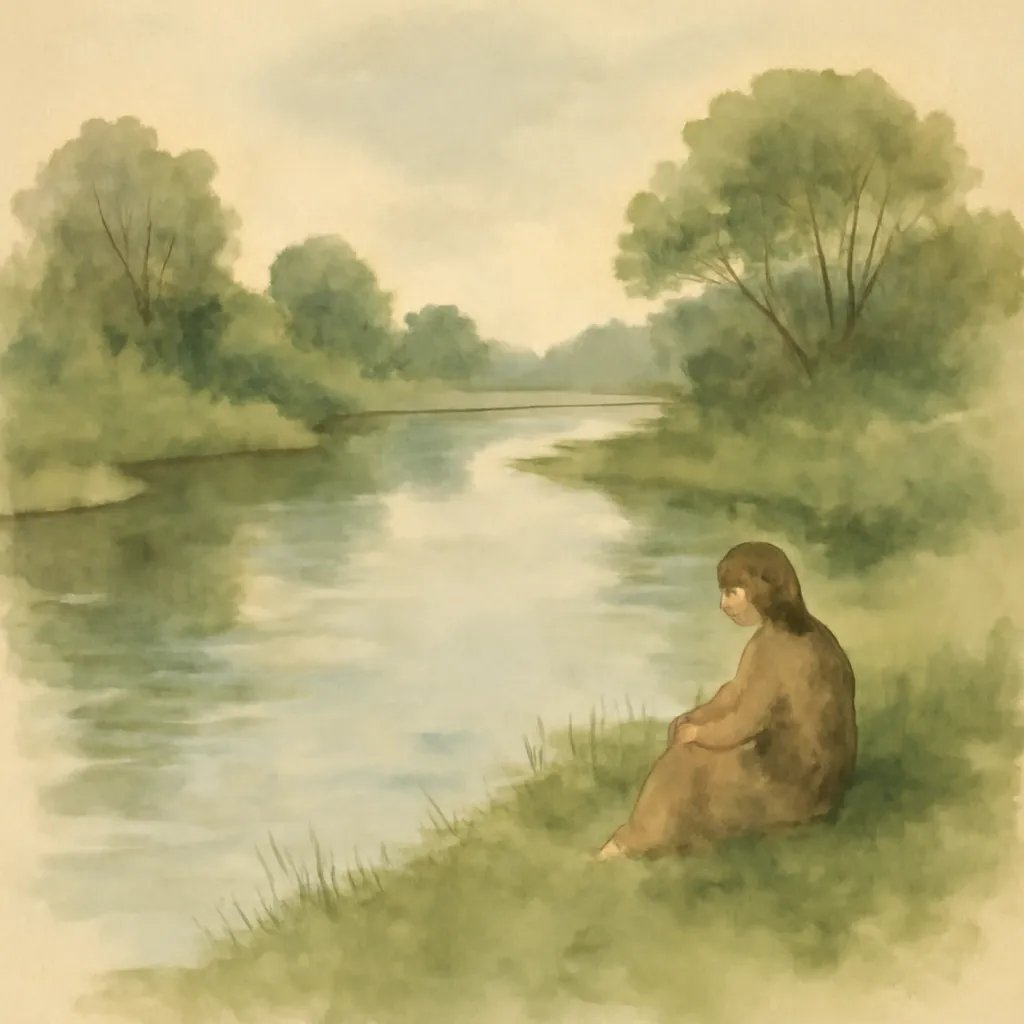
Throughout the novel, nature serves as a poignant backdrop and a refuge for the characters. The descriptions of the idyllic landscapes, rivers, and meadows provide a stark contrast to the chaos of war. For Philippa, moments spent in nature represent a temporary escape from her burdens and uncertainties. Chambers employs vivid imagery to evoke the beauty of the natural world, emphasizing its role as a source of solace and inspiration. These scenes highlight the characters' longing for peace amidst turmoil, reinforcing the idea that nature can offer comfort and clarity. The serene descriptions of the countryside and its beauty provide a necessary counterpoint to the darkening clouds of war. As the characters seek solace in nature, the narrative invites readers to reflect on the restorative power of the natural world, suggesting that amidst the chaos of human conflict, there exists a realm of beauty and tranquility untouched by human struggles.
8.Courage and Sacrifice
Courage emerges as a central theme in 'The Girl Philippa,' manifesting in various forms among the characters. Philippa's bravery is evident in her willingness to confront danger, whether through her role as an informer or her decisions to protect those she cares about. The novel illustrates that courage is not merely the absence of fear but the resolve to act in the face of it. Characters must grapple with the sacrifices they make for their beliefs and loved ones, often placing themselves in perilous situations. For example, Philippa's willingness to face the consequences of her actions in the name of loyalty showcases a profound sense of duty. Chambers effectively portrays the nuanced nature of courage, revealing that it can take many shapes, from grand gestures to quiet acts of defiance. This exploration inspires readers to reflect on their own definitions of bravery and the sacrifices they are willing to make for the people and causes they hold dear.
9.Identity and Belonging

The search for identity and a sense of belonging resonates throughout 'The Girl Philippa,' particularly in the context of war and societal upheaval. Characters like Philippa navigate their identities as they confront the expectations placed upon them by society, family, and their own aspirations. The narrative raises questions about what it means to belong in a world where allegiances are tested, and personal desires often conflict with collective responsibilities. Philippa's journey reflects this struggle, as she seeks to define herself beyond the roles assigned to her. Chambers delves into the complexities of identity, emphasizing that it is shaped by experiences, choices, and relationships. The exploration of belonging invites readers to reflect on their own identities and the influences that shape them. This theme is particularly relevant in a world facing rapid change, highlighting the importance of understanding oneself amidst external pressures and expectations.