1.The Weight of Grief
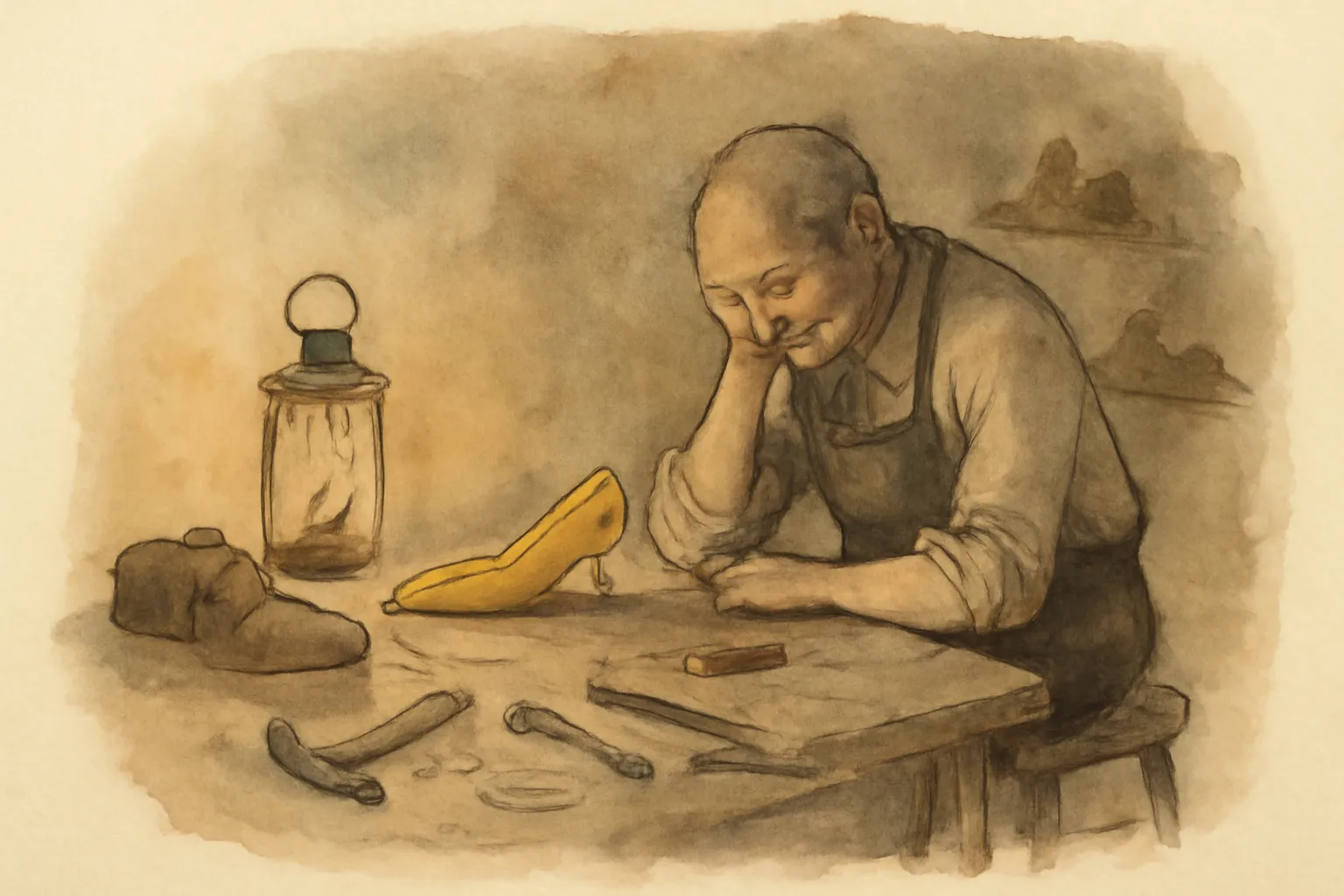
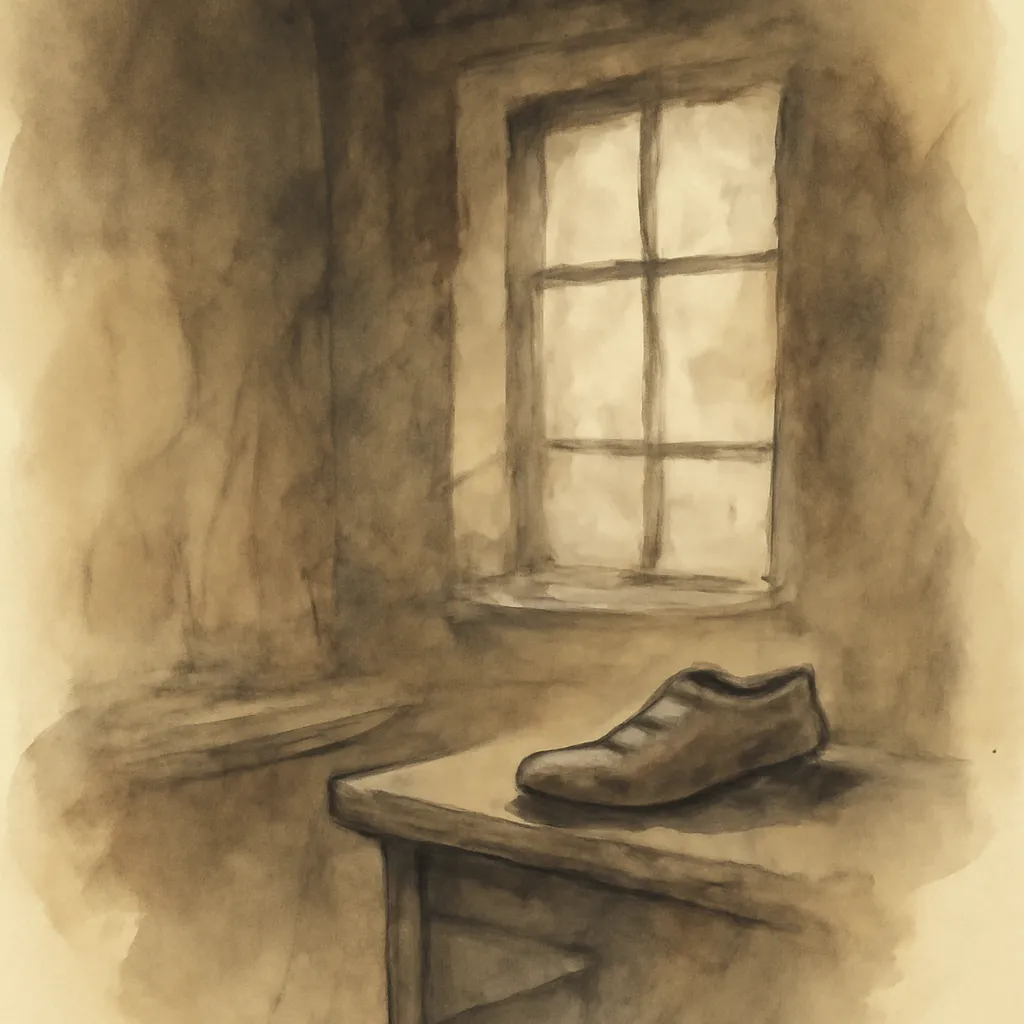
The story opens with 'Cobbler' Horn grappling with the impending loss of his wife, a poignant reminder of the fragility of life. As he works diligently in his cobbler shop, he reflects on the happiness they shared and the sorrow that now envelops him. His commitment to finishing a pair of boots for a customer, even in the face of his wife's death, showcases his unwavering dedication and sense of duty. This duality of grief and responsibility illustrates the emotional turmoil many face when balancing personal loss with external obligations. Horn's sorrow is palpable, yet it is devoid of bitterness; he does not question why misfortune has befallen him but instead accepts his fate with a heavy heart, setting the stage for his character's resilience. The intense emotions surrounding loss not only inform Horn's actions but also shape the environment in which his daughter Marian is raised, highlighting how grief can permeate a household and impact the next generation.
2.The Role of Aunt Jemima
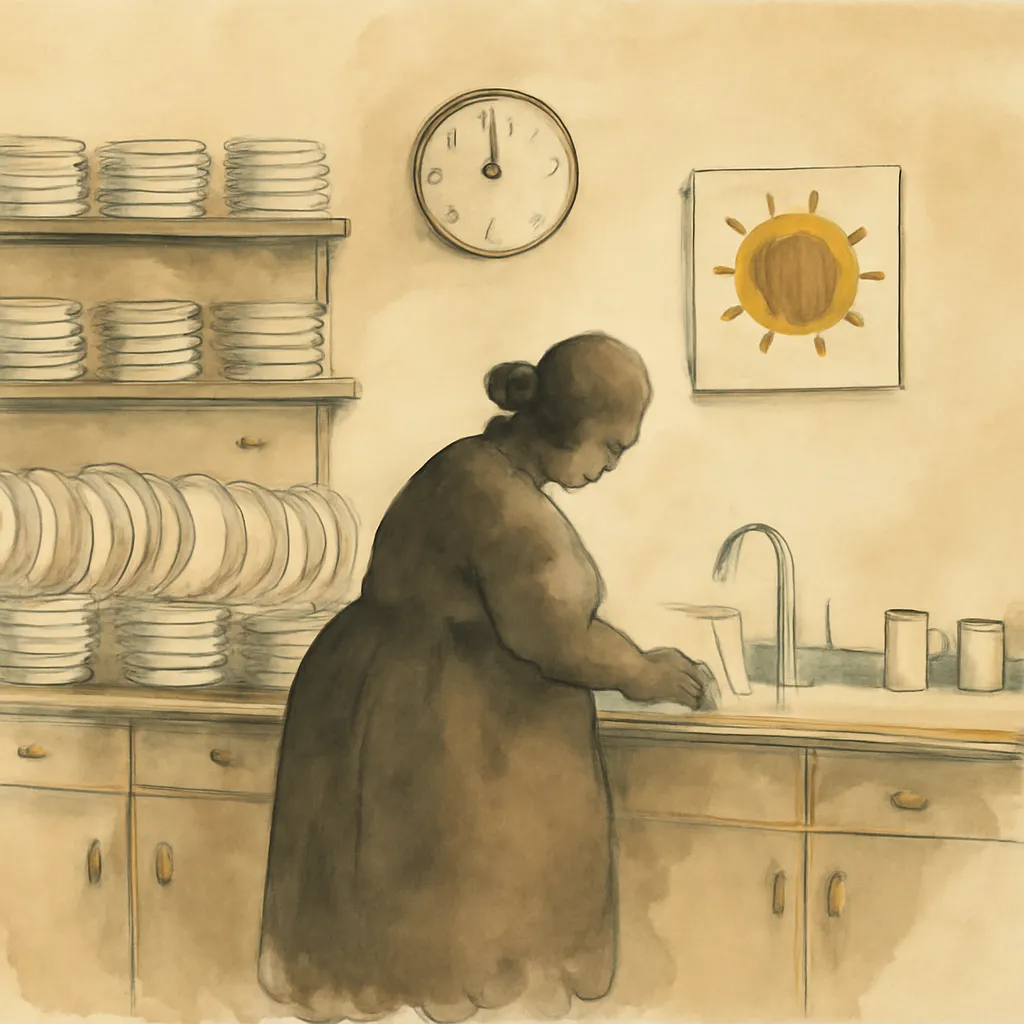
Aunt Jemima's arrival after the death of Horn's wife introduces a new layer of complexity to the household dynamics. Though she aims to help, her strict and oppressive nature creates an atmosphere of discomfort and fear for young Marian. Her insistence on cleanliness and order becomes a means of control, stripping away the warmth and joy from the home. The conflict between Horn and his sister highlights the theme of familial obligation versus personal freedom, as he struggles to maintain a sense of normalcy for his daughter amid Jemima's tyranny. This battle for Marian's well-being underscores the importance of nurturing environments for children, as Aunt Jemima's harsh methods lead to resentment and unhappiness. Furthermore, Aunt Jemima's character serves as a critique of how societal expectations of women during the time can manifest in harmful ways, particularly when a woman feels the need to exert control in the absence of a male figure.
3.The Struggle for Child Happiness
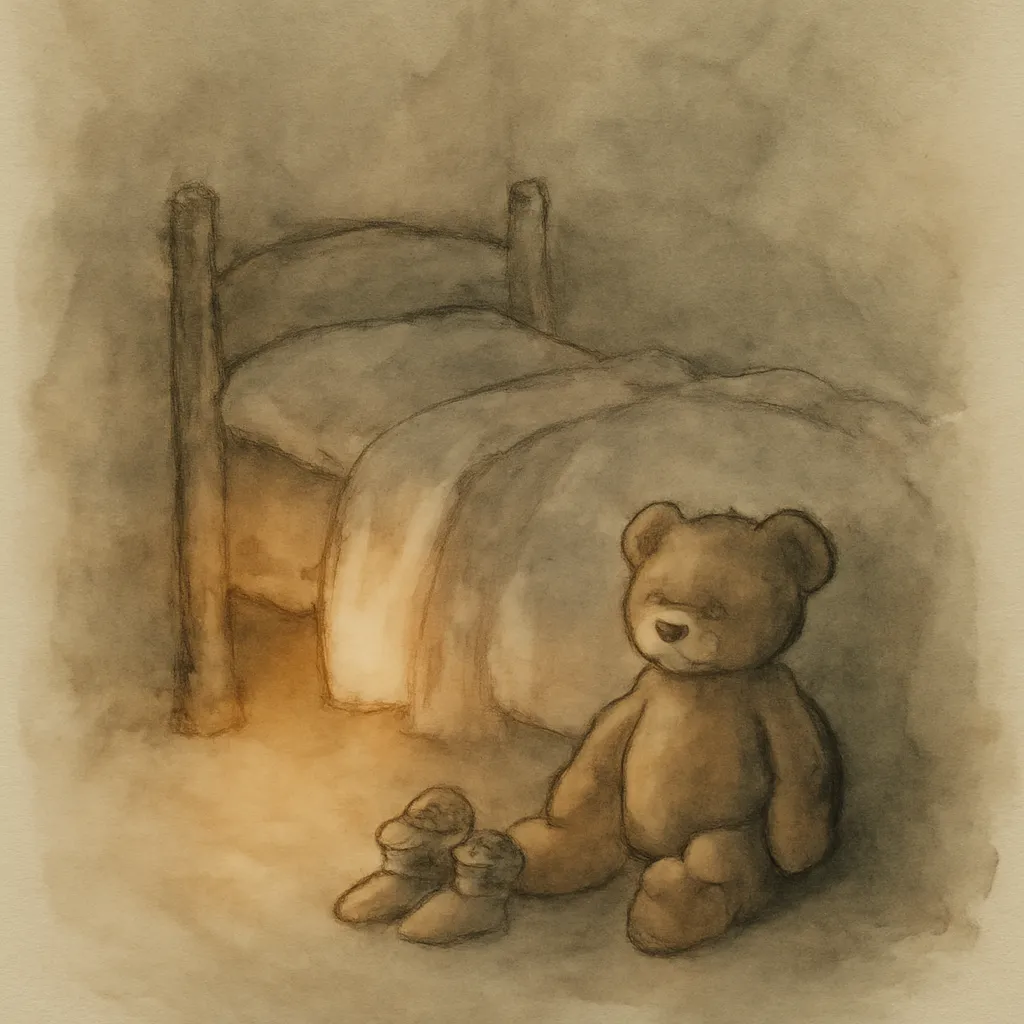
As Aunt Jemima enforces her rigid rules on Marian, the child's spirit begins to wither. Horn's attempts to provide love and support for his daughter are repeatedly thwarted by Jemima's strict discipline. Marian's secret moments of affection with her father become her only solace, highlighting the deep bond between them. The narrative captures the painful reality of a child caught in a conflict between two authoritative figures, where the absence of maternal love and warmth leaves a void. This struggle emphasizes the need for compassion and understanding in parenting, as Marian's character reflects the resilience of children who endure hardship yet yearn for love and connection. Additionally, the story illustrates that children often bear the emotional burdens of adult conflicts, leading to hidden sorrows that can manifest in harmful ways if not addressed.
4.The Quest for Freedom
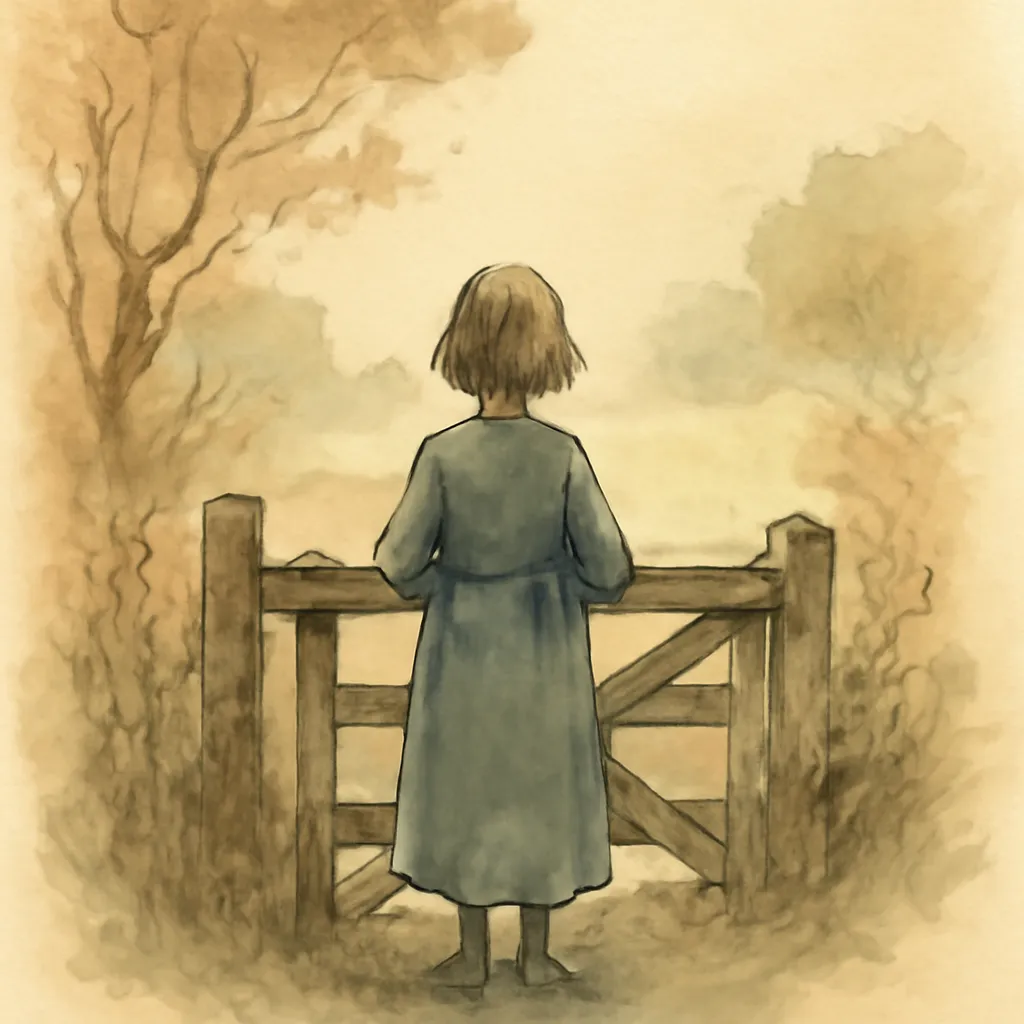
Driven by her desire to escape Aunt Jemima's oppressive rule, Marian's plan to run away symbolizes her quest for freedom and autonomy. Her innocent belief that the outside world will be kinder than her current reality reflects the naivety of childhood. The narrative captures her excitement and trepidation as she ventures into the unknown, embodying the universal yearning for liberation from constraints. However, this decision also highlights the dangers of impulsive actions, as young children often underestimate the risks involved in their quests for independence. Marian's experience serves as a cautionary tale about the importance of guidance and support during formative years, as well as the complexities of navigating personal desires against societal expectations. Furthermore, Marian's internal conflict emphasizes the broader theme of freedom versus security, questioning whether true autonomy can exist without the guidance of a nurturing figure.
5.The Transformative Power of Wealth

The unexpected arrival of a letter revealing 'Cobbler' Horn's newfound wealth marks a turning point in the narrative, shifting the focus from grief to opportunity. This windfall presents Horn with the means to change his circumstances and positively impact those around him. However, the story illustrates that wealth alone does not equate to happiness. Horn's desire to remain grounded and connected to his roots, despite his financial success, emphasizes the theme of humility. He chooses not to flaunt his riches but instead contemplates how to use his fortune to support those less fortunate, reflecting a deep sense of responsibility. This journey showcases the moral dilemma faced by individuals who acquire wealth and the choices they make in defining their legacy. The contrast between Horn's humble beginnings as a cobbler and his subsequent rise to affluence serves to critique societal perceptions of wealth and success, suggesting that true value lies in character and deeds rather than financial status.
6.Reconnecting with the Past
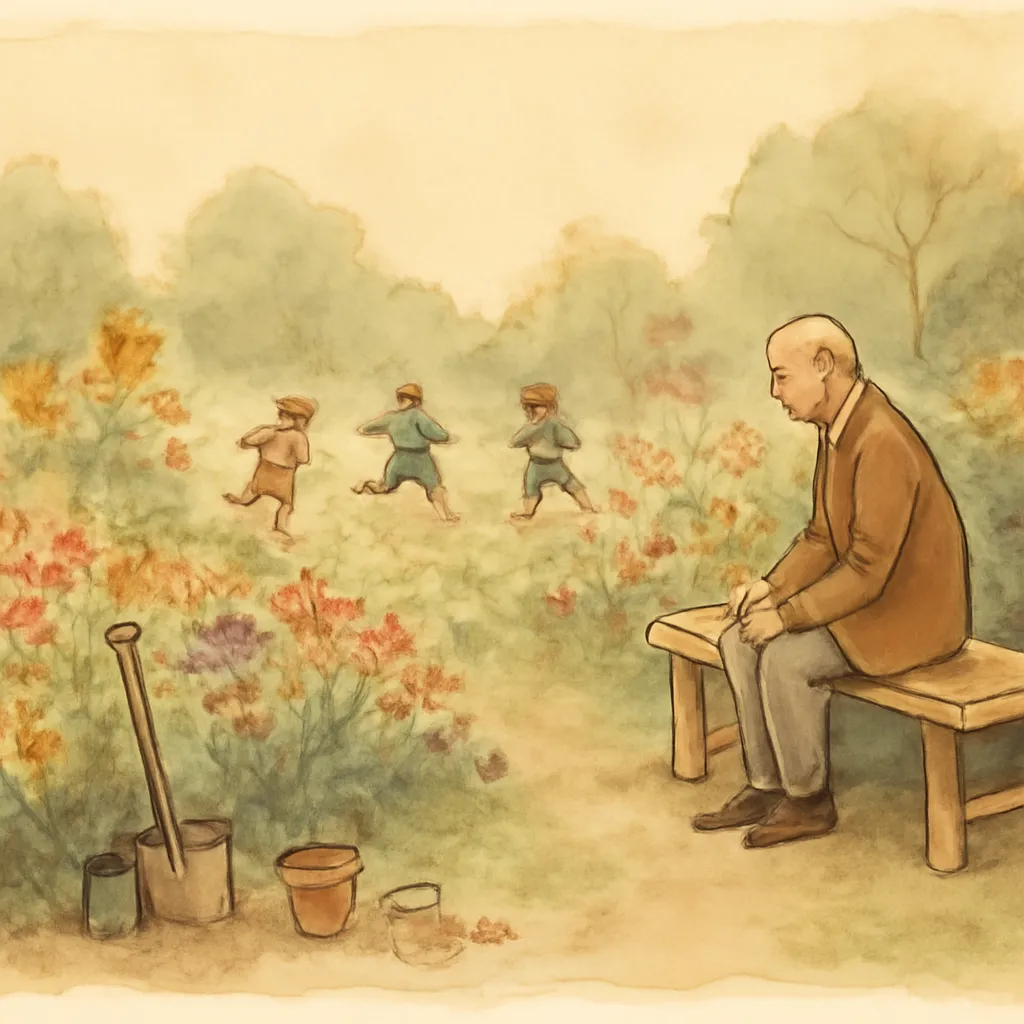
As Horn embarks on his journey to navigate his new life, he grapples with the memories of his past and the loss of his daughter. The story takes a poignant turn as he reflects on the life he once had and the love that was lost. His decision to visit the village of Daisy Lane, where his family roots lie, serves as a means of reconnecting with his heritage and honoring his deceased wife and daughter. This exploration of place and memory reinforces the idea that our identities are shaped by our past, and through remembrance, we find the strength to move forward. Horn's journey becomes a metaphor for healing, as he learns to embrace his memories while forging a new path for himself and his family. This theme resonates with the idea that acknowledging one’s history is crucial for personal growth and can lead to meaningful transformations.
7.Acts of Generosity
With his newfound wealth, Horn embarks on a mission to uplift those in his community, demonstrating the profound impact of generosity. His decision to invest in the dilapidated village and improve living conditions for its inhabitants reflects a deep commitment to social responsibility. The story illustrates how acts of kindness can transform lives, as Horn becomes a beacon of hope for the struggling families around him. This theme underscores the importance of community and the interconnectedness of individuals, as Horn's actions inspire others to contribute positively to their surroundings. By choosing to share his fortune, Horn not only enriches the lives of others but also finds fulfillment and purpose in his own life. This notion reinforces the idea that true wealth is measured not by material possessions, but by the impact one has on the lives of others.
8.The Complexity of Relationships
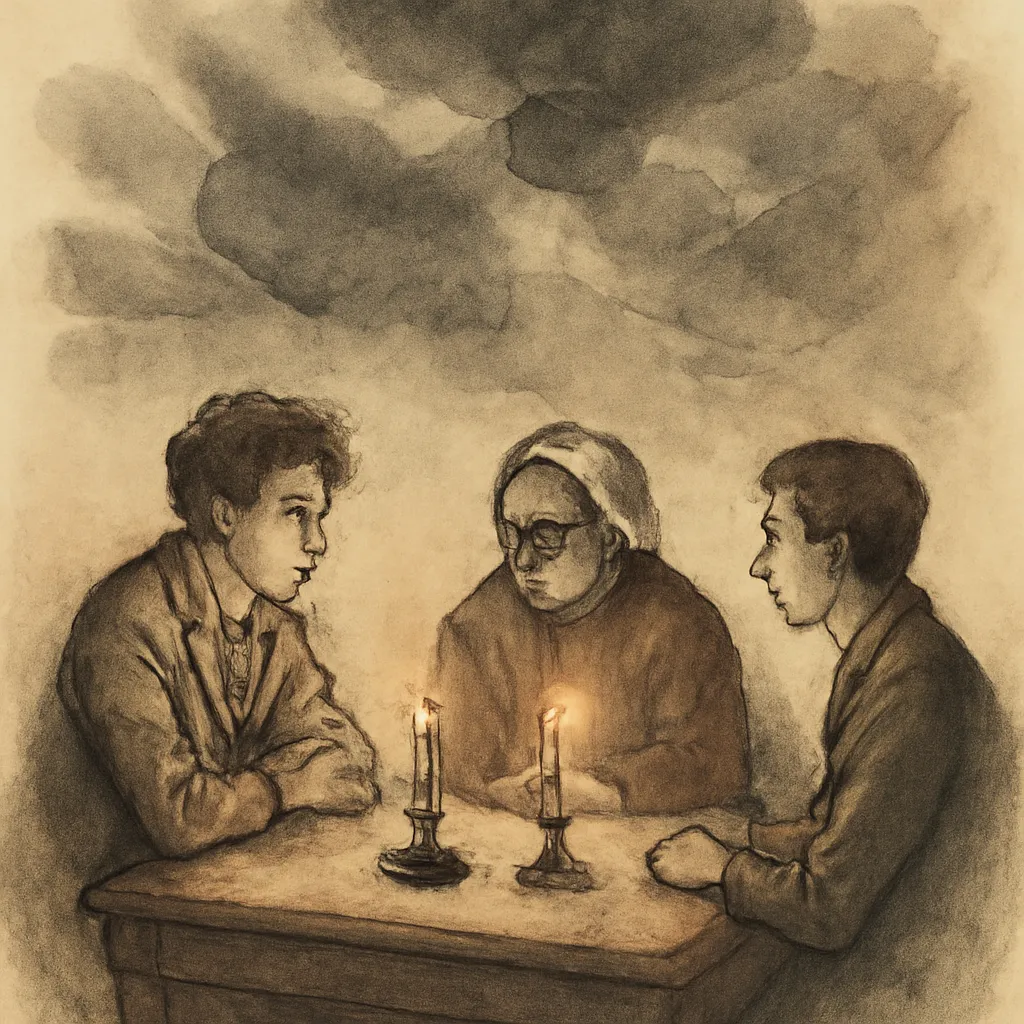
As Horn navigates his new life, the dynamics between him, Aunt Jemima, and his secretary become increasingly complex. Aunt Jemima's initial resentment of her brother's wealth turns into a struggle for control over their lives, leading to tension and conflict. Meanwhile, Horn's relationship with his secretary, who becomes integral to his journey, introduces themes of trust, collaboration, and personal growth. The evolving relationships emphasize the necessity of communication and understanding in overcoming misunderstandings and building strong connections. This narrative arc serves to illustrate how wealth can complicate familial bonds and the importance of maintaining empathy and compassion during times of change. The contrast between Horn's growth and Aunt Jemima's stubbornness highlights the potential for personal evolution when one is open to change and new perspectives.
9.Legacy and Redemption
Ultimately, 'The Golden Shoemaker' serves as a reflective exploration of legacy and redemption. Horn's journey from a grieving widower to a wealthy benefactor encapsulates the idea that true wealth lies not in material possessions but in the love and impact we have on others. His commitment to helping those in need and honoring the memory of his family illustrates the power of redemption and the potential for personal growth. The story concludes with Horn embracing his role as a community leader, advocating for those who cannot advocate for themselves. This transformation reinforces the notion that our past does not define us; rather, it is how we choose to respond to our circumstances that shapes our legacy. The ultimate message is one of hope and the possibility of renewal, suggesting that even after profound loss, one can find purpose and joy in serving others.