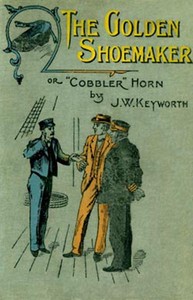

In the tale of 'The Golden Shoemaker,' a cobbler's journey from grief to newfound wealth reveals the true essence of love, family, and the pursuit of happiness
Read full overviewShow less›
The story of 'The Golden Shoemaker: or 'Cobbler' Horn' by J. W. Keyworth takes readers on a profound journey through sorrow, resilience, and unexpected fortune. It follows Thomas Horn, a humble cobbler, who faces the tragic loss of his young wife while raising their daughter Marian under the strict rule of Aunt Jemima, his well-meaning but tyrannical sister. As the narrative unfolds, Horn's life transforms dramatically when he inherits a fortune, leading him to confront his past, redefine his relationships, and discover the true meaning of wealth. This summary explores the key themes, character developments, and moral lessons embedded within the story, offering insights into how love and compassion can triumph over adversity.
The journey of 'Cobbler' Horn in 'The Golden Shoemaker' is a testament to the resilience of the human spirit in the face of adversity. As he navigates the complexities of grief, familial relationships, and newfound wealth, Horn ultimately discovers that true fulfillment lies not in riches but in the love and compassion we extend to others. This narrative encourages readers to reflect on their own lives, the choices they make, and the impact they have on those around them. By embracing our past, nurturing our relationships, and striving to uplift others, we can forge a legacy that transcends our material possessions, leaving a lasting imprint on the world.
- 1The Weight of Grief
- 2The Role of Aunt Jemima
- 3The Struggle for Child Happiness
- 4The Quest for Freedom
- 5The Transformative Power of Wealth
Notable quotes
“‘Cobbler’ Horn himself was engaged just now in the duties of his calling, in the little workshop behind the kitchen.”
“It was Aunt Jemima who stepped into the vacant place of Marian's mother.”
“Lest her immaculate door-step should be soiled, she would rarely allow him to enter the house by the front-door.”
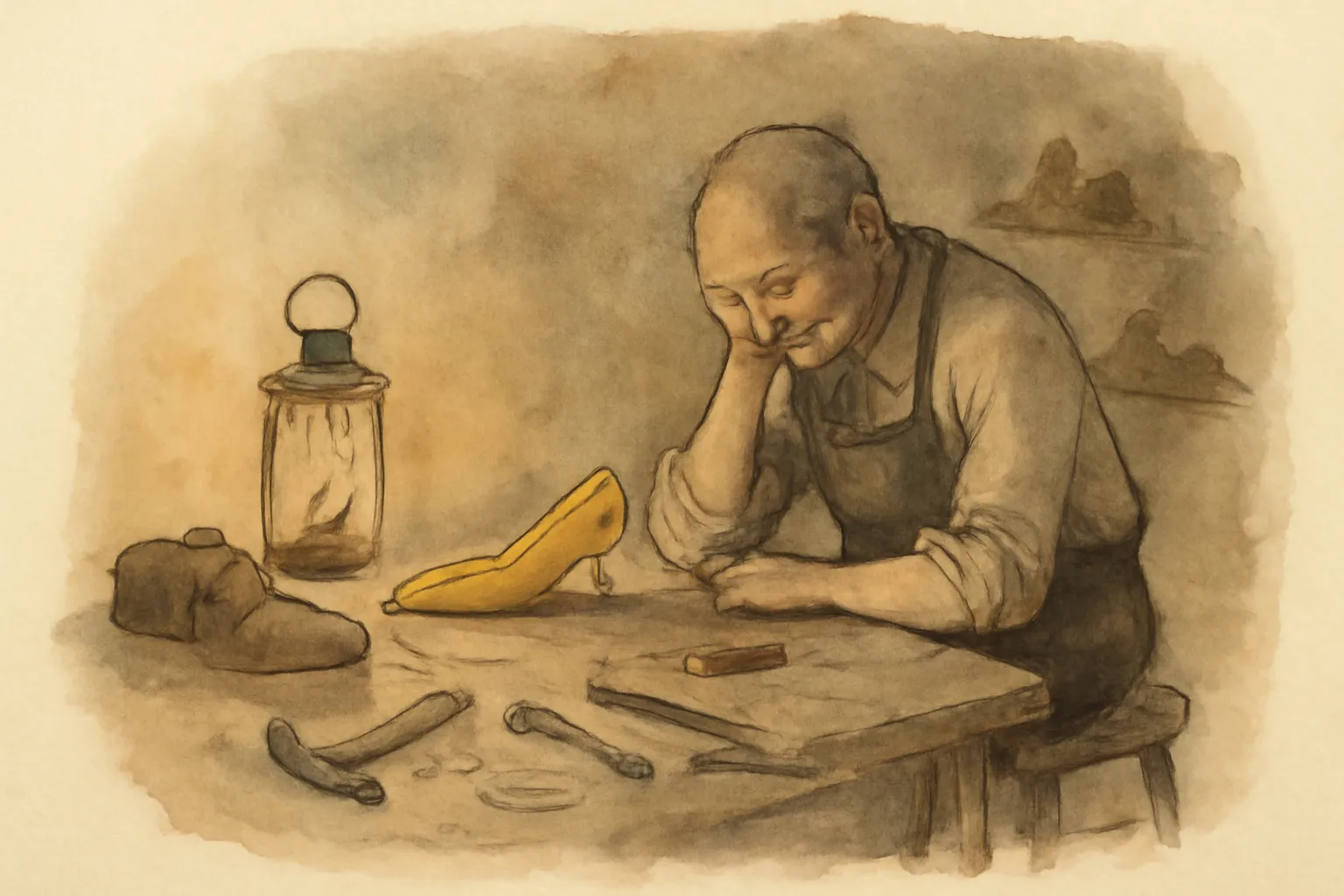
A glimpse inside

The story opens with 'Cobbler' Horn grappling with the impending loss of his wife, a poignant reminder of the fragility of life. Read moreThe story opens with 'Cobbler' Horn grappling with the impending loss of his wife, a poignant reminder of the fragility of life. As he works diligently in his cobbler shop, he reflects on the happiness they shared and the sorrow that now envelops him. His commitment to finishing a pair of boots for a customer, even in the face of his wife's death, showcases his unwavering dedication and sense of duty. This duality of grief and responsibility illustrates the emotional turmoil many face when balancing personal loss with external obligations. Horn's sorrow is palpable, yet it is devoid of bitterness; he does not question why misfortune has befallen him but instead accepts his fate with a heavy heart, setting the stage for his character's resilience. The intense emotions surrounding loss not only inform Horn's actions but also shape the environment in which his daughter Marian is raised, highlighting how grief can permeate a household and impact the next generation. Show less
Aunt Jemima's arrival after the death of Horn's wife introduces a new layer of complexity to the household dynamics. Though she aims to help, her strict and oppressive na… Read moreAunt Jemima's arrival after the death of Horn's wife introduces a new layer of complexity to the household dynamics. Though she aims to help, her strict and oppressive nature creates an atmosphere of discomfort and fear for young Marian. Her insistence on cleanliness and order becomes a means of control, stripping away the warmth and joy from the home. The conflict between Horn and his sister highlights the theme of familial obligation versus personal freedom, as he struggles to maintain a sense of normalcy for his daughter amid Jemima's tyranny. This battle for Marian's well-being underscores the importance of nurturing environments for children, as Aunt Jemima's harsh methods lead to resentment and unhappiness. Furthermore, Aunt Jemima's character serves as a critique of how societal expectations of women during the time can manifest in harmful ways, particularly when a woman feels the need to exert control in the absence of a male figure. Show less
Read the full text — free
About the author
Read J. W. Keyworth's work free on Lumina — the complete text plus an 8-minute summary and key ideas, no account needed