1.The Nature of Reality
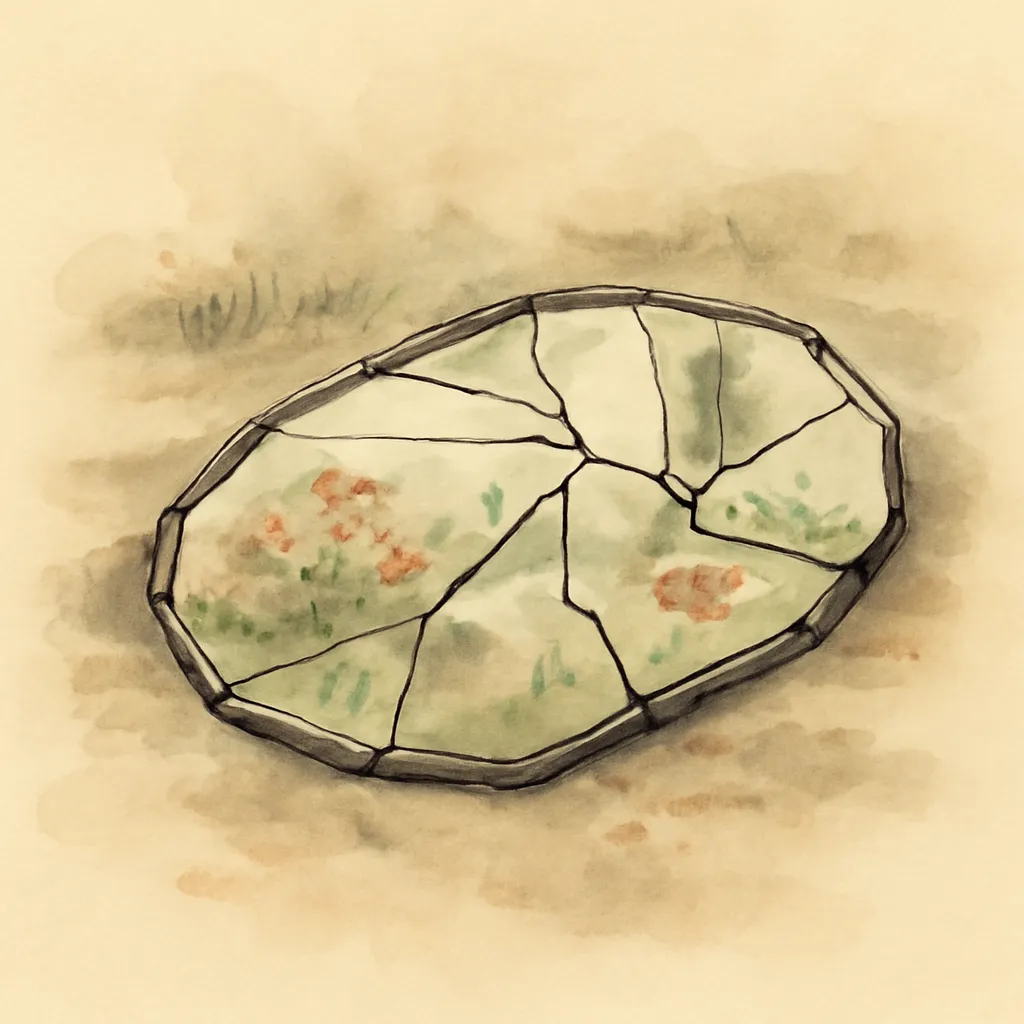
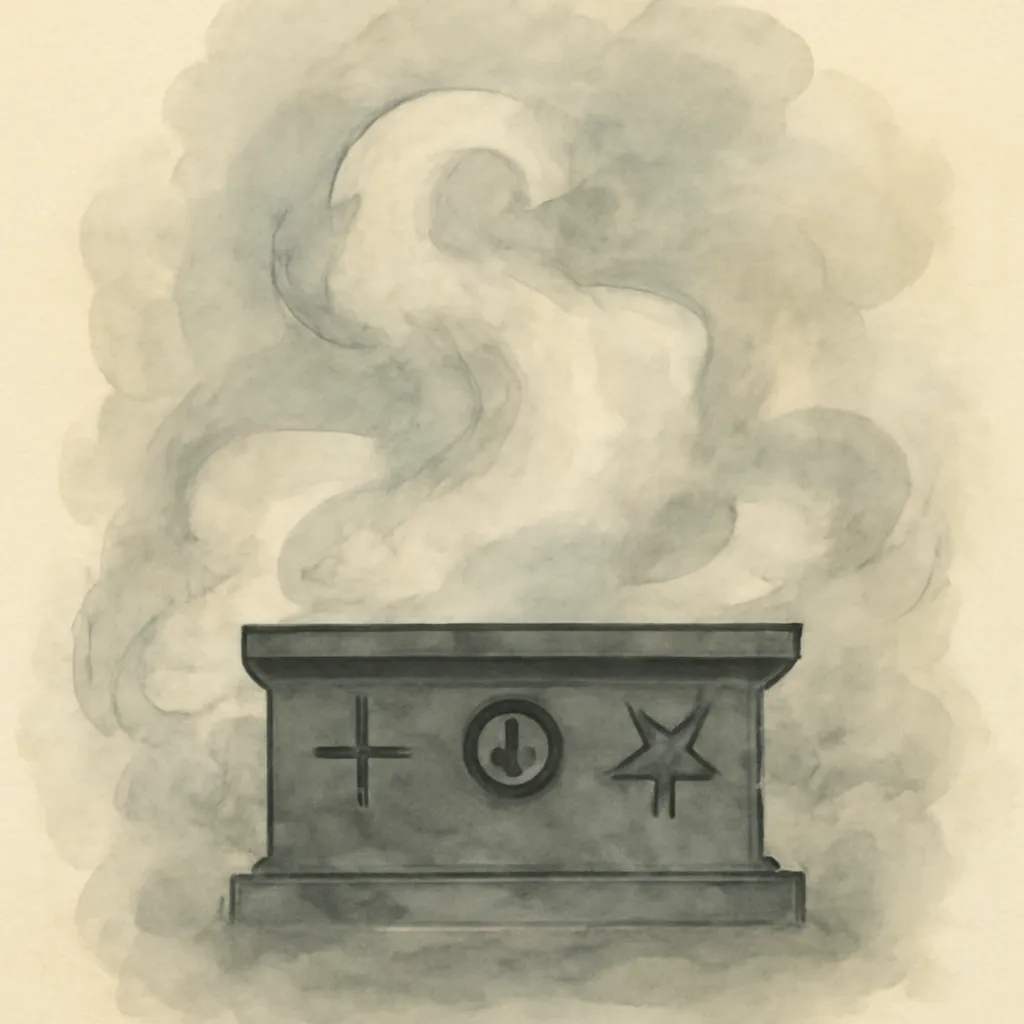
Machen opens with a profound exploration of reality's nature, suggesting that the world we perceive is merely a shadow of a deeper, more mysterious existence. Dr. Raymond's assertion that everything around us is a mere dream challenges the characters—and readers—to reconsider their understanding of what is real. This philosophical inquiry sets the stage for the experiment that follows, which aims to pierce the veil that separates the known from the unknown. The conversation between Clarke and Raymond emphasizes the dichotomy between the ordinary and the extraordinary, prompting a reflection on how much of life is hidden from our senses. The idea that reality is layered and complex invites readers to ponder what lies beyond their immediate experiences, igniting curiosity about the unseen elements of existence.
2.Transcendental Medicine and Its Perils
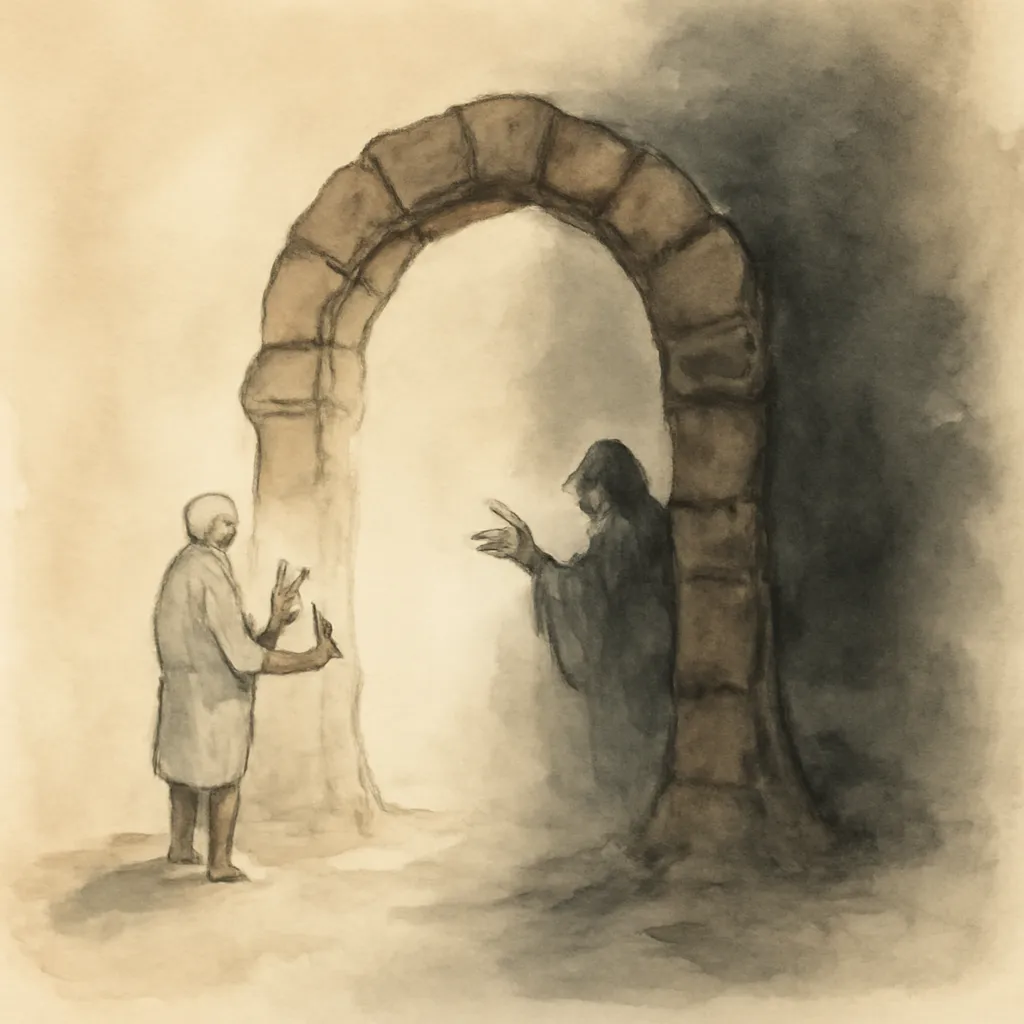
Dr. Raymond's pursuit of transcendental medicine embodies the tension between scientific inquiry and the mystical. His confidence in the experiment's safety belies the inherent risks of tampering with forces beyond human comprehension. The narrative critiques the hubris of scientific ambition, as Raymond's desire to unveil the mysteries of life leads to catastrophic consequences. Clarke's initial skepticism reflects a broader societal hesitation to embrace the unknown, yet his curiosity ultimately drives him to witness the experiment. This juxtaposition highlights the allure of knowledge against the potential for horror that accompanies its pursuit. Machen warns that the quest for understanding may lead to encounters with unspeakable truths, suggesting that some knowledge is better left undiscovered.
3.The Role of Curiosity and Fear
Clarke's character embodies the duality of curiosity and fear, showcasing how these emotions can coexist within individuals. While he is drawn to the mystery of Dr. Raymond's experiment, he is also plagued by doubts about its safety and the implications of its success. This internal conflict resonates with readers, as it mirrors the universal struggle between the desire for knowledge and the fear of the unknown. Machen illustrates how curiosity can lead to enlightenment but also to despair, as Clarke grapples with the consequences of his decisions. The narrative serves as a reminder that the pursuit of knowledge is fraught with uncertainty, and the unknown can reveal both wonders and horrors. Ultimately, Clarke's journey reflects the human condition, where curiosity often leads to encounters with fearsome truths.
4.The Consequences of the Experiment
The experiment conducted by Dr. Raymond yields horrific results, illustrating the dangers of meddling with the fabric of reality. As the narrative progresses, the consequences of Raymond's actions unfold, leading to a chain of events that disrupt the lives of those involved. The transformation of Mary, who becomes a vessel for unspeakable terror, serves as a chilling reminder of the cost of scientific ambition. This metamorphosis is not merely physical but also psychological, as it reveals the fragility of the human mind when confronted with the incomprehensible. Machen's depiction of Mary's fate underscores the theme of transformation, where the boundaries of identity and sanity blur. The narrative compels readers to consider the ethical implications of scientific exploration and the potential for unintended harm that arises from unchecked ambition.
5.The Intersection of Science and the Supernatural
Machen skillfully weaves together elements of science and the supernatural, challenging readers to reconcile these seemingly opposing forces. Dr. Raymond's scientific approach to uncovering the mysteries of existence is juxtaposed with the eerie and otherworldly experiences that unfold. This intersection raises questions about the limits of human understanding and the possibility that there are forces at play beyond empirical observation. The supernatural elements introduced in the story serve as a counterpoint to the rationality of science, suggesting that the universe is governed by both natural laws and inexplicable phenomena. Machen invites readers to contemplate the coexistence of these realms, encouraging an openness to the mysteries that lie beyond the reach of scientific inquiry. The narrative ultimately suggests that the supernatural may hold truths that challenge the very foundations of rational thought.
6.The Fragility of Human Identity
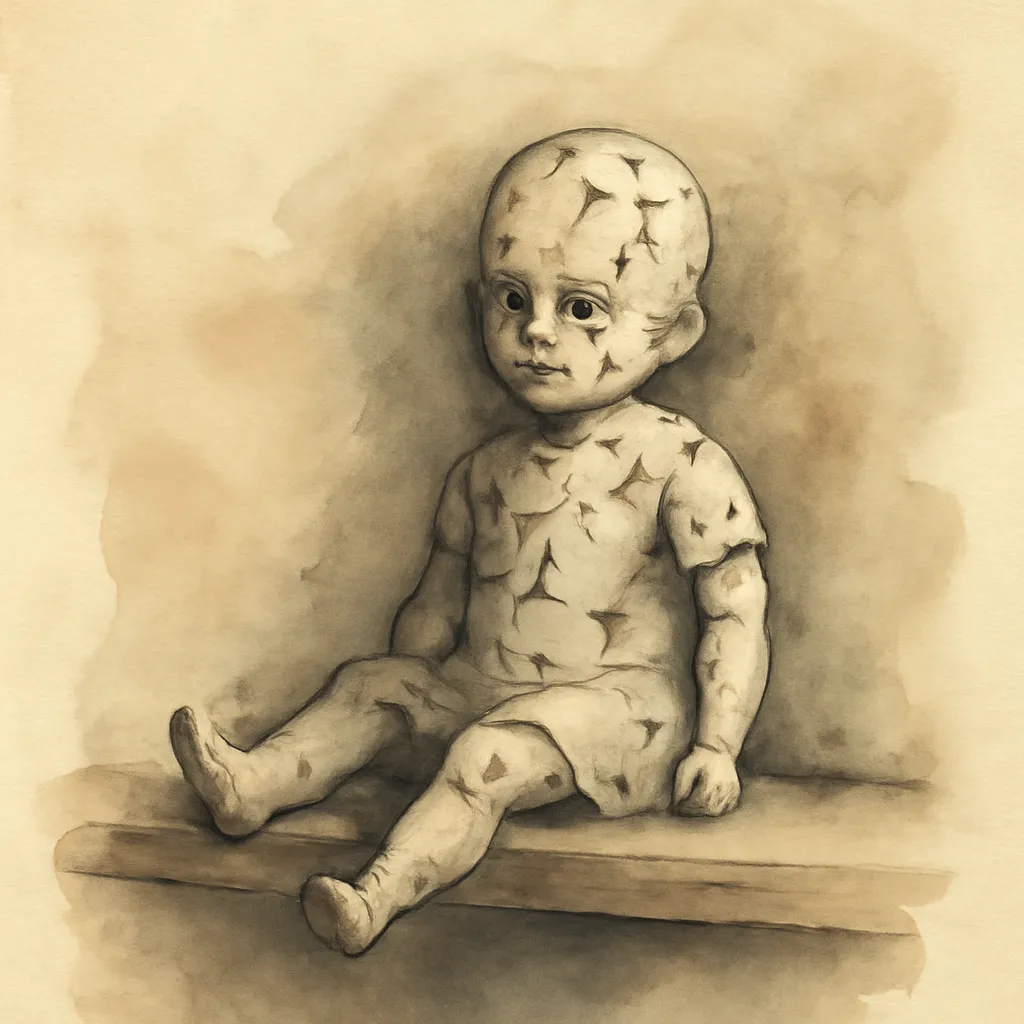
As characters grapple with the revelations of the experiment, the fragility of human identity becomes a central theme. The transformation of individuals, particularly Mary and Herbert, raises questions about the essence of self and the impact of external forces on personal identity. Machen explores how encounters with the unknown can lead to a disintegration of the self, as characters confront their deepest fears and desires. This theme resonates with readers, as it reflects the universal struggle to maintain a coherent sense of identity in the face of existential uncertainty. The narrative suggests that our understanding of who we are is often contingent upon our experiences and the influences of the world around us. Machen's portrayal of identity as fluid and malleable invites contemplation of the factors that shape our sense of self and the potential for transformation within us.
7.The Influence of the Past on the Present
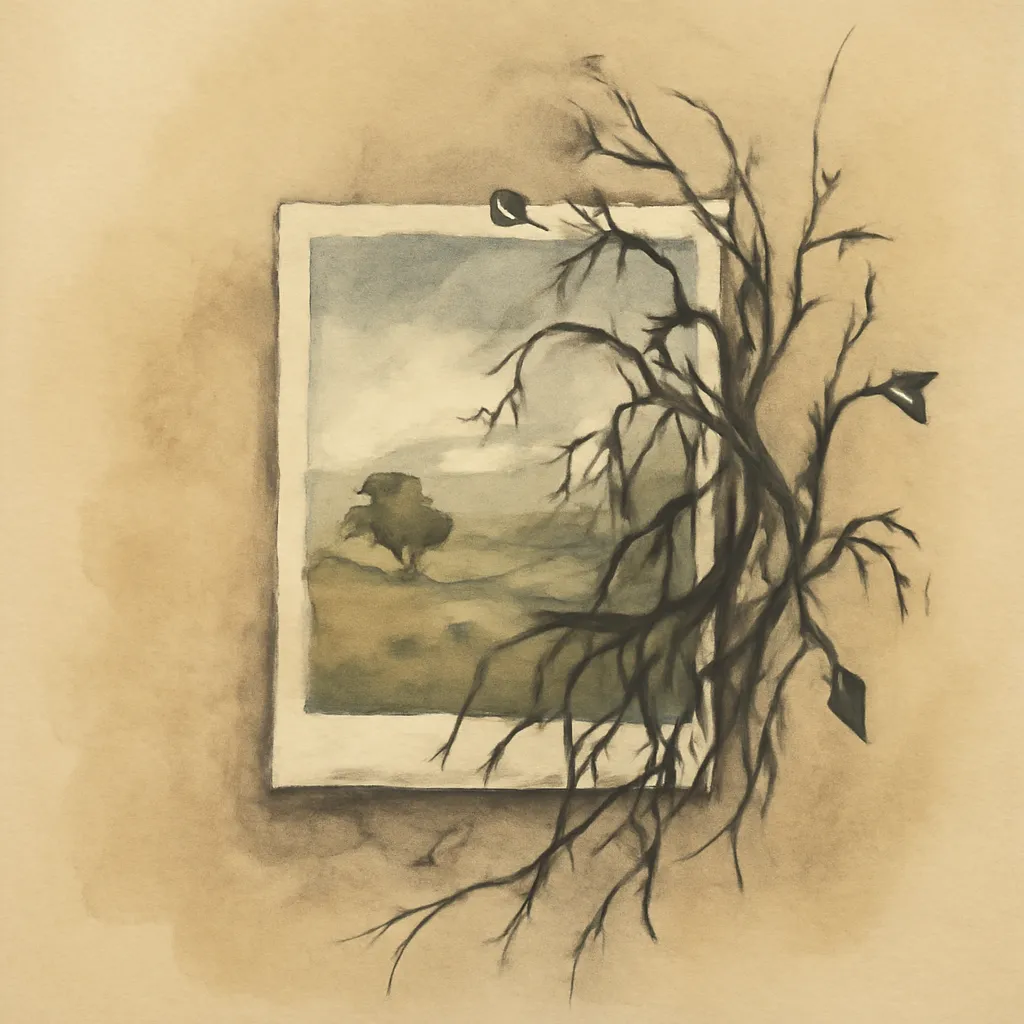
The characters in 'The Great God Pan' are haunted by their pasts, illustrating the enduring influence of history on the present. Clarke's reflections on his experiences with the occult and his encounters with Raymond serve as a backdrop for the unfolding events. The past shapes their actions and decisions, highlighting the inescapable nature of memory and its impact on identity. Machen emphasizes that the characters cannot escape the consequences of their previous choices, as the horrors of the experiment echo through their lives. This theme resonates with readers, as it underscores the idea that the past is not merely a series of events but a living force that shapes our perceptions and actions. The narrative invites readers to reflect on their own histories and consider how they inform their present realities.
8.The Nature of Evil and the Unknown
Machen delves into the nature of evil, suggesting that it often resides in the unknown and the unexplained. The horror that unfolds as a result of Dr. Raymond's experiment embodies the concept of evil as a force that disrupts the natural order. The transformation of Mary into a being of terror underscores the idea that the unknown can harbor malevolence, challenging the characters' understanding of morality and existence. Machen's portrayal of evil as a lurking presence invites readers to confront their own fears and uncertainties, urging them to consider the implications of encountering the unknown. This exploration of evil raises profound questions about human nature and the potential for darkness that exists within us all. The narrative serves as a cautionary tale, warning of the dangers that arise when humanity seeks to uncover the secrets of the universe without regard for the consequences.
9.The Role of Memory and Trauma
Memory and trauma play significant roles in shaping the characters' experiences and reactions throughout the narrative. Clarke's recollections of the experiment and its aftermath reveal how trauma can distort perception and influence behavior. The haunting memories of Mary's transformation linger in Clarke's mind, serving as a constant reminder of the horrors he witnessed. Machen suggests that trauma can alter one's understanding of reality, blurring the line between memory and imagination. This theme resonates with readers, as it reflects the psychological impact of traumatic experiences on individuals. The narrative invites contemplation of how memory shapes our understanding of self and the world, emphasizing the need to confront and process trauma rather than suppress it. The exploration of memory in the story underscores its power to shape identity and influence choices, highlighting the intricate relationship between past experiences and present realities.
10.The Quest for Truth and Its Consequences
At the heart of 'The Great God Pan' lies a quest for truth, driven by the characters' desires to uncover the mysteries of existence. Dr. Raymond's experiment represents the pinnacle of this pursuit, as he seeks to unveil the hidden realities of life. However, the narrative reveals that the quest for truth is fraught with peril, as the characters confront the horrifying consequences of their search. Machen illustrates that the pursuit of knowledge can lead to enlightenment but also to despair, as the characters grapple with the implications of their discoveries. This theme resonates with readers, as it emphasizes the dual nature of truth—its ability to illuminate and its potential to terrify. The narrative serves as a reminder that the quest for understanding is a double-edged sword, urging readers to consider the implications of their own pursuits of knowledge and the potential costs that may arise.