1.The Complexity of Friendship

The relationship between Robert Grell and Sir Ralph Fairfield serves as a cornerstone for the narrative, highlighting the intricacies of friendship among men of status. Their bond is tested by the events surrounding Grell’s murder, as Fairfield grapples with the implications of being the last person seen with Grell. This scenario is compounded by the societal expectations placed upon them as members of the upper class. The narrative reveals how friendships can be strained under the pressure of suspicion and fear, leading to a struggle for self-preservation. Fairfield's inner turmoil, as he contemplates the possibility of being suspected of murder, underscores the theme of loyalty and betrayal. This tension adds depth to the story, showing that even the closest friendships can falter when faced with life-and-death situations. The emotional impact of their friendship is palpable, and readers are left questioning the true nature of loyalty when lives are at stake.
2.The Role of Class and Society
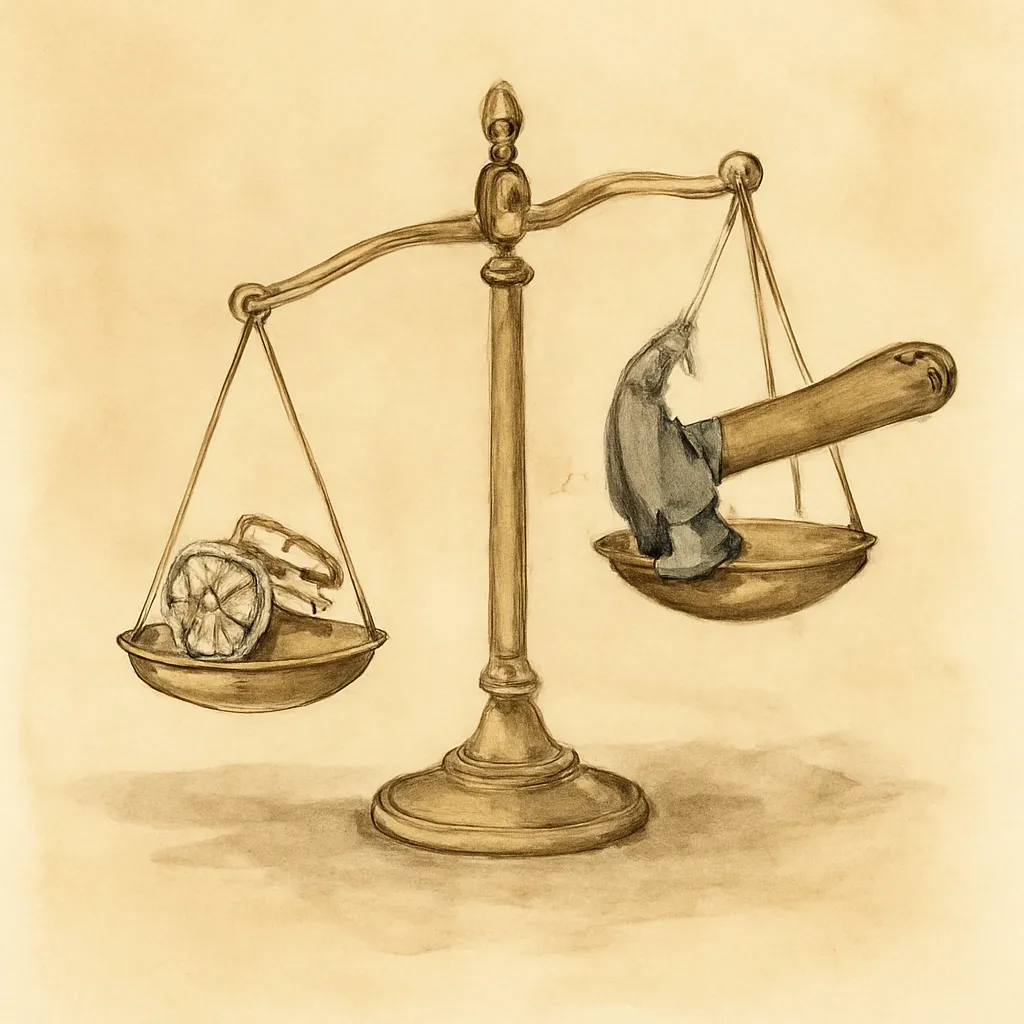
Froest intricately weaves the fabric of class dynamics throughout the investigation, illustrating how societal status influences perceptions of guilt and innocence. The elite characters, like Grell and Fairfield, operate under a different set of social rules compared to the working-class figures involved in the case. This disparity becomes evident when the police navigate through the expectations and biases of the upper class while seeking justice. The author illustrates how the wealthy often manipulate their social standing to evade suspicion, raising questions about the fairness of the justice system. Characters like Foyle, tasked with untangling the web of lies, face the additional challenge of overcoming class prejudices that cloud judgment. This commentary on class not only enriches the plot but also provokes reflection on the broader implications of wealth and privilege in society. As the investigation unfolds, the intersection of class, crime, and morality becomes a focal point for understanding the true nature of justice.
3.The Detective as a Morality Figure

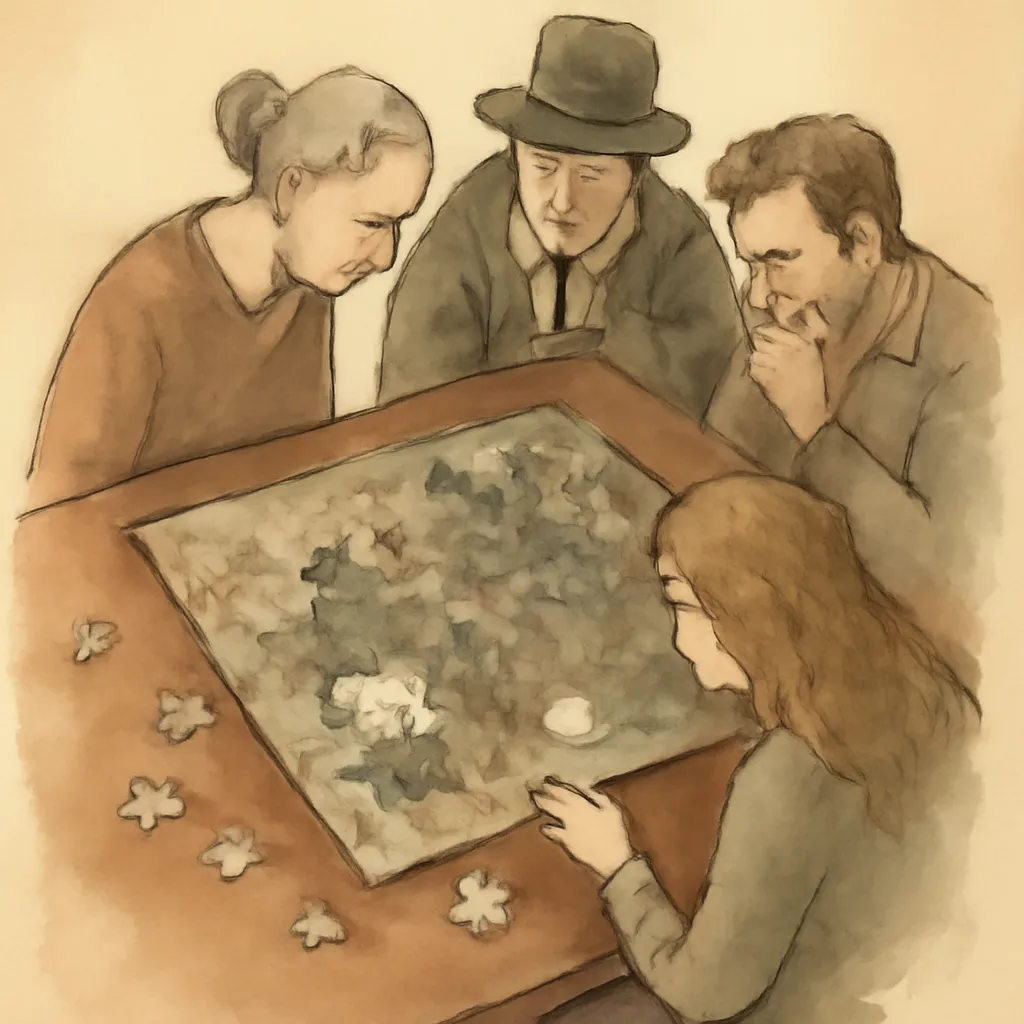
Heldon Foyle emerges as a quintessential detective, embodying the moral compass of the narrative. His methodical approach to solving the case reflects a deep commitment to justice, often clashing with the more self-serving motivations of the characters around him. Foyle’s character is not merely a puzzle-solver; he represents the archetypal figure of integrity in a world rife with corruption. His interactions with suspects and witnesses reveal his ability to navigate the murky waters of human behavior, as he seeks to uncover the truth regardless of the societal implications. Foyle’s determination to maintain integrity in the face of manipulation and deceit underscores the moral complexities of detective work. The reader is drawn into Foyle’s world, where every clue is a piece of a larger ethical puzzle, making his character a compelling focal point of the story. Through Foyle’s eyes, we see the struggle between right and wrong, emphasizing that justice does not always align with social norms.
4.The Impact of Grief and Loss

The emotional fallout from Grell's murder reverberates through the lives of those connected to him, particularly Lady Eileen Meredith, Grell’s fiancée. Her grief transforms into a fierce determination for justice, showcasing how loss can ignite a powerful desire for vengeance. Eileen's character arc is compelling; she evolves from a woman poised to enter a life of luxury to one consumed by the need to uncover the truth behind her lover's death. This transformation illustrates how personal tragedy can lead individuals down unexpected paths, often blurring the lines between right and wrong. Froest captures the rawness of Eileen's emotions, making her quest for justice a poignant subplot that resonates with readers on a deeply human level. The narrative also explores how societies often respond inadequately to the grief of women, as Eileen's fierce determination contrasts sharply with the expectations of her social class. Her journey exemplifies the struggle of finding one's voice in the wake of profound loss.
5.The Nature of Deception

Deception plays a central role in The Grell Mystery, manifesting in various forms among the characters. From lies told to protect oneself to the manipulation of truth for personal gain, Froest explores how deception can complicate relationships and obscure the path to justice. Each character's hidden motives serve as a reminder that appearances can be deceiving, challenging the reader to question the reliability of each narrative. The intricate web of lies ultimately leads Foyle to uncover the truth, emphasizing the notion that while deception may provide temporary safety, it often leads to greater consequences. This theme serves as a cautionary tale about the dangers of dishonesty in both personal and societal contexts. The consequences of deception resonate throughout the story, culminating in a dramatic climax that forces characters to confront their choices and their implications. By illustrating the repercussions of deceit, Froest compels readers to reflect on the moral costs associated with their own truths.
6.Ambition as a Double-Edged Sword

Ambition drives many characters in The Grell Mystery, often leading them to make morally questionable decisions. Grell himself embodies the archetype of the ambitious man, whose success and wealth come at a cost. The narrative examines how ambition can lead to both extraordinary achievements and devastating consequences, particularly when it becomes intertwined with greed and jealousy. Characters like Fairfield and Lomont reveal the darker sides of ambition, as their desires for status and recognition push them toward actions that compromise their integrity. Froest’s exploration of ambition serves as a reminder of the fine line between aspiration and moral decay, urging readers to reflect on their own ambitions and the potential repercussions. The tension between ambition and ethics is palpable, creating a rich ground for character conflict and development. The characters' struggles with their ambitions ultimately illustrate the risks of losing oneself in the pursuit of power and recognition.
7.The Search for Truth
At its core, The Grell Mystery is a quest for truth, with Foyle leading the charge against a backdrop of lies and deception. The detective's relentless pursuit of the facts drives the narrative, showcasing the importance of diligence and integrity in the face of adversity. Froest illustrates that the search for truth is often fraught with challenges, as conflicting narratives and hidden agendas complicate the investigation. As Foyle navigates through the complexities of the case, he embodies the ideal of a seeker of truth, reminding readers that uncovering the facts is essential for justice. This theme resonates deeply, as it reflects the broader human experience of seeking clarity in a world filled with ambiguity. By emphasizing the importance of truth, Froest encourages readers to consider the moral implications of their own truths and the lengths they would go to uncover or protect them.
8.The Intersection of Love and Revenge
The relationship between love and revenge is poignantly explored through Eileen's transformation after Grell's death. Initially, her love for him is marked by anticipation and joy, but as grief takes hold, her emotions shift toward a desire for vengeance against those she suspects of wrongdoing. This intersection creates a powerful narrative tension, as Eileen grapples with her feelings and the moral implications of seeking revenge. Froest captures the complexity of human emotions, illustrating how love can fuel both healing and destruction. Eileen's journey becomes a reflection on how love, when intertwined with loss, can lead individuals to make choices that challenge their own ethical boundaries. This theme highlights the dual nature of love, capable of inspiring both profound joy and devastating pain, prompting readers to reflect on their own experiences with love and loss.
9.The Role of the Media in Crime
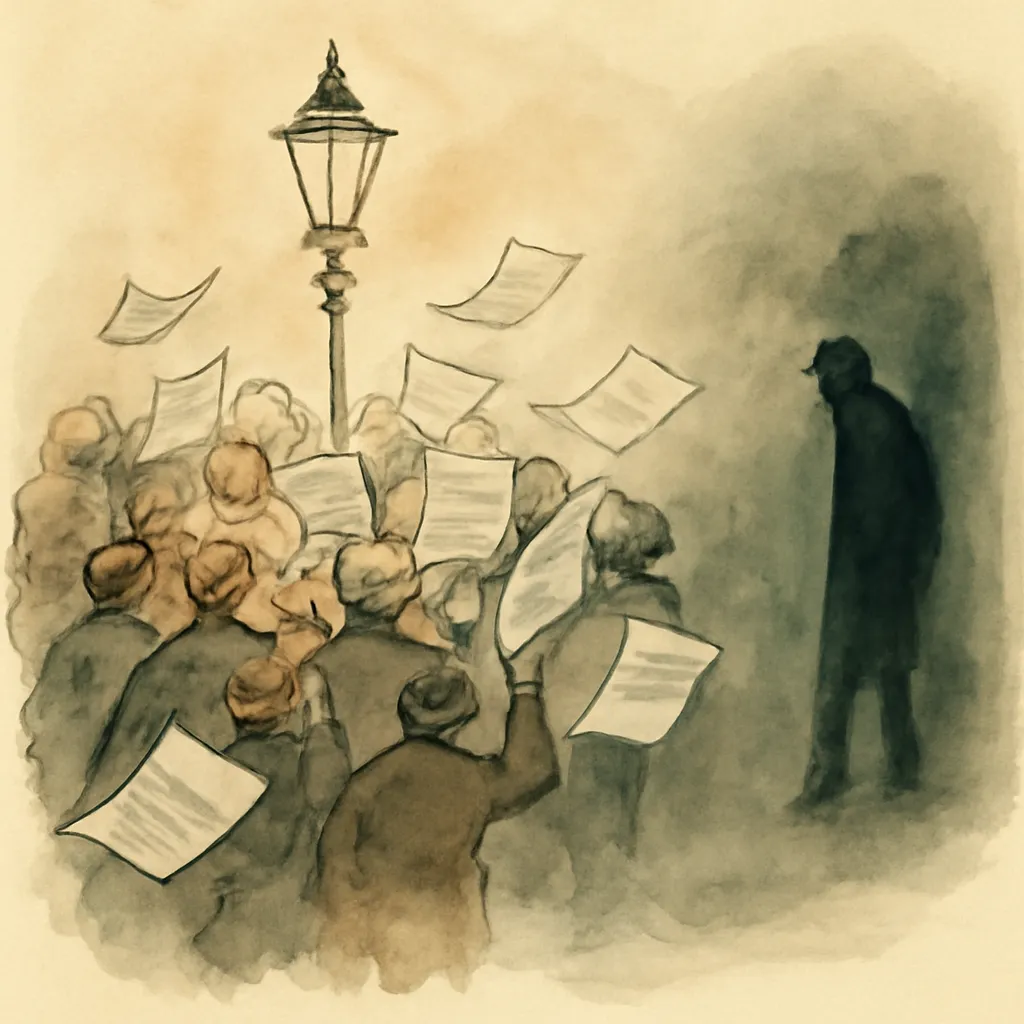
Froest cleverly incorporates the media's role in shaping public perception of crime and justice within The Grell Mystery. The frenzy surrounding Grell's murder captivates journalists, who seek to uncover every detail for sensational headlines. This portrayal highlights the tension between the pursuit of truth and the media's desire for scandal, raising ethical questions about the responsibility of journalists. Characters like Foyle must navigate this landscape, balancing the need for confidentiality with the inevitable public scrutiny that follows high-profile cases. This commentary on the media's influence serves as a timely reminder of the power of information and the potential consequences of its dissemination. The interplay between media coverage and the investigation illustrates how public opinion can impact justice, further complicating the narrative. Froest effectively critiques the media's role in crime, inviting readers to consider how they consume news and the implications for those involved.
10.The Complexity of Human Nature
Ultimately, The Grell Mystery delves into the complexities of human nature, revealing that motivations are often layered and multifaceted. Each character, from the wealthy elite to the working-class suspects, embodies a unique set of desires, fears, and ambitions that drive their actions. Froest skillfully paints a portrait of humanity that acknowledges both the light and dark sides of individuals, challenging readers to understand the nuances of each character's choices. This exploration of human nature adds depth to the narrative, inviting reflection on the moral dilemmas faced by each character. By presenting a diverse array of motivations, Froest encourages readers to empathize with the characters, even as they grapple with their flaws and failings. The richness of the character development throughout the narrative serves to highlight the universal struggle between good and evil, and how easily one can slip into moral ambiguity.