
In a world where wealth and privilege collide with murder and mystery, the truth lies hidden beneath layers of deception and ambition
Read full overviewShow less›
The Grell Mystery by Frank Froest invites readers into the heart of a gripping murder investigation that intertwines the lives of the elite and the shadows lurking in society's underbelly. When millionaire explorer Robert Grell is found murdered in his opulent home, the police are thrust into a web of intrigue involving friends, lovers, and hidden motives. As detective Heldon Foyle unravels the clues, each character reveals their own secrets, desires, and fears, leading to a thrilling race against time to uncover the truth. This tale not only explores the nature of crime and justice but also delves into the complexities of human relationships, ambition, and the lengths one might go to protect their interests. Readers will find themselves captivated by the twists and turns of the investigation, as well as the moral dilemmas faced by those involved.
The Grell Mystery is a masterful exploration of the human condition, encapsulating themes of ambition, love, and the quest for truth against a backdrop of murder and intrigue. As Foyle unravels the layers of deception, readers are drawn into a world where every character harbors secrets that could shift the balance of justice. Froest skillfully navigates the complexities of human relationships, revealing how the choices made in the face of tragedy can lead to unforeseen consequences. Ultimately, the novel serves as a reminder of the fragility of truth and the moral dilemmas inherent in the pursuit of justice. In a society where appearances can be deceiving, the search for truth remains a timeless and compelling journey, compelling readers to reflect on their own lives and the truths they hold.
- 1The Complexity of Friendship
- 2The Role of Class and Society
- 3The Detective as a Morality Figure
- 4The Impact of Grief and Loss
- 5The Nature of Deception
Notable quotes
“It's a deuce of a night.”
“Great Scott, Fairfield! You don't expect me to wear my mantle all the time. I should explode if I didn't have a safety valve.”
“He was a methodical man.”
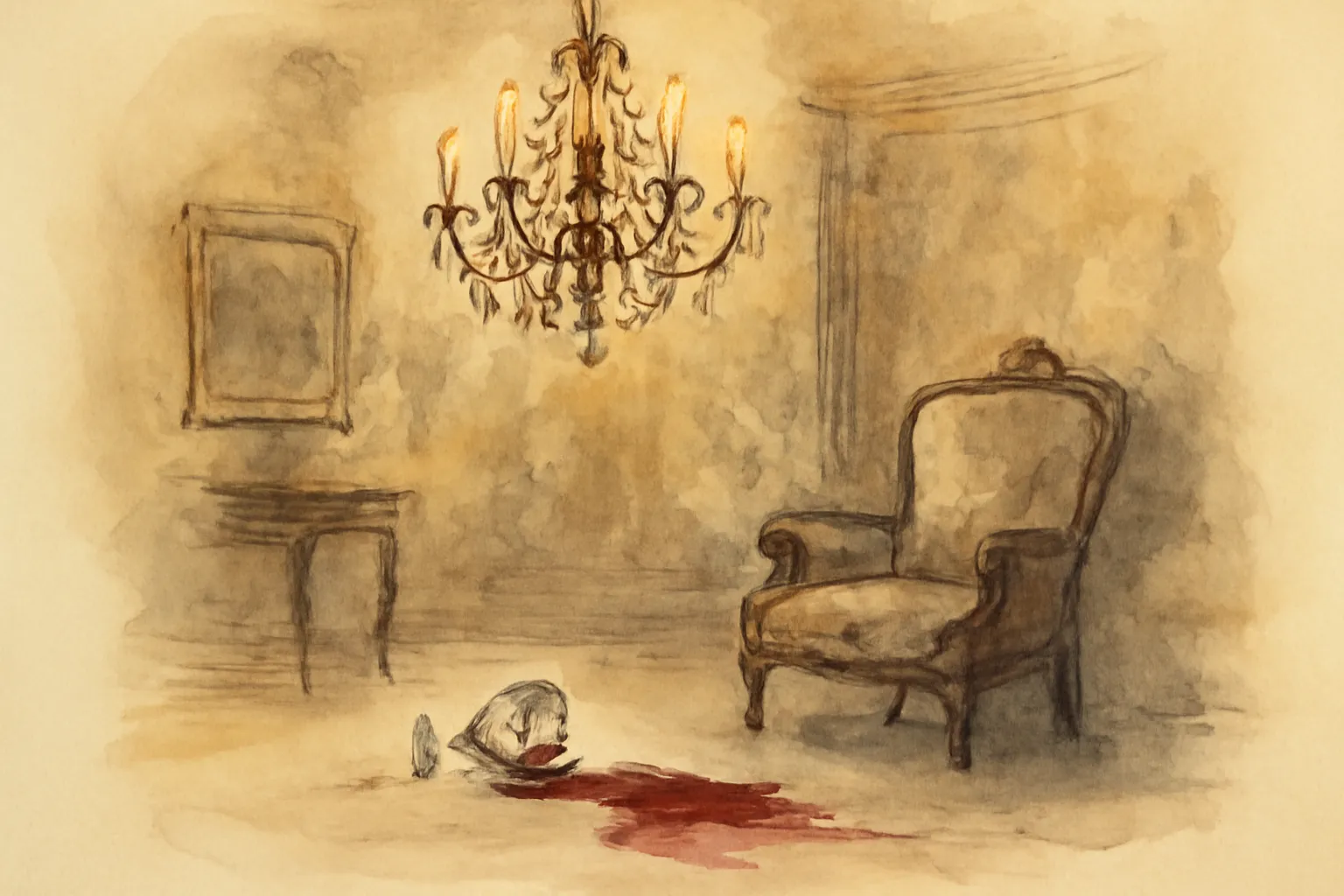
A glimpse inside

The relationship between Robert Grell and Sir Ralph Fairfield serves as a cornerstone for the narrative, highlighting the intricacies of friendship among men of status. Read moreThe relationship between Robert Grell and Sir Ralph Fairfield serves as a cornerstone for the narrative, highlighting the intricacies of friendship among men of status. Their bond is tested by the events surrounding Grell’s murder, as Fairfield grapples with the implications of being the last person seen with Grell. This scenario is compounded by the societal expectations placed upon them as members of the upper class. The narrative reveals how friendships can be strained under the pressure of suspicion and fear, leading to a struggle for self-preservation. Fairfield's inner turmoil, as he contemplates the possibility of being suspected of murder, underscores the theme of loyalty and betrayal. This tension adds depth to the story, showing that even the closest friendships can falter when faced with life-and-death situations. The emotional impact of their friendship is palpable, and readers are left questioning the true nature of loyalty when lives are at stake. Show less
Froest intricately weaves the fabric of class dynamics throughout the investigation, illustrating how societal status influences perceptions of guilt and innocence. Read moreFroest intricately weaves the fabric of class dynamics throughout the investigation, illustrating how societal status influences perceptions of guilt and innocence. The elite characters, like Grell and Fairfield, operate under a different set of social rules compared to the working-class figures involved in the case. This disparity becomes evident when the police navigate through the expectations and biases of the upper class while seeking justice. The author illustrates how the wealthy often manipulate their social standing to evade suspicion, raising questions about the fairness of the justice system. Characters like Foyle, tasked with untangling the web of lies, face the additional challenge of overcoming class prejudices that cloud judgment. This commentary on class not only enriches the plot but also provokes reflection on the broader implications of wealth and privilege in society. As the investigation unfolds, the intersection of class, crime, and morality becomes a focal point for understanding the true nature of justice. Show less
Read the full text — free
About the author
Read Frank Froest's work free on Lumina — the complete text plus an 8-minute summary and key ideas, no account needed