1.The Moat-House: A Character in Itself
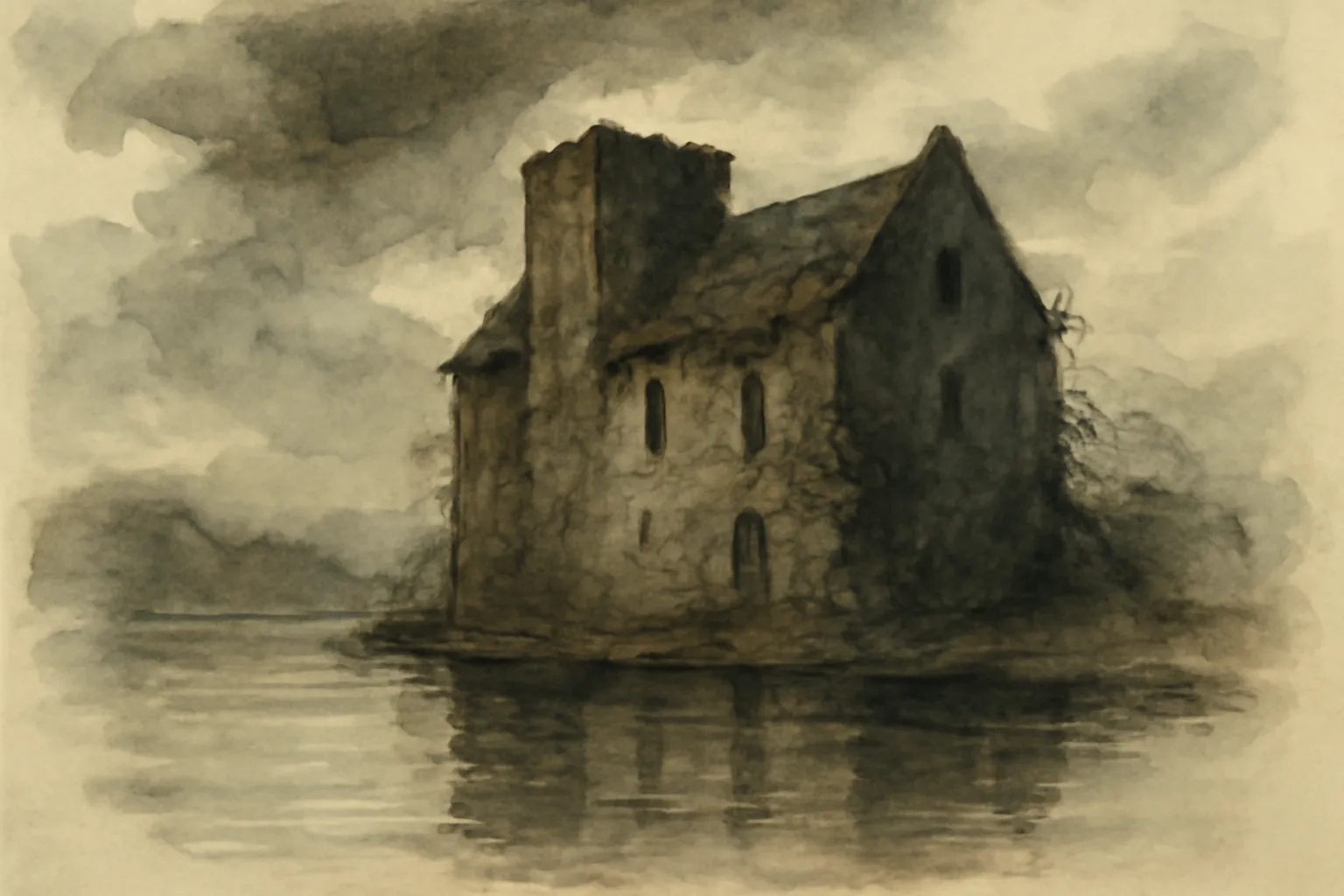
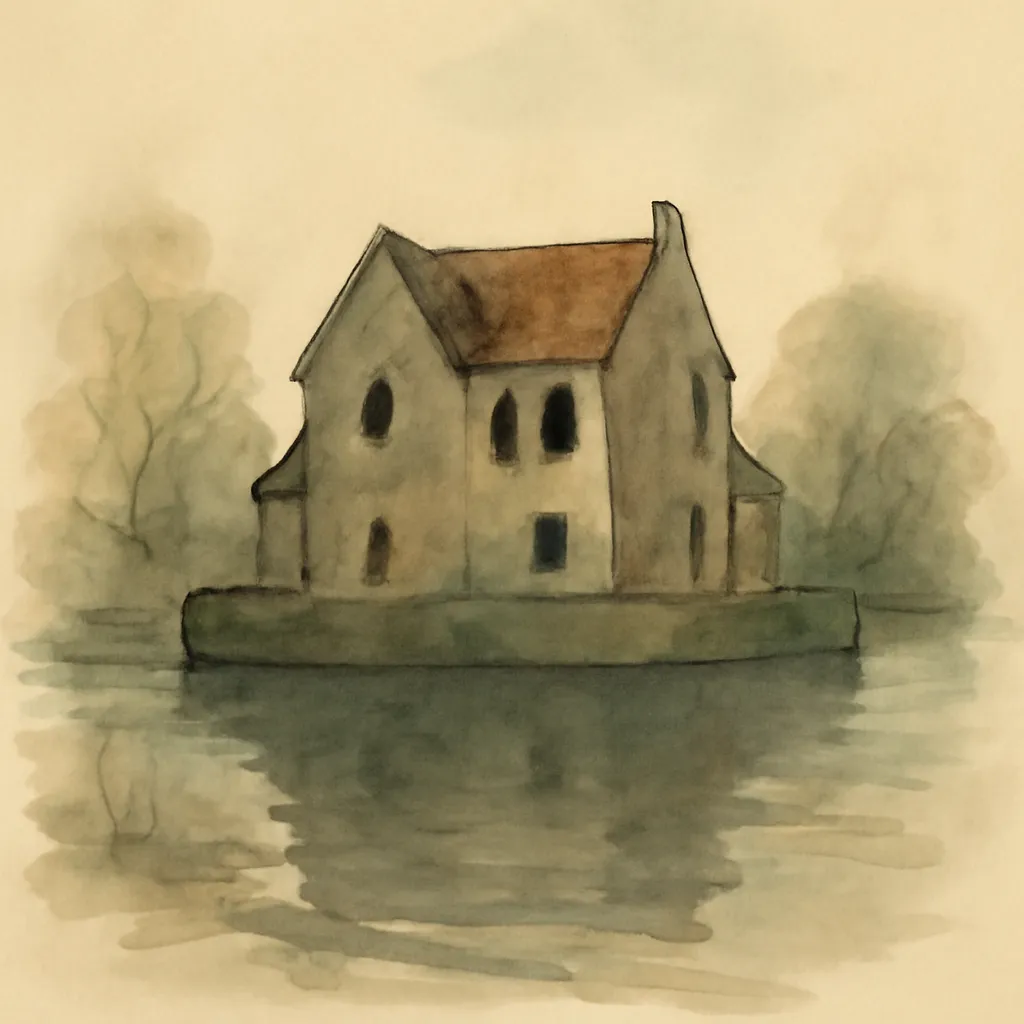
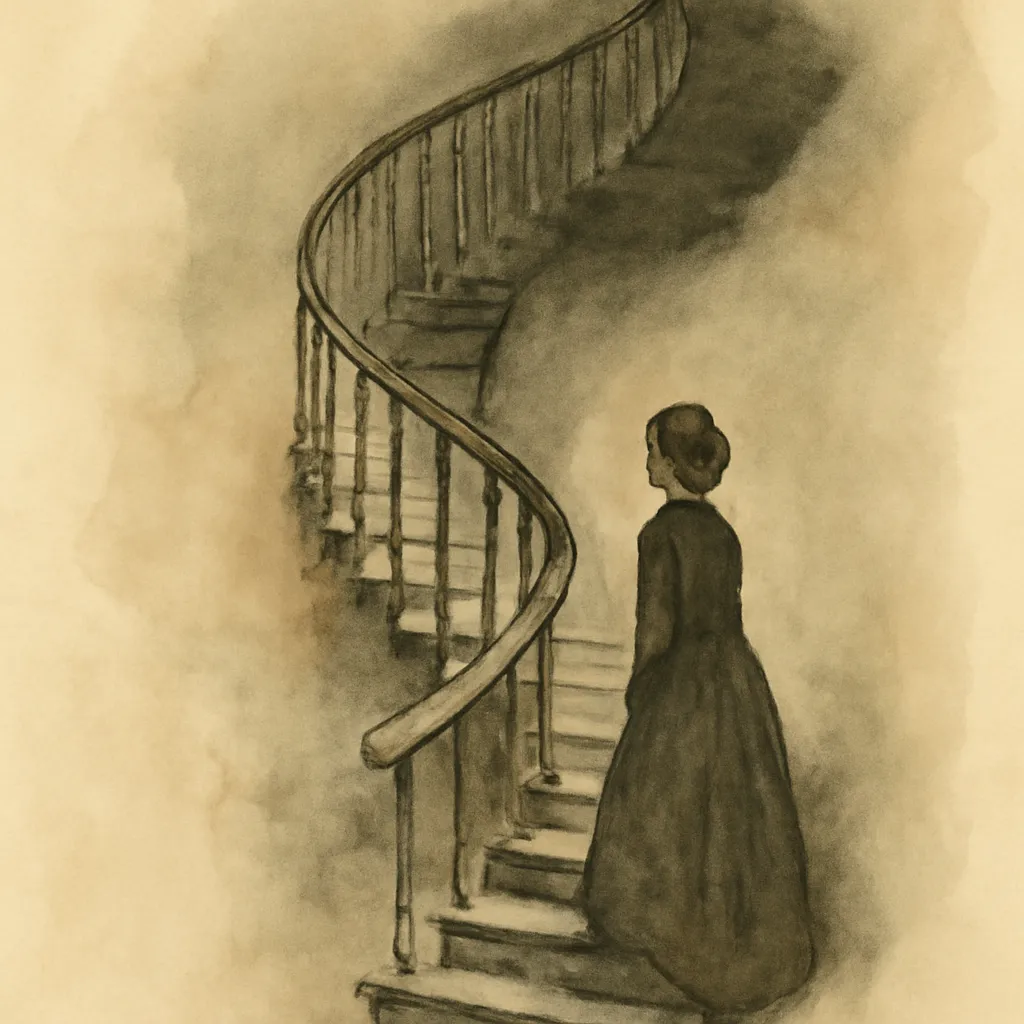
The moat-house stands as a significant symbol throughout the narrative, embodying the weight of history and the bloodshed that has occurred within its walls. With a past marked by tyranny and violence, the house reflects the decay of not just its physical structure but also the moral decay of its inhabitants. Each layer of the house’s history—from its origins in Saxon conflicts to the more recent tragedies—parallels the unfolding drama of the murder investigation. As the characters navigate their relationships and confront their pasts, the house looms in the background, serving as a reminder that the ghosts of history are never truly laid to rest. The atmosphere created by the moat-house enhances the tension of the narrative, making it a pivotal player in the unfolding mystery.
2.The Weight of Legacy and Guilt
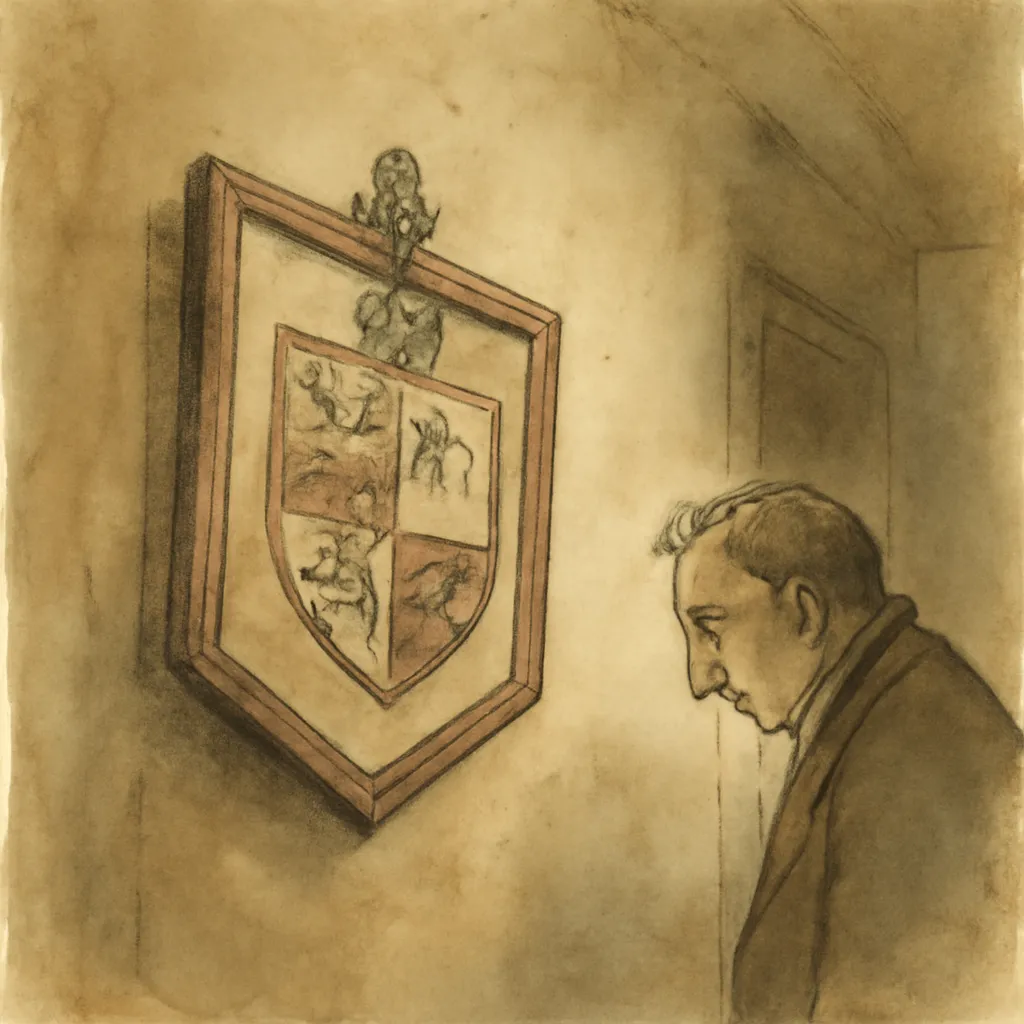
The theme of legacy permeates the lives of the characters, particularly that of Sir Philip Heredith, who embodies the burdens of his ancestry. His lineage is steeped in violence and moral ambiguity, and this heritage weighs heavily on him, influencing his actions and decisions. The novel explores how history can haunt individuals, manifesting as guilt that shapes their present-day choices. Sir Philip’s attempts to maintain dignity in the face of familial disgrace highlight the struggle between personal integrity and inherited shame. Furthermore, the characters grapple with their own legacies, questioning how much of their identity is shaped by the past and how they can break free from its constraints. This exploration of legacy invites readers to reflect on their own histories and the ways they inform their behaviors and beliefs.
3.The Nature of Evil: Supernatural vs. Human
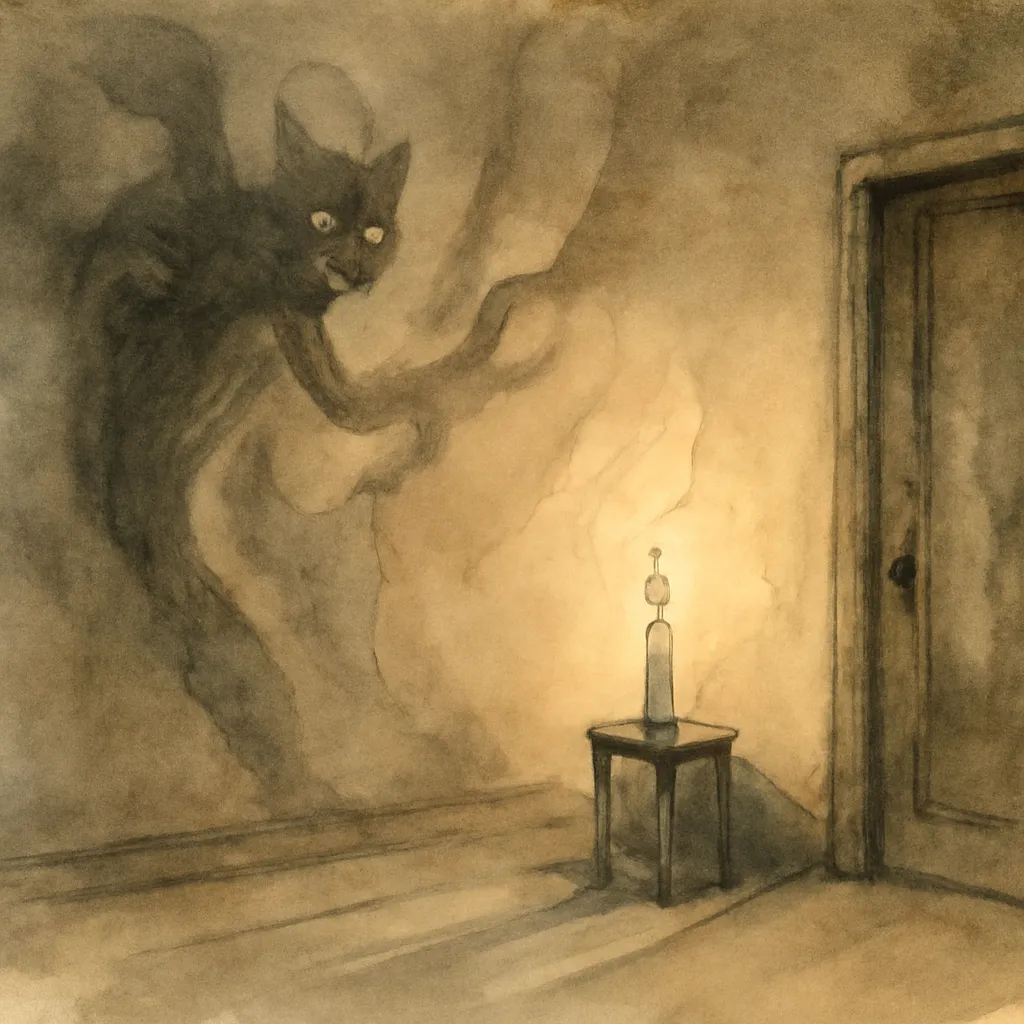
Throughout the narrative, Rees blurs the lines between supernatural influences and human malevolence. The ghostly presence of a cavalier, who warns Philip Heredith of the horrors that await him for founding his lineage in violence, serves as a chilling reminder that the past is never truly gone. This spectral warning raises questions about the nature of evil—whether it is an intrinsic part of humanity or a consequence of external forces. The characters are faced with moral dilemmas that force them to confront their own potential for darkness. As they delve deeper into the mystery, the interplay between the supernatural and human actions complicates their understanding of guilt and responsibility, suggesting that evil can arise from both within and outside oneself.
4.Murder as a Catalyst for Truth
The murder of Violet Heredith serves as the central catalyst that propels the narrative forward, forcing characters to confront uncomfortable truths about themselves and their relationships. As the investigation unfolds, it reveals hidden resentments, jealousies, and secrets that have festered beneath the surface of polite society. The act of murder is not just a plot device; it becomes a means through which characters must reckon with their pasts and the consequences of their actions. Detective Superintendent Merrington’s relentless pursuit of the truth highlights the idea that uncovering hidden motives and desires is essential for justice. This exploration of truth—both personal and societal—challenges readers to consider the nature of justice and the lengths to which individuals will go to protect their own interests.
5.The Role of Women: Agency and Constraint
Rees presents complex female characters, particularly Miss Heredith and Hazel Rath, who navigate the constraints of their societal roles while grappling with personal desires and ambitions. Miss Heredith, as the matriarch of the household, embodies both authority and vulnerability, managing the expectations placed upon her while also yearning for autonomy. Hazel, on the other hand, represents the struggle between societal expectations and personal aspirations, particularly in her relationship with Phil Heredith. The novel examines how women in the early 20th century were often relegated to the background, their agency limited by patriarchal structures. Yet, both women demonstrate resilience and strength, challenging the status quo in their pursuit of love and justice. Their narratives invite readers to reflect on the evolving roles of women in society and the ongoing struggle for agency.
6.The Detective's Dilemma: Method vs. Instinct
Detective Superintendent Merrington embodies the archetypal detective figure, blending rigorous investigative methods with instinctual insights. His approach to solving the murder reflects the tension between traditional detective work and the intuitive leaps that often lead to breakthroughs. While Merrington relies on the evidence gathered from witnesses and the physical environment, he also grapples with the emotional dimensions of the case, recognizing that human motivations often defy logic. This duality in his character highlights the complexities of criminal investigation, suggesting that understanding human behavior is as crucial as the physical evidence. Rees effectively portrays the challenges detectives face in balancing methodical investigation with the unpredictable nature of human emotion and behavior, making for a rich exploration of the detective genre.
7.The Impact of Societal Norms on Justice
The novel critiques the societal norms that shape perceptions of justice and morality. Characters in the story often navigate a web of social expectations that complicate their responses to the murder. For instance, the reluctance of guests to discuss the crime illustrates how social standing and respectability can hinder the pursuit of truth. This tension raises questions about the fairness of a justice system influenced by class and privilege. The investigation reveals that those in power can manipulate narratives to protect their interests, underscoring the idea that justice is not always served impartially. Rees’s portrayal of societal norms invites readers to consider how external pressures can shape personal ethics and the pursuit of justice, resonating with contemporary discussions about privilege and accountability.
8.Interpersonal Relationships: Trust and Betrayal
The relationships among characters are fraught with tension, trust issues, and betrayal, reflecting the fragile nature of human connections. The murder exposes underlying conflicts and rivalries that threaten to unravel the fabric of their community. As the investigation progresses, alliances shift, and characters are forced to confront their loyalties. Phil’s relationship with Hazel, for instance, complicates the dynamics of trust and betrayal, as personal feelings become entangled with the broader implications of the murder. This exploration of interpersonal relationships underscores the idea that human connections are often more complicated than they appear, revealing the depths of love, jealousy, and ambition. Rees’s nuanced portrayal of these relationships invites readers to reflect on their own experiences with trust and betrayal.
9.The Power of Secrets: Silence and Revelation
Secrets play a pivotal role in the narrative, driving the plot and shaping character motivations. The characters’ reluctance to confront their truths creates an atmosphere of tension that permeates the story. The act of murder forces secrets to the surface, revealing hidden desires and resentments. For example, Hazel’s silence regarding her feelings for Phil becomes a focal point in the investigation, suggesting that unspoken truths can have devastating consequences. Rees illustrates how secrets can bind individuals together while simultaneously isolating them, creating a paradox that complicates relationships. The revelation of these secrets not only propels the plot but also serves as a commentary on the necessity of honesty in human interactions. This theme resonates with readers, highlighting the importance of confronting one’s truths.
10.The Interplay of Fate and Free Will
The narrative grapples with the concepts of fate and free will, particularly in the context of the characters’ choices and the consequences that follow. The ghostly warning delivered to Philip Heredith suggests a predetermined outcome shaped by historical actions, raising questions about the extent to which individuals can alter their fates. As characters make decisions in response to the murder, they navigate a landscape where their choices are influenced by familial legacies and societal expectations. Rees invites readers to ponder whether the characters are mere pawns in a larger historical narrative or if they possess the agency to shape their destinies. This exploration of fate versus free will adds depth to the story, encouraging readers to contemplate the complexities of human existence and the interplay between past actions and future outcomes.