Fiction
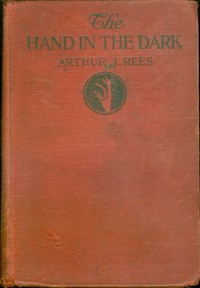
The Hand in the Dark by Arthur J. Rees — Summary, Key Ideas & Full Text
354 pages28 chapters7h 6m read5h 2m speed read✦ 9-min Big ideasFree · no account
Rate it
A gripping tale of murder, history, and the dark secrets that linger in the shadows of an ancient estate
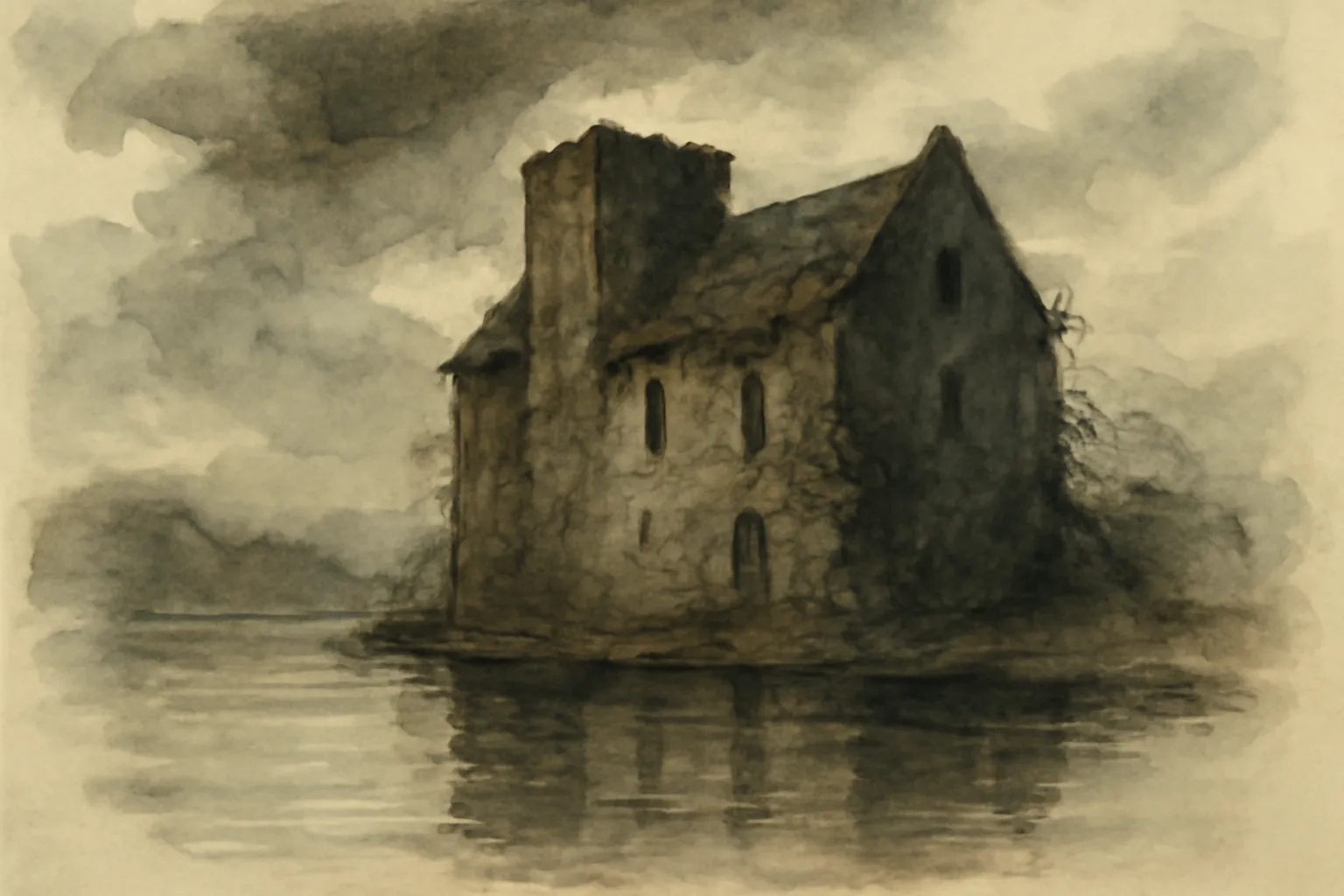
In 'The Hand in the Dark,' Arthur J. Rees weaves a chilling narrative set against the backdrop of a mysterious English moat-house, where a brutal murder disrupts the seemingly tranquil lives of its inhabitants. As the story unfolds, readers are drawn into a complex web of historical legacies, familial ties, and the haunting presence of past sins that shape the present. The novel is not just a murder mystery; it delves into the nature of guilt, revenge, and the supernatural echoes of history. Through a richly layered plot, Rees invites readers to question the boundaries between innocence and guilt, and the ways in which the past can shape our destinies. This exploration of human nature and the consequences of actions resonates deeply, making it a compelling read for fans of mystery and psychological drama.
Arthur J. Rees's 'The Hand in the Dark' is a masterful exploration of the complexities of human nature, woven into a compelling murder mystery that transcends mere plot mechanics. The interplay of history, legacy, and personal choice raises profound questions about morality and the human condition. As characters confront their pasts and grapple with their present realities, readers are invited to reflect on the ways in which history shapes identity and the delicate balance between fate and free will. The novel serves as a reminder that the shadows of our actions linger long after we believe they have faded, making it a timeless exploration of guilt, revenge, and the quest for redemption. Ultimately, 'The Hand in the Dark' resonates deeply, leaving readers to ponder the eternal struggle between light and darkness in human experience.
“Houses grow old like the race of men; the process is not less inevitable, though slower.”
“As he had founded his line in horror it would end in horror, and the house he had built would fall to the ground.”
“She has been shot.”
Read Arthur J. Rees's work free on Lumina — the complete text plus an 8-minute summary and key ideas, no account needed