1.The Call of Adventure
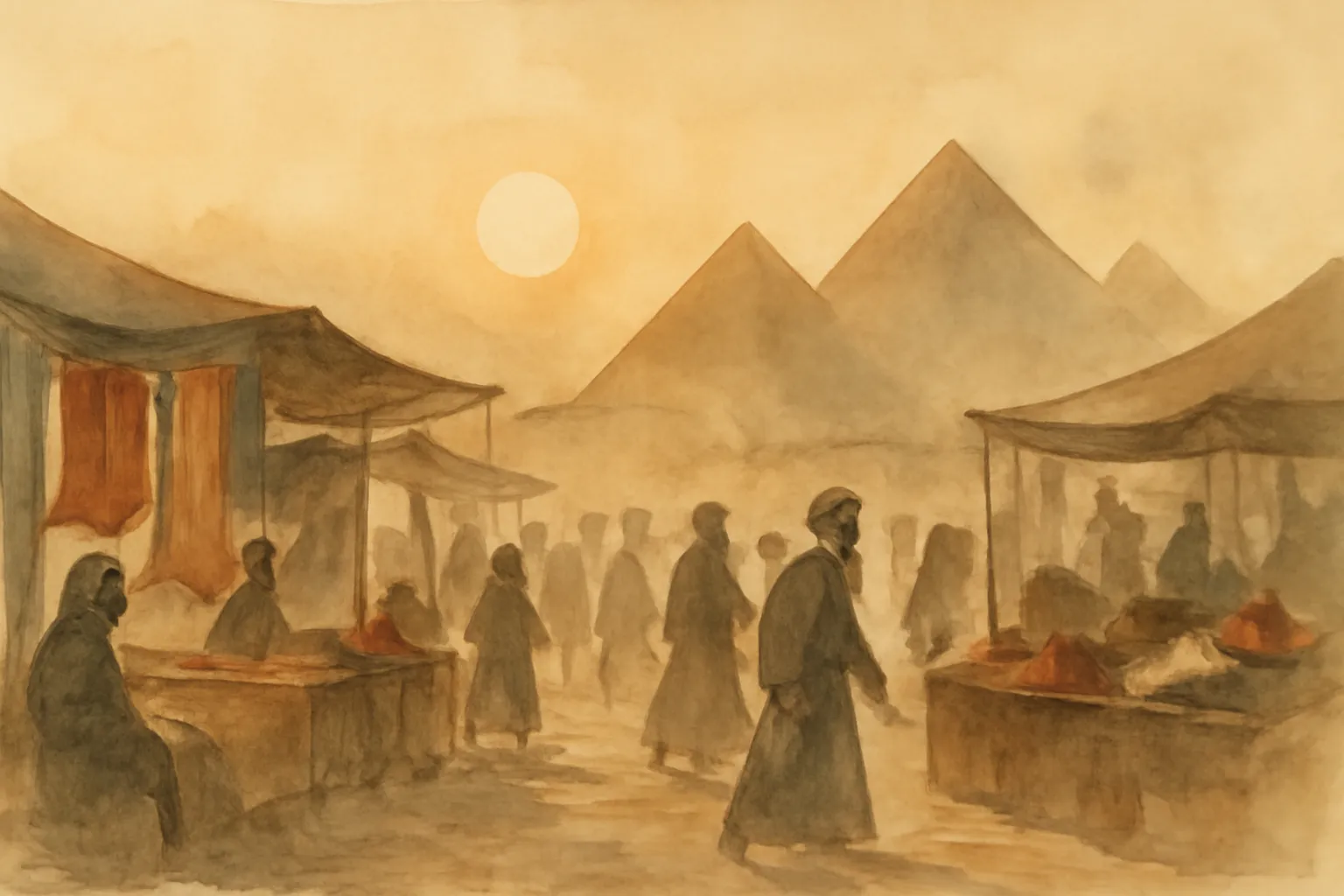
Damaris, the protagonist, embodies the spirit of adventure as she arrives in Egypt, a place steeped in mystery and allure. Her journey is sparked by a desire to explore a land rich with history and culture, as well as to escape the constraints of her life back home. The vibrant descriptions of Cairo, from the bustling Khan el-Khalili market to the serene beauty of the desert, serve to heighten her sense of adventure. As she ventures through the native quarters, her beauty draws attention, and she grapples with the duality of being both an object of admiration and a woman seeking independence. This tension between societal expectations and personal desire propels the narrative forward, illustrating how adventure is not merely about physical journeys but also about the exploration of one's identity.
2.Beauty and Its Consequences
Damaris is described as possessing an extraordinary beauty that captivates those around her, yet this beauty also becomes a source of conflict and concern. Her striking features, including her red curls and deep purple eyes, attract admiration but also unwanted attention from suitors eager to possess her. This dynamic reflects the societal pressures faced by women, particularly those who stand out in a crowd. Damaris' father, Squire Hethencourt, acknowledges the challenges that come with her beauty, advising her to remain cautious. Yet, Damaris longs for genuine connection rather than superficial admiration, highlighting the struggle between external perception and internal authenticity. The narrative suggests that beauty can be both a gift and a burden, complicating the pursuit of true love and freedom.
3.Cultural Clash and Identity
As Damaris navigates the vibrant cultural landscape of Egypt, the story delves into the complexities of cultural identity and the clash between Eastern and Western values. Damaris, an English girl in a foreign land, must contend with different customs and societal norms, which often leave her feeling out of place. Her interactions with characters like Hugh Carden Ali, who embodies the rich heritage of his Arab lineage, reveal the nuances of cultural exchange and misunderstanding. The narrative addresses how these cultural differences shape relationships, as Damaris learns to appreciate the beauty of the unfamiliar while also confronting the prejudices that arise from her own upbringing. This exploration of cultural identity underscores the theme of belonging and the search for one's place in a world that is often divided by tradition and modernity.
4.The Role of Fate
Fate plays a significant role in 'The Hawk of Egypt,' shaping the lives of the characters in profound ways. The notion that destiny weaves an intricate web around their lives is echoed in the opening lines, suggesting that their paths are preordained. Damaris often finds herself at the mercy of circumstances beyond her control, whether it's the allure of the desert or the expectations placed upon her by family and society. Her encounters with fate are mirrored in the lives of others, such as Hugh and Zulannah, whose choices are also influenced by their backgrounds and desires. This theme of fate invites readers to ponder the extent to which our lives are shaped by external forces versus our own decisions, ultimately suggesting that while fate may guide us, it is our actions that define us.
5.Love as a Double-Edged Sword
The novel intricately explores the theme of love, portraying it as both a source of joy and a catalyst for conflict. Damaris experiences a range of romantic entanglements, from the innocent affection of her childhood suitors to the intense, tumultuous feelings she develops for Hugh Carden Ali. Each relationship reveals different facets of love, including its ability to empower and its potential to ensnare. As Damaris grapples with her feelings, she must navigate the expectations of romantic love versus the desire for independence. The story illustrates how love can drive individuals to take risks, challenge societal norms, and ultimately discover their true selves. In this way, love becomes a transformative force that shapes the characters' journeys and decisions throughout the narrative.
6.The Complexity of Female Relationships
Damaris' interactions with other women, particularly her maid Jane Coop and the courtesan Zulannah, highlight the complexity of female relationships in a patriarchal society. Jane serves as both a confidante and protector, embodying the loyalty and support that women can offer one another. In contrast, Zulannah represents the darker side of female ambition and rivalry, using her beauty and cunning to manipulate those around her. The contrast between these two women illustrates the diverse paths available to women, shaped by their choices and circumstances. Damaris' relationship with Zulannah, in particular, serves as a reminder of the competitive nature of women vying for love and status in a male-dominated world. This exploration of female relationships underscores the importance of solidarity and understanding among women, even when faced with rivalry and conflict.
7.The Influence of the Past
The weight of history looms large in 'The Hawk of Egypt,' with the ancient ruins and cultural heritage of Egypt serving as a backdrop for the characters' personal narratives. The setting not only enriches the story but also compels the characters to confront their own histories and the legacy of their families. Damaris' mixed heritage—being the daughter of an English father and an Italian mother—adds layers to her identity, as she grapples with the expectations of both cultures. The historical context of Egypt, with its rich tapestry of stories and legends, parallels Damaris' journey, suggesting that the past is inextricably linked to the present. This connection emphasizes the theme that understanding one's roots can lead to greater self-awareness and acceptance, as the characters seek to reconcile their identities with the influence of their backgrounds.
8.Adventure as Self-Discovery
Damaris' adventures throughout Egypt serve as a means of self-discovery, allowing her to forge her own path amidst the chaos of her emotions and societal pressures. Each encounter, whether with the locals in the bazaar or the vastness of the desert, challenges her perceptions and forces her to confront her desires. The desert itself becomes a symbol of freedom and exploration, contrasting with the constraints of her life in England. As she rides through the sands, Damaris begins to understand her own strength and resilience, discovering that true adventure lies not just in physical journeys but in the courage to embrace one's identity. This theme of self-discovery resonates with readers, highlighting the transformative power of travel and experience in shaping who we are.
9.The Consequences of Choices
Throughout the narrative, characters face pivotal moments that revolve around the choices they make, illustrating the consequences that arise from these decisions. Damaris' refusal of Ben Kelham's proposal is a monumental choice that sets off a chain of events, leading her to confront her own feelings and the expectations of others. Similarly, Hugh's decisions regarding his love for Damaris and his obligations to his family reflect the complexities of loyalty and passion. The narrative emphasizes that every choice carries weight, often leading to unforeseen consequences that can alter the course of one's life. This exploration of choice and consequence encourages readers to reflect on their own decisions and the impact they have on their lives and relationships.
10.The Intersection of Love and Duty
The characters in 'The Hawk of Egypt' constantly navigate the tension between love and duty, often finding themselves torn between personal desires and familial obligations. Damaris' struggle to reconcile her love for Hugh with the expectations placed upon her by her father and society illustrates this conflict. Similarly, Hugh faces pressures from his family and cultural heritage that complicate his relationship with Damaris. The narrative highlights how duty can sometimes overshadow love, leading to difficult choices and emotional turmoil. This exploration of love and duty resonates with readers, inviting them to consider how societal expectations can shape personal relationships and the sacrifices individuals make in the name of love.