Romance · Adventure · Fiction
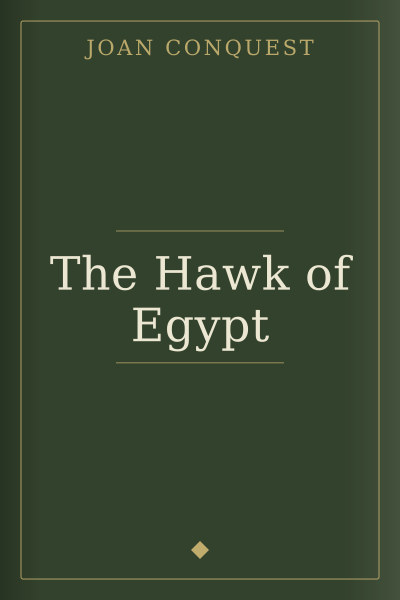
The Hawk of Egypt by Joan Conquest — Summary, Key Ideas & Full Text
258 pages35 chapters5h 11m read3h 41m speed read✦ 8-min Big ideasFree · no account
Rate it
In 'The Hawk of Egypt,' love, adventure, and fate intertwine against the backdrop of ancient Egypt's rich tapestry, revealing the complexities of desire and identity
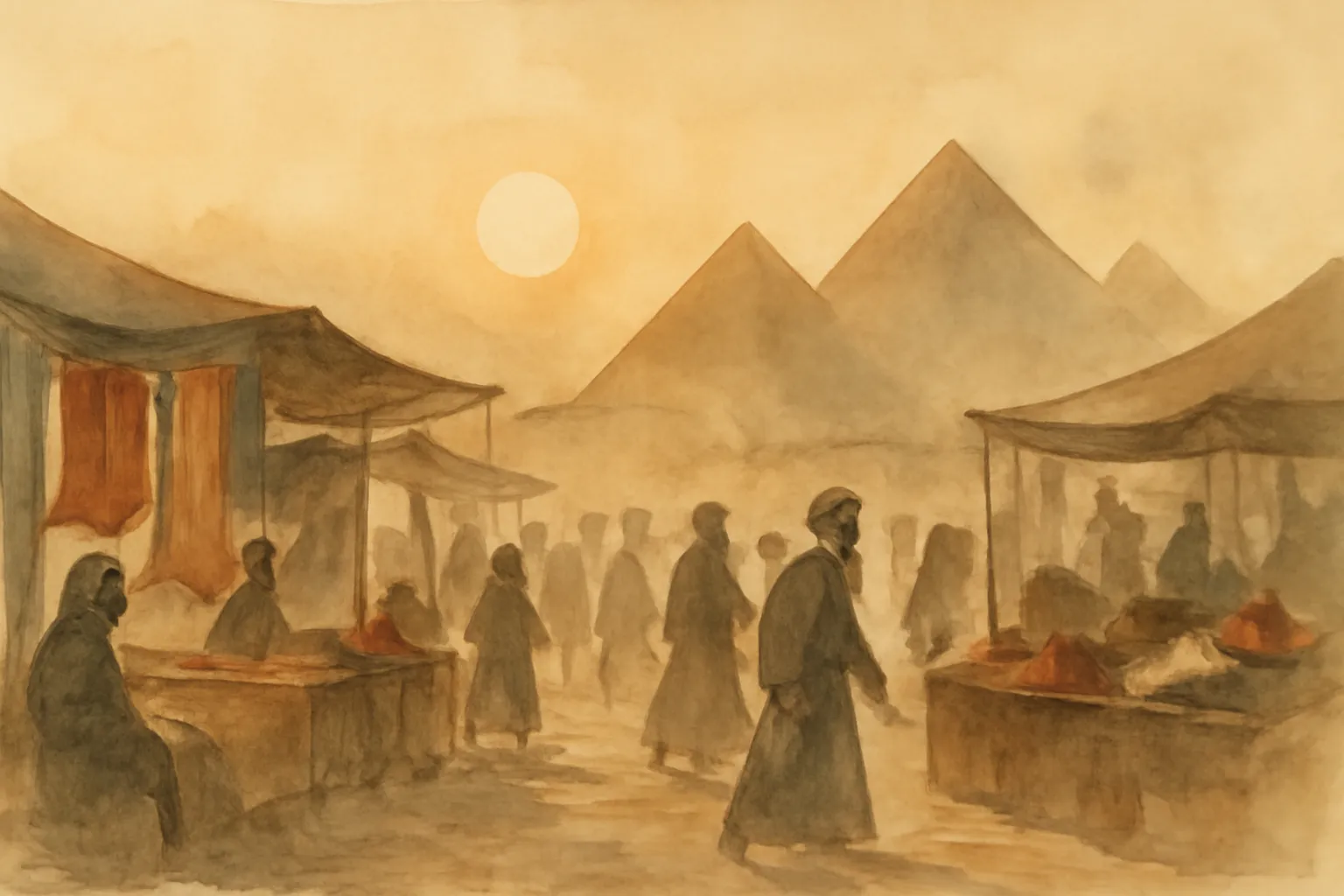
Joan Conquest's 'The Hawk of Egypt' immerses readers in a vivid world where the struggles of youthful passion collide with cultural expectations and the weight of destiny. Through the experiences of Damaris, a strikingly beautiful and spirited young woman, the narrative unfolds against the enchanting yet perilous landscape of Cairo and its surroundings. As she navigates her relationships with a cast of memorable characters, including the enigmatic Hugh Carden Ali and the ambitious courtesan Zulannah, Damaris' journey challenges notions of love, loyalty, and the quest for personal freedom. This exploration of desire and identity, set against the historical backdrop of Egypt, invites readers to reflect on the forces that shape our lives and the choices we make in the pursuit of happiness. Delve into a tale that is as much about the external adventures in the desert as it is about the inner battles of the heart.
In 'The Hawk of Egypt,' Joan Conquest weaves a rich tapestry of love, adventure, and the quest for identity against the mesmerizing backdrop of Egypt. Through the experiences of Damaris and her interactions with a diverse cast of characters, the novel explores profound themes of beauty, culture, and the intersection of fate and choice. As Damaris embarks on her journey of self-discovery, readers are invited to reflect on their own lives and the complexities of love and duty. Ultimately, the story serves as a reminder that our paths are often shaped by both external forces and our own decisions, making the pursuit of happiness a deeply personal and transformative journey.
“For in the days we know not of Did fate begin Weaving the web of days that wove Your doom.”
“Dog, ounce, bear and bull, Wolf, lion, horse.”
“Lor! but women's rum cattle to deal with, the first man found that to his cost; And I reckon it's just through a woman, that the last man on earth'll be lost.”
Read Joan Conquest's work free on Lumina — the complete text plus an 8-minute summary and key ideas, no account needed