1.The Burden of Tradition

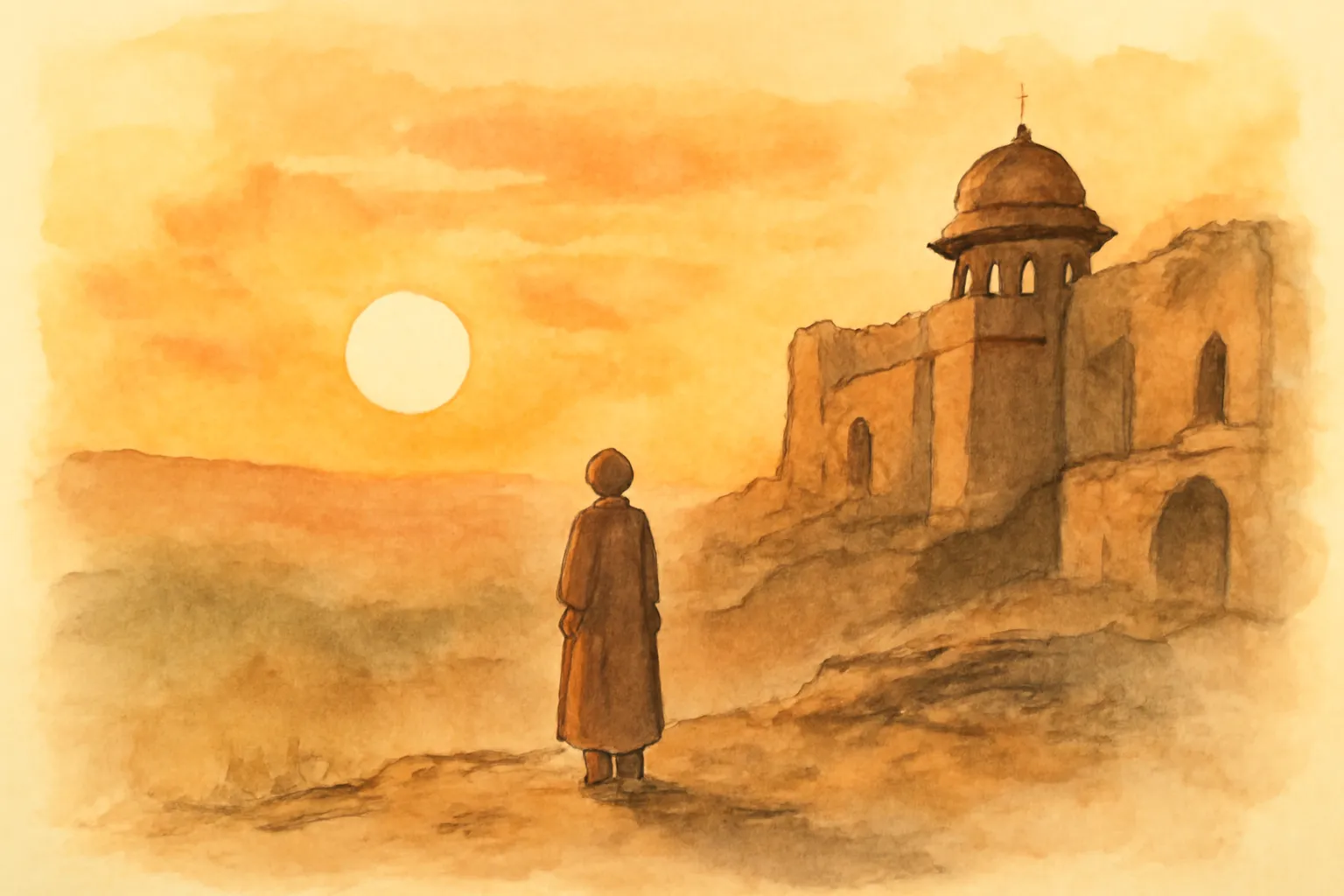
The narrative opens with a reflection on the past glories of the Rajputs, highlighting the deep cultural roots that shape the characters’ identities. Rani Kurnavati’s bravery in saving her kingdom serves as a powerful symbol of loyalty and sacrifice. This historical context is essential as it frames the contemporary struggles faced by characters like Major Tristram, who find themselves caught between the weight of tradition and the pull of modernity. As Tristram navigates his role as a doctor, he embodies the conflicts of a colonial society where Western medicine and ideals clash with ancient customs. The story poses critical questions about how tradition influences personal choices and societal roles, suggesting that the past is never truly behind us but intricately woven into the fabric of our present lives. For instance, when Tristram reflects on his duties, he often recalls the tales of valor from the past, feeling the pressure to uphold that legacy in his professional and personal life.
2.Love as a Revolutionary Force
At the heart of the story is the relationship between Tristram and Sigrid, which transcends cultural boundaries and societal expectations. Their love is depicted as a force that challenges the norms of their time, suggesting that true affection can defy the constraints imposed by tradition. Sigrid, a dancer, represents the allure of modernity and the changing landscape of Indian society, while Tristram, as a soldier and doctor, grapples with his duty to his country and his heart. Their interactions reveal the transformative power of love, as it inspires them to confront their fears and prejudices. For example, their conversations often challenge each other’s perspectives on life, leading them to reconsider their preconceived notions about culture and identity. The narrative illustrates that love is not merely a personal affair but a catalyst for broader social change, emphasizing that genuine connections can lead to a reevaluation of values and priorities. This idea resonates deeply with the reader, as it captures the essence of love's capacity to inspire courage and create bridges where there were once divides.
3.The Dichotomy of East and West
The characters embody the contrasting ideals of Eastern tradition and Western modernity, creating a rich tapestry of cultural exchange. Tristram's British background juxtaposes Sigrid's Indian identity, and their relationship serves as a microcosm of the larger cultural tensions in India during the colonial period. The story presents various perspectives on this dichotomy, highlighting how the expatriates in Gaya react to Sigrid's presence. Characters like Captain Compton express skepticism about the influence of Western culture on Indian society, viewing it as a threat to traditional values. This tension is palpable in the interactions among the expatriates, who both admire Sigrid for her artistry and resent her for disrupting their established social order. Through these dynamics, the narrative invites readers to reflect on how these cultural exchanges shape individual identities and societal structures. It raises questions about what it means to assimilate or resist, and whether true understanding can ever be achieved between different cultures—a theme that resonates in today's globalized world.
4.Sacrifice and Duty
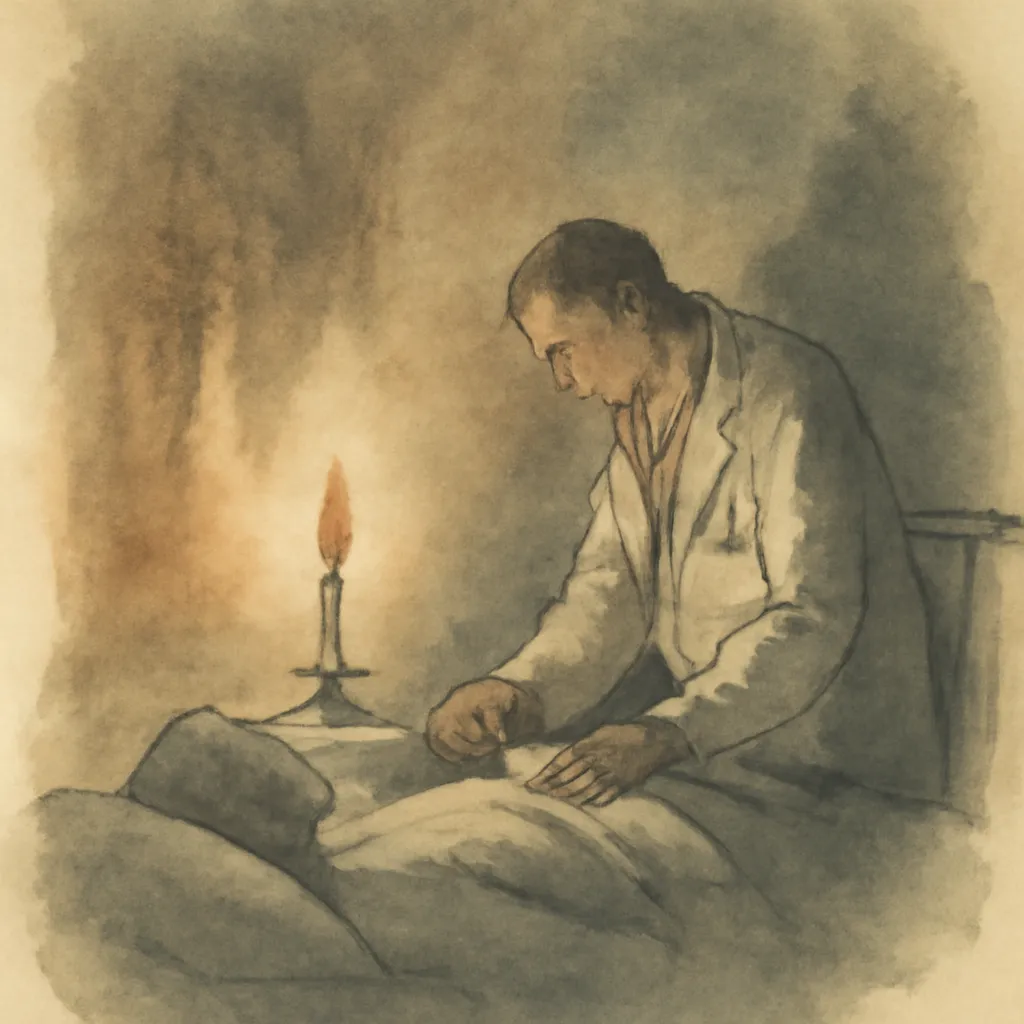
The theme of sacrifice is prevalent throughout the novel, particularly in the character of Major Tristram, who faces moral dilemmas tied to his profession and personal life. As a doctor, he is dedicated to saving lives amid the cholera outbreaks, embodying the selflessness expected of his role. Yet, his personal desires often conflict with his duty to his patients and the community. This internal struggle highlights the complexities of duty, as characters must navigate their responsibilities to others while also pursuing their own happiness. Tristram's sacrifices are not always grand; they often manifest in quiet moments of reflection where he weighs the cost of his choices. For example, his decision to prioritize his patients over his own emotional needs illustrates the burden of duty in a colonial setting. The narrative reveals how the sacrifices made by Tristram and Sigrid illustrate the painful choices individuals face when love and duty collide, prompting readers to consider the extent to which one should sacrifice for the sake of others and the implications that those choices have on personal fulfillment.
5.The Impact of Colonialism
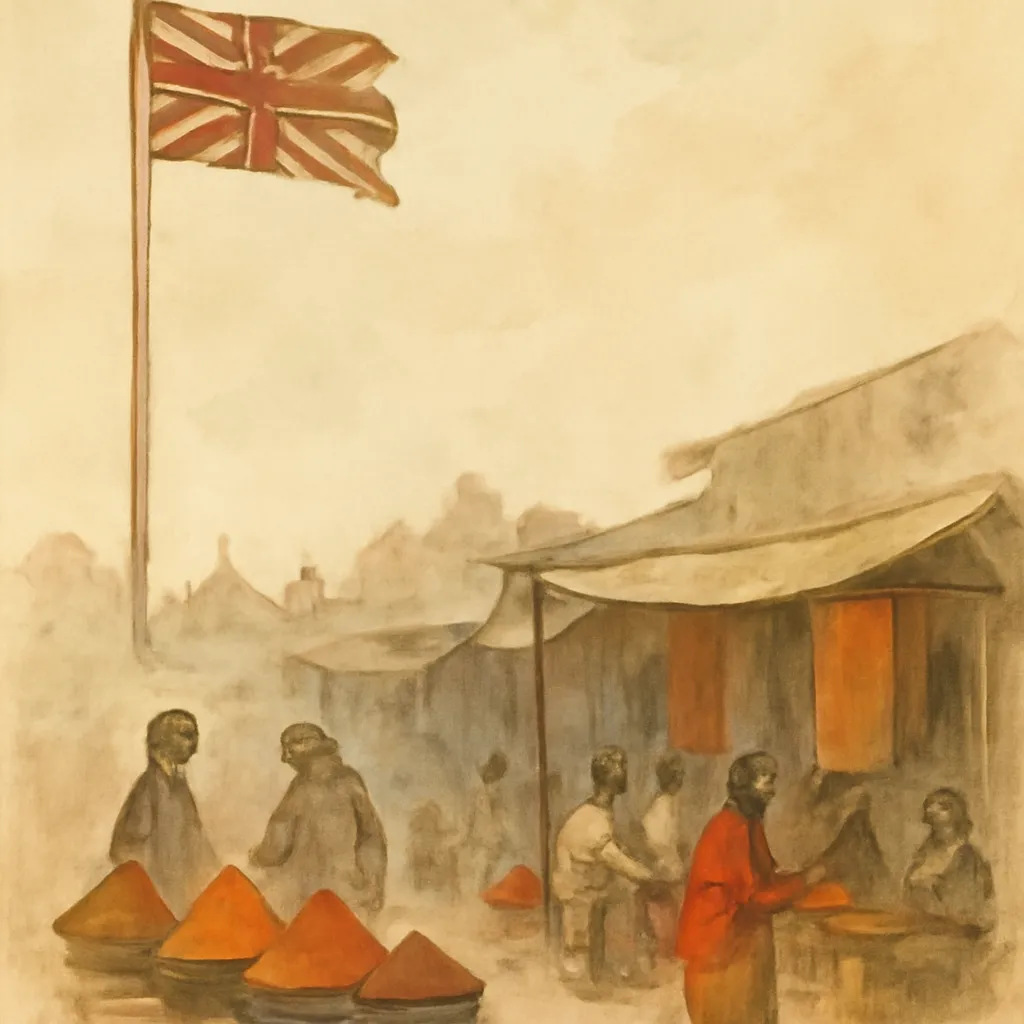
Set against the backdrop of colonial India, the novel explores the profound effects of British rule on Indian society. The characters grapple with the changes brought about by colonialism, from the introduction of Western medicine to the cultural shifts that accompany it. Tristram's role as a doctor symbolizes the colonial mission of 'civilizing' the native population, yet he is also portrayed as a compassionate figure who genuinely cares for his patients. This duality reflects the complexities of colonial relationships, where benevolence can coexist with power dynamics. The narrative critiques the romanticized view of colonialism, revealing the underlying tensions and conflicts that arise when cultures collide. For instance, Tristram's efforts to help the villagers are often met with resistance, as their traditions clash with his Western ideals. This tension serves as a reminder of the deep scars left by colonialism, prompting readers to consider the lasting effects of these historical injustices on contemporary society and the need for reconciliation.
6.The Role of Women in Society
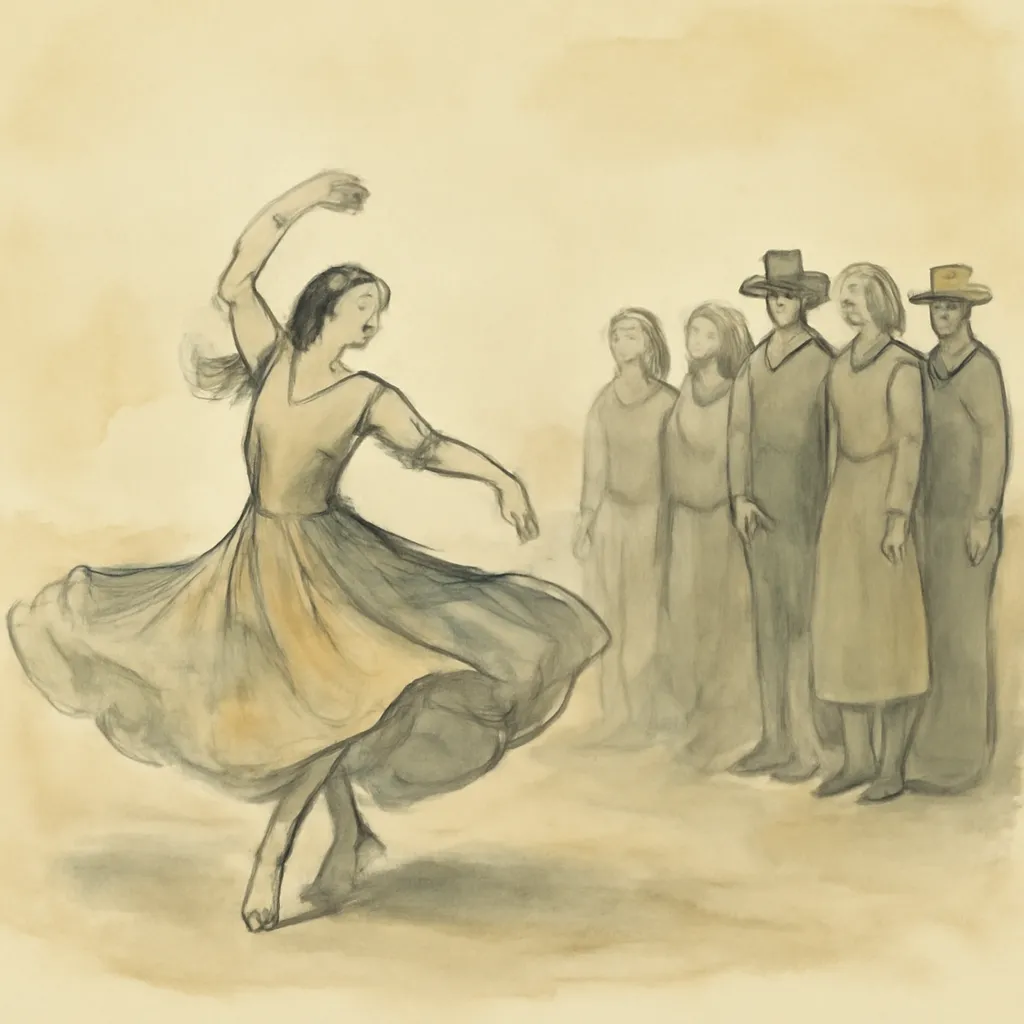
Sigrid Fersen, as a dancer and a central figure in the narrative, challenges traditional gender roles and expectations in Indian society. Her character embodies the struggle for agency and self-expression amidst societal constraints. The reactions of the expatriates to her presence highlight the varying attitudes toward women in colonial India, where Western ideals of freedom and individuality clash with traditional views of womanhood. Sigrid's journey reflects the broader struggle for women's rights and autonomy, as she navigates a world that often seeks to define her by her gender. The novel raises important questions about the role of women in society, suggesting that the fight for equality and recognition is an ongoing struggle that transcends cultural boundaries. Sigrid's strength lies not only in her artistry but also in her refusal to be confined by societal norms, making her a symbol of empowerment for women both in historical and contemporary contexts.
7.Nature as a Reflection of Human Emotion

Throughout the narrative, nature serves as a powerful metaphor for the characters’ emotional states and the tumultuous changes they undergo. The lush landscapes of Gaya, the flowing river, and the oppressive heat all mirror the inner turmoil of the characters, particularly Tristram and Sigrid. For instance, the stillness of the village during the cholera outbreak evokes a sense of dread and loss, reflecting the impact of disease on the community. Conversely, moments of beauty and tranquility in nature underscore the fleeting joys of love and connection. Specific passages describe how the beauty of a sunset can evoke longing in Tristram, or how a storm reflects the chaos in Sigrid's heart. This interplay between nature and human emotion enriches the narrative, suggesting that the environment is not merely a backdrop but an active participant in the characters’ lives, influencing their actions and decisions. Such reflections encourage readers to consider their own relationships with nature and how the external world can mirror internal struggles.
8.The Complexity of Identity

The novel delves into the intricate nature of identity, particularly through the character of Barclay, an Eurasian who embodies the tensions of living between two worlds. His experiences highlight the struggles faced by those who do not fully belong to either culture, grappling with issues of acceptance and self-worth. Barclay's journey reflects the broader theme of identity in a colonial context, where individuals often feel torn between their heritage and the expectations of society. The narrative invites readers to consider the fluidity of identity, suggesting that it is shaped by personal experiences, societal perceptions, and historical legacies. The conversations between Barclay and Tristram expose the prejudices that exist within both British and Indian communities, raising questions about belonging and the arbitrary nature of cultural divisions. This exploration of identity resonates with contemporary discussions on multiculturalism and belonging, making it a relevant theme for modern readers who navigate complex identities in an increasingly globalized society.
9.The Power of Community
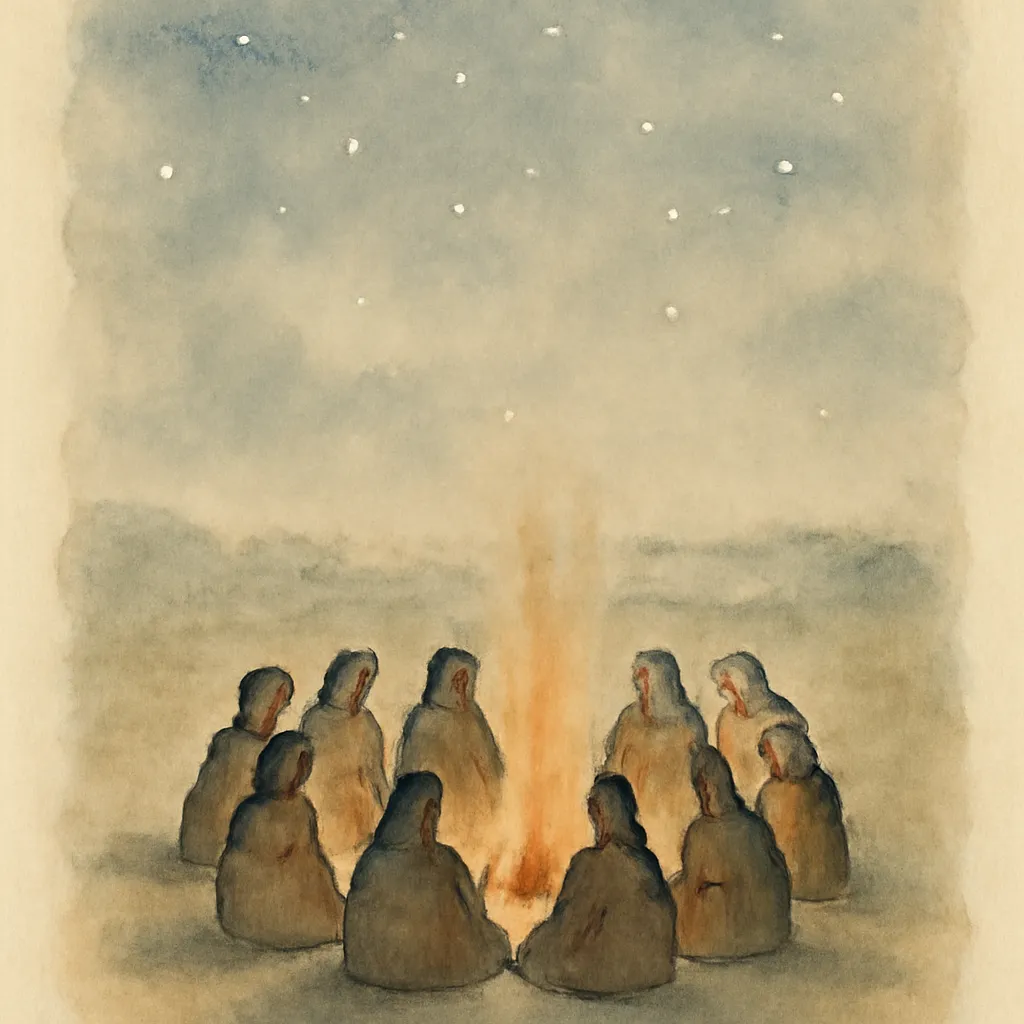
The interactions among the villagers and the expatriates in Gaya emphasize the importance of community and collective identity. The novel portrays various social dynamics, from the camaraderie among the British expatriates to the close-knit relationships within the village. These interactions reveal how community shapes individual lives, providing support and solidarity in times of crisis. Tristram’s efforts to combat cholera reflect the collective responsibility felt within the community, as everyone must come together to face the challenges posed by disease and colonial rule. The narrative highlights the idea that, despite cultural differences, shared experiences can foster understanding and cooperation. For instance, moments where the villagers come together to support one another during the cholera outbreak serve as a poignant reminder of the strength found in unity. This theme is essential as it encourages readers to reflect on their own communities and the role they play in fostering resilience and collective well-being.