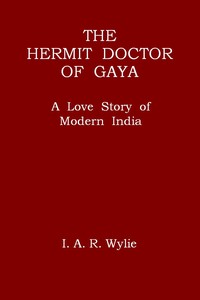

A rich tapestry of love and sacrifice unfolds in the clash between tradition and modernity in India
Read full overviewShow less›
The Hermit Doctor of Gaya: A Love Story of Modern India weaves a compelling narrative that explores the complexities of love, duty, and cultural transformation amid the backdrop of colonial India. Through the lives of its characters, particularly Major Tristram and the enigmatic dancer Sigrid Fersen, the story delves into the tensions between Western ideals and traditional Indian values. Readers will journey through the vibrant landscapes of Gaya, where the past and present collide, and discover how personal relationships are shaped by societal expectations and historical legacies. This tale is not only a romance but a profound commentary on the human condition, making it a poignant reflection on love's power and the sacrifices it demands.
The Hermit Doctor of Gaya: A Love Story of Modern India is a profound exploration of love, duty, and cultural transformation in a colonial context. Through its rich characters and intricate narrative, the novel examines the complexities of identity, the impact of tradition and modernity, and the sacrifices individuals make for love and community. The story serves as a reminder of the enduring power of human connection, urging readers to reflect on their own relationships and the societal structures that shape them. Ultimately, it is a tale that resonates with the universal themes of love and sacrifice, making it a timeless reflection on the human experience.
- 1The Burden of Tradition
- 2Love as a Revolutionary Force
- 3The Dichotomy of East and West
- 4Sacrifice and Duty
- 5The Impact of Colonialism
Notable quotes
“Those were the great days!”
“It's positively unpatriotic. It's a blow at the very foundations of the Empire—!”
“It's as though I knew she was going to bring trouble—a sort of presentiment—”
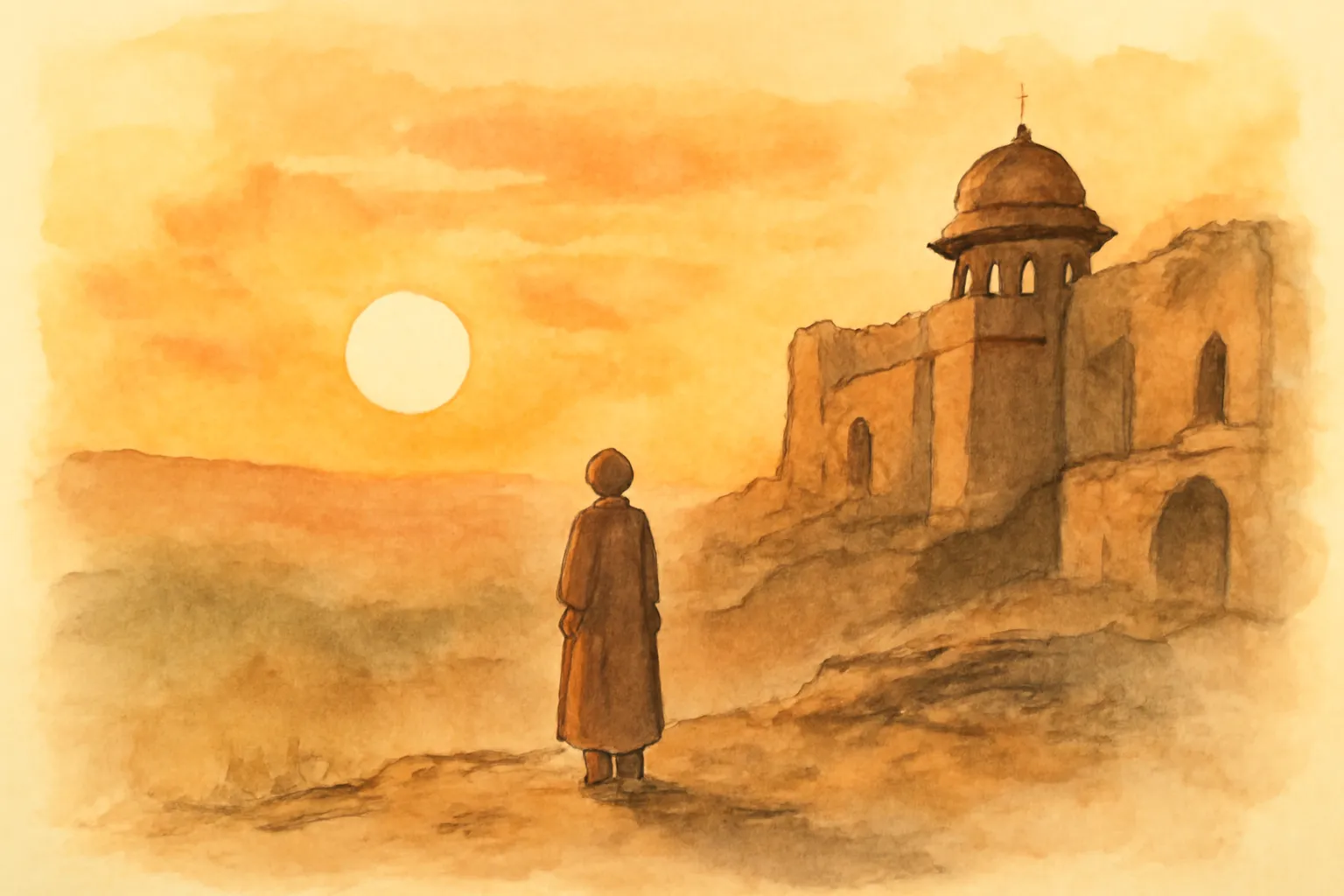
A glimpse inside

The narrative opens with a reflection on the past glories of the Rajputs, highlighting the deep cultural roots that shape the characters’ identities. Read moreThe narrative opens with a reflection on the past glories of the Rajputs, highlighting the deep cultural roots that shape the characters’ identities. Rani Kurnavati’s bravery in saving her kingdom serves as a powerful symbol of loyalty and sacrifice. This historical context is essential as it frames the contemporary struggles faced by characters like Major Tristram, who find themselves caught between the weight of tradition and the pull of modernity. As Tristram navigates his role as a doctor, he embodies the conflicts of a colonial society where Western medicine and ideals clash with ancient customs. The story poses critical questions about how tradition influences personal choices and societal roles, suggesting that the past is never truly behind us but intricately woven into the fabric of our present lives. For instance, when Tristram reflects on his duties, he often recalls the tales of valor from the past, feeling the pressure to uphold that legacy in his professional and personal life. Show less
At the heart of the story is the relationship between Tristram and Sigrid, which transcends cultural boundaries and societal expectations. Read moreAt the heart of the story is the relationship between Tristram and Sigrid, which transcends cultural boundaries and societal expectations. Their love is depicted as a force that challenges the norms of their time, suggesting that true affection can defy the constraints imposed by tradition. Sigrid, a dancer, represents the allure of modernity and the changing landscape of Indian society, while Tristram, as a soldier and doctor, grapples with his duty to his country and his heart. Their interactions reveal the transformative power of love, as it inspires them to confront their fears and prejudices. For example, their conversations often challenge each other’s perspectives on life, leading them to reconsider their preconceived notions about culture and identity. The narrative illustrates that love is not merely a personal affair but a catalyst for broader social change, emphasizing that genuine connections can lead to a reevaluation of values and priorities. This idea resonates deeply with the reader, as it captures the essence of love's capacity to inspire courage and create bridges where there were once divides. Show less
Read the full text — free
About the author
Read I. A. R. Wylie's work free on Lumina — the complete text plus an 8-minute summary and key ideas, no account needed