1.The Newcomer's Challenge
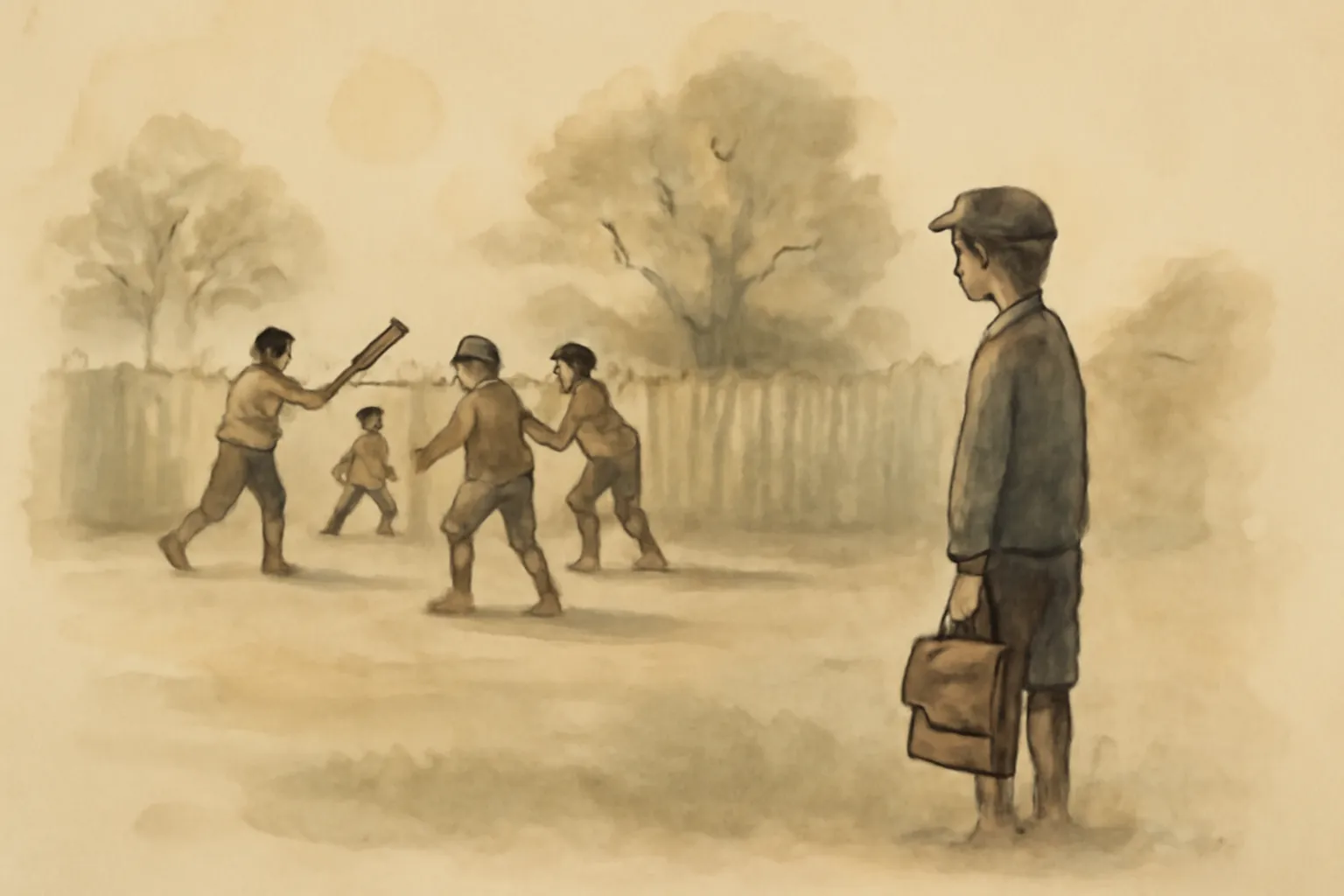
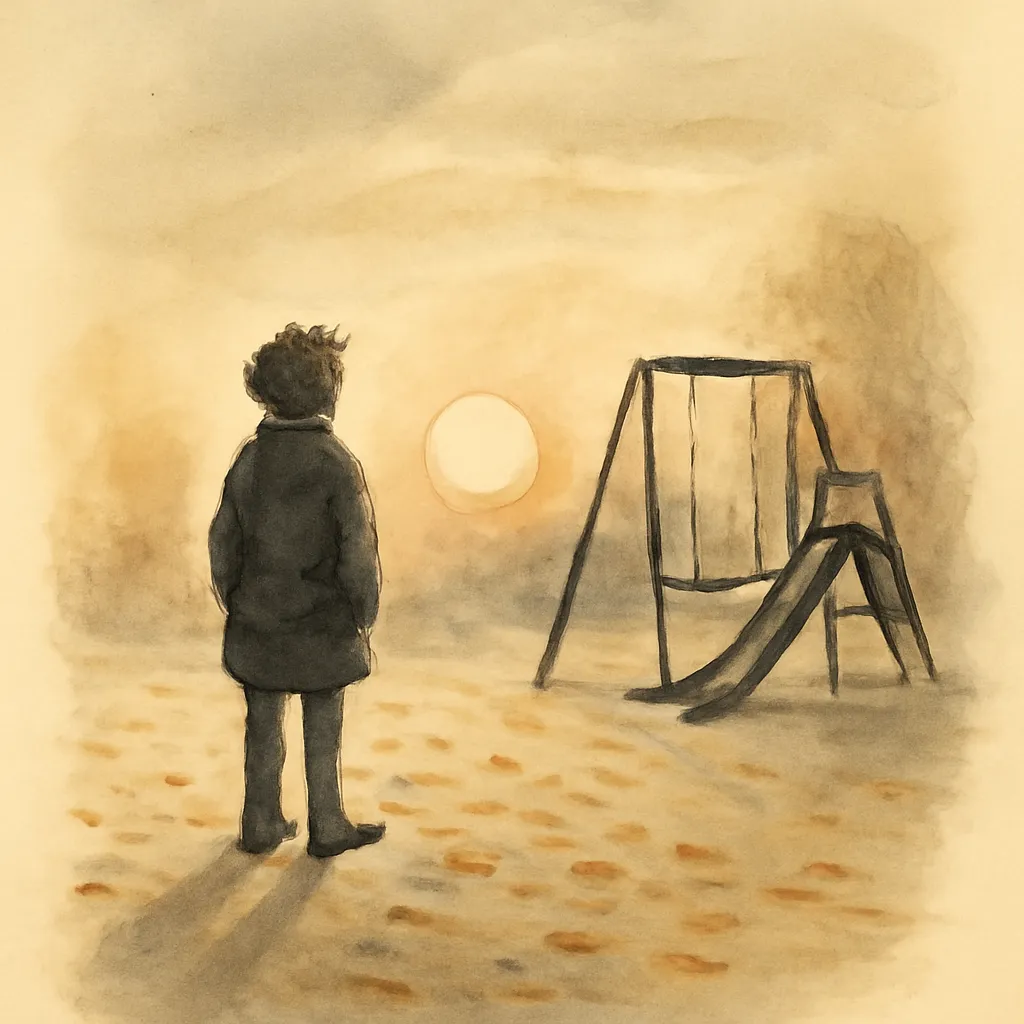
Jack Dudley, the protagonist, arrives at the Greenbank school as a newcomer, an experience that is both exciting and daunting. He quickly realizes he stands out due to his rustic background and his unfamiliarity with the local boys’ games, such as 'three old cat.' This sense of isolation is compounded by the bullying from Pewee Rose and Will Riley, who see Jack as an easy target due to his different upbringing. Eggleston illustrates Jack’s feelings of uncertainty as he watches the other boys play, emphasizing the universal experience of entering a new environment, where the desire for friendship often clashes with the harsh realities of peer dynamics. Jack's observations of the rules governing the games reflect his struggle to integrate into this tight-knit community, and his initial hesitance underscores the innate fear of being an outsider in social settings.
2.Bullying and Power Dynamics
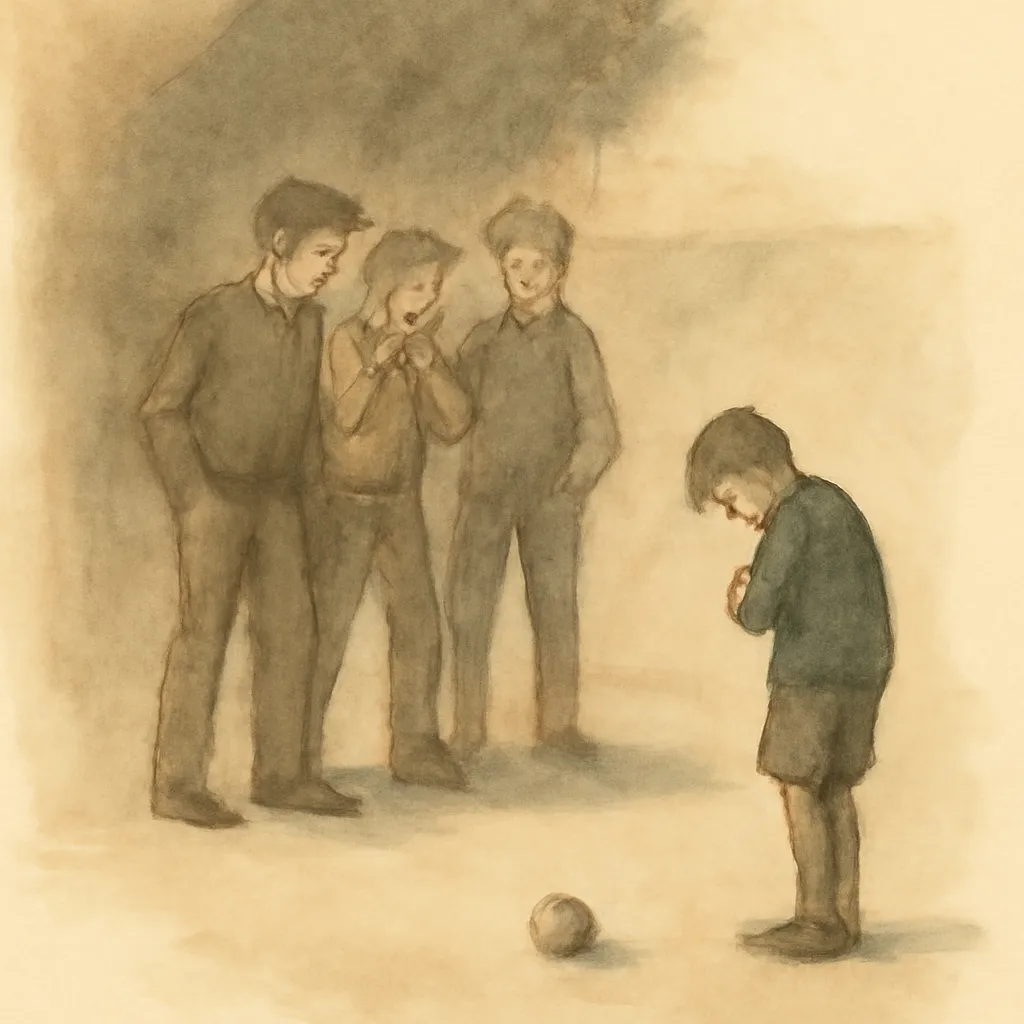
The interactions between Jack and his bullies, King Pewee and Will Riley, illustrate the complex power dynamics that exist among schoolchildren. Pewee, despite lacking intellectual acuity, wields physical strength and influence, creating an atmosphere of fear among his peers. Riley, with his sharp tongue, complements Pewee's brute force, showcasing how bullying can manifest in various forms—both physical and verbal. Jack’s reluctance to fight back, preferring instead to help his tormentors with their studies, speaks to his character's kindness but also his vulnerability. This relationship dynamic reflects a critical commentary on the nature of power in childhood, where intimidation often overshadows genuine camaraderie, and the consequences of bullying resonate deeply within the school community. Eggleston captures the ways in which bullying can isolate victims and create barriers to friendship and acceptance, forcing children to navigate their social worlds with caution.
3.Friendship as a Shield
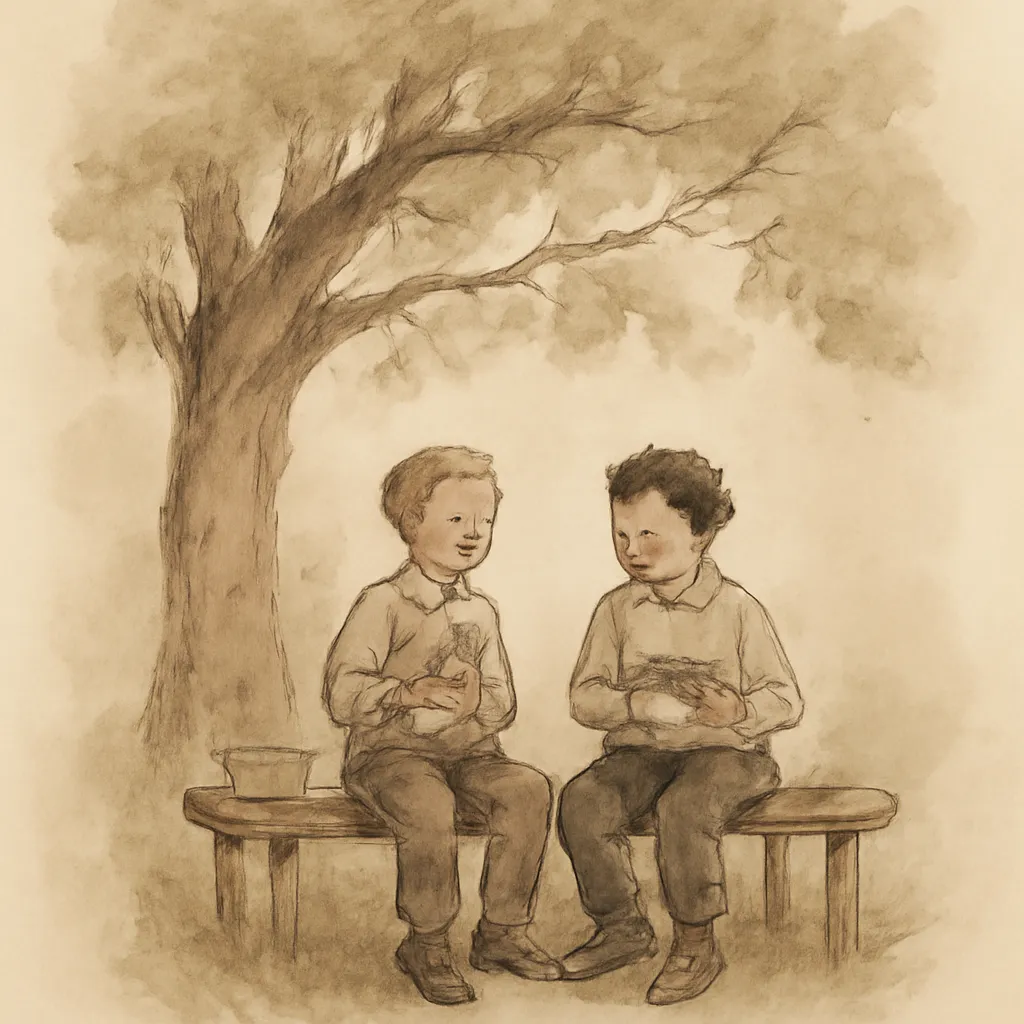
Amidst the trials of bullying, Jack finds solace in the friendship of Bob Holliday, a boy who embodies the spirit of loyalty and support. Bob’s protective nature offers Jack a buffer against the relentless taunts of Pewee and Riley. Their friendship becomes a refuge for Jack, allowing him to regain confidence and find joy in school despite the negativity surrounding him. As winter brings new students to the school, including the eccentric Columbus Risdale, Jack's circle of friends expands, further enriching his social life and providing a counterbalance to the bullying. The character of Bob serves as a reminder of the importance of having allies during challenging times, emphasizing how friendships can act as a form of resilience against adversity. This theme highlights the need for support systems in childhood, suggesting that strong friendships can empower children to face their fears and stand up against bullying.
4.The Role of Education

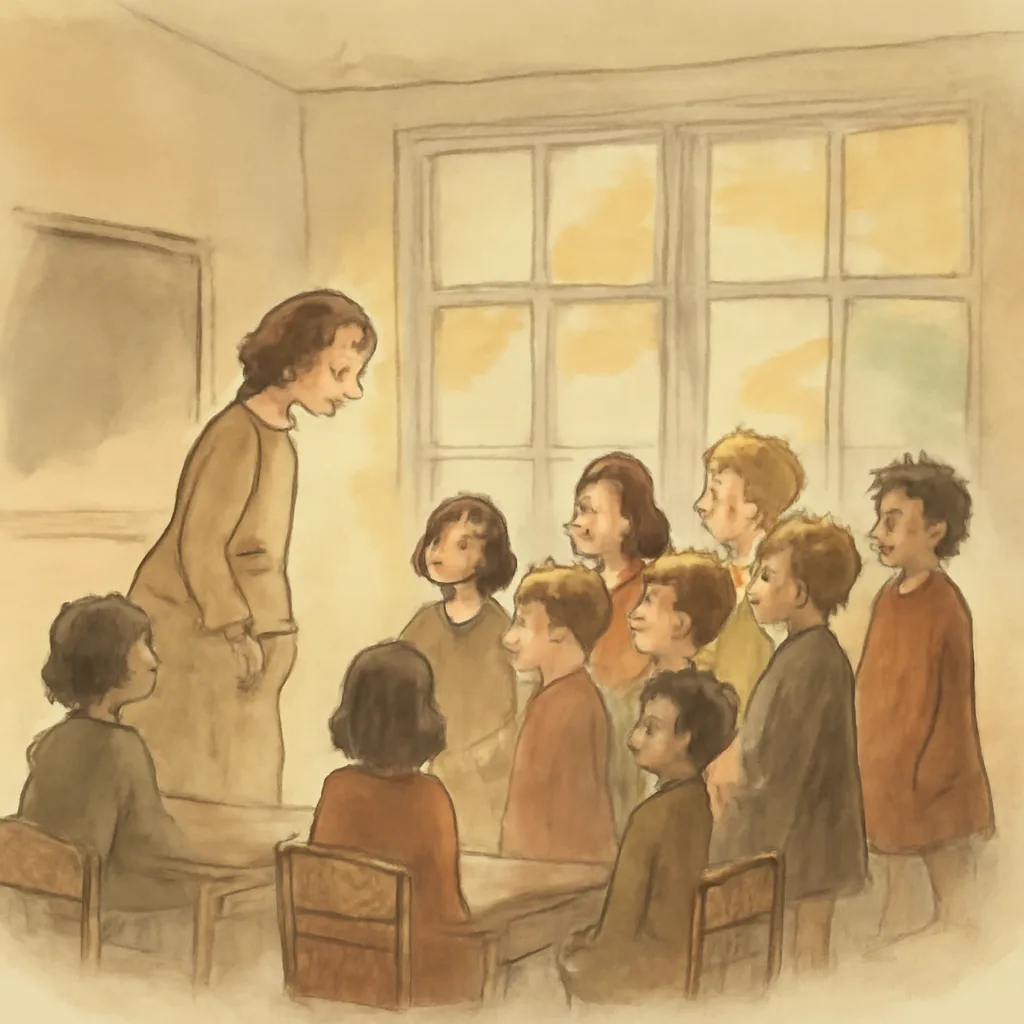
Education in 'The Hoosier School-boy' serves as both a privilege and a challenge for the characters. Jack's eagerness to learn contrasts sharply with the oppressive environment created by Mr. Ball, the schoolmaster, who embodies outdated pedagogical methods characterized by harsh discipline and corporal punishment. The narrative reflects the tension between the desire for knowledge and the fear of punishment, illustrating how such an environment can stifle curiosity and enthusiasm for learning. Jack's struggles with arithmetic and geography, compounded by his willingness to help his bullies, highlight the complexities of academic life during this era. The story ultimately advocates for a more compassionate and constructive approach to education, suggesting that nurturing students’ intellectual and emotional needs is essential for their development. Eggleston critiques the traditional education system that prioritizes discipline over understanding, urging a shift towards teaching methodologies that foster engagement rather than fear.
5.The Eccentricities of Childhood
Through characters like Columbus Risdale, Eggleston captures the quirks and eccentricities of childhood that define individual identities. Columbus, with his grandiose name and peculiar mannerisms, serves as both a target for ridicule and a source of fascination among his peers. His character challenges the norms of masculinity and societal expectations, illustrating that uniqueness can be both a strength and a vulnerability. Jack's growing friendship with Columbus demonstrates the importance of empathy and acceptance in forging connections with others who may be different. Columbus’s child-like ways and his brilliance in academics reveal how diverse personalities can contribute to the richness of childhood experiences. The narrative encourages readers to embrace diversity in personalities and backgrounds, suggesting that these differences enrich the tapestry of childhood experiences.
6.The Consequences of Strict Authority

Mr. Ball’s authoritarian approach to teaching exemplifies the detrimental effects of strict discipline on students’ morale and learning. His penchant for corporal punishment fosters an environment of fear, leading to rebellion among the boys and a reluctance to engage in the learning process. The narrative highlights the negative repercussions of such an approach, as students become disenchanted with education and view their teachers with resentment. Jack's encounter with Mr. Ball's harsh treatment shapes his perception of authority and influences his decisions throughout the story. The old master’s inability to connect with students leads to a lack of respect and compliance, which ultimately results in his dismissal. This theme resonates with contemporary discussions about the importance of creating supportive learning environments that empower students rather than intimidate them, advocating for educational approaches that foster collaboration and mutual respect.
7.Resilience in the Face of Adversity
Jack's journey throughout the narrative is marked by resilience as he confronts various challenges, from bullying to academic struggles. Despite the setbacks he faces, including physical intimidation and emotional distress, he remains determined to maintain his integrity and kindness. His refusal to succumb to the pressures of conforming to the bullies' expectations exemplifies his inner strength and moral fortitude. The support of friends like Bob and the eventual camaraderie with Columbus further bolster Jack's resilience, illustrating the importance of community in overcoming adversity. Eggleston emphasizes that resilience is not just about enduring hardships, but also about the ability to grow from them, adapt, and find strength in vulnerability. This theme serves as an inspiring reminder of the power of perseverance and the ability to rise above difficult circumstances, making it relatable to readers of all ages.
8.The Awakening of a Community
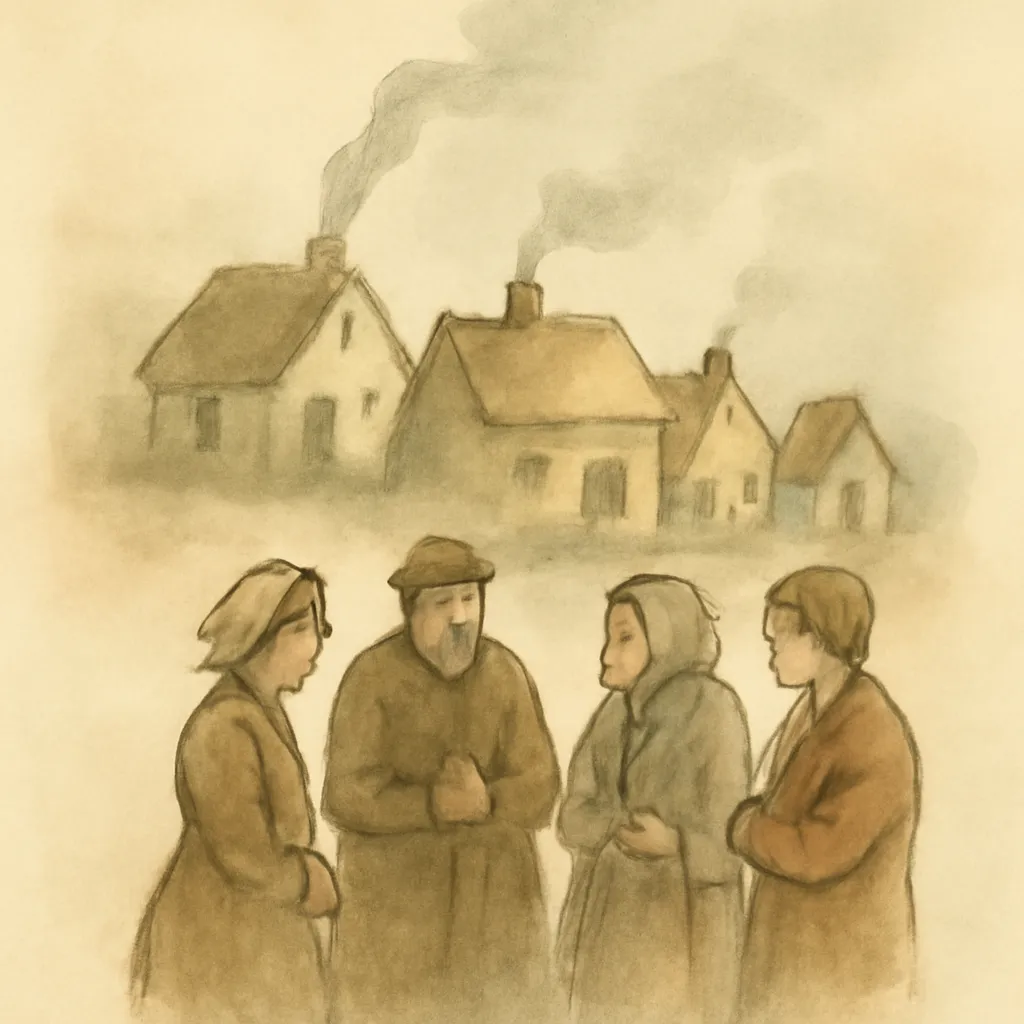
As the story unfolds, the village of Greenbank itself becomes a character, reflecting the collective consciousness of its inhabitants. The townspeople's reactions to the bullying incidents and the schoolmaster's methods reveal the tensions between tradition and progress within the community. The growing dissatisfaction with Mr. Ball’s methods leads to a collective awakening, as parents and citizens begin to advocate for a more humane approach to education. Susan Lanham's outspoken nature plays a pivotal role in rallying support for change, showcasing the power of youth activism in driving social reform. This community awakening serves as a microcosm for broader societal changes occurring during the era, emphasizing the importance of collective action in effecting positive change. Eggleston effectively captures the essence of a community grappling with its values and responsibilities towards its children, urging a transformation towards empathy and understanding.
9.Finding Identity Through Experience
Jack’s experiences at Greenbank school are instrumental in shaping his identity and understanding of the world. From navigating the complexities of friendship and rivalry to confronting the realities of authority and education, each encounter contributes to his growth. His longing for acceptance and his struggles with self-doubt reflect the universal quest for identity that many children face. As he learns to assert himself and stand up for his friends, Jack begins to carve out his own place within the school community. The narrative illustrates how formative experiences during childhood play a critical role in shaping character, values, and the ability to navigate life's challenges. Eggleston’s portrayal of Jack’s evolution serves as a poignant reminder that our experiences, both positive and negative, are vital in the journey of self-discovery.
10.The Shift Towards Compassionate Teaching
The eventual transition from Mr. Ball to a new, more empathetic teacher signifies a pivotal shift in educational philosophy. The new master, Mr. Williams, embodies a gentler, more supportive approach to teaching that prioritizes understanding and respect over fear. This change reflects the evolving attitudes towards education during the time, as communities began to recognize the importance of nurturing students' emotional and intellectual needs. The contrast between Mr. Ball and Mr. Williams serves as a commentary on the necessity for educators to adapt their methods to foster a positive learning environment. This theme resonates with contemporary discussions about the importance of kindness and compassion in education, advocating for approaches that empower rather than intimidate. Through Mr. Williams, Eggleston illustrates that a teacher's influence can be transformative, encouraging students to engage more fully with their education.