
A poignant exploration of childhood, camaraderie, and the challenges of growing up in a small American town
Read full overviewShow less›
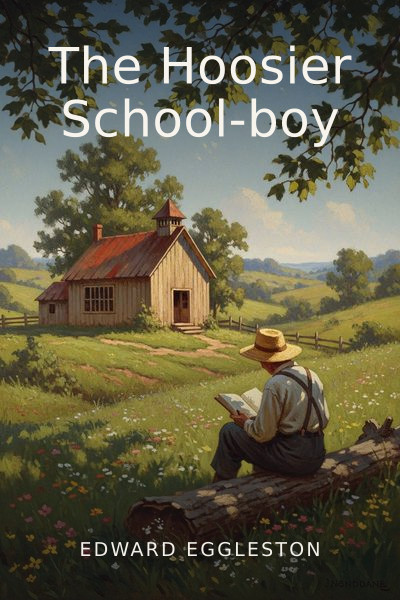
In 'The Hoosier School-boy,' Edward Eggleston presents a vivid portrayal of rural American life through the eyes of Jack Dudley, a new boy in a village school. The story unfolds in the small town of Greenbank, where Jack navigates the complexities of childhood friendships, rivalries, and the harsh realities of school life under a strict master. As he faces bullying from peers and the struggles of academic challenges, Jack's journey reflects the universal themes of innocence, resilience, and the quest for belonging. Readers will find themselves immersed in the rich tapestry of 19th-century American school life, gaining insights into the dynamics of youth and the formative experiences that shape character and values.
Edward Eggleston's 'The Hoosier School-boy' offers a rich exploration of the intricacies of childhood, the dynamics of education, and the transformative power of friendship. Through Jack Dudley's journey, readers are invited to reflect on their own experiences of growing up and the challenges faced in the pursuit of acceptance and knowledge. The narrative serves as a timeless reminder of the importance of empathy, resilience, and community in navigating the trials of youth. As the characters confront bullying, authority, and the quest for identity, they ultimately emerge stronger, embodying the enduring spirit of childhood that resonates across generations.
Ratings at a glance
- 1The Newcomer's Challenge
- 2Bullying and Power Dynamics
- 3Friendship as a Shield
- 4The Role of Education
- 5The Eccentricities of Childhood
A glimpse inside

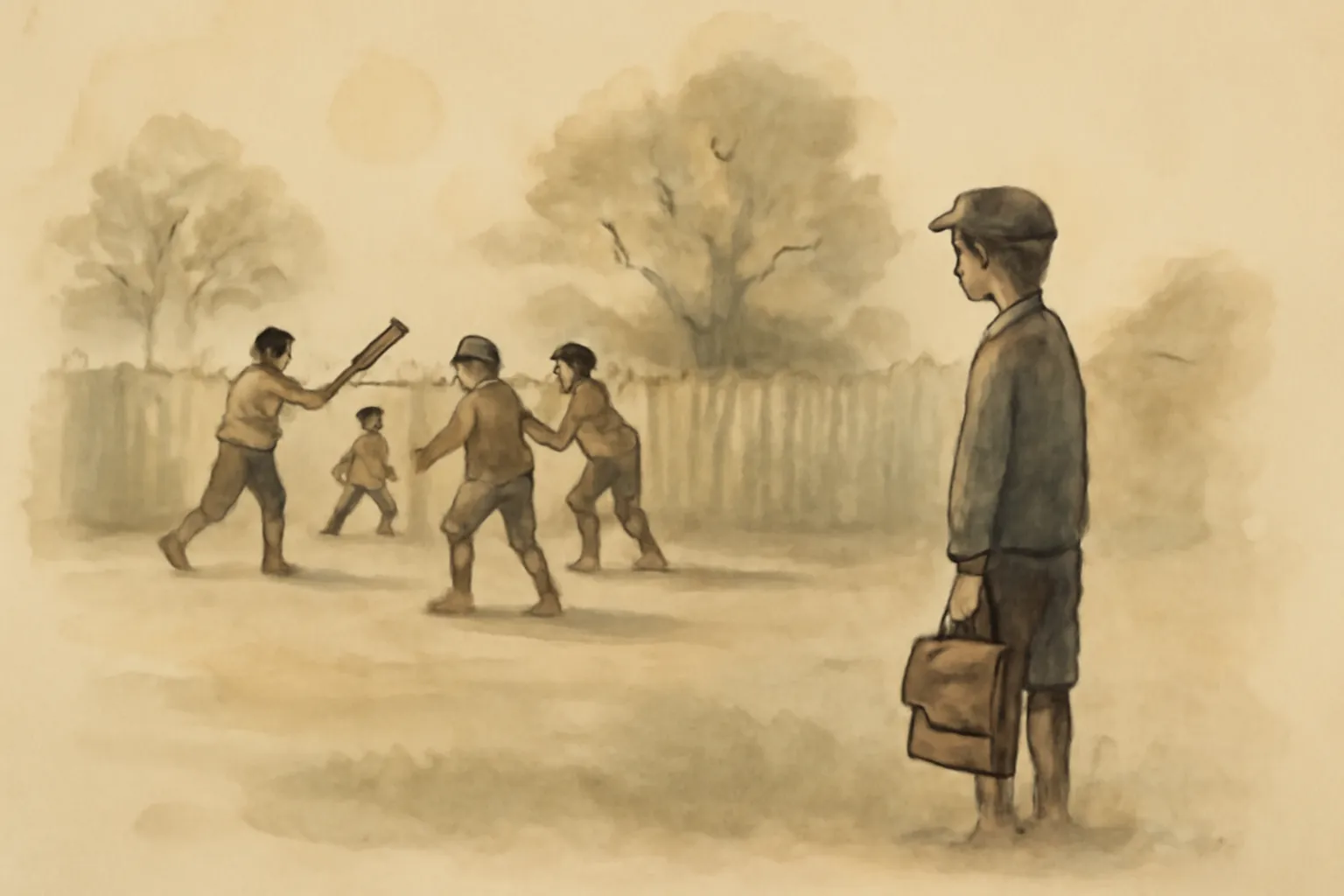
Jack Dudley, the protagonist, arrives at the Greenbank school as a newcomer, an experience that is both exciting and daunting. Read moreJack Dudley, the protagonist, arrives at the Greenbank school as a newcomer, an experience that is both exciting and daunting. He quickly realizes he stands out due to his rustic background and his unfamiliarity with the local boys’ games, such as 'three old cat.' This sense of isolation is compounded by the bullying from Pewee Rose and Will Riley, who see Jack as an easy target due to his different upbringing. Eggleston illustrates Jack’s feelings of uncertainty as he watches the other boys play, emphasizing the universal experience of entering a new environment, where the desire for friendship often clashes with the harsh realities of peer dynamics. Jack's observations of the rules governing the games reflect his struggle to integrate into this tight-knit community, and his initial hesitance underscores the innate fear of being an outsider in social settings. Show less
The interactions between Jack and his bullies, King Pewee and Will Riley, illustrate the complex power dynamics that exist among schoolchildren. Read moreThe interactions between Jack and his bullies, King Pewee and Will Riley, illustrate the complex power dynamics that exist among schoolchildren. Pewee, despite lacking intellectual acuity, wields physical strength and influence, creating an atmosphere of fear among his peers. Riley, with his sharp tongue, complements Pewee's brute force, showcasing how bullying can manifest in various forms—both physical and verbal. Jack’s reluctance to fight back, preferring instead to help his tormentors with their studies, speaks to his character's kindness but also his vulnerability. This relationship dynamic reflects a critical commentary on the nature of power in childhood, where intimidation often overshadows genuine camaraderie, and the consequences of bullying resonate deeply within the school community. Eggleston captures the ways in which bullying can isolate victims and create barriers to friendship and acceptance, forcing children to navigate their social worlds with caution. Show less
Read the full text — free
About the author
Read Edward Eggleston's work free on Lumina — the complete text plus an 8-minute summary and key ideas, no account needed