1.The Burden of Pride
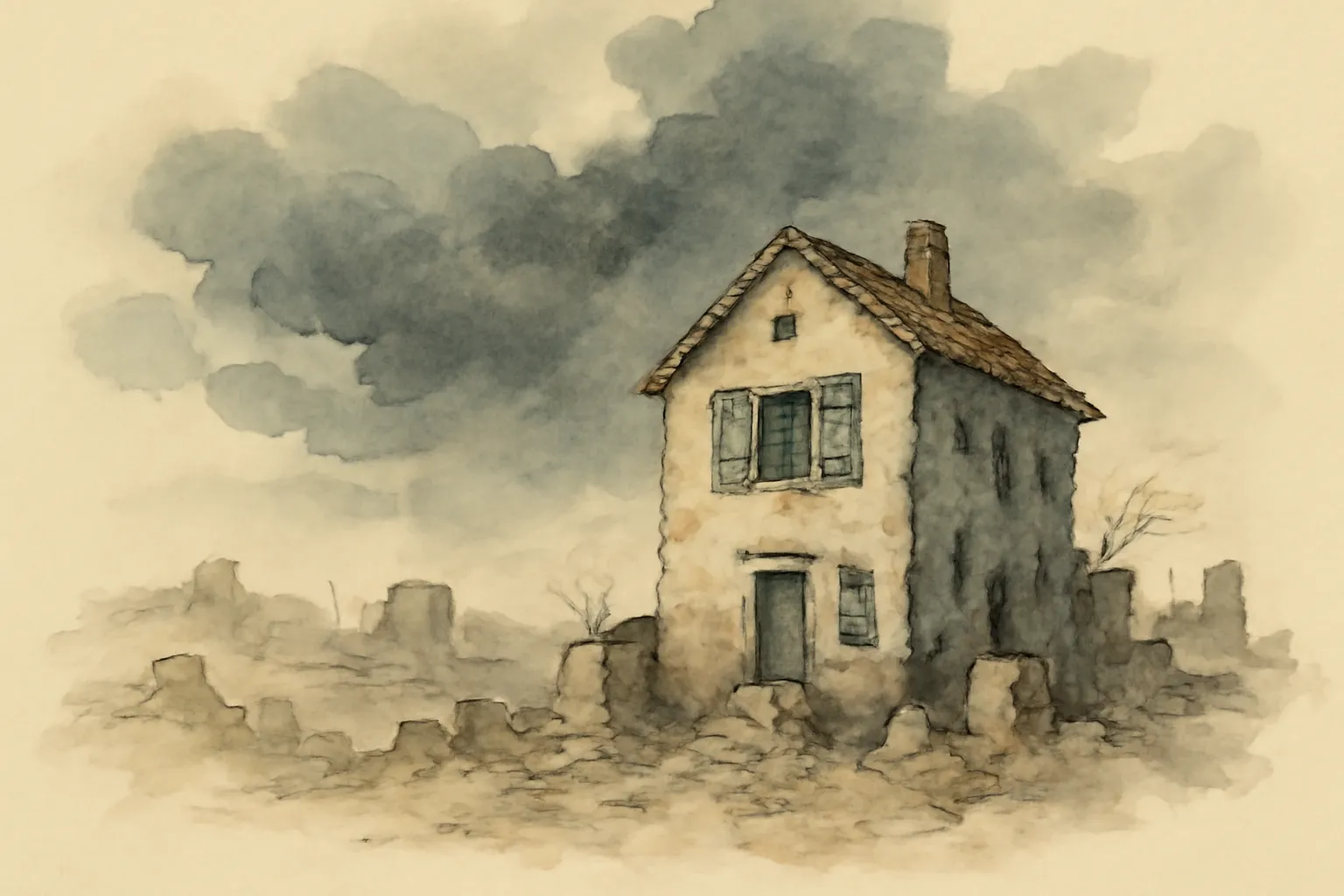
John Gourlay's pride is both his greatest asset and his most significant downfall. He stands at the pinnacle of Barbie, viewing himself as the town's most important figure. This pride, however, blinds him to the needs and feelings of others, leading to a deep-seated contempt for his neighbors, whom he perceives as envious and inferior. His arrogance manifests in his business dealings, where he insists on being the sole carrier in the town, crippling competition out of spite rather than necessity. Gourlay's pride fuels his sense of entitlement; he believes he deserves respect and admiration, yet he fails to reciprocate it with kindness or humility. As he gazes down on Barbie from his house with the green shutters, he feels a sense of superiority that isolates him from the very people he relies on for his livelihood. This self-serving attitude ultimately alienates him from his community, proving that unchecked pride can lead to one's undoing.
2.The Dynamics of Power and Control
Gourlay's relationships are characterized by a constant struggle for power and control. His interactions with his employees, such as Jock Gilmour, reveal a tyrannical nature that leaves no room for dissent. Gourlay's need to dominate extends even to his family, where he exercises harsh control over his wife and son. This need for dominance is not merely a reflection of his personality but also a response to the societal expectations of masculinity and success in a small, patriarchal community. When Jock Gilmour fails to meet Gourlay's exacting standards, Gourlay's fury is palpable, and he uses his position to belittle and intimidate him. The fear instilled in Gilmour highlights the toxic atmosphere created by Gourlay's authoritarian rule. As Gourlay's grip tightens around those closest to him, the inevitable rebellion against his oppressive nature begins to brew, showcasing how the quest for control can lead to resentment and eventual revolt.
3.Community and Isolation

The small town of Barbie serves as a microcosm of society, where every action reverberates through the community. Initially, Gourlay's rise to prominence earns him respect; he is viewed as a successful entrepreneur who provides jobs and stability. However, as his pride grows, so does his isolation. The townsfolk, who once relied on him for trade and support, begin to view him with suspicion and disdain, leading to a collective resentment that simmers beneath the surface. This shift illustrates how community dynamics can turn against an individual who fails to recognize the importance of reciprocity and mutual respect. Gossip becomes a weapon, and the townspeople eagerly await his downfall, turning Gourlay's isolation into a public spectacle. The contrast between Gourlay's perception of himself as a pillar of the community and the reality of his alienation serves as a powerful commentary on the nature of social relationships and the consequences of failing to nurture them.
4.The Role of Women
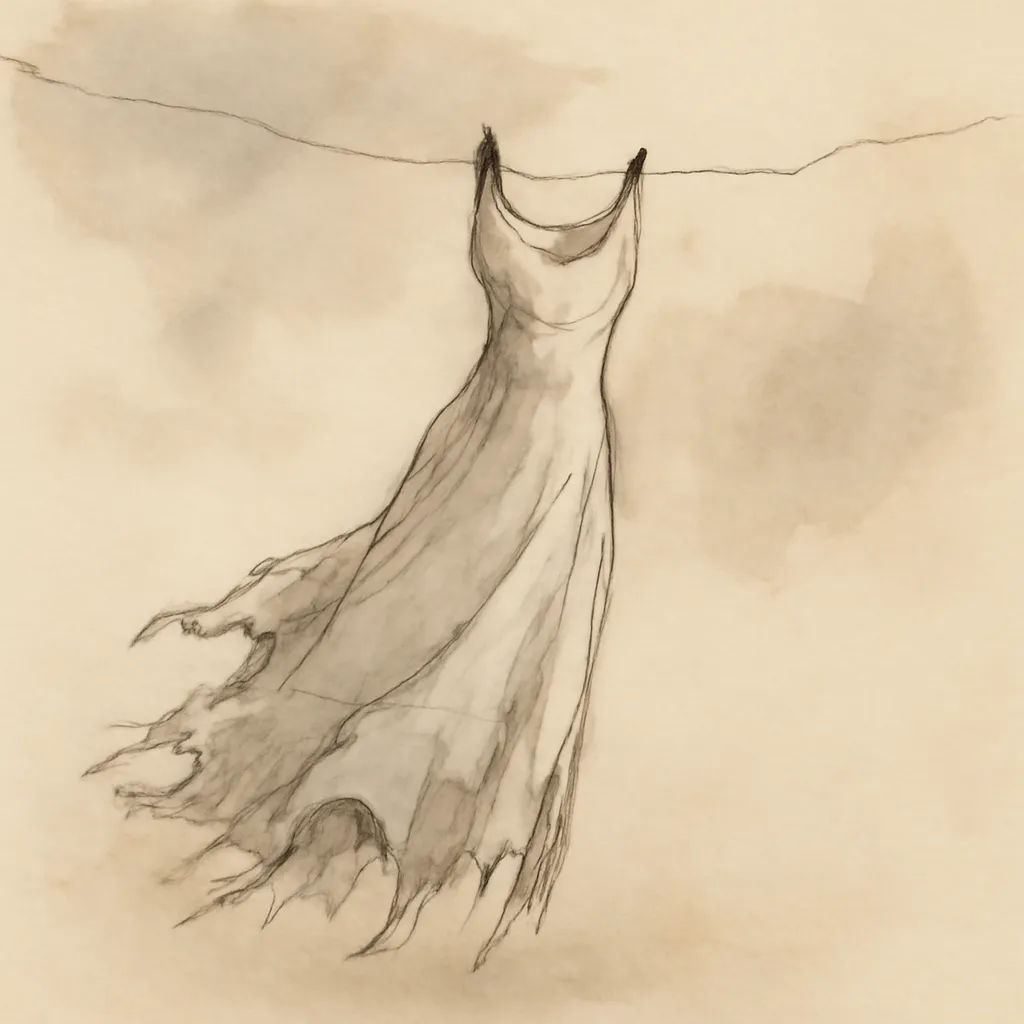
Women in 'The House with the Green Shutters' occupy a complex space, often defined by their relationships to the men around them. Gourlay's wife embodies the struggles of women in a male-dominated society, torn between her loyalty to her husband and her desire for a more fulfilling life. Her attempts to care for their son, John, highlight the emotional labor women undertake to maintain familial harmony, even in the face of Gourlay's tyrannical nature. The maternal instincts of Gourlay's wife lead her to defend John against his father's harsh expectations, showcasing her resilience. This dynamic reflects broader societal themes, where women's voices are often marginalized, yet they hold the power to influence the emotional landscape of their families and communities. As Gourlay dismisses his wife's contributions, he fails to recognize that her strength and nurturing are foundational to the stability of the household. Brown skillfully illustrates how women's roles, while often relegated to the background, are crucial to the fabric of their families and society.
5.Ambition and Its Consequences
Gourlay's ambition drives him to attain wealth and status, but it comes at a steep price. Initially, his determination to succeed elevates him within Barbie, allowing him to expand his business and wield influence. However, this relentless pursuit of success leads to a series of reckless decisions that jeopardize both his business and personal relationships. Gourlay's ambition becomes increasingly self-destructive as he prioritizes competition over collaboration, viewing his neighbors as adversaries rather than allies. The novel illustrates how unchecked ambition can lead to moral decay, as Gourlay's willingness to undermine his neighbors for the sake of dominance ultimately isolates him. His downfall serves as a cautionary tale about the dangers of ambition devoid of ethical considerations, revealing that true success is not merely about wealth but also about maintaining integrity and fostering community connections.
6.Youth and Inheritance

The relationship between Gourlay and his son John is fraught with tension, reflecting the generational struggle between expectation and identity. Gourlay's desire for his son to follow in his footsteps and inherit his business ambitions creates a suffocating atmosphere for young John, who yearns for freedom and acceptance. As Gourlay imposes his dreams upon his son, John finds himself torn between familial loyalty and personal desires. Gourlay's harsh treatment of John, combined with his obsession with appearances, leads to a strained father-son dynamic that underscores the emotional toll of inherited ambition. John's reluctance to embrace his father's values illustrates the conflict between inherited ambition and personal desire. As John grapples with his father's legacy, the novel raises questions about the pressures placed on children to fulfill parental expectations and the impact of that burden on their sense of self. Ultimately, their relationship reflects a broader commentary on the struggle for individuality in the shadow of parental ambition.
7.The Nature of Envy
Envy plays a central role in the interactions between Gourlay and the townspeople of Barbie. As Gourlay rises in power, the envy he inspires becomes palpable, fueling gossip and resentment. The townsfolk's fixation on Gourlay's downfall reveals their own insecurities and aspirations, as they project their frustrations onto him. This theme of envy illustrates the darker aspects of human nature, where the success of one can evoke hostility in others. The novel suggests that envy can be as destructive as pride, as it fosters a toxic environment where individuals are pitted against one another rather than encouraged to collaborate and support. The bodies of Barbie, as they gossip and speculate on Gourlay's business dealings, illustrate how envy can corrode community ties and feed a cycle of negativity. The collective anticipation of Gourlay's fall serves to unify those who covet his position while simultaneously highlighting their own failures.
8.Social Class and Economic Struggle
The economic backdrop of 'The House with the Green Shutters' portrays the struggles of a declining town facing the encroachment of modernity. Gourlay's business acumen is tied to the local economy, which is depicted as fragile and vulnerable to change. The tension between Gourlay’s traditional methods and the emerging railway system symbolizes the broader societal shifts that threaten established ways of life. As Gourlay fights to maintain his position in the face of competition and economic transformation, the reader witnesses the impact of these changes on the community. The novel critiques the notion of economic success as a straightforward measure of worth, revealing the complexities of class dynamics and the pressures faced by those striving to uphold their status in a changing world. Gourlay's struggles reflect the fears of an entire community grappling with the loss of their economic foundation.
9.The Tragedy of Isolation
Gourlay's eventual isolation is a poignant aspect of his character arc. As he alienates his family and community through his pride and domineering nature, he finds himself increasingly alone. This isolation not only serves as a punishment for his previous actions but also highlights the human need for connection and belonging. The tragedy of Gourlay's isolation lies in the realization that his ambition and desire for control have ultimately led to his alienation from those he once sought to dominate. The novel underscores the importance of empathy and community, suggesting that true success is measured not by wealth or power but by the quality of one's relationships. As Gourlay grapples with the emptiness of his accomplishments, the reader is reminded that isolation can be the most profound tragedy of all, especially for someone who once reveled in their perceived superiority.