
A powerful exploration of pride, ambition, and the human condition through the tragic life of John Gourlay
Read full overviewShow less›
In 'The House with the Green Shutters', George Douglas Brown delves deep into the psyche of John Gourlay, a man whose fierce ambition and unyielding pride lead him to dominate his small Scottish community. Set against the backdrop of a fading town, the novel paints a vivid portrait of Gourlay's rise and inevitable fall, revealing the complexities of human nature and the societal dynamics at play. Readers will encounter a rich tapestry of characters, each representing various facets of society, as they navigate their relationships with Gourlay, who is both admired and reviled. This narrative is not just a tale of one man's journey but a reflection on the consequences of ambition unchecked by empathy and the intricate web of human interactions that shape our lives.
George Douglas Brown's 'The House with the Green Shutters' serves as a powerful examination of the human condition, exploring themes of pride, ambition, and the intricate web of relationships that define our lives. Through the tragic story of John Gourlay, readers are confronted with the consequences of unchecked ambition and the importance of empathy in a community. The novel invites reflection on the complexities of human nature and the societal dynamics that shape our experiences. Ultimately, it is a reminder that true success lies not in power or wealth, but in the connections we forge and the kindness we extend to one another.
Ratings at a glance
- 1The Burden of Pride
- 2The Dynamics of Power and Control
- 3Community and Isolation
- 4The Role of Women
- 5Ambition and Its Consequences
Notable quotes
“The hands of the clock across 'the Square' were pointing to the hour of eight.”
“To be sure is't, to be sure is't! Just the stupeedity o' spite!”
“It was Gourlay's pride in his house that made him harsher to his wife than others.”
A glimpse inside

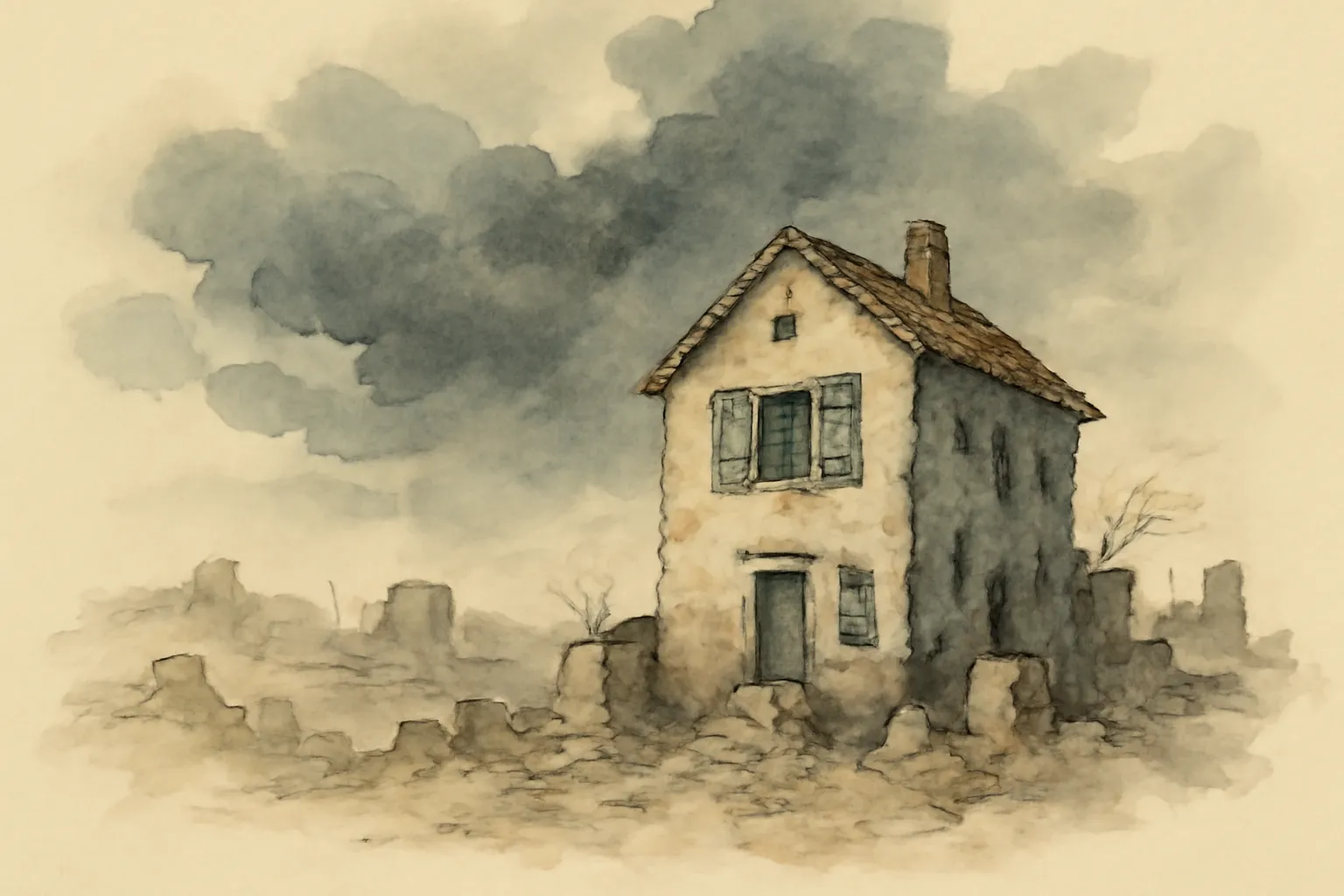
John Gourlay's pride is both his greatest asset and his most significant downfall. He stands at the pinnacle of Barbie, viewing himself as the town's most important figur… Read moreJohn Gourlay's pride is both his greatest asset and his most significant downfall. He stands at the pinnacle of Barbie, viewing himself as the town's most important figure. This pride, however, blinds him to the needs and feelings of others, leading to a deep-seated contempt for his neighbors, whom he perceives as envious and inferior. His arrogance manifests in his business dealings, where he insists on being the sole carrier in the town, crippling competition out of spite rather than necessity. Gourlay's pride fuels his sense of entitlement; he believes he deserves respect and admiration, yet he fails to reciprocate it with kindness or humility. As he gazes down on Barbie from his house with the green shutters, he feels a sense of superiority that isolates him from the very people he relies on for his livelihood. This self-serving attitude ultimately alienates him from his community, proving that unchecked pride can lead to one's undoing. Show less
Gourlay's relationships are characterized by a constant struggle for power and control. His interactions with his employees, such as Jock Gilmour, reveal a tyrannical nat… Read moreGourlay's relationships are characterized by a constant struggle for power and control. His interactions with his employees, such as Jock Gilmour, reveal a tyrannical nature that leaves no room for dissent. Gourlay's need to dominate extends even to his family, where he exercises harsh control over his wife and son. This need for dominance is not merely a reflection of his personality but also a response to the societal expectations of masculinity and success in a small, patriarchal community. When Jock Gilmour fails to meet Gourlay's exacting standards, Gourlay's fury is palpable, and he uses his position to belittle and intimidate him. The fear instilled in Gilmour highlights the toxic atmosphere created by Gourlay's authoritarian rule. As Gourlay's grip tightens around those closest to him, the inevitable rebellion against his oppressive nature begins to brew, showcasing how the quest for control can lead to resentment and eventual revolt. Show less
Read the full text — free
About the author
Read George Douglas Brown's work free on Lumina — the complete text plus an 8-minute summary and key ideas, no account needed