1.Power and Its Corruptions
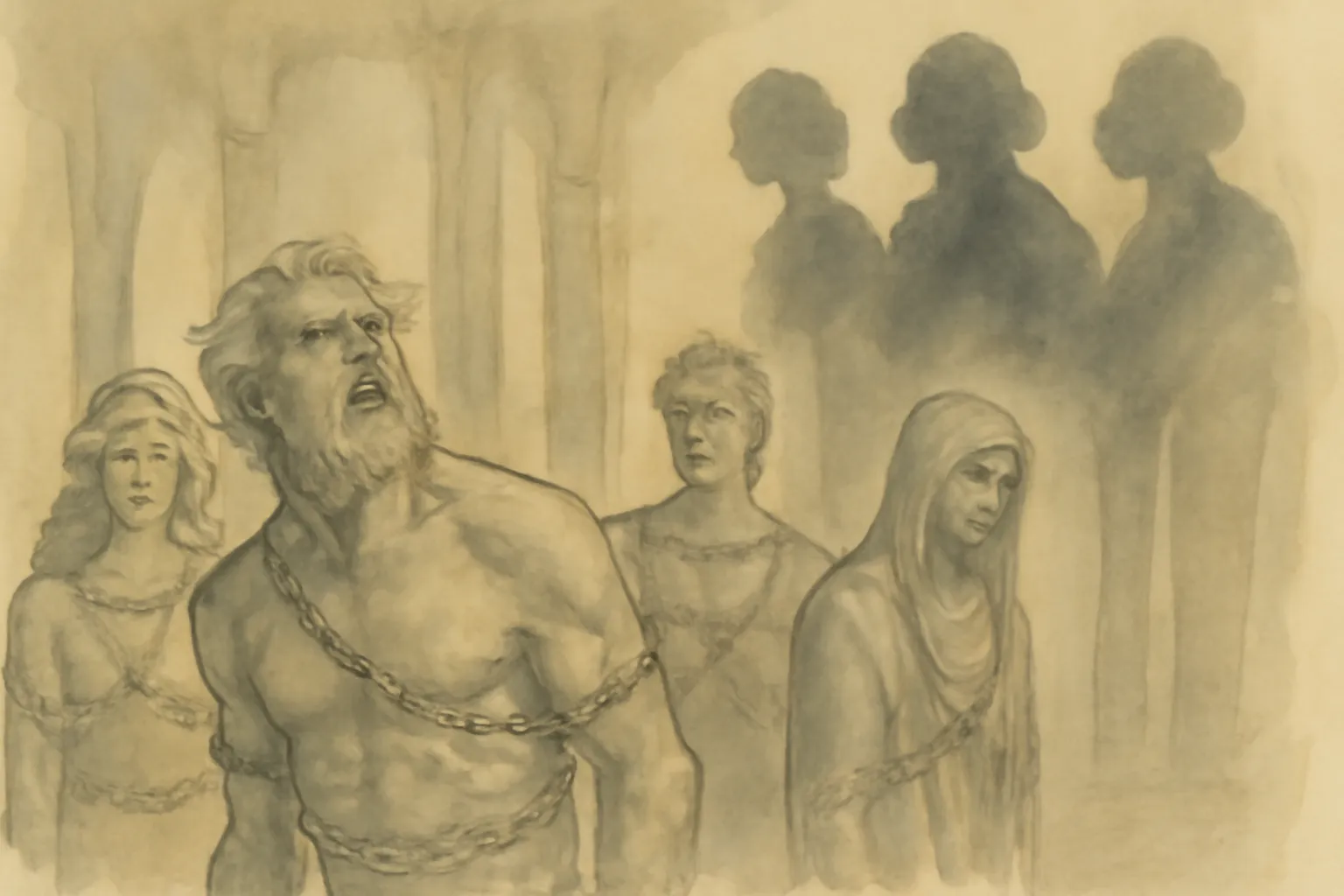
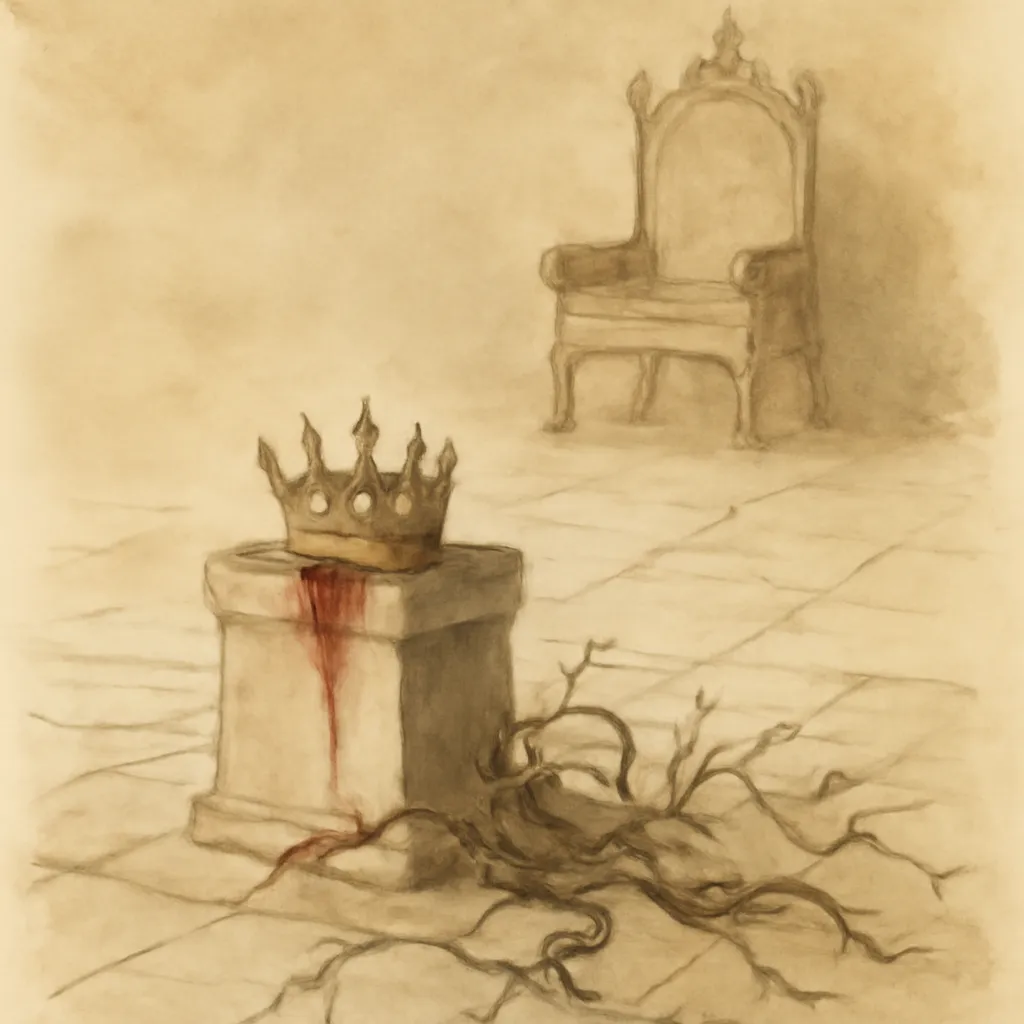
The Arameri family's dominance is built on their enslavement of gods, a metaphor for how absolute power corrupts both the oppressor and the oppressed. The narrative interrogates the moral costs of such power, showing how those who wield it become isolated, paranoid, and ultimately fragile. The gods’ suffering mirrors the suffering of mortals under tyranny, suggesting that systems of domination dehumanize all participants.
2.Divinity and Humanity Intertwined
Jemisin blurs the lines between gods and mortals, making the divine both awe-inspiring and deeply human. The gods in the story are not distant or perfect; they are passionate, flawed, and capable of both cruelty and love. This challenges traditional fantasy tropes and invites readers to consider how divinity might reflect humanity’s own struggles with desire, vengeance, and forgiveness.
3.Identity, Heritage, and Belonging
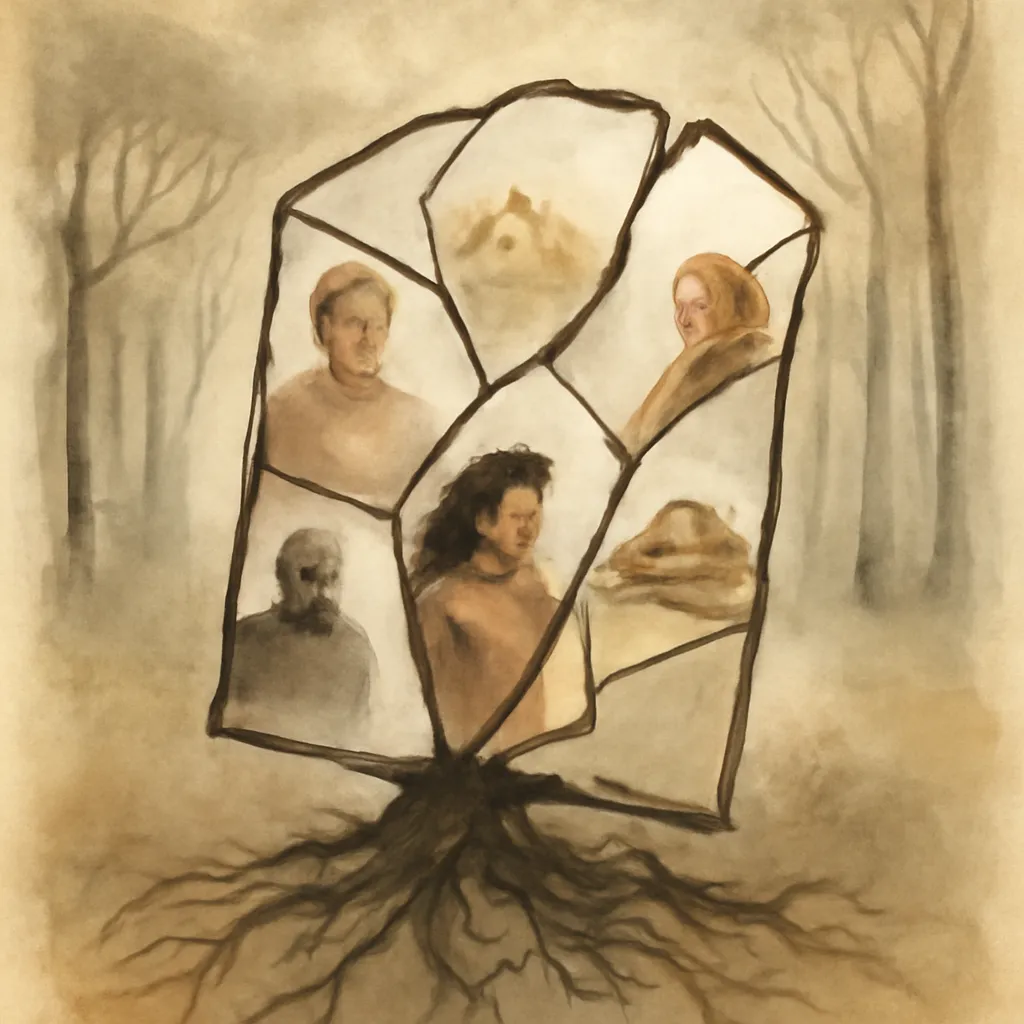
Protagonist Yeine’s journey is as much about self-discovery as it is about political intrigue. As a mixed-race outsider thrust into the deadly politics of her estranged family, Yeine must reconcile her heritage and forge her own identity. The book explores the pain and power of being an outsider, and how personal history shapes the ability to claim agency in a hostile world.
4.The Cost of Freedom
Freedom is a central theme, both for the enslaved gods and for Yeine herself. The narrative questions what true freedom means and what sacrifices it demands. Jemisin does not shy away from the ambiguities: liberation is never simple, and the path to it is fraught with loss, compromise, and moral ambiguity.
5.Storytelling as Survival
The narrative structure, with Yeine as an unreliable and self-aware narrator, highlights the power of storytelling itself. Memory, myth, and personal narrative become tools for survival and resistance. The book suggests that the stories we tell—about ourselves and our world—can be both prisons and keys to liberation.
6.Subverting Fantasy Tropes
Jemisin upends many classic fantasy conventions: the chosen one is a woman of color, the gods are not benevolent, and the central conflict is less about good versus evil than about navigating systems of oppression. This fresh perspective makes the book stand out in the genre and opens space for new voices and stories.