

Gods · Fiction · Fiction, fantasy, epic
The Inheritance Trilogy: The Hundred Thousand Kingdoms by N.K. Jemisin — Summary, Key Ideas & Quotes
1986475 pages✦ 3-min Big ideas★ 3.7 (12)
Rate it
For 2,000 years the Arameri family has ruled the world by enslaving the very gods that created mortalkind. Now the gods are free, and the Arameri's ruthless grip is slipping. Yet they are all that stands between peace and world-spanning, unending war.
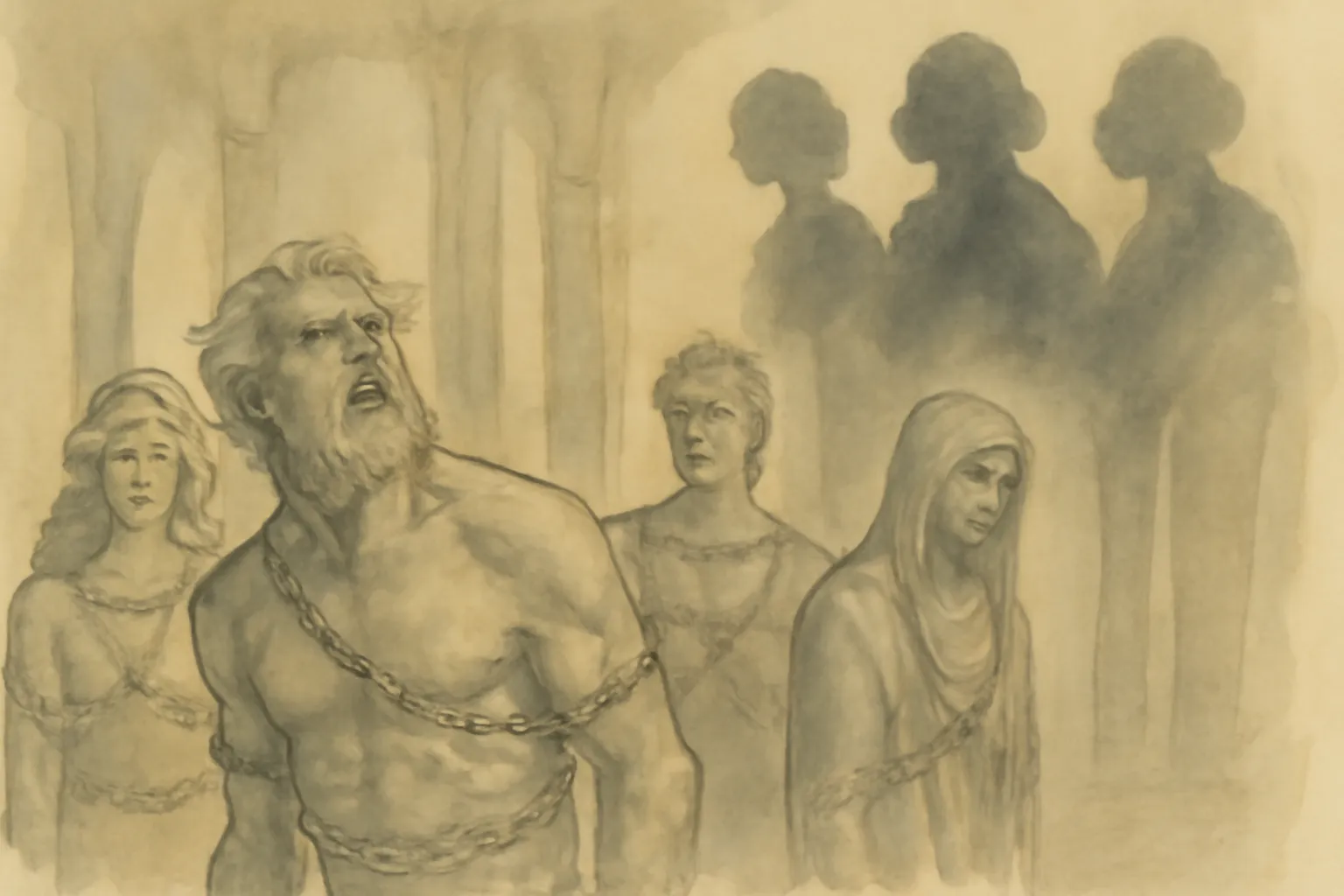
The Arameri family's dominance is built on their enslavement of gods, a metaphor for how absolute power corrupts both the oppressor and the oppressed. The narrative interrogates the moral costs of such power, showing how those who wield it become isolated, paranoid, and ultimately fragile. The gods’ suffering mirrors the suffering of mortals under tyranny, suggesting that systems of domination dehumanize all participants.
Jemisin blurs the lines between gods and mortals, making the divine both awe-inspiring and deeply human. The gods in the story are not distant or perfect; they are passionate, flawed, and capable of both cruelty and love. This challenges traditional fantasy tropes and invites readers to consider how divinity might reflect humanity’s own struggles with desire, vengeance, and forgiveness.
“My mother used to say that the gods have no mercy. That’s why they’re gods.”
“There were three gods once. Only three, at first: Nahadoth, Itempas, and Enefa.”
