1.The Historical Context of Poland's Struggle
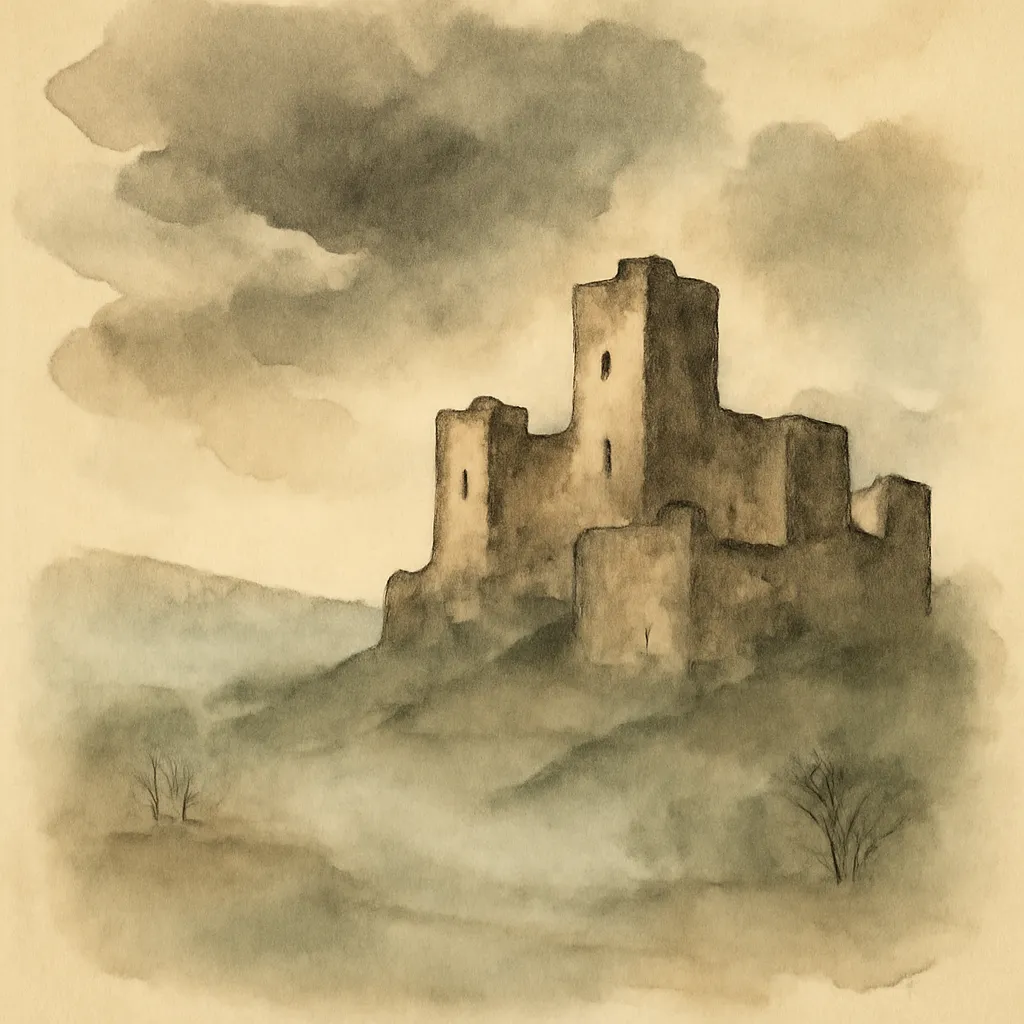
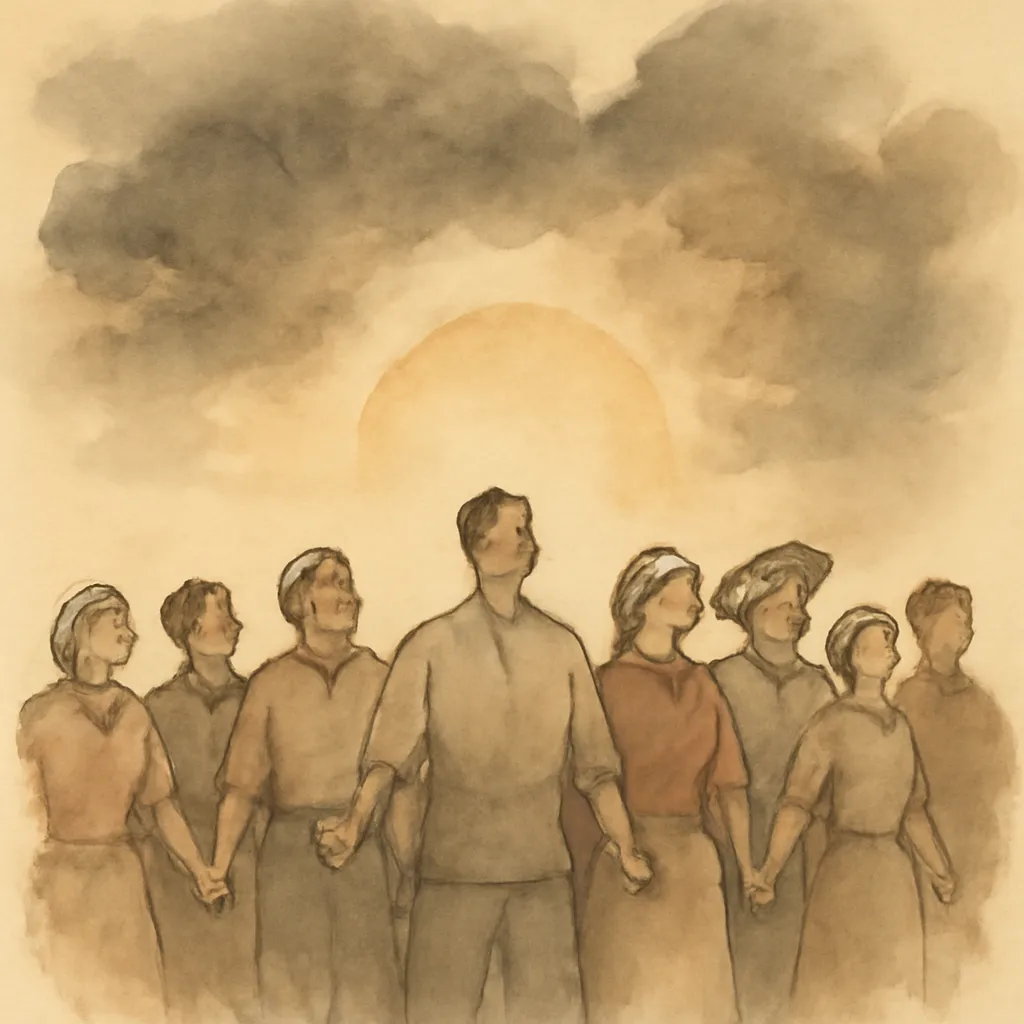
The novel is set against the backdrop of Poland's historical plight during the 14th century, when the nation faced the existential threat posed by the Teutonic Knights. These military monarchies, driven by expansionist desires, sought to dominate the region, leading to a period marked by conflict and suffering. The narrative poignantly illustrates the collective trauma experienced by the Polish people, who endured not only military oppression but also cultural erasure as their language and traditions faced suppression. Sienkiewicz imbues the characters with a sense of historical urgency, portraying their struggles as part of a larger fight for national identity and survival. This context enriches the narrative, allowing readers to appreciate the characters' motivations as deeply intertwined with the fate of their homeland.
2.The Complexity of Love and Loyalty
At the heart of the story lies a profound exploration of love, particularly the romantic entanglements of Zbyszko, a young knight, and Danusia, the daughter of a nobleman. Their relationship symbolizes the intertwining of personal desires and national loyalties, as Zbyszko's love for Danusia is challenged by external pressures, including her father's expectations and the looming threat of war. The novel deftly navigates the complexities of love, illustrating how personal relationships can be both a source of strength and vulnerability in times of crisis. Zbyszko's dedication to protecting Danusia reflects a chivalric ideal, yet it also raises questions about the sacrifices he must make for her safety and the greater good of his country. Sienkiewicz captures the essence of romantic love as not merely a personal affair but as a catalyst for heroic deeds and national pride.
3.The Role of Chivalry and Knighthood
Sienkiewicz's portrayal of knighthood is steeped in the ideals of chivalry, presenting a code of conduct that emphasizes honor, bravery, and loyalty. Zbyszko, as a knight, embodies these virtues, engaging in battles not only for personal glory but also for the defense of his homeland. The knightly ethos is contrasted with the ruthless tactics employed by the Teutonic Knights, who, despite their martial prowess, lack the moral compass that defines true chivalry. This contrast serves to elevate Zbyszko's character, as he navigates the trials of war while adhering to a principled code. The narrative invites readers to reflect on the nature of honor in warfare and the responsibilities that come with being a knight, ultimately portraying the knightly path as one fraught with moral dilemmas and profound consequences.
4.Friendship and Brotherhood Amidst Conflict
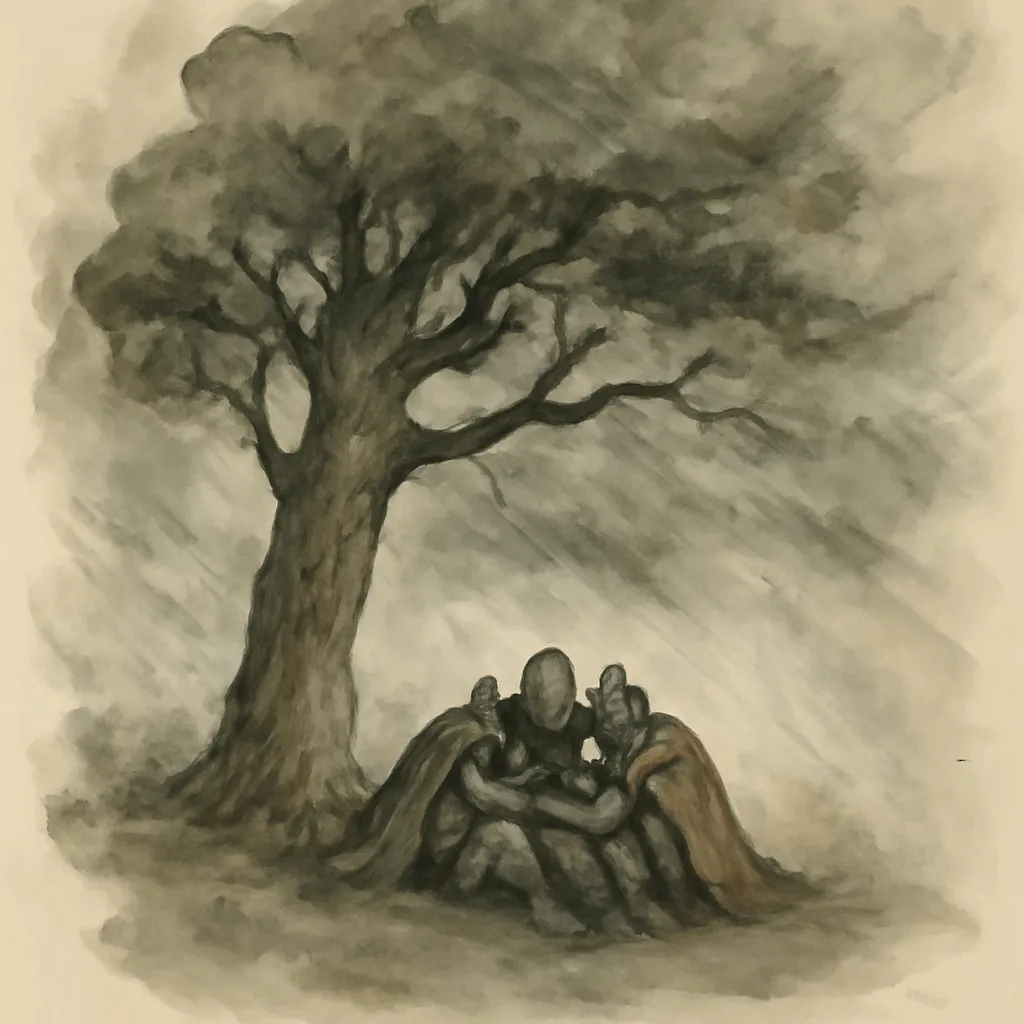
The bonds of friendship play a crucial role in 'The Knights of the Cross,' particularly through the relationships between Zbyszko and his comrades. These friendships are tested by the harsh realities of war, yet they also provide the characters with a sense of camaraderie and shared purpose. The narrative illustrates how loyalty among friends can inspire acts of bravery and sacrifice, reinforcing the idea that personal connections are vital in the face of adversity. Sienkiewicz emphasizes the importance of these relationships, portraying them as essential to the characters' resilience and ability to confront the challenges posed by the Teutonic Knights. The friendships in the novel serve as a reminder of the human capacity for connection and support, even in the darkest of times.
5.The Conflict Between Personal Desire and Duty
Throughout the novel, characters grapple with the tension between personal desires and their obligations to family, country, and duty. Zbyszko's love for Danusia is a poignant example, as he must navigate his feelings while fulfilling his responsibilities as a knight. The conflict between personal happiness and the expectations placed upon individuals by society is a recurring theme, highlighting the sacrifices that often accompany noble aspirations. Sienkiewicz skillfully illustrates this struggle, portraying the characters' internal dilemmas as they seek to reconcile their ambitions with the demands of their roles. The narrative encourages readers to reflect on the complexities of duty, suggesting that true nobility may require painful choices that prioritize the collective over the individual.
6.Cultural Heritage and National Identity
The preservation of cultural heritage is a central theme in 'The Knights of the Cross,' as the Polish characters strive to maintain their identity in the face of foreign oppression. Sienkiewicz highlights the richness of Polish traditions, language, and folklore, emphasizing their importance in fostering a sense of national pride. The characters' connection to their cultural roots serves as a source of strength, motivating them to resist the encroaching forces of the Teutonic Knights. The narrative underscores the idea that cultural heritage is not merely a relic of the past but a living force that shapes the present and future of a nation. By celebrating Poland's unique identity, Sienkiewicz reinforces the notion that cultural preservation is essential for survival and resilience.
7.The Impact of War on Society
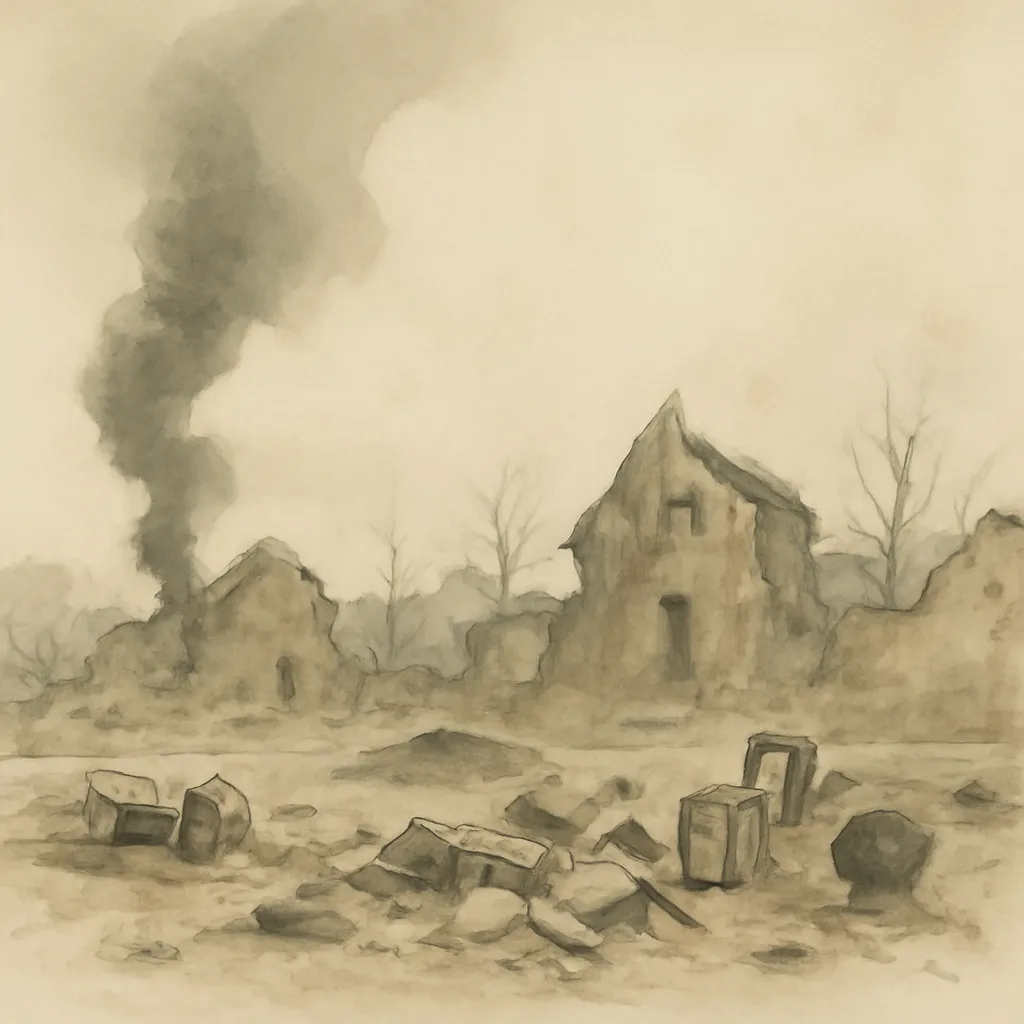
Sienkiewicz does not shy away from depicting the brutal realities of war, illustrating its profound impact on individuals and society as a whole. The novel portrays the devastation wrought by conflict, from the loss of life to the destruction of homes and livelihoods. The characters are often forced to confront the consequences of their actions, grappling with the moral implications of warfare. Sienkiewicz's vivid descriptions of battles and their aftermath serve to emphasize the human cost of conflict, inviting readers to reflect on the broader societal implications of war. The narrative suggests that while war may forge heroes, it also leaves scars that can last for generations, highlighting the need for compassion and understanding in the face of violence.
8.Women in a Patriarchal Society
The novel's portrayal of women reveals the complexities of their roles within a patriarchal society, where their identities are often shaped by the men around them. Characters like Danusia and Princess Anna navigate the constraints of their gender while exhibiting strength and agency in their own right. Danusia's love for Zbyszko is not merely a passive romantic ideal; she embodies resilience and determination, influencing the trajectory of her fate. Sienkiewicz provides a nuanced depiction of women's experiences, illustrating how they can exert influence and challenge societal norms despite the limitations imposed upon them. The narrative invites readers to consider the ways in which women contribute to the broader narrative of national identity and personal agency, even within a restrictive social framework.
9.The Symbolism of the Cross
The cross serves as a powerful symbol throughout the narrative, representing both the spiritual and moral compass guiding the characters' actions. It is emblematic of the Christian values that underpin the knights' code of honor and the moral dilemmas they face. The cross also reflects the historical context of religious conflict, as the Teutonic Knights often wielded it as a banner for their conquests. Sienkiewicz uses this symbolism to explore themes of faith, sacrifice, and redemption, suggesting that the characters' struggles are not only physical but also spiritual. The presence of the cross serves to remind readers of the enduring power of faith in the face of adversity and the hope for a brighter future, even amid darkness.
10.A Call to Patriotism and Unity
Ultimately, 'The Knights of the Cross' serves as a call to patriotism and unity, urging readers to recognize the importance of collective strength in the face of oppression. Sienkiewicz's narrative champions the idea that the struggles of individuals are intertwined with the fate of their nation, encouraging a sense of shared responsibility among the characters. The characters’ journeys underscore the necessity of coming together to confront common adversaries, fostering a spirit of solidarity that transcends personal grievances. The novel resonates with themes of national pride and the sacrifices made for a greater cause, leaving readers with a sense of hope and inspiration to stand united in the face of adversity.