Romance · Adventure · Fiction
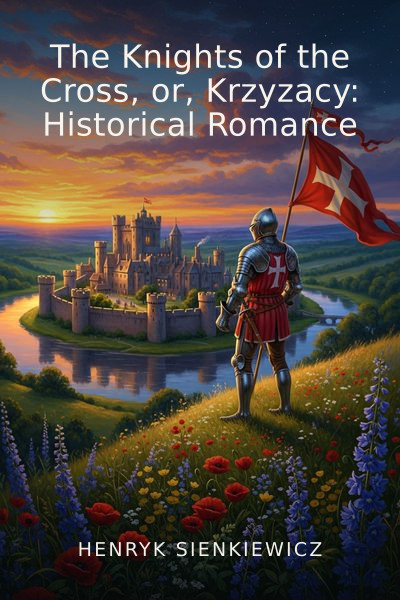
The Knights of the Cross, or, Krzyzacy: Historical Romance by Henryk Sienkiewicz — Summary, Key Ideas & Full Text
716 pages60 chapters14h 23m read10h 13m speed read✦ 9-min Big ideas★ 2.0 (1)Free · no account
Rate it
A sweeping historical romance that intertwines love, loyalty, and the struggle for national identity against the backdrop of medieval Poland
In 'The Knights of the Cross,' Henryk Sienkiewicz crafts an epic narrative that explores the tumultuous history of Poland during the 14th century, marked by the oppressive rule of the Teutonic Knights. The novel is not merely a tale of love and adventure; it delves into the deep-rooted patriotism and resilience of a nation grappling with loss and the quest for independence. Readers will find themselves immersed in the lives of noble characters, whose personal struggles reflect the broader socio-political landscape of their time. As they navigate battles, court intrigue, and moments of profound personal sacrifice, the characters embody the spirit of a nation yearning for freedom. This rich historical tapestry serves as both an engaging romance and a poignant reminder of Poland's enduring legacy and the sacrifices made for its sovereignty.
In 'The Knights of the Cross,' Henryk Sienkiewicz weaves a rich tapestry of love, loyalty, and national identity against the backdrop of Poland's historical struggles. Through the lives of his characters, he explores the complexities of human relationships and the sacrifices made in the name of duty and honor. The novel not only serves as a gripping historical romance but also as a poignant reminder of the resilience of a nation and the enduring spirit of its people. Sienkiewicz's narrative encourages readers to reflect on the importance of cultural heritage, the bonds of friendship, and the moral dilemmas faced in times of conflict. Ultimately, it is a celebration of the human spirit's capacity to endure and thrive, even in the face of overwhelming adversity.
“Poland! Poland! The very name carries with it sighings and groanings, nation-murder, brilliance, beauty, patriotism, splendors, self-sacrifice through generations of gallant men and exquisite women; indomitable endurance of bands of noble people carrying through world-wide exile the sacred fire of wrath against the oppressor, and uttering in every clime a cry of appeal to Humanity to rescue Poland.”
Read Henryk Sienkiewicz's work free on Lumina — the complete text plus an 8-minute summary and key ideas, no account needed