1.The Seasonal Migration of Reindeer
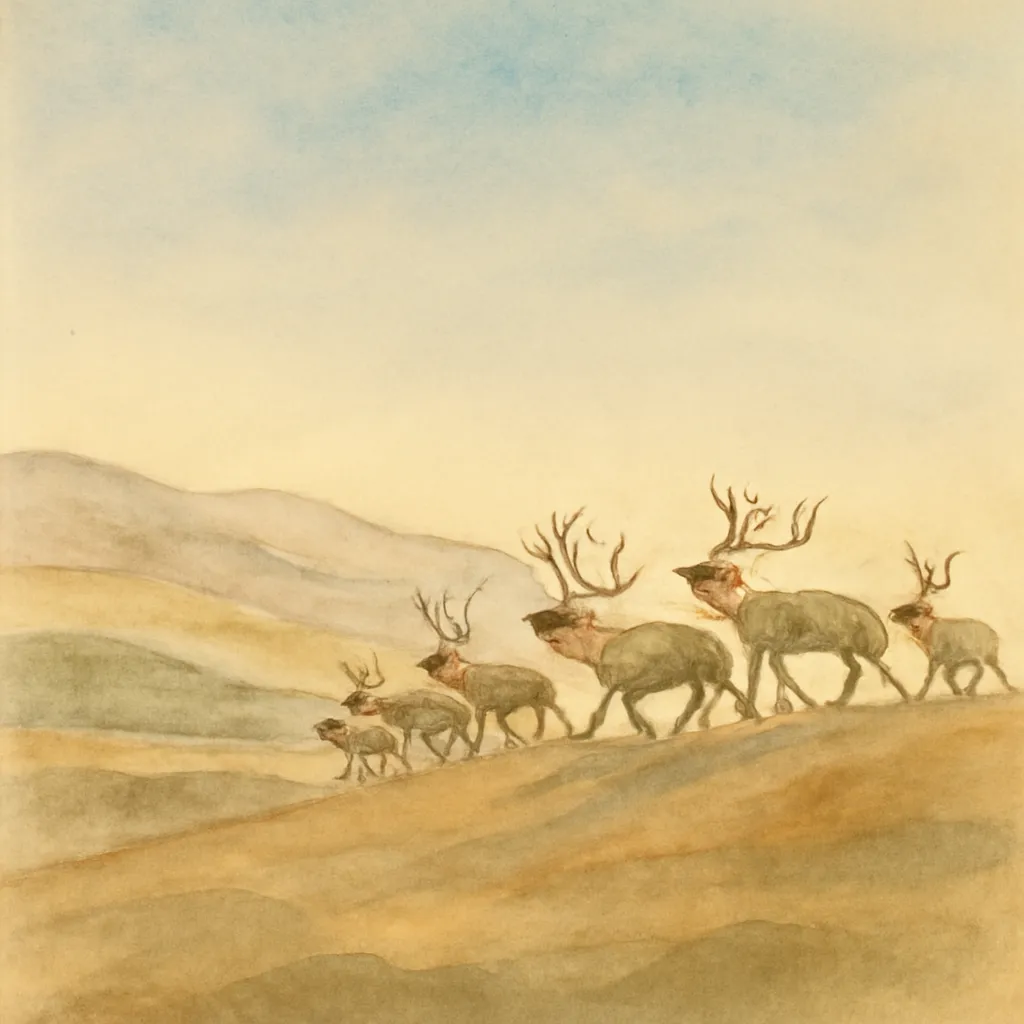
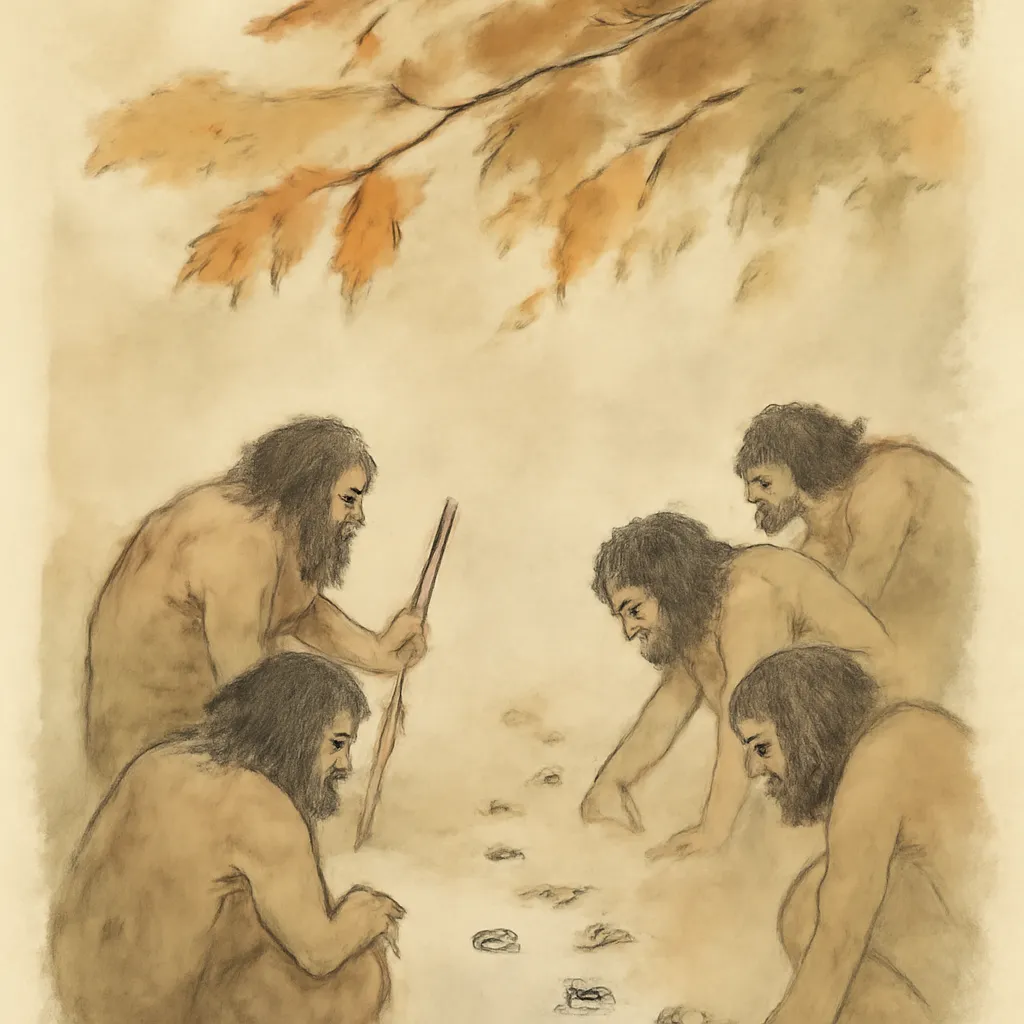
The story begins with the annual migration of reindeer, a crucial event for the cave-men who depend on these animals for sustenance. As the winter winds fade and the south wind blows, signaling the arrival of spring, the reindeer instinctively begin their journey to summer pastures. The cave-men, led by figures like Scarface, prepare for the hunt, demonstrating the deep connection between humans and nature. The excitement surrounding the reindeer migration highlights the importance of observing animal behavior, as the cave-men must anticipate the reindeer’s movements to ensure successful hunting. This seasonal cycle not only sustains their physical needs but also fosters a sense of community and shared purpose among the cave-men, emphasizing the interdependence of life and the environment. Through communal efforts in hunting, the cave-men solidify their bonds and enhance their social cohesion.
2.The Role of Storytelling in Education
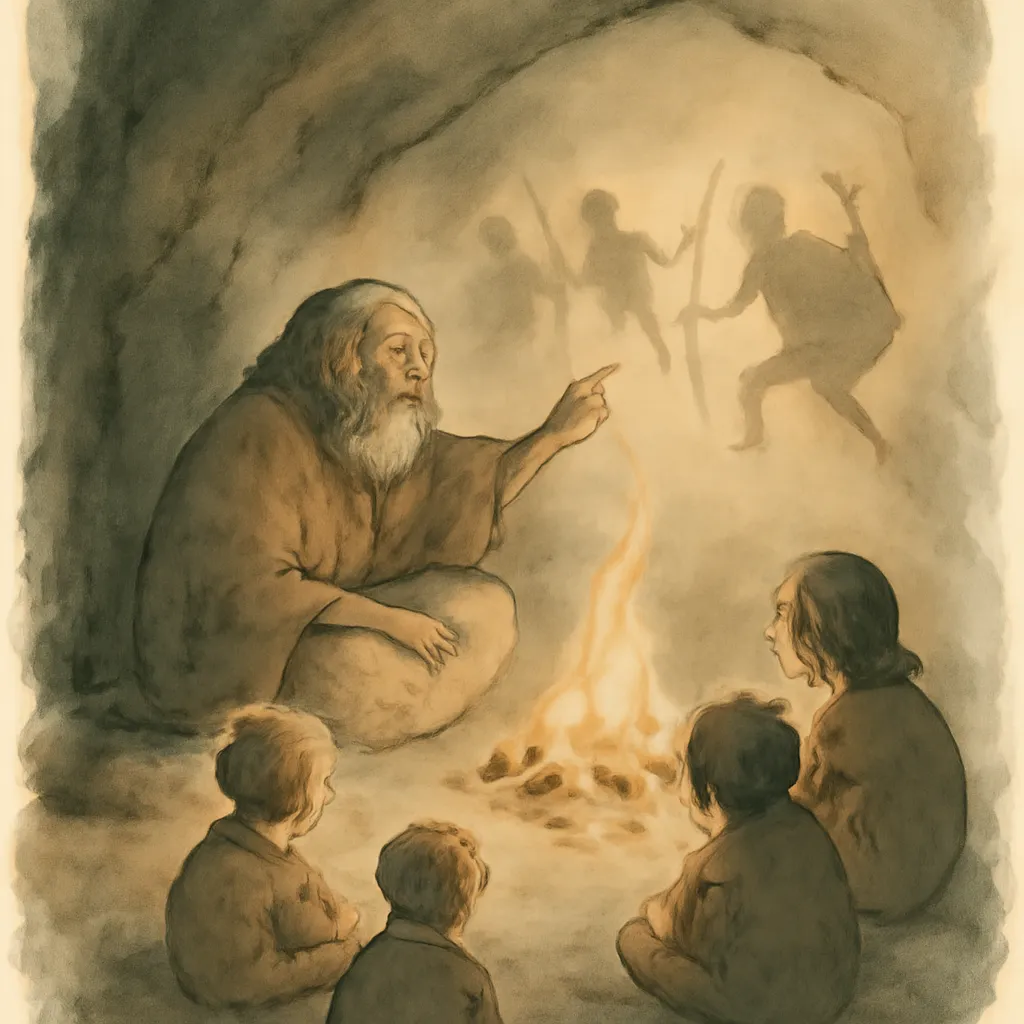
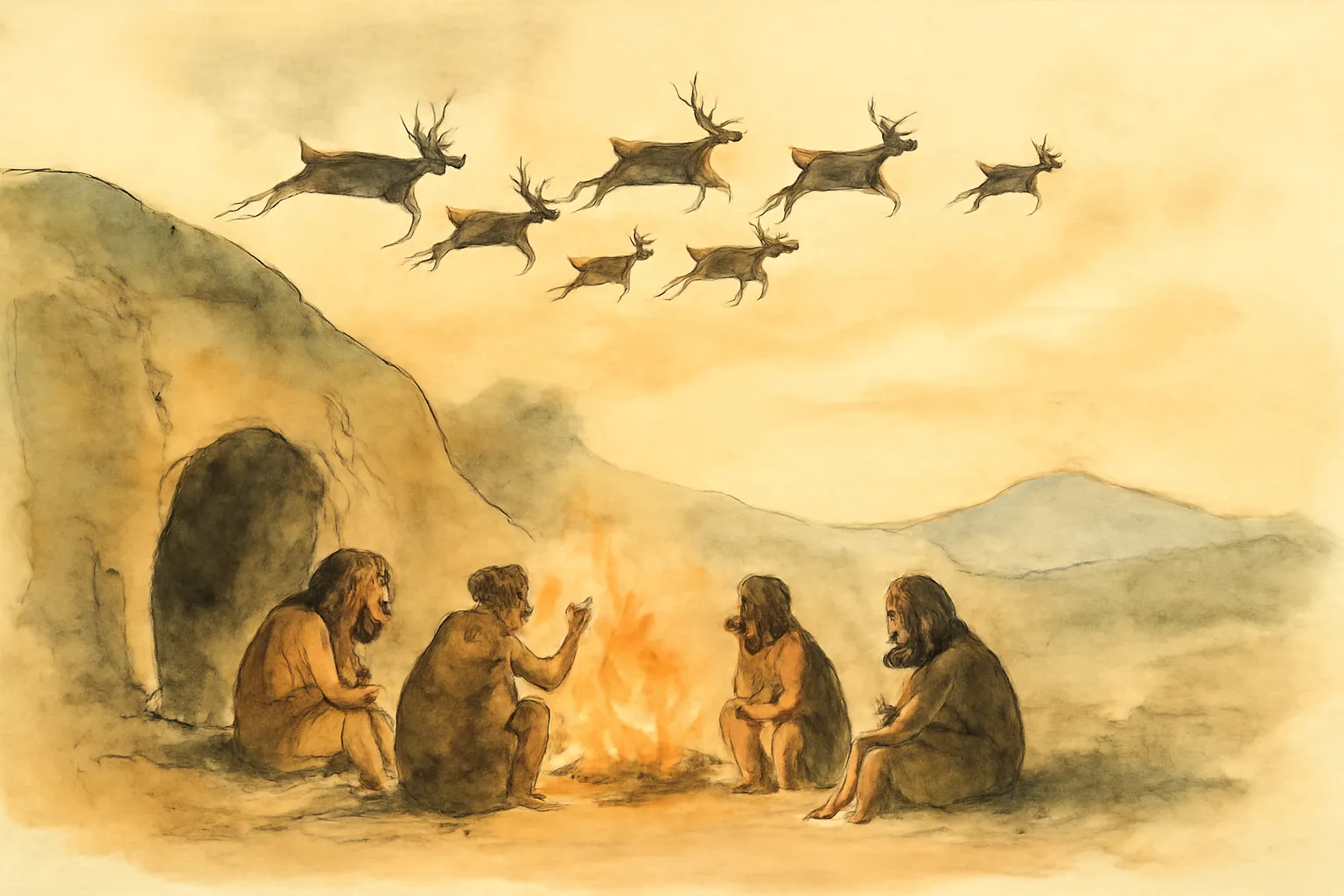
Chew-chew, the eldest woman in the cave, plays a pivotal role in education through storytelling, passing down knowledge of their ancestors and the natural world. Her tales illustrate the bravery and skills of early cave-men, serving both as entertainment and as a vital educational tool. Storytelling fosters a sense of identity and belonging among the children, linking them to their heritage and teaching them essential survival skills. The stories also reflect the values of their society, emphasizing bravery, resourcefulness, and the importance of community. This method of learning, rooted in practical activity and oral tradition, highlights the significance of experiential knowledge in shaping the next generation of cave-men, preparing them for the challenges ahead. The children are not just passive recipients of stories; they engage with the narratives, asking questions and imagining themselves in those roles, which deepens their understanding of their own capabilities and responsibilities.
3.Innovation in Hunting Techniques
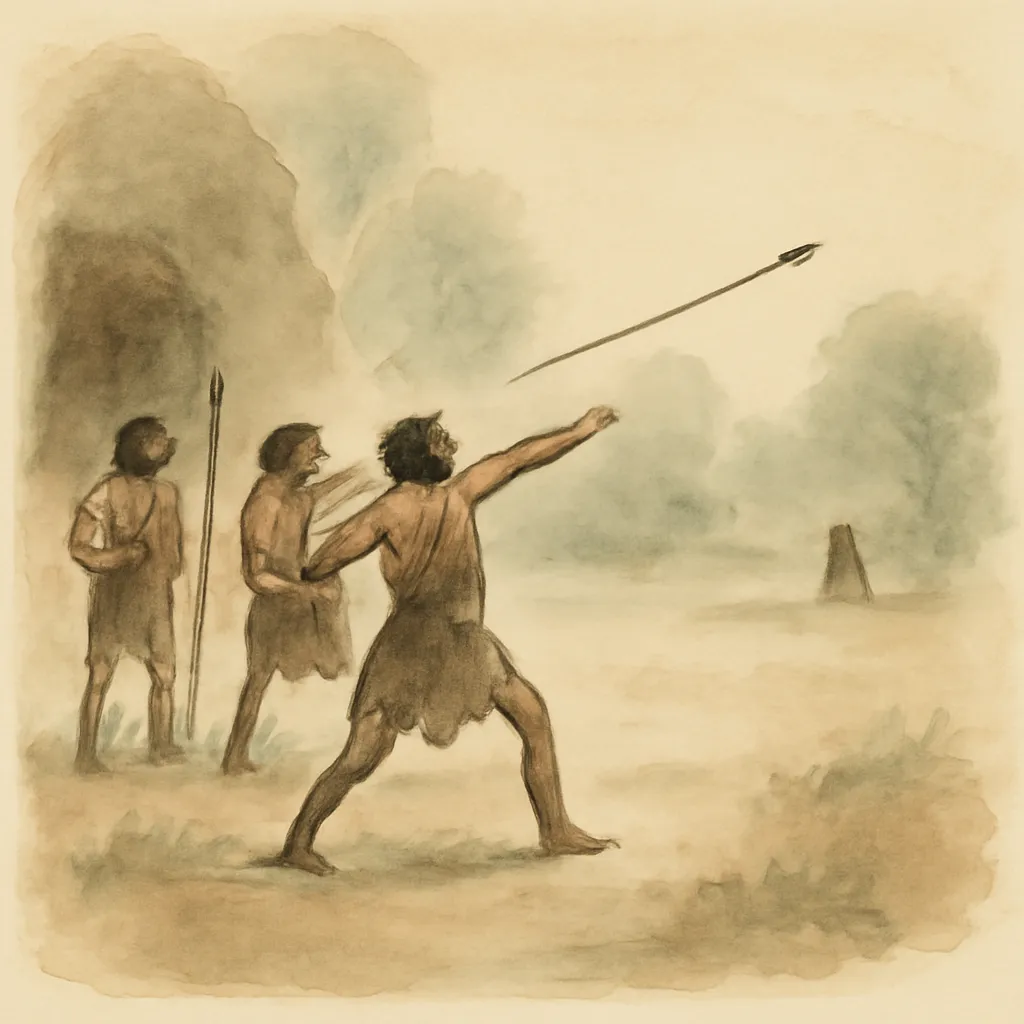
As the cave-men develop their hunting techniques, they transition from using heavy spears to creating lighter, more effective weapons. This evolution is crucial for their survival, as they learn to throw spears and javelins with greater accuracy and efficiency. The need for innovation arises from the animals adapting to their hunting methods, becoming more elusive and cautious. The cave-men's experimentation with weapon design reflects a broader theme of adaptation and progress, showcasing human ingenuity in the face of environmental challenges. By refining their tools and techniques, the cave-men not only improve their hunting success but also enhance their social status within the clan, as skilled hunters are revered and respected. This shift from heavy, cumbersome weapons to more sophisticated tools represents a significant leap in technological advancement that allows them to become more effective in their pursuits.
4.The Importance of Clan Structure and Boundaries
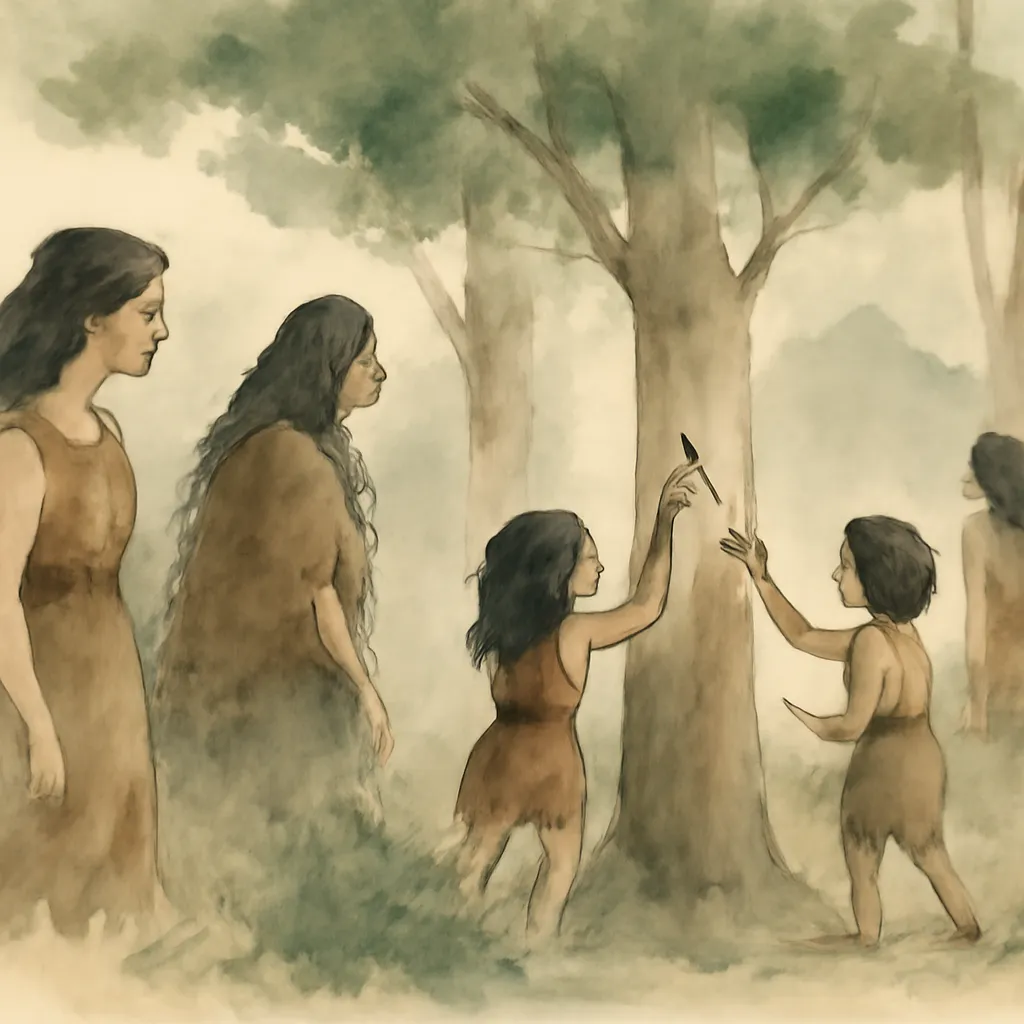
The cave-men live within a complex social structure defined by clans, each with its own hunting grounds and boundaries. This organization is essential for maintaining order and ensuring that resources are used sustainably. Mothers teach their children the boundaries of their clan's territory, instilling a sense of belonging and responsibility. The significance of these boundaries extends beyond mere survival; they foster a sense of security and identity among the cave-men. As they navigate interactions with neighboring clans, the cave-men develop social skills and diplomatic strategies, laying the groundwork for future societal norms and cooperation. This emphasis on clan structure illustrates the importance of community in human evolution, highlighting how social dynamics shape individual behavior. The establishment of boundaries also serves to minimize conflicts over resources, allowing clans to coexist in relative harmony while promoting a culture of respect toward neighboring groups.
5.The Development of Cooking and Food Preparation
The cave-men's culinary practices evolve significantly, particularly with the discovery of boiling food. Initially, the act of cooking intertwines with spiritual beliefs, as Chew-chew and her peers attempt to appease the gods through offerings. However, as they experiment with heating stones and boiling meat, they inadvertently discover the benefits of cooking for nutritional value and flavor. This innovation marks a turning point in their dietary habits, leading to improved health and greater food variety. The communal aspect of cooking also strengthens social bonds, as families gather to share meals. This development not only enhances their physical well-being but also transforms their social interactions, fostering a sense of community and cooperation. As they begin to understand the methods of cooking, the cave-men’s dietary practices become more sophisticated, paving the way for future culinary traditions and communal feasts that solidify social ties.
6.Childhood and Play as Learning Tools
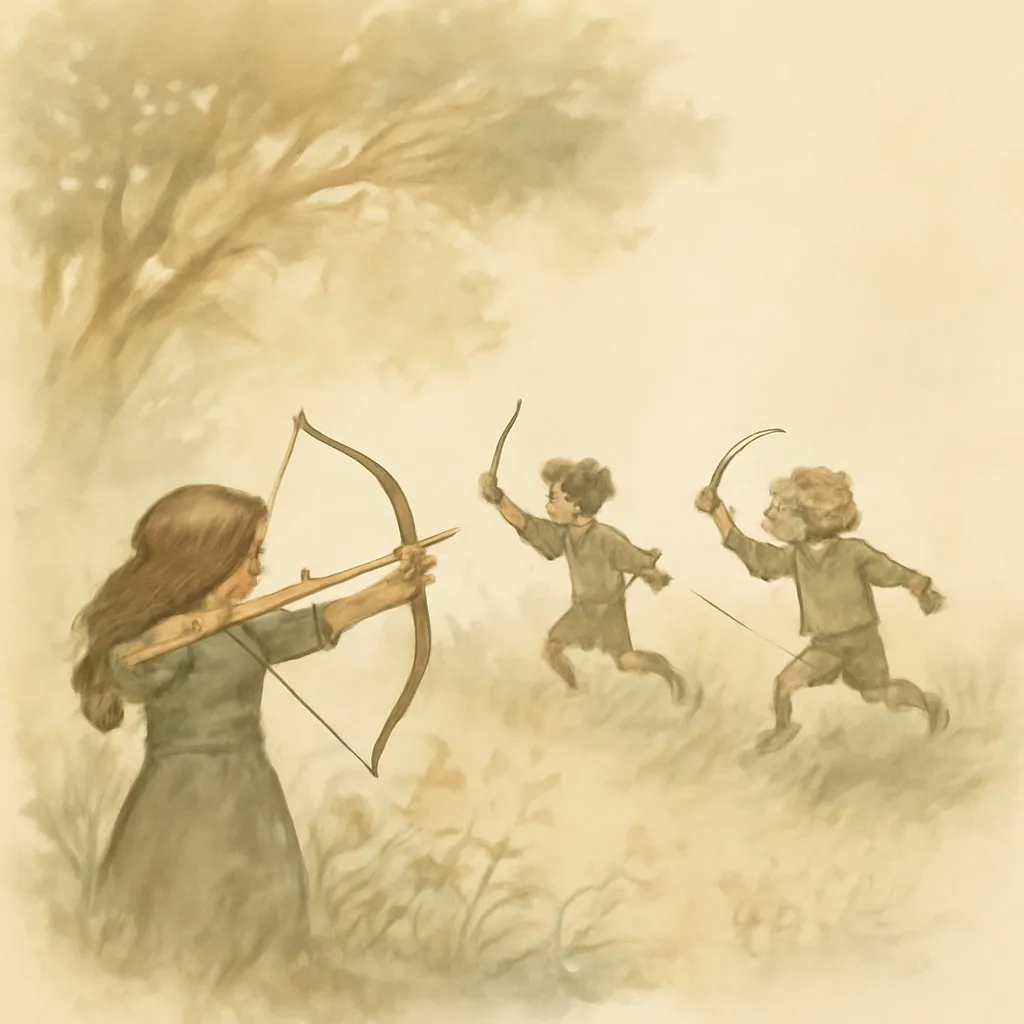
The children of the cave-men engage in play that mimics adult activities, providing them with valuable lessons in survival and socialization. Games centered around hunting and gathering allow them to practice skills in a safe environment, preparing them for the responsibilities of adulthood. This playful mimicry is essential for learning, as it reinforces the knowledge passed down through generations. The interactions among children also cultivate social skills, such as teamwork and communication, which are vital for their future roles within the clan. By integrating play into their upbringing, the cave-men ensure that the next generation is well-equipped to face the challenges of their world, emphasizing the importance of experiential learning. The act of playing not only boosts their physical abilities but also helps children internalize the values and strategies that will guide them as they grow, fostering resilience and adaptability.
7.Adapting to Environmental Changes
The cave-men's ability to adapt to changing environmental conditions is a recurring theme throughout the narrative. As seasons shift and animal behaviors change, the cave-men must remain vigilant and flexible in their strategies. This adaptability is evident in their hunting techniques, tool-making, and even their social structures. For instance, as the bison return in summer, the cave-men adjust their hunting methods to target these new prey effectively. Their survival depends on their capacity to observe and respond to the natural world, highlighting the relationship between humans and their environment. This ongoing adaptation not only ensures their survival but also drives innovation, as they learn to overcome obstacles and seize opportunities. The cave-men’s experiences provide a lens through which we can examine how early humans thrived amidst challenges, drawing important lessons about resilience and the proactive nature of human beings.
8.The Significance of Scars and Trophies
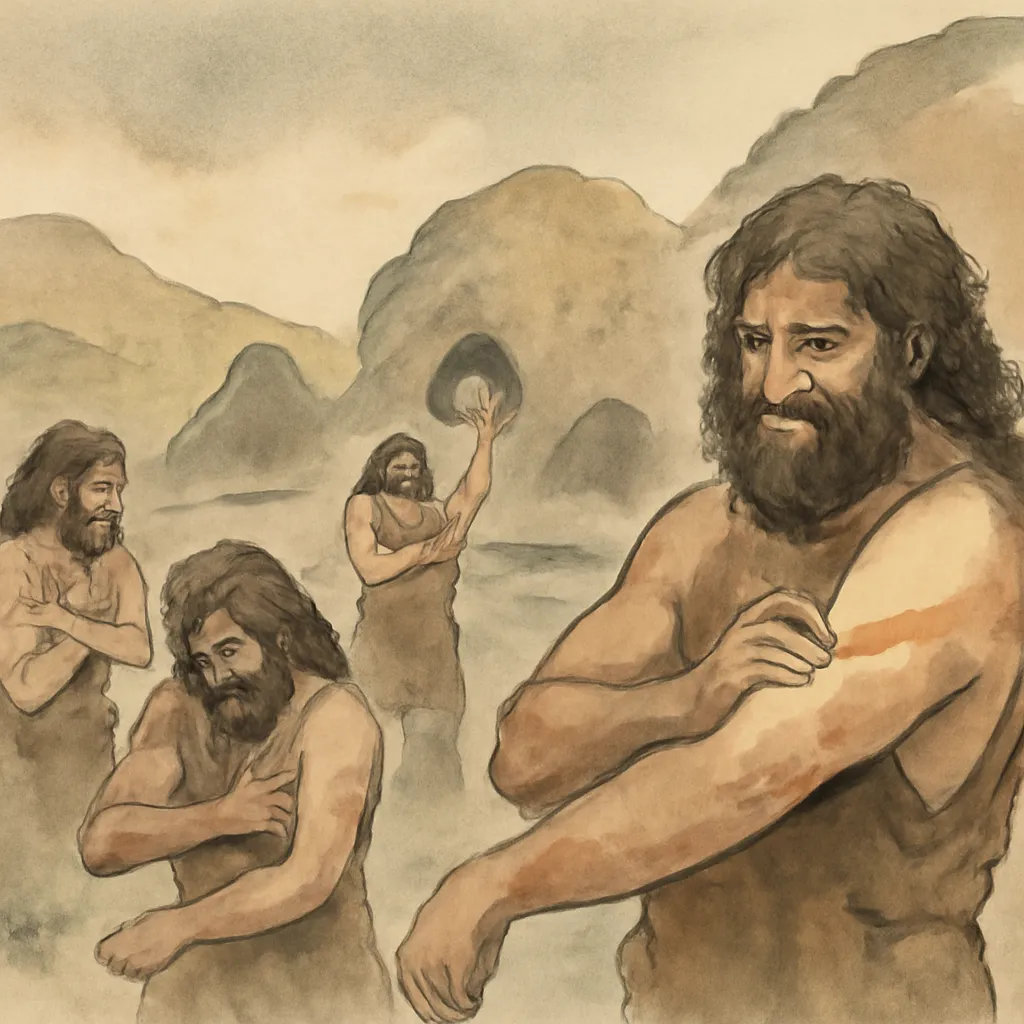
Scars and trophies hold great significance among the cave-men, symbolizing bravery and accomplishment. The deep scar of Scarface becomes a mark of honor, inspiring other men to seek their own scars as a testament to their courage. This cultural practice reflects the values of their society, where physical prowess and hunting success are highly esteemed. The desire to achieve such marks drives the cave-men to push their limits, fostering a competitive spirit that ultimately benefits the clan. Trophies from successful hunts serve not only as physical reminders of their achievements but also as tools for storytelling and identity formation. This emphasis on scars and trophies illustrates how personal experiences shape communal narratives and reinforce social bonds, making the very act of hunting a rite of passage that elevates individuals within the clan and strengthens collective identity.
9.Learning Through Challenges and Tests
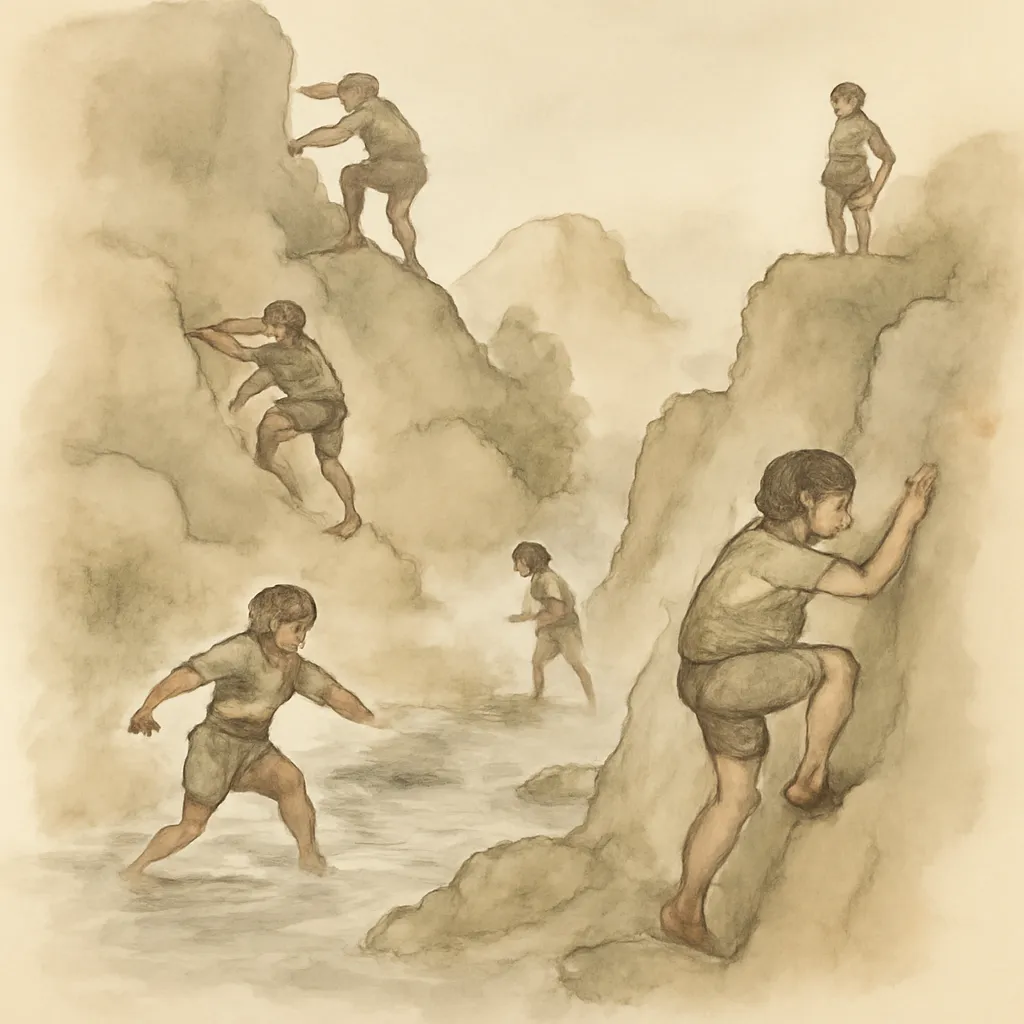
The cave-men employ various tests to prepare the younger generation for adulthood, emphasizing resilience and self-control. Boys like Fleetfoot and Flaker face challenges that test their strength, endurance, and ability to withstand temptation. These trials are not merely punitive; they serve as crucial learning experiences that help shape their character. The pressure to succeed fosters a sense of responsibility and belonging, as the boys strive to earn their place within the clan. Through these rigorous tests, the cave-men instill values of perseverance, bravery, and skill, ensuring that the next generation is ready to contribute to their society's survival and success. This process of testing underscores the importance of mentorship and communal support in human development, illustrating how collective experiences are essential for forging strong, capable leaders for the future.
10.The Evolution of Community and Cooperation
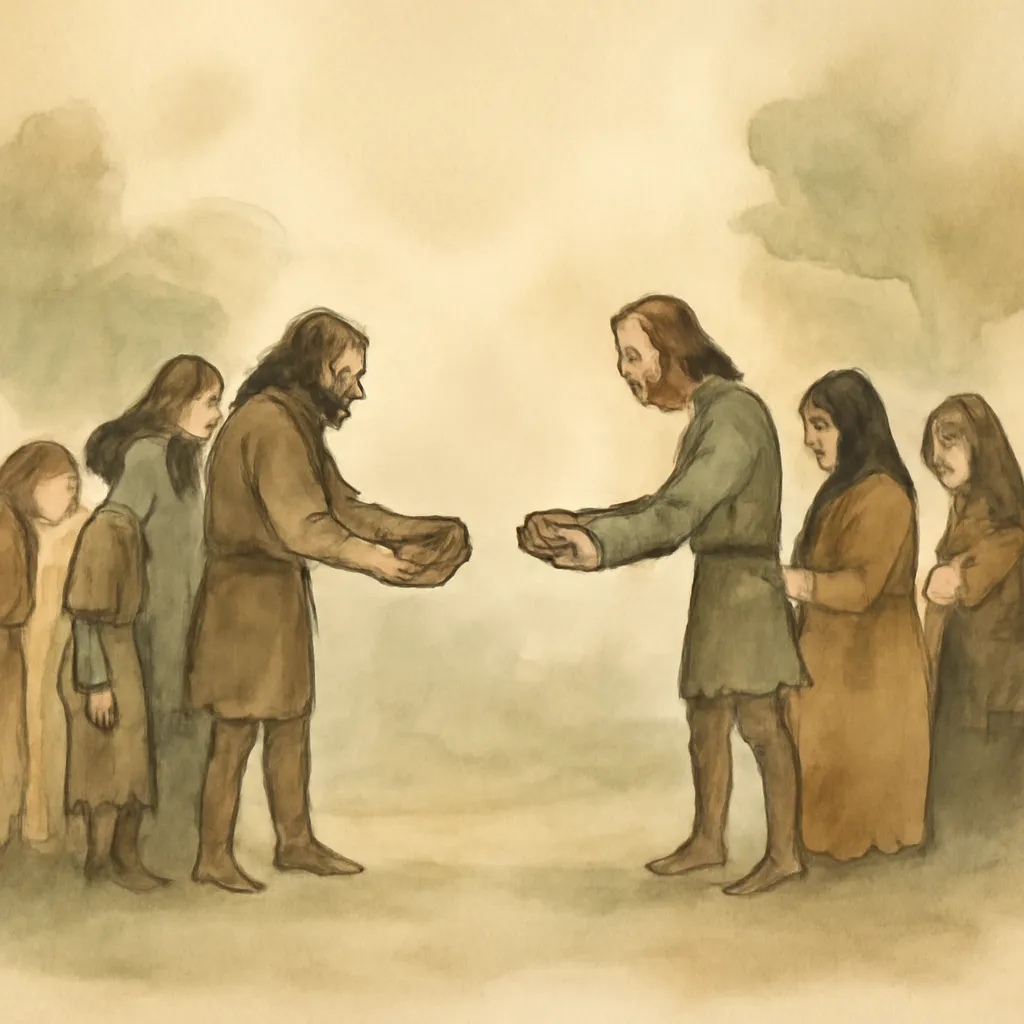
As the cave-men navigate the complexities of survival, the evolution of community and cooperation becomes paramount. Their interactions with neighboring clans necessitate diplomacy and negotiation, fostering relationships that can lead to alliances or conflicts. The ability to communicate effectively and understand social cues is crucial for maintaining peace and securing resources. Additionally, cooperation within the clan allows for shared responsibilities in hunting, gathering, and childcare, reinforcing the bonds of kinship. This developing sense of community not only enhances their chances of survival but also lays the groundwork for future societal structures. The cave-men's experiences illustrate the importance of collaboration and mutual support in the face of adversity, highlighting a fundamental aspect of human nature. The shared goals and interdependence among clan members cultivate a sense of unity, enabling them to thrive together amidst the difficulties of their environment.