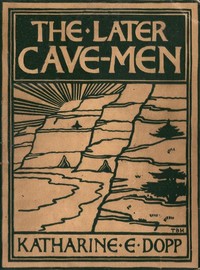

Explore the evolution of human ingenuity and community through the eyes of cave-men navigating their world
Read full overviewShow less›
In 'The Later Cave-Men', Katharine Elizabeth Dopp invites readers into a vibrant prehistoric world where early humans grapple with the challenges of survival, innovation, and social dynamics. This book explores the transition from basic survival strategies to more complex societal structures, revealing how practical activities shaped education and community life. Through engaging narratives about hunting, gathering, and the importance of storytelling, Dopp illustrates the interplay between nature and human development. Readers will gain insights into the formative experiences that laid the groundwork for modern civilization, understanding the roots of our relationship with the environment and each other.
The Later Cave-Men offers a rich tapestry of human experience, illustrating the profound relationships between individuals, their environments, and their communities. Through the lens of early cave-men, readers gain insights into the origins of social structures, the importance of innovation, and the role of storytelling in education. Dopp's narrative highlights the resilience and adaptability of humanity, emphasizing that the challenges faced by our ancestors have shaped the very foundation of our modern world. This exploration into the lives of early humans not only deepens our appreciation for their struggles and triumphs but also serves as a reminder of the enduring connections that bind us to our past. By reflecting on these early experiences, we can better understand our current societal dynamics and the continuing evolution of human cooperation.
- 1The Seasonal Migration of Reindeer
- 2The Role of Storytelling in Education
- 3Innovation in Hunting Techniques
- 4The Importance of Clan Structure and Boundaries
- 5The Development of Cooking and Food Preparation
A glimpse inside

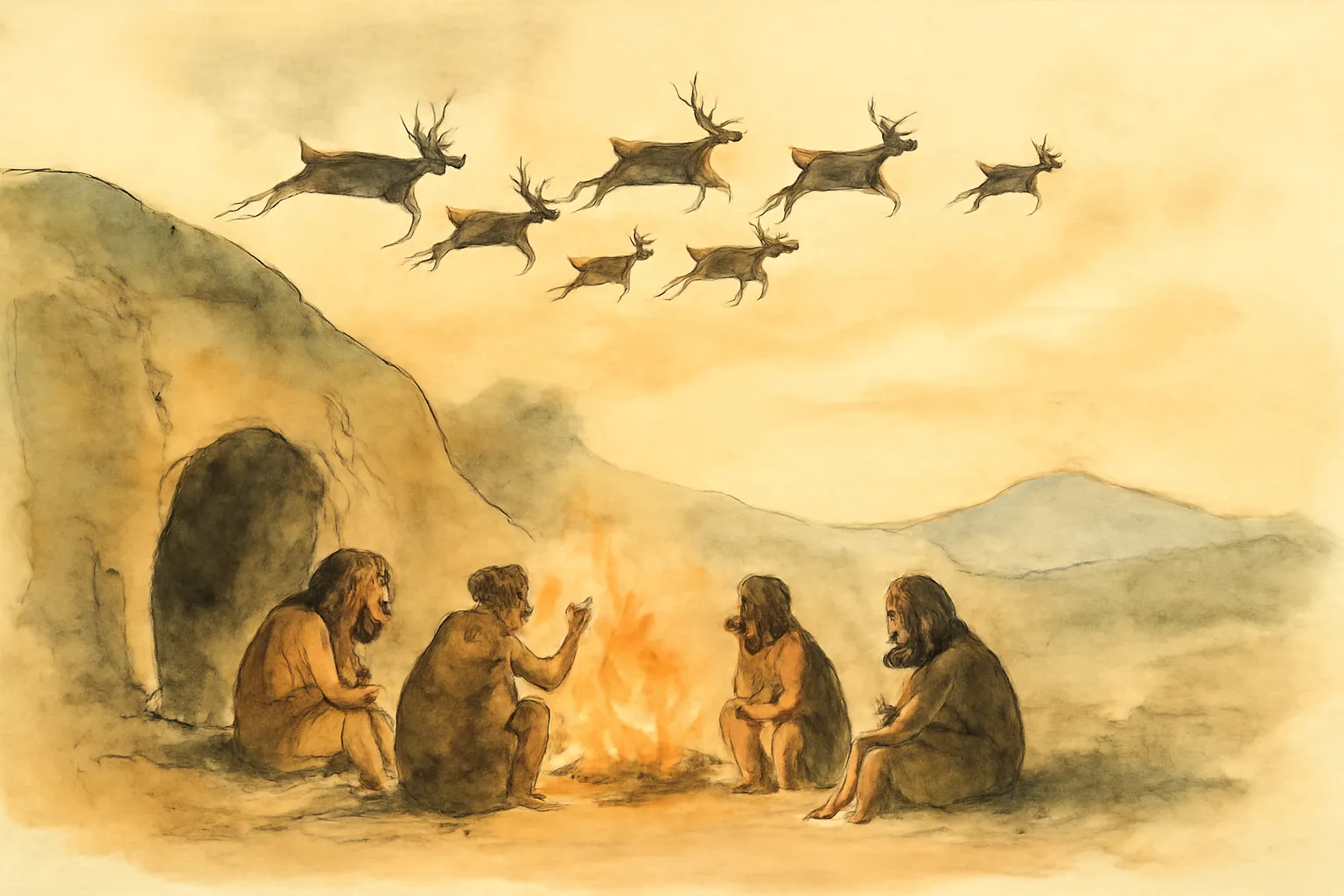
The story begins with the annual migration of reindeer, a crucial event for the cave-men who depend on these animals for sustenance. Read moreThe story begins with the annual migration of reindeer, a crucial event for the cave-men who depend on these animals for sustenance. As the winter winds fade and the south wind blows, signaling the arrival of spring, the reindeer instinctively begin their journey to summer pastures. The cave-men, led by figures like Scarface, prepare for the hunt, demonstrating the deep connection between humans and nature. The excitement surrounding the reindeer migration highlights the importance of observing animal behavior, as the cave-men must anticipate the reindeer’s movements to ensure successful hunting. This seasonal cycle not only sustains their physical needs but also fosters a sense of community and shared purpose among the cave-men, emphasizing the interdependence of life and the environment. Through communal efforts in hunting, the cave-men solidify their bonds and enhance their social cohesion. Show less
Chew-chew, the eldest woman in the cave, plays a pivotal role in education through storytelling, passing down knowledge of their ancestors and the natural world. Read moreChew-chew, the eldest woman in the cave, plays a pivotal role in education through storytelling, passing down knowledge of their ancestors and the natural world. Her tales illustrate the bravery and skills of early cave-men, serving both as entertainment and as a vital educational tool. Storytelling fosters a sense of identity and belonging among the children, linking them to their heritage and teaching them essential survival skills. The stories also reflect the values of their society, emphasizing bravery, resourcefulness, and the importance of community. This method of learning, rooted in practical activity and oral tradition, highlights the significance of experiential knowledge in shaping the next generation of cave-men, preparing them for the challenges ahead. The children are not just passive recipients of stories; they engage with the narratives, asking questions and imagining themselves in those roles, which deepens their understanding of their own capabilities and responsibilities. Show less
Read the full text — free
About the author
Read Katharine Elizabeth Dopp's work free on Lumina — the complete text plus an 8-minute summary and key ideas, no account needed