1.The Art of Digression
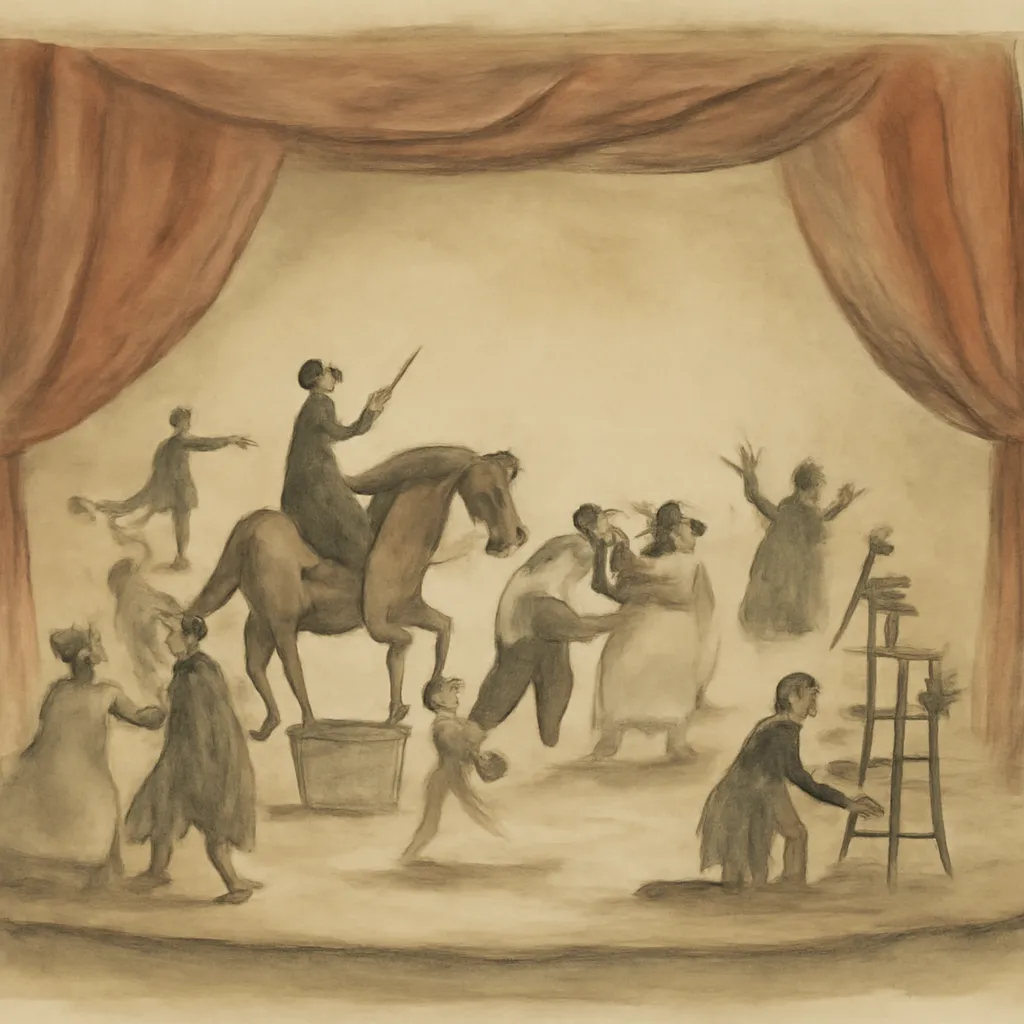
Sterne's narrative is characterized by its playful digressions, which serve as a form of artistic expression. Instead of adhering to a linear plot, the story meanders through various topics, from philosophy to anatomy, reflecting the complexity of human thought. This structure allows readers to experience the spontaneity of Tristram's mind, mirroring how people often think in non-linear ways. For instance, when Tristram reflects on the circumstances of his birth, he digresses into a discussion about the nature of animal spirits and how they influence a person's fate. Such digressions not only add humor but also invite readers to ponder deeper philosophical questions, showcasing Sterne's belief that life is not confined to straightforward narratives. By embracing digression, Sterne emphasizes the richness of human experience, suggesting that the journey of thought is as important as the destination.
2.The Complexity of Identity
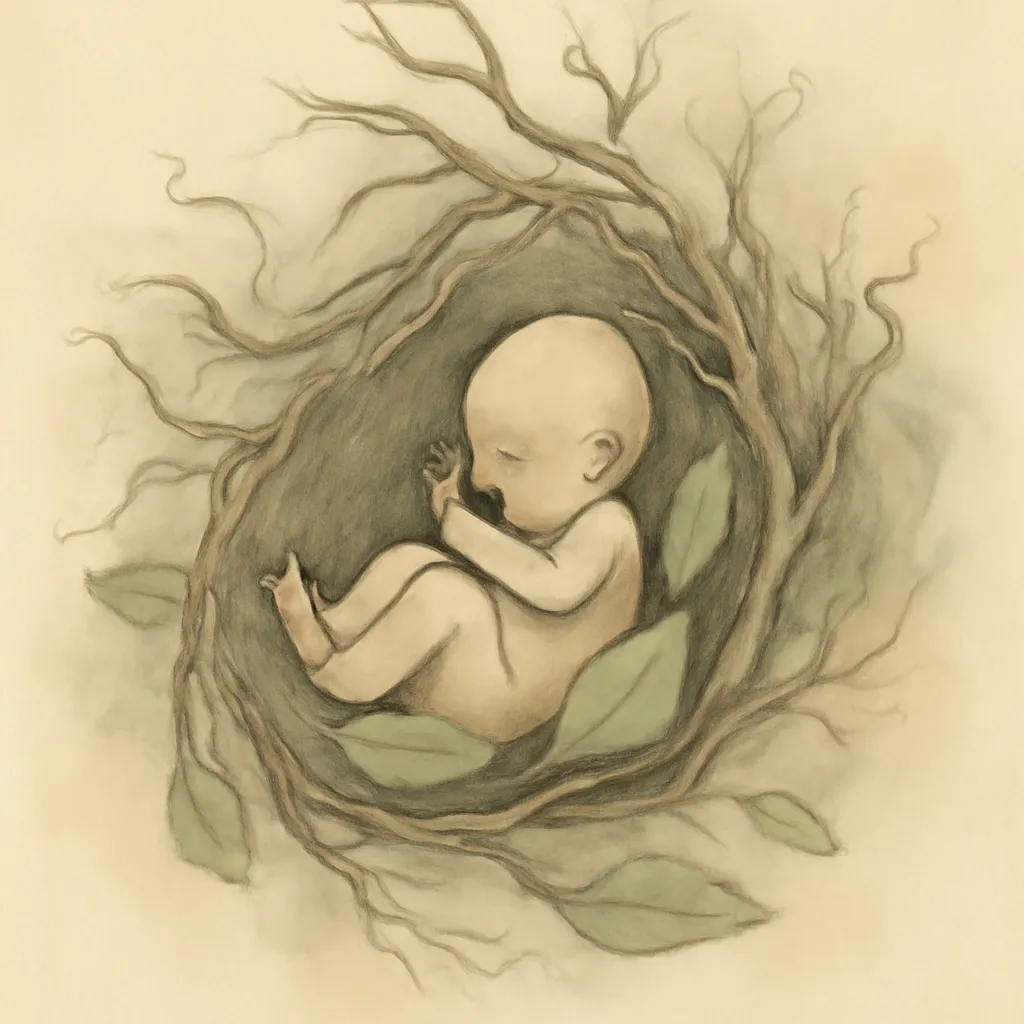
Tristram Shandy's exploration of identity begins with his very conception, where he humorously laments the circumstances surrounding his birth. He wishes his parents had considered the implications of their actions more carefully, suggesting that identity is shaped by the conditions of one's arrival into the world. This theme continues throughout the novel, as Tristram grapples with the expectations placed upon him by his family and society. The narrative suggests that identity is not fixed but fluid, influenced by experiences, relationships, and even the absurdity of life itself. For example, how Tristram's father becomes obsessed with naming him reflects societal pressures that dictate one's identity. Through Tristram's reflections, readers are encouraged to question the nature of their own identities and the forces that shape who they are. This exploration of identity is further complicated by the interplay of family dynamics, societal expectations, and personal experiences, illustrating that our identities are often narratives crafted from the chaos around us.
3.The Role of Humor in Life
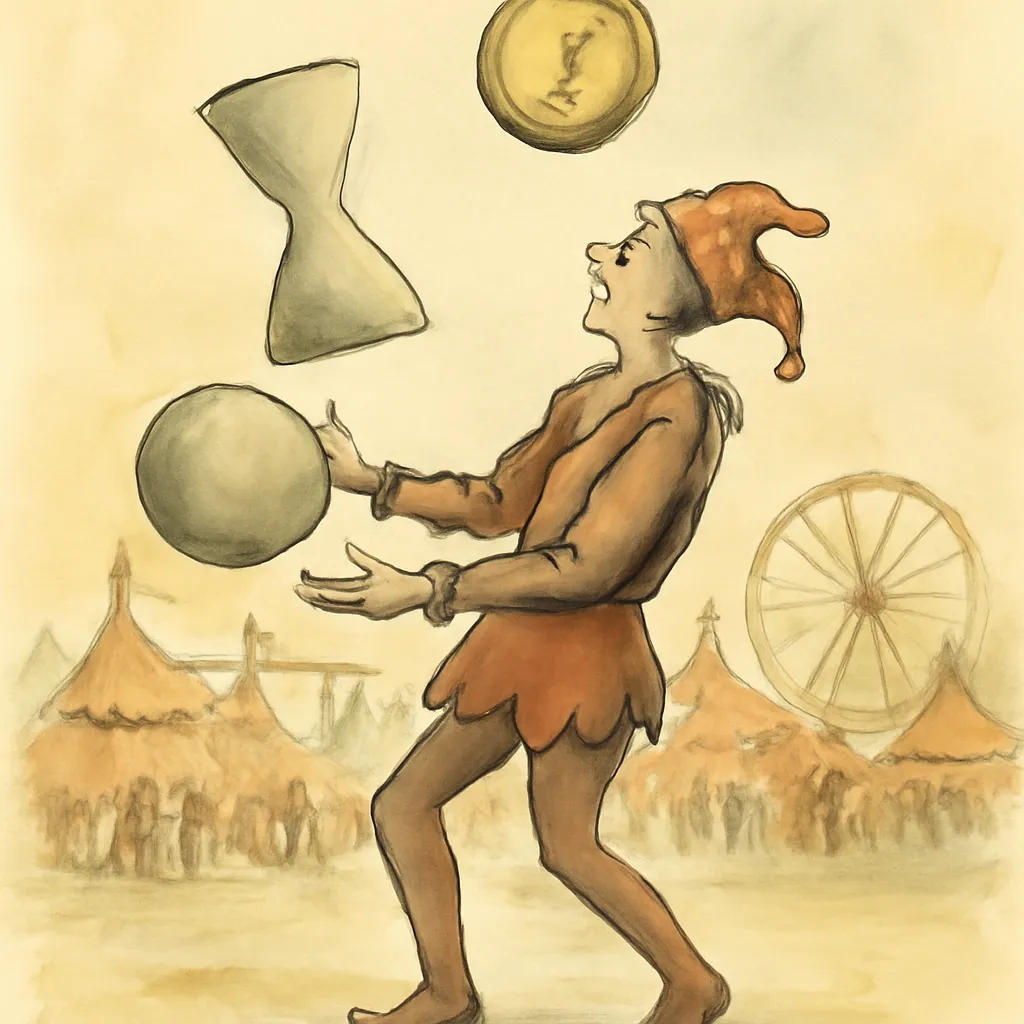
Sterne employs humor as a coping mechanism for the trials and tribulations of life. Tristram's attempts to navigate the absurdities of his existence are often met with comedic outcomes, highlighting the importance of laughter in facing adversity. For instance, Tristram's father, who is portrayed as a man of great intellect but often prone to irrational fears, provides comic relief through his exaggerated reactions to trivial matters. This use of humor serves to remind readers that while life can be fraught with challenges, maintaining a sense of levity can provide solace and perspective. Tristram's humorous recounting of the events surrounding his birth, such as the absurd circumstances that led to the 'squeezed' condition of his nose, illustrates how humor can transform misfortune into a source of amusement. Sterne's work suggests that humor is not merely entertainment; it is a vital part of the human experience that can foster resilience and encourage a positive outlook even in the face of adversity.
4.The Absurdity of Life
The narrative of Tristram Shandy is steeped in the absurd, reflecting the chaotic nature of existence. Characters often find themselves in ridiculous situations that defy logic, such as Tristram's father obsessing over the perfect name for his son, which leads to a series of comic misunderstandings. For example, the marriage articles that dictate Tristram's fate introduce a level of absurdity in the expectation that a name could significantly shape a person's destiny. This absurdity is not just for comedic effect; it serves as a commentary on the unpredictability of life and the human condition. Sterne suggests that rather than seeking meaning in every event, one should embrace the absurdity and find joy in the unexpected. This perspective encourages readers to accept life's unpredictability and to find beauty in its chaos, as illustrated through Tristram's many misfortunes and mishaps, which become a source of wisdom rather than despair.
5.The Power of Storytelling
Sterne's novel highlights the transformative power of storytelling as a means of understanding one's self and the world. Tristram's narrative is not merely a recounting of events; it is an exploration of ideas, emotions, and relationships. Through storytelling, Tristram seeks to make sense of his experiences and to connect with others. The act of narrating becomes a way for him to assert his identity and agency in a world that often feels uncontrollable. This is particularly evident when Tristram reflects on how his father’s obsession with names and their meanings affects his own identity, ultimately leading to a deeper understanding of himself. The interspersed anecdotes and reflections throughout the novel create a rich tapestry that showcases how storytelling can provide clarity amid chaos. This theme underscores the importance of narrative in human experience, suggesting that our stories shape our realities and allow us to navigate the complexities of life.
6.The Influence of Family
Family dynamics play a crucial role in Tristram's life and the narrative itself. The relationships between Tristram and his father, mother, and Uncle Toby reveal the complexities of familial love, expectation, and conflict. Tristram's father is portrayed as a well-meaning yet eccentric figure whose obsessive nature often leads to humorous situations. His fixation on the minutiae of life, such as the 'right' naming of his son, adds layers of absurdity to the family dynamic. In contrast, Uncle Toby represents a more gentle and understanding aspect of family, providing a source of comfort and support in Tristram's life. The interactions between these characters highlight how familial expectations can shape one's identity while also showcasing the warmth and support that can arise within family bonds. Through these relationships, Sterne explores how family shapes one's identity and experiences, emphasizing both the joys and challenges that come with familial bonds.
7.Philosophy and Reflection
Sterne weaves philosophical musings throughout the narrative, inviting readers to engage with profound questions about existence, morality, and knowledge. Tristram's reflections often delve into the nature of time, consciousness, and the human experience. For example, the discussions surrounding the nature of animal spirits and their influence on one's fate highlight the interplay between philosophy and everyday life. Tristram's humorous yet insightful comments on the complexities of life encourage readers to engage in their own philosophical reflections, often leading to deeper insights about the human condition. By incorporating these reflections, Sterne encourages readers to contemplate their own beliefs and assumptions, positioning the novel as a space for intellectual exploration as well as entertainment. This philosophical dimension adds depth to the narrative, making it a rich tapestry of ideas that resonates with readers on multiple levels.
8.The Nature of Time
Time is a recurring theme in Tristram Shandy, with the narrative frequently breaking the fourth wall to comment on its passage and significance. Sterne's use of time is not linear; instead, the narrative shifts between past, present, and future in a manner that reflects the fluidity of memory and experience. Tristram muses on the nature of time, suggesting that it is not a linear progression but a series of interconnected moments that shape our lives. This perspective encourages readers to reflect on their own relationship with time, highlighting how the past influences the present and how memories can shape one's identity. The exploration of time in Tristram's story also serves to remind readers that life is a collection of moments, each contributing to the larger narrative of one's existence. By challenging conventional notions of time, Sterne invites readers to consider the deeper implications of their experiences, emphasizing that time, much like storytelling, is a malleable construct.
9.The Interplay of Wit and Judgment
Sterne juxtaposes the qualities of wit and judgment throughout the novel, suggesting that both are essential for navigating life. Tristram's father embodies the rationality of judgment, while Uncle Toby represents the playful spirit of wit. Their interactions illustrate the balance between these two aspects of the human experience, emphasizing that neither should dominate. The novel suggests that a harmonious blend of wit and judgment allows individuals to engage with the world more fully, enabling them to appreciate both the seriousness and the absurdity of life. This interplay serves as a reminder that wisdom often arises from the ability to see the world through multiple lenses, allowing for a deeper understanding of one’s experiences and relationships. By highlighting this dynamic, Sterne encourages readers to cultivate both wit and judgment in their own lives, suggesting that the integration of humor and rational thought can lead to a richer, more fulfilling existence.
10.The Impact of Society
Sterne critiques societal norms and expectations through the lens of Tristram's experiences. The novel highlights the absurdities of social conventions, particularly in relation to class, gender, and morality. For instance, Tristram's interactions with various societal figures reveal the hypocrisy and arbitrariness of social hierarchies. Sterne uses Tristram's family dynamics and their interactions with the world to illustrate how societal pressures can dictate personal choices and identities. By exposing the absurdities of society, the novel advocates for a more authentic and compassionate approach to human interaction, suggesting that genuine connection transcends social boundaries. Through the lens of comedy, Sterne encourages readers to reflect on their own societal norms and encourages a questioning of the status quo, promoting the idea that true happiness comes from authenticity and self-acceptance rather than adherence to societal expectations.