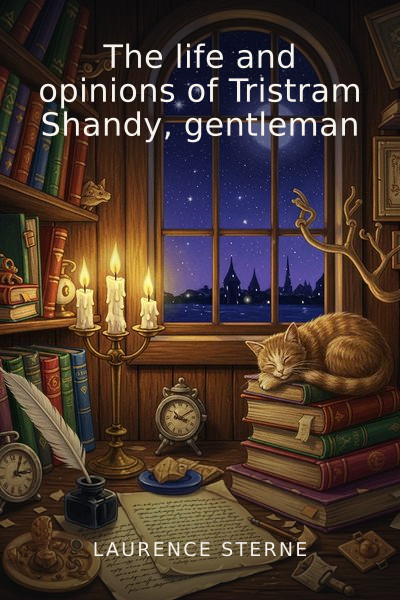

Explore the whimsical and profound journey of Tristram Shandy, a tale that defies conventional storytelling and celebrates the absurdity of life
Read full overviewShow less›
In 'The Life and Opinions of Tristram Shandy, Gentleman,' Laurence Sterne invites readers into a labyrinthine world where narrative structure is shattered and humor reigns supreme. Through the misadventures of Tristram Shandy, the novel explores themes of identity, family, and the unpredictability of life itself. Sterne's unique approach blends digression with philosophical musings, creating a reading experience that is both entertaining and thought-provoking. Expect to encounter a cast of eccentric characters, witty repartee, and a narrative that plays with time and form. This book is a celebration of the human experience, one that encourages readers to embrace the chaos of existence and find joy in the journey.
'The Life and Opinions of Tristram Shandy, Gentleman' is more than just a novel; it is a celebration of the human experience in all its complexity. Through its rich tapestry of humor, philosophy, and reflection, Sterne invites readers to embrace the absurdity of life and to find joy in the journey. The novel challenges conventional storytelling, encouraging a deeper engagement with the themes of identity, family, and the nature of existence. Ultimately, Tristram Shandy stands as a testament to the power of narrative, reminding us that our stories shape who we are and how we perceive the world around us.
Ratings at a glance
- 1The Art of Digression
- 2The Complexity of Identity
- 3The Role of Humor in Life
- 4The Absurdity of Life
- 5The Power of Storytelling
Notable quotes
“Believe me, good folks, this is not so inconsiderable a thing as many of you may think it;”
“I solemnly declare to all mankind, that the above dedication was made for no one Prince, Prelate, Pope, or Potentate;”
“Your greatness of mind in this action, which I admire, with that generous contempt of money, which you shew me in the whole transaction, is really noble;”
A glimpse inside

Sterne's narrative is characterized by its playful digressions, which serve as a form of artistic expression. Instead of adhering to a linear plot, the story meanders thr… Read moreSterne's narrative is characterized by its playful digressions, which serve as a form of artistic expression. Instead of adhering to a linear plot, the story meanders through various topics, from philosophy to anatomy, reflecting the complexity of human thought. This structure allows readers to experience the spontaneity of Tristram's mind, mirroring how people often think in non-linear ways. For instance, when Tristram reflects on the circumstances of his birth, he digresses into a discussion about the nature of animal spirits and how they influence a person's fate. Such digressions not only add humor but also invite readers to ponder deeper philosophical questions, showcasing Sterne's belief that life is not confined to straightforward narratives. By embracing digression, Sterne emphasizes the richness of human experience, suggesting that the journey of thought is as important as the destination. Show less
Tristram Shandy's exploration of identity begins with his very conception, where he humorously laments the circumstances surrounding his birth. Read moreTristram Shandy's exploration of identity begins with his very conception, where he humorously laments the circumstances surrounding his birth. He wishes his parents had considered the implications of their actions more carefully, suggesting that identity is shaped by the conditions of one's arrival into the world. This theme continues throughout the novel, as Tristram grapples with the expectations placed upon him by his family and society. The narrative suggests that identity is not fixed but fluid, influenced by experiences, relationships, and even the absurdity of life itself. For example, how Tristram's father becomes obsessed with naming him reflects societal pressures that dictate one's identity. Through Tristram's reflections, readers are encouraged to question the nature of their own identities and the forces that shape who they are. This exploration of identity is further complicated by the interplay of family dynamics, societal expectations, and personal experiences, illustrating that our identities are often narratives crafted from the chaos around us. Show less
Read the full text — free
About the author
Read Laurence Sterne's work free on Lumina — the complete text plus an 8-minute summary and key ideas, no account needed