1.The Formative Years of a Revolutionary Spirit
Friedrich Schiller was born in 1759 into a life marked by strict discipline and expectations. His father, an army doctor, imposed a rigid upbringing that stifled Schiller's creative impulses. Yet, this environment also instilled in him a sense of rebellion against oppressive authority. Early on, Schiller exhibited a passion for literature and poetry, which blossomed during his studies at the Duke of Wuerttemberg's Free Seminary. Here, he felt constrained by formal education but simultaneously inspired by the realm of ideas. His literary ambitions ignited a passionate rebellion against the conventional paths set before him, leading him to write 'The Robbers,' a play that encapsulated the turmoil and fervor of his youthful spirit. This initial struggle against societal norms laid the foundation for Schiller's later works, which would challenge the status quo and advocate for personal freedom and moral integrity.
2.The Impact of 'The Robbers'
Schiller's breakthrough play, 'The Robbers,' is not just a narrative of rebellion but a reflection of his own inner turmoil and aspirations. The play's characters, particularly Karl, embody the struggles of a young man seeking freedom from societal constraints, mirroring Schiller’s own experiences. The stark contrast between the ideals of liberty and the harsh realities of life resonated with audiences, generating a whirlwind of praise and criticism alike. Critics lauded its emotional depth, while others condemned its moral implications, viewing it as a dangerous glorification of lawlessness. Schiller himself grappled with the ethical ramifications of his work, leading to a deeper understanding of the complexities of human nature. 'The Robbers' became a catalyst for Schiller's evolution as a thinker and artist, solidifying his place in the literary canon and sparking discussions about freedom, justice, and the human condition.
3.Persecution and the Quest for Independence
Following the success of 'The Robbers,' Schiller faced persecution from the Duke of Wuerttemberg, who viewed his writings as a threat to authority. This period of adversity became a crucible for Schiller, forcing him to flee his homeland in search of artistic freedom. His escape to Mannheim marked a significant turning point in his life, allowing him to break free from the oppressive constraints that had stifled his creativity. In Mannheim, Schiller found support from fellow artists and intellectuals, facilitating his growth as a playwright. The experience of persecution not only shaped his understanding of artistic freedom but also deepened his resolve to express the ideals of liberty and justice in his works. This struggle against tyranny became a recurring theme in Schiller's writings, as he championed the cause of the oppressed and explored the moral implications of power and authority.
4.The Pursuit of Historical Truth
In the late 1780s, Schiller turned his attention to historical writing, believing that history could provide profound insights into human nature and the moral lessons of the past. His work on the 'History of the Thirty-Years War' exemplifies his commitment to understanding the complexities of human behavior through the lens of history. Schiller approached history not merely as a chronological account but as a narrative that reveals the interplay of ideals, actions, and consequences. He believed that by studying the past, individuals could gain a deeper understanding of their own moral responsibilities. This philosophical inquiry into history informed his later dramatic works, as he sought to weave historical narratives that reflect the struggles of humanity. Schiller's historical writings are characterized by a blend of narrative flair and philosophical depth, demonstrating his belief in the transformative power of understanding one's heritage.
5.The Role of Friendship with Goethe
Schiller's relationship with Johann Wolfgang von Goethe is one of the most significant literary partnerships in history. Their friendship, forged in the late 18th century, was marked by mutual respect and intellectual exchange. Goethe initially perceived Schiller as a rival, but as they became acquainted, they recognized each other's talents and shared aspirations. This camaraderie led to a collaborative spirit, influencing their respective works and encouraging them to explore new artistic avenues. Schiller's correspondence with Goethe reveals their discussions on aesthetics, philosophy, and the role of art in society. Their friendship exemplified the idea that great minds can inspire and elevate one another, and together they contributed to the German literary renaissance. Through their dialogues, they articulated a vision of art that transcended mere entertainment, advocating for its role in shaping moral and philosophical discourse.
6.The Philosophical Turn: Aesthetic Culture
As Schiller matured as a writer, he became increasingly interested in the philosophical dimensions of art and aesthetics. His letters on aesthetic culture articulate his belief that art should serve a higher purpose, fostering moral and intellectual development. Schiller posited that beauty and truth are interconnected, and that engaging with art can lead individuals to a greater understanding of their humanity. This philosophical perspective was influenced by Enlightenment thinkers, particularly Immanuel Kant, whose ideas on aesthetics resonated deeply with Schiller. He argued that art has the power to transcend the mundane, offering a glimpse into the ideal and the sublime. Schiller's emphasis on the moral and educational value of art shaped his later works, pushing him to create pieces that not only entertain but also provoke thought and inspire ethical reflection. This commitment to aesthetic culture became a hallmark of his legacy, influencing generations of artists and thinkers.
7.The Influence of the French Revolution
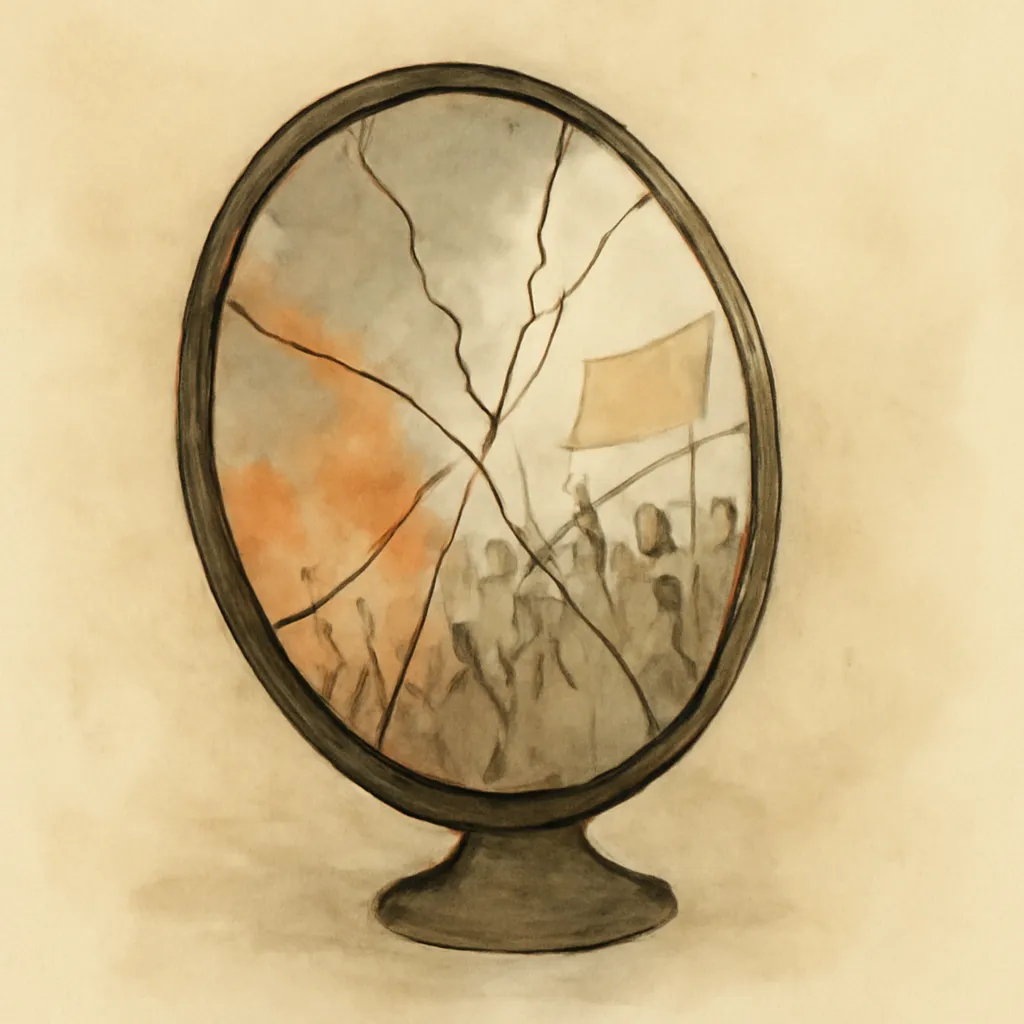
The tumult of the French Revolution profoundly impacted Schiller's worldview and artistic expression. Initially, he viewed the Revolution as a manifestation of the ideals of liberty and equality, aligning with his own philosophical beliefs. However, as the Revolution descended into chaos and violence, Schiller's perspective evolved. He grappled with the implications of revolutionary fervor and the moral complexities of political upheaval. This tension is evident in his writings during this period, particularly in his plays that explore themes of power, justice, and the human spirit. Schiller's engagement with the Revolution reflected his belief in the necessity of moral and ethical considerations in the pursuit of political change. He sought to navigate the fine line between idealism and reality, ultimately advocating for a vision of revolution that is rooted in moral integrity rather than sheer ambition. This nuanced understanding of the Revolution enriched his dramatic works, prompting him to create characters that embody the struggle for justice amidst the perils of tyranny.
8.A Legacy of Tragedy and Heroism
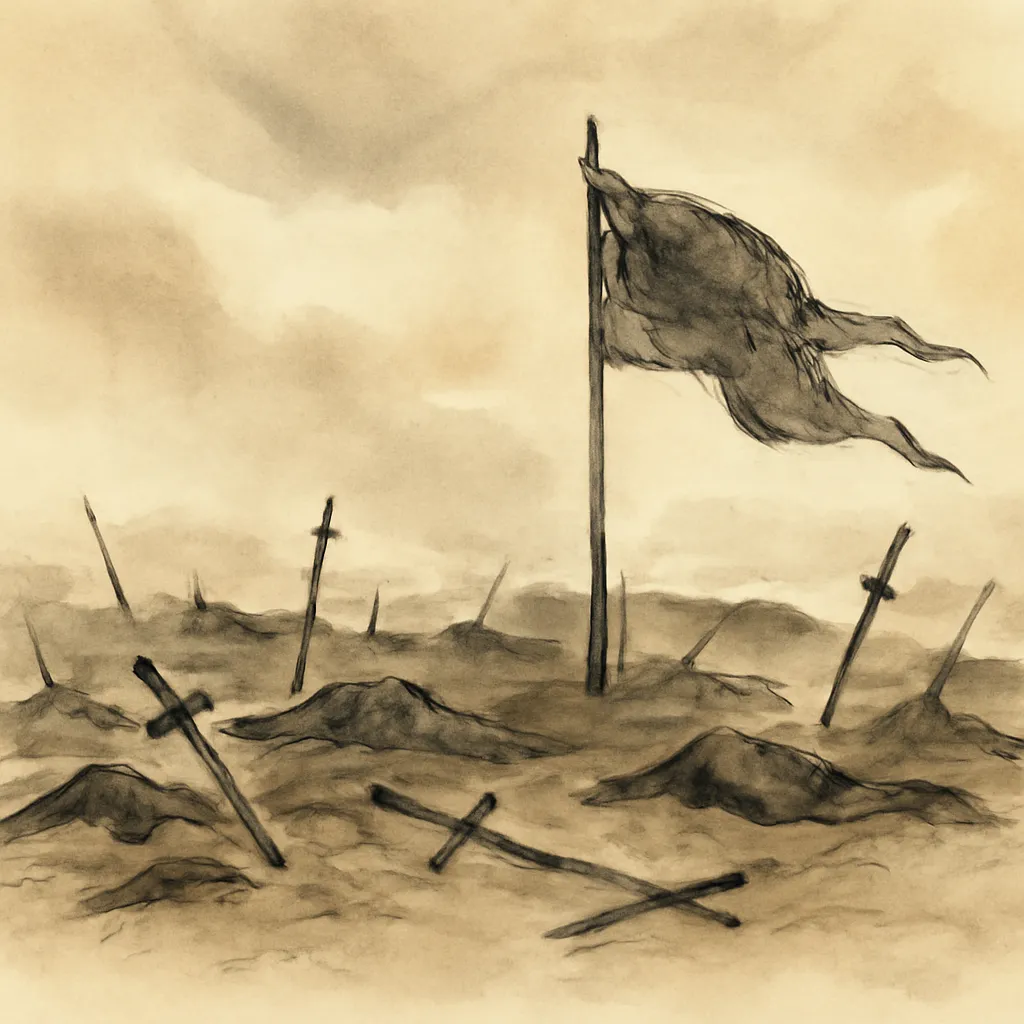
Schiller's later works, including 'Wallenstein,' 'Maria Stuart,' and 'The Maid of Orleans,' exemplify his mastery of tragedy and his exploration of heroic themes. These plays delve into the complexities of human motivation, moral dilemmas, and the consequences of individual actions within the larger tapestry of history. In 'Wallenstein,' Schiller presents a protagonist who embodies both greatness and tragedy, illustrating the often-painful consequences of ambition and power. Similarly, 'Maria Stuart' explores the tension between personal desires and political responsibilities, ultimately portraying the tragic downfall of a noble character. Schiller's heroes are not mere archetypes; they are deeply human, grappling with their flaws and virtues in the face of insurmountable odds. This focus on the heroic journey, combined with his philosophical insights, elevates Schiller's tragedies to a level of profound moral inquiry, inviting audiences to reflect on their own values and choices. His commitment to portraying the human experience in all its complexity solidifies his status as a literary giant whose works continue to resonate with contemporary audiences.
9.The Final Years: Illness and Reflection

As Schiller entered the final phase of his life, he faced significant health challenges that forced him to confront his own mortality. Despite his deteriorating condition, Schiller remained dedicated to his work, producing some of his most significant writings during this time. His struggle with illness deepened his reflections on life, art, and the human condition, leading him to articulate a vision of art that transcends the individual experience. In his correspondence and lectures, he emphasized the importance of leaving a legacy that inspires future generations. Schiller's final works reflect a sense of urgency, as he sought to capture the essence of human experience and the moral imperatives that guide it. His commitment to his ideals, even in the face of personal suffering, serves as a testament to his character and artistic integrity. Ultimately, Schiller's last years were marked by a profound sense of purpose, culminating in a body of work that continues to inspire and challenge readers to this day.
10.The Enduring Impact of Schiller's Legacy
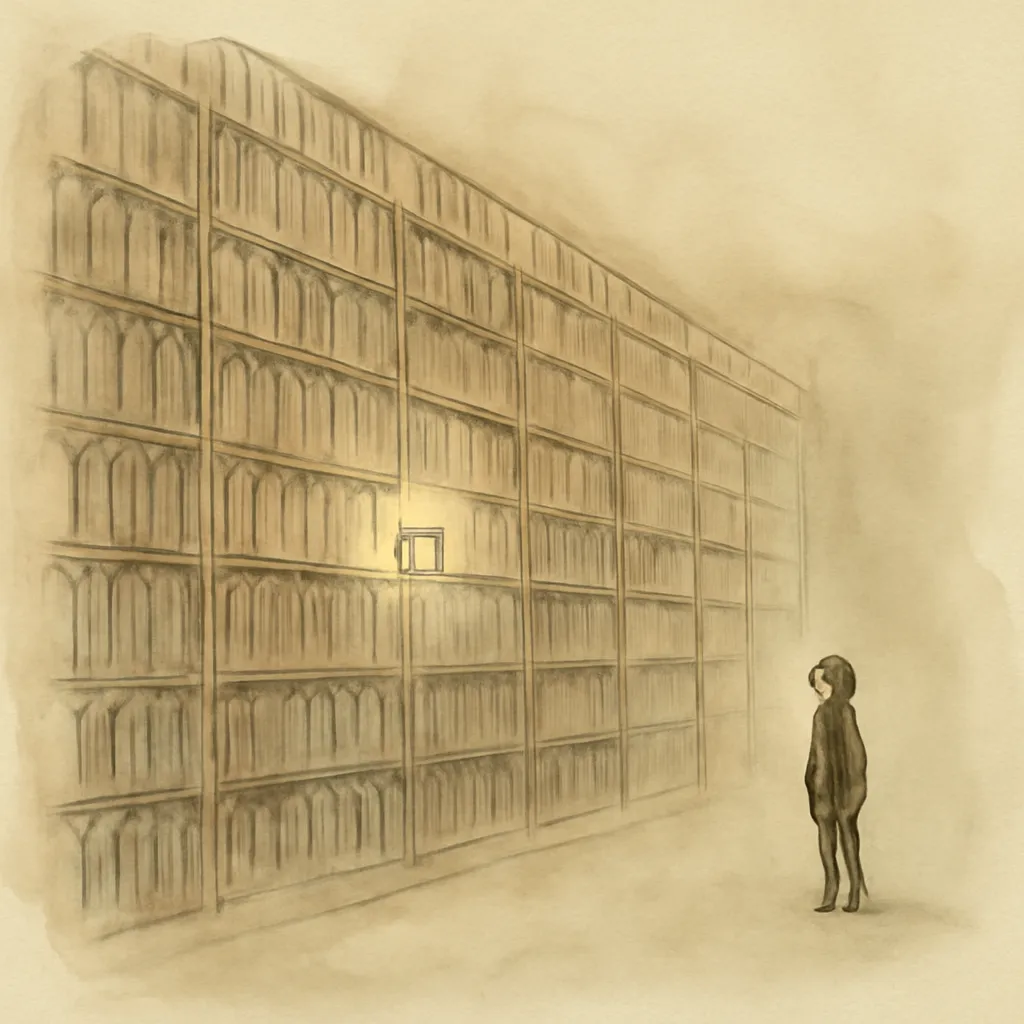
Friedrich Schiller's life and works have left an indelible mark on literature and philosophy. His exploration of themes such as freedom, justice, and the moral dimensions of art continues to resonate with audiences around the world. Schiller's ability to articulate the complexities of the human spirit, coupled with his unwavering commitment to his ideals, has positioned him as a foundational figure in the canon of Western literature. His works have transcended cultural and temporal boundaries, inspiring countless adaptations and interpretations. The impact of Schiller extends beyond literature; his philosophical inquiries have influenced thinkers across disciplines, prompting discussions on the role of art in society and the ethical responsibilities of the artist. As society grapples with contemporary challenges, Schiller's insights into the nature of humanity and the pursuit of justice remain relevant, reminding us of the power of art to inspire change and provoke thought.