1.A Prince's Preparation
Born into the royal family, Edward was shaped by the values and expectations of his parents, Queen Victoria and Prince Albert. Their marriage exemplified a harmonious partnership that influenced Edward's understanding of duty and family. From a young age, he was immersed in the principles of constitutional monarchy, learning the importance of balancing royal responsibilities with public sentiment. His upbringing instilled in him a sense of duty that would guide him through the public scrutiny he faced throughout his life. The early years of his education were also marked by a keen awareness of the evolving political landscape, which would become crucial as he transitioned from prince to king. His formative experiences included interactions with notable political figures, a curriculum that emphasized statecraft, and exposure to the complexities of public life, all of which would define his approach to leadership.
2.The Role of the Crown in a Democracy
The late 19th century marked a significant shift in the relationship between the monarchy and the British public. King Edward's reign coincided with the rise of democracy, and his role became increasingly symbolic as the monarchy adapted to a more participatory political environment. This transformation was essential in maintaining national unity and loyalty among the diverse populations of the British Empire. Edward's ability to embody the Crown as a symbol of unity amidst a democratic backdrop helped to solidify the monarchy's relevance. His reign illustrated the potential for a royal figure to act as a bridge between tradition and modernity, fostering a renewed sense of allegiance among the citizens. The public's love for Edward was not merely passive; it was a reflection of his engagement with societal changes, as he navigated the delicate balance between maintaining royal authority and embracing the democratic ethos of his time.
3.The Prince's Early Public Engagements
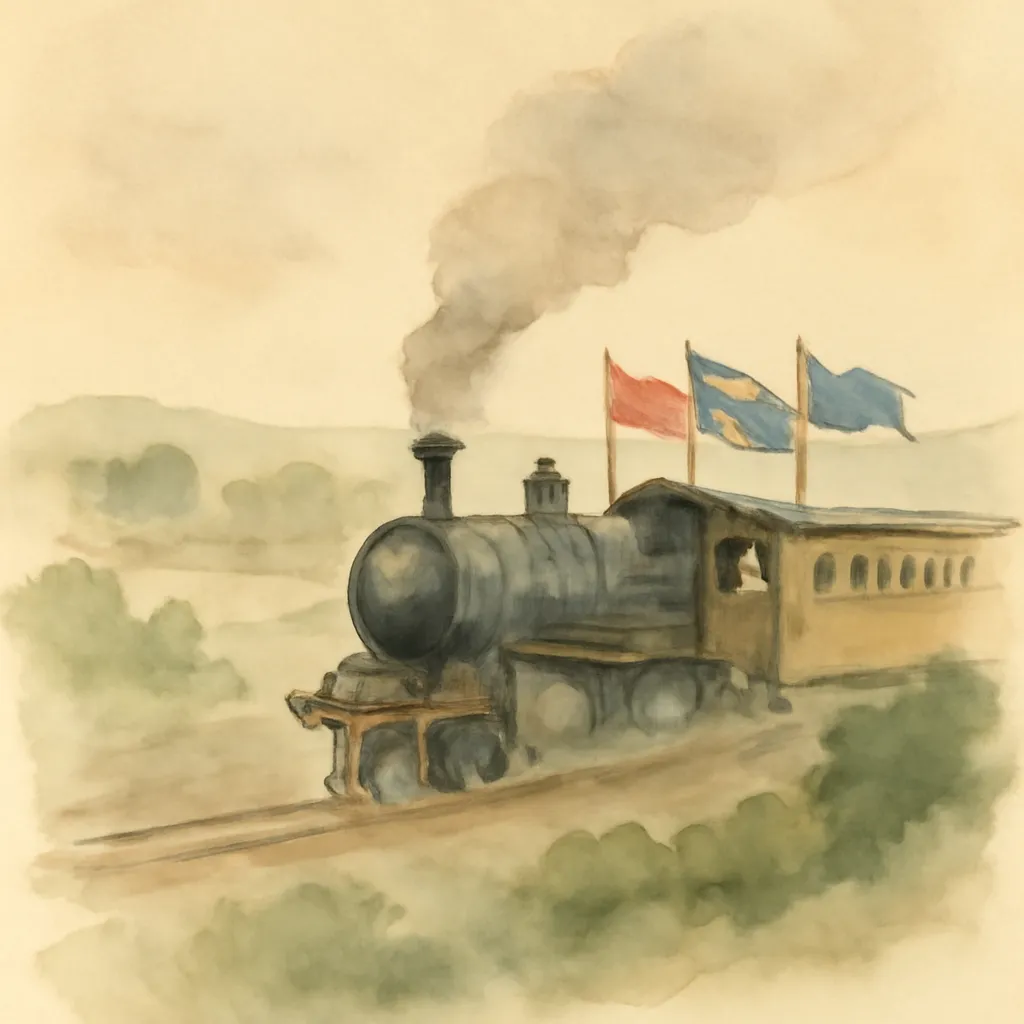
Edward's early public engagements were pivotal in shaping his image and establishing his connection with the British people. His first major tour to British America in 1860 was not just a royal visit; it was a strategic move to strengthen ties with the colonies. This tour marked a significant departure from the prevailing Manchester school of thought that viewed colonies merely as trade entities. Edward's interactions during this trip helped to cultivate a sense of loyalty and cooperation among the colonies, countering notions of impending disunion. The enthusiastic receptions he received in Canada and the United States showcased his ability to connect with people from different backgrounds. This tour demonstrated that the monarchy could play a crucial role in fostering a sense of belonging and mutual respect among the diverse constituents of the Empire. Edward’s charm and approachability endeared him to the public, laying the groundwork for his later popularity as king.
4.Royal Marriage and Personal Growth

Edward's marriage to Princess Alexandra was more than a personal union; it was a strategic alliance that strengthened ties with Denmark and enhanced his public image. Alexandra's grace and charm complemented Edward's personality, and together they created a model royal family. Their domestic life became a beacon of stability and happiness, contrasting sharply with the challenges faced by other royal families in Europe. The couple's shared values and commitment to public service allowed them to navigate the complexities of royal duties while maintaining a close-knit family life. This balance was crucial in shaping Edward's character and his approach to his role as king. Furthermore, Alexandra's influence helped to soften the public’s perception of Edward, especially after his earlier indiscretions, as she embodied the virtues of loyalty and compassion. The royal couple's dedication to family and their public engagements showcased a modernizing monarchy that was in tune with the expectations of the British people.
5.The Impact of Illness on Edward's Popularity
The near-fatal illness Edward suffered in 1871 was a turning point in his public perception. It served to humanize the prince, drawing widespread sympathy from the public and demonstrating the depth of his character. This experience shifted the narrative around him from one of frivolity to one of responsibility and resilience. The outpouring of support during his recovery transformed Edward into a beloved figure, reinforcing the idea that the monarchy was not just a distant institution but a part of the national fabric. His illness also catalyzed a renewed commitment to public service, as he sought to prove his dedication to his country and its people. The event became a rallying point for the nation, showcasing the potential for a royal figure to inspire hope and solidarity. Through the fears surrounding his health, Edward emerged with a deeper understanding of his role, leading to a more profound commitment to his duties as king.
6.Diplomatic Endeavors and Imperial Unity
As king, Edward VII recognized the importance of diplomacy in maintaining the stability of the British Empire. His efforts to foster relationships with foreign powers, particularly through state visits, were crucial in navigating the complex international landscape of the early 20th century. Edward's diplomatic acumen was evident in his ability to strengthen ties with Germany, which helped to mitigate tensions and foster goodwill. His understanding of the significance of personal relationships in diplomacy allowed him to cultivate alliances that would benefit the Empire. This approach not only enhanced his status as a monarch but also contributed to a sense of unity among the diverse nations under British rule. The success of his visits abroad illustrated how a monarch could leverage soft power to achieve diplomatic goals, reinforcing the monarchy's role as a stabilizing force in a rapidly changing world.
7.Cultural Leadership and Social Influence

Edward's influence extended well beyond politics and diplomacy; he played a vital role in shaping cultural norms and social practices in Britain. His penchant for modernity and social reform helped to redefine the role of the monarchy in the public sphere. Edward promoted a more relaxed and accessible royal image, which resonated with the changing values of society. He encouraged the arts, sports, and social events, making them integral to royal life. This cultural leadership not only endeared him to the public but also established a new standard for royal engagement with the populace, reflecting the evolving expectations of the monarchy. By championing various social causes, such as education and public health, Edward positioned the Crown as a proactive entity invested in the welfare of its subjects. His ability to adapt to new cultural trends, such as the growing popularity of sports and public celebrations, further solidified his status as a modern king.
8.The Coronation: A Symbol of Unity

The preparations for Edward's coronation were a grand spectacle designed to showcase the strength and unity of the British Empire. This event was not merely a royal ceremony; it was a celebration of national identity and collective aspirations. Edward's vision for the coronation included elaborate displays and ceremonies that highlighted the diverse cultures and peoples of the Empire. The event served as a powerful reminder of the monarchy's role in uniting the various components of the British Empire, fostering a sense of pride and loyalty among subjects worldwide. The coronation was carefully orchestrated to reflect both the traditions of the past and the progressive ideals of the present. Its success demonstrated Edward's understanding of the monarchy's place in a modern society, as he sought to connect with his subjects on a deeper level. This event also served to reassure the people of the monarchy's relevance in an age of increasing political change.
9.The South African War and Its Impact

The South African War marked a significant challenge during Edward's reign, testing the monarchy's ability to maintain public support amid conflict. The war raised questions about imperial policy and the ethics of colonial warfare, placing the monarchy in a precarious position. Edward's response to the war was characterized by a desire to maintain unity and morale among the British people. His efforts to support troops and acknowledge their sacrifices demonstrated a commitment to his role as a sovereign. The war ultimately shaped public perception of the monarchy, highlighting the need for a compassionate and engaged royal figure in times of crisis. Edward's actions during this period illustrated his understanding of the delicate balance between supporting military endeavors and addressing the concerns of the populace. As the nation grappled with the implications of the war, Edward's leadership became a focal point for rallying national pride and solidarity.
10.Legacy of King Edward VII
King Edward VII's reign, though relatively short, left an indelible mark on the British monarchy and society. His ability to navigate the complexities of royal duty while embracing modernity set a precedent for future monarchs. Edward's emphasis on diplomacy, cultural engagement, and public service transformed the monarchy into a more relatable institution. The relationships he built with other nations and his efforts to foster unity among the diverse populations of the Empire contributed to a sense of identity that resonated beyond his reign. His legacy is one of adaptability and progress, illustrating how a monarch can evolve alongside a changing world. Edward's reign paved the way for a more engaged monarchy, characterized by a connection to the people and an understanding of their needs. His influence shaped not only the institution of the monarchy but also the broader narrative of British history as it entered the modern age.