1.Julius Caesar: The Conqueror with a Flawed Legacy
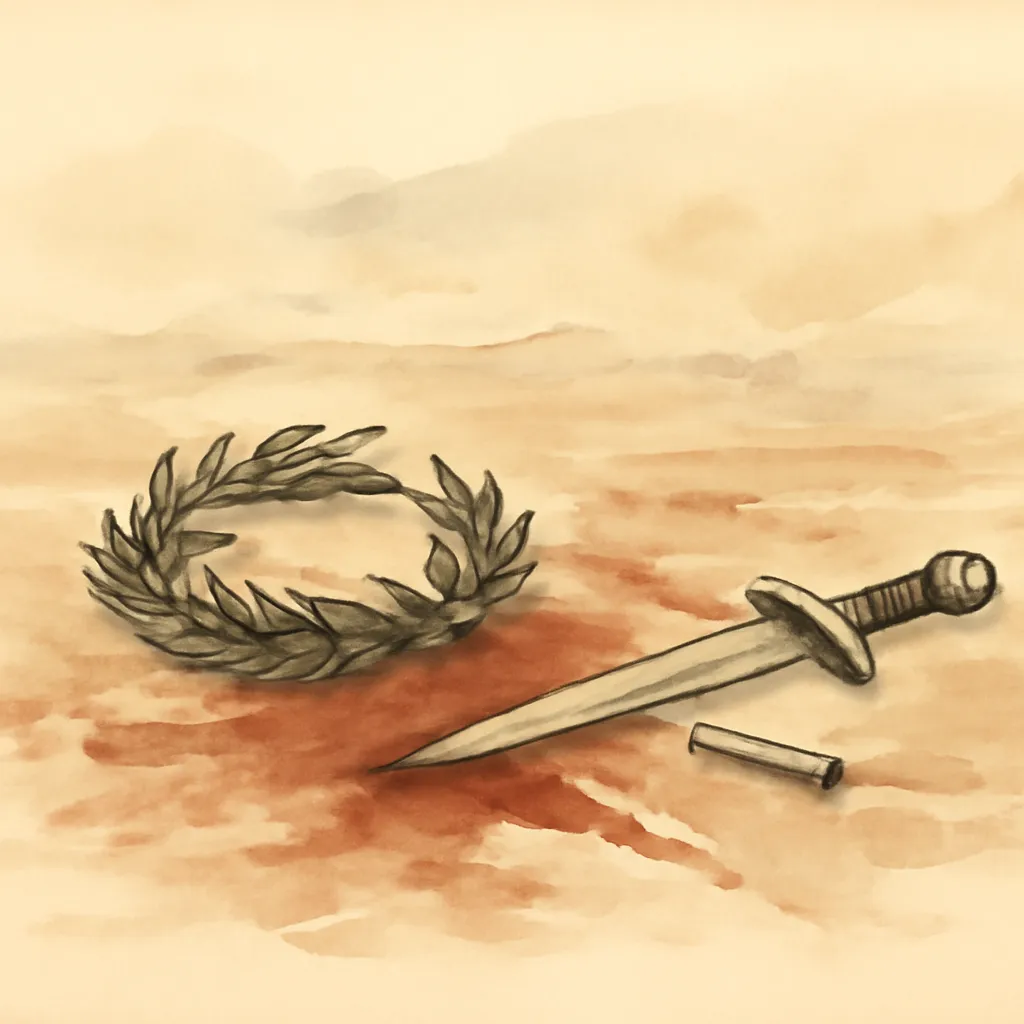
Julius Caesar, renowned for his military genius and political acumen, also faced deep personal challenges and controversies. His early life was marked by significant loss, having lost his father at sixteen, which propelled him into a tumultuous political landscape. His defiance against dictator Sulla, refusing to divorce his wife Cornelia, demonstrated his commitment to personal loyalty over political safety, leading to his temporary exile. Caesar's military career began in Asia, but it was his subsequent campaigns in Gaul that solidified his legacy. His ambition often led him into conspiracies and scandals, including suspicions of sexual relationships with powerful figures like Nicomedes of Bithynia. Suetonius paints a picture of a man whose drive for conquest and glory was often complicated by his personal indiscretions and political machinations, culminating in his assassination—a direct result of his overwhelming ambition and the fears it instilled in others.
2.Augustus: The Master of Propaganda
Augustus, the first emperor of Rome, transformed the Republic into an empire with shrewd political strategies and a keen sense of public relations. He was adept at using propaganda, carefully crafting an image of himself as a restorer of the Republic while consolidating power in a manner that ensured his longevity. His reign saw the establishment of the Pax Romana, a period of relative peace that allowed for stability and prosperity across the empire. Augustus's personal life was equally complex; his marriage to Livia was marked by political maneuvering and potential scandal. His careful management of public perception, including the promotion of traditional Roman values and moral reforms, highlighted his understanding of the importance of public approval. Suetonius illustrates how Augustus's ability to balance personal ambition with the needs of the state set a precedent for future rulers, establishing a model of leadership that emphasized both authority and the façade of humility.
3.Tiberius: The Reluctant Emperor
Tiberius's reign was characterized by a stark contrast between his initial reluctance to assume power and his eventual descent into paranoia and tyranny. Initially viewed as a capable leader, Tiberius struggled with the burdens of leadership, often withdrawing to his villa on Capri, where he indulged in excess and debauchery. Suetonius details the emperor's increasing mistrust of those around him, leading to a reign filled with treachery and executions. His legacy is marred by accounts of cruelty and moral decay, as he increasingly relied on informants and spies to maintain control. Tiberius's complex personality, oscillating between moments of brilliance and episodes of extreme suspicion, reflects the challenges of governing an expansive empire while grappling with personal demons. Through Tiberius, Suetonius explores the psychological toll of power and the transformation of a once-promising leader into a figure of fear and disdain.
4.Caligula: The Epitome of Excess
Caligula's brief and notorious reign epitomizes the dangers of absolute power unrestrained by moral or ethical considerations. Known for his extravagant lifestyle and erratic behavior, Caligula's rule quickly descended into madness characterized by cruelty and caprice. Suetonius recounts tales of his lavish spending, including the construction of a floating bridge across the Bay of Naples and his extravagant banquets. His infamous declaration of divinity and bizarre actions, such as appointing his horse as a consul, highlight the absurdity and volatility of his rule. Caligula's inability to govern effectively and his alienation of the Senate and military ultimately led to his assassination by those closest to him. Suetonius’s portrayal of Caligula serves as a cautionary tale about the corrupting influence of unchecked power and the potential for leaders to become tyrants when they lose touch with reality.
5.Claudius: The Unlikely Emperor
Claudius’s ascent to power was unexpected, as he was initially perceived as weak and unfit for leadership. However, his intelligence and political acumen emerged as he navigated the complexities of the imperial court. Suetonius highlights Claudius's surprising effectiveness as a ruler, implementing reforms and expanding the empire, including the conquest of Britain. His personal life was tumultuous, marked by multiple marriages and the influence of powerful women, particularly his wife, Messalina. Claudius’s reign exemplifies the theme of underestimation, as he proved to be a capable and reform-minded leader despite initial perceptions. Suetonius presents Claudius as a figure who defied expectations, demonstrating that leadership can arise from the most unlikely individuals and that strength can manifest in various forms.
6.Nero: The Artist Emperor
Nero’s reign is often remembered for its artistic pursuits and infamous cruelty, making him one of the most controversial figures in Roman history. Initially, he was seen as a promising leader, influenced by advisors like Seneca. However, as he embraced his artistic ambitions, including acting and music, his governance deteriorated. Suetonius details Nero’s descent into tyranny, marked by the persecution of Christians and the Great Fire of Rome, which he allegedly blamed on them. His excesses and public performances alienated the elite, leading to growing discontent among the populace. Nero’s legacy is a complex tapestry of cultural patronage and moral depravity, illustrating the duality of a ruler who sought fame and recognition at the cost of his kingdom's stability. Through Nero, Suetonius examines the consequences of prioritizing personal desires over public responsibilities.
7.Galba: The Short-Lived Usurper
Galba’s brief reign is a testament to the volatility of power in Rome during the Year of the Four Emperors. Suetonius paints Galba as a stern and miserly leader who lacked the charisma and political savvy necessary to maintain control over a fractious empire. His ascension followed the chaos of Nero’s rule, but his inability to win the support of the military and the political elite led to his downfall. Galba’s harsh financial policies and reluctance to distribute rewards to his troops alienated those crucial to his power base. Suetonius emphasizes how a ruler’s relationship with the military can determine the longevity of their reign, as Galba’s failure to secure loyalty ultimately resulted in his assassination. His story underscores the precarious nature of political power in Rome, where even a brief reign can be marked by significant upheaval.
8.Otho: The Tragic Hero
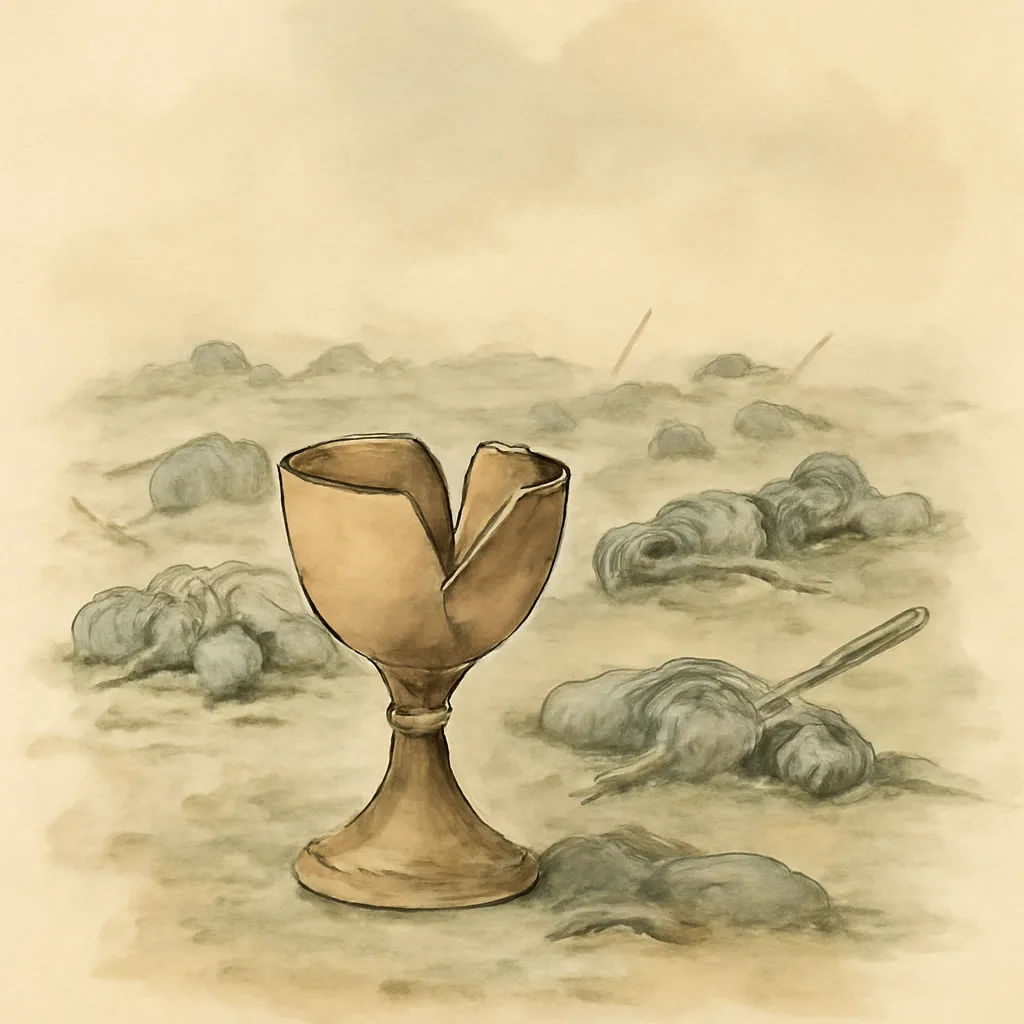
Otho’s rise and fall illustrate the personal tragedies often intertwined with political ambition. Initially a supporter of Galba, Otho’s discontent with Galba’s leadership led him to orchestrate a coup. Suetonius presents Otho as a man of charm and charisma, but ultimately lacking the qualities needed for effective governance. His reign, though brief, was marked by attempts to consolidate power and win over the military, yet he faced immediate challenges from Vitellius, leading to a swift defeat. Otho’s decision to take his own life after losing the Battle of Bedriacum reveals the deep personal despair that accompanied his political failure. Suetonius’s portrayal of Otho serves as a poignant reminder of the human cost of ambition and the often tragic outcomes of vying for power in a tumultuous political landscape.
9.Vitellius: The Indulgent Ruler
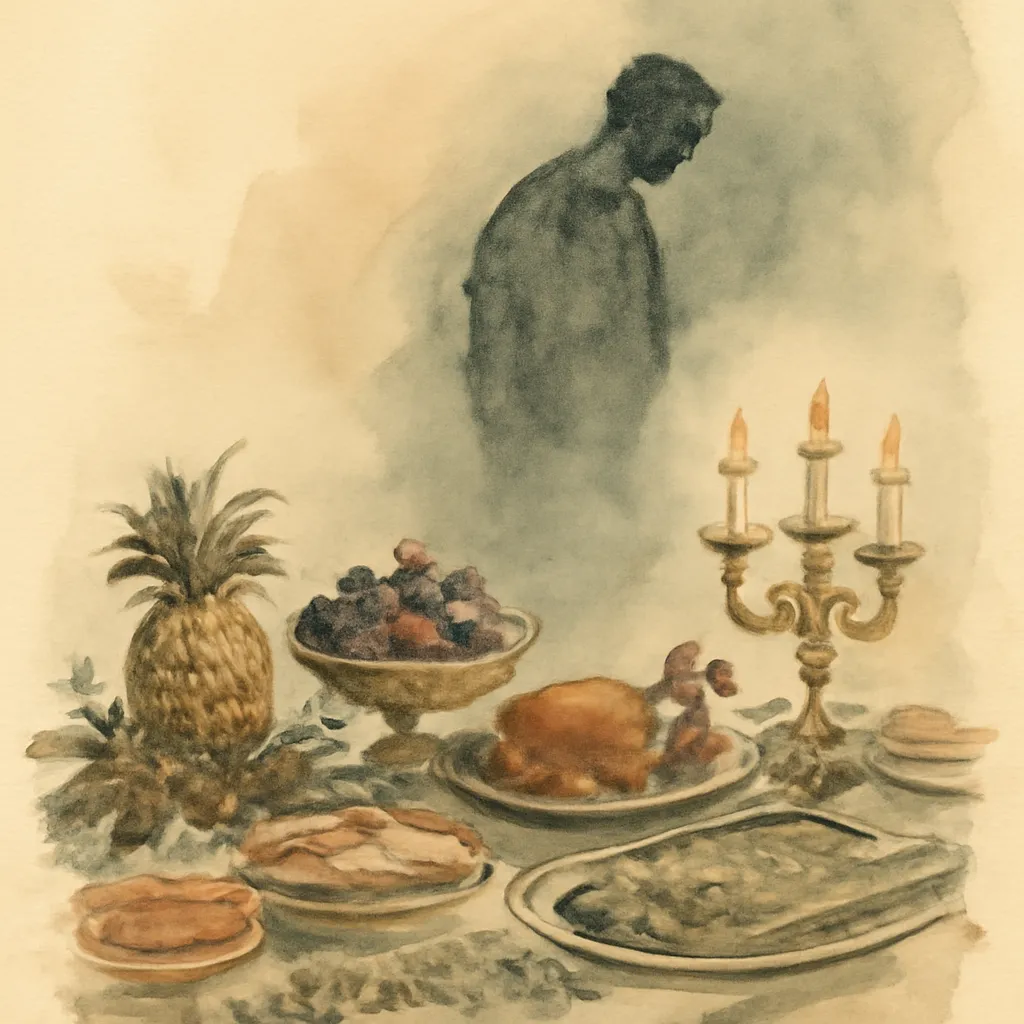
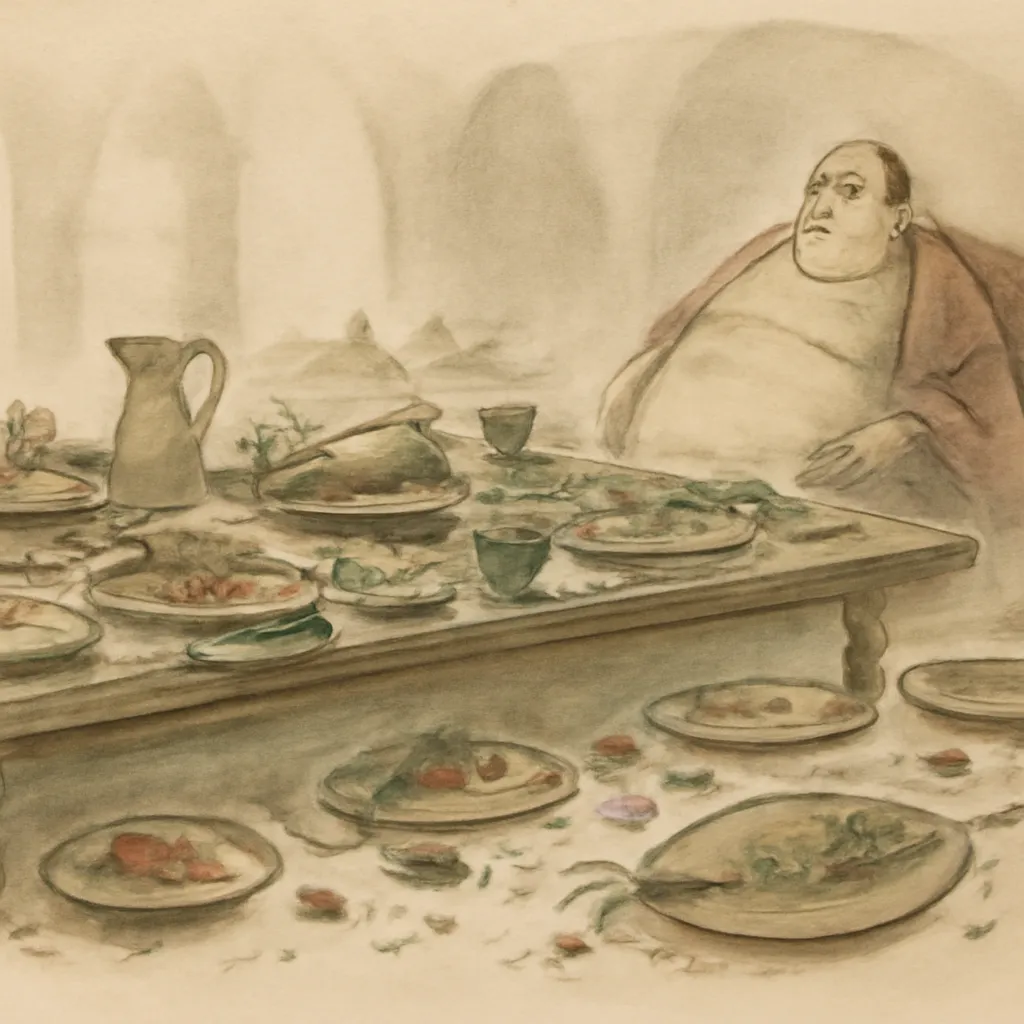
Vitellius’s reign is characterized by indulgence and excess, mirroring the chaotic nature of the empire during his time. Known for his gluttony and extravagant feasts, Suetonius depicts Vitellius as a ruler more concerned with personal pleasure than governance. His ascension followed Otho’s downfall, and his lack of political acumen led to widespread dissatisfaction. Vitellius’s reign was marked by a lack of military discipline and political strategy, contributing to his vulnerability. His eventual defeat by Vespasian’s forces illustrates the consequences of prioritizing hedonism over effective leadership. Through Vitellius, Suetonius examines the themes of decadence and the ephemeral nature of power, as indulgent rulers often find themselves at odds with the needs of their people and the stability of the state.
10.Vespasian: The Restorer of Stability
Vespasian’s rise to power marked a turning point for Rome, as he sought to restore stability following the chaos of civil war. His pragmatic approach to governance and military reform helped to reestablish order and confidence in the imperial system. Suetonius describes Vespasian as a man of practical wisdom, known for his frugality and ability to connect with the common people. His reign saw significant public works and economic reforms, reflecting his commitment to the welfare of the state. Vespasian’s humor and down-to-earth nature endeared him to the populace, contrasting sharply with the excesses of his predecessors. Suetonius highlights Vespasian’s ability to navigate the complexities of leadership, securing his legacy as a stabilizing force in a time of uncertainty. His story emphasizes the importance of pragmatism and relatability in effective governance.
11.Titus: The Beloved Emperor
Titus’s reign, though short-lived, is often remembered for its humanitarian efforts and the goodwill he fostered among the Roman people. Following the tumultuous rule of his father, Vespasian, Titus sought to win the affection of the populace through generosity and public relief efforts, particularly in the aftermath of disasters such as the eruption of Vesuvius. Suetonius portrays Titus as a compassionate leader, concerned with the welfare of his citizens and willing to extend aid during crises. His commitment to public service and moral integrity earned him the moniker 'the Delighter of Mankind.' However, his untimely death left the empire vulnerable to the ambitions of others. Through Titus, Suetonius illustrates how a ruler’s character and compassion can resonate deeply with their subjects, reinforcing the idea that leadership is as much about personal virtues as it is about political strategy.
12.Domitian: The Authoritarian Ruler
Domitian’s reign is marked by a stark authoritarianism that contrasted sharply with the more benevolent leadership of his brother, Titus. Suetonius details Domitian’s obsession with power and control, leading to a reign characterized by paranoia and repression. His policies often alienated the Senate and the aristocracy, resulting in a climate of fear and suspicion. Domitian’s efforts to centralize power and elevate the imperial office were met with resistance, culminating in his assassination. Suetonius’s portrayal of Domitian highlights the dangers of authoritarianism and the potential for rulers to become tyrannical when driven by fear and insecurity. His legacy serves as a cautionary tale about the fragility of power and the importance of maintaining a balance between authority and public trust.