1.The Resolutions and Collective Identity
The novel opens with the Botetourt Resolutions, a pivotal moment where the citizens of a small Virginia town gather to voice their concerns about the looming threat of war. This assembly is not just a political gathering; it represents a collective identity forming in response to external pressures. The resolutions echo Virginia's historical significance in the American Revolution, framing the state as a bastion of liberty and resistance against tyranny. The citizens articulate their belief in the necessity of defending their rights, drawing parallels to past struggles against British oppression. This sense of shared purpose and heritage ignites a fervent desire among the townsfolk to protect their way of life, setting the stage for the moral dilemmas they will face as the war unfolds. The passionate speeches given by community leaders resonate with phrases that evoke the spirit of revolution, illustrating how history informs their present actions and decisions.
2.The Role of Oratory and Persuasion
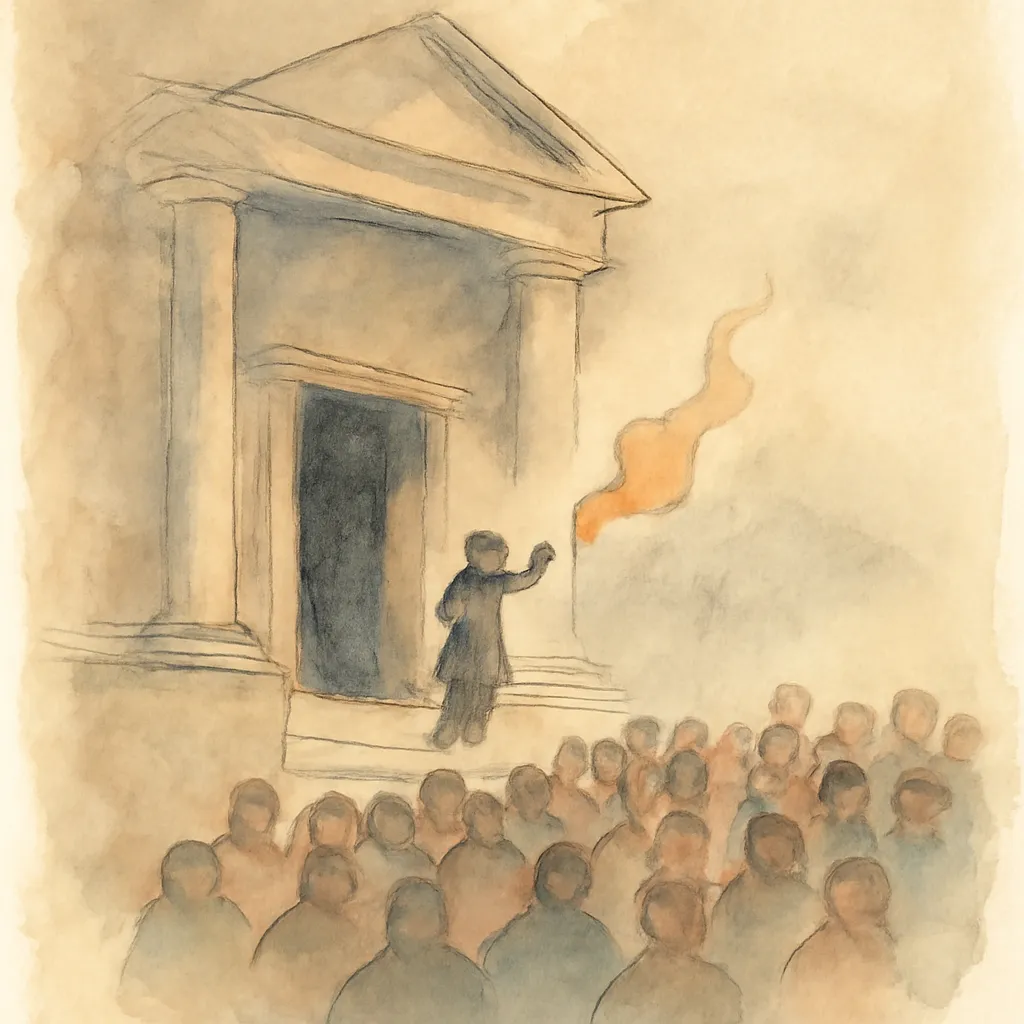
Oratory is a powerful tool in 'The Long Roll', as characters utilize persuasive speeches to rally support and shape public opinion. The courthouse serves as a stage for impassioned speakers who address the crowd with fervor, discussing themes like state sovereignty, economic protectionism, and the moral implications of slavery. The speeches resonate deeply with the audience, stirring emotions and solidifying their resolve. Johnston highlights the art of rhetoric as not merely a means of communication but as a catalyst for action, reflecting how words can inspire courage and incite fear. The varying styles of the speakers—some calm and rational, others fiery and impassioned—illustrate the diverse perspectives within the community and foreshadow the divisions that will emerge as the war intensifies. The speakers' ability to evoke historical references and emotional appeals demonstrates the profound impact of oratory in shaping the collective psyche of the town and preparing them for the sacrifices they will inevitably face.
3.Personal Lives Amidst the Political Storm
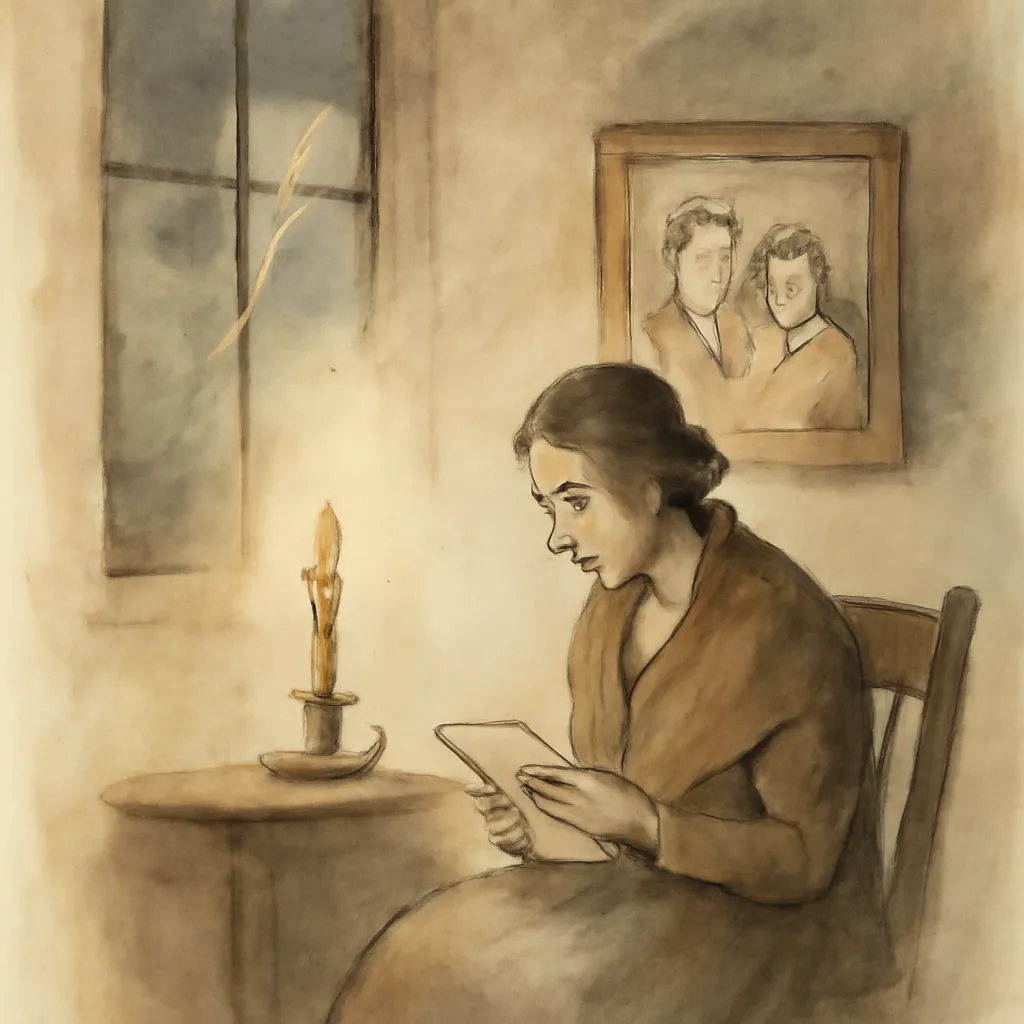
While the backdrop of the Civil War looms large, Johnston intricately weaves personal narratives that reveal the human cost of conflict. Characters like Richard Cleave and his mother navigate the complexities of family, love, and duty in the face of war. Their domestic life is interrupted by the encroaching reality of battle, forcing them to confront their beliefs and the impact of their choices on loved ones. The tension between personal loyalty and societal expectations becomes a recurring theme, as characters grapple with their roles as soldiers, supporters, or pacifists. Johnston portrays Richard's internal struggle with the call to arms, illustrating the conflict between his desire to protect his family and his duty to his state. This exploration of the intimate struggles amidst the broader historical narrative underscores the idea that war does not only affect nations; it profoundly alters individual lives and relationships. The emotional sacrifices made by characters demonstrate that the personal toll of war can be just as significant as the physical battles fought on the front lines.
4.Nature as a Reflection of Turmoil
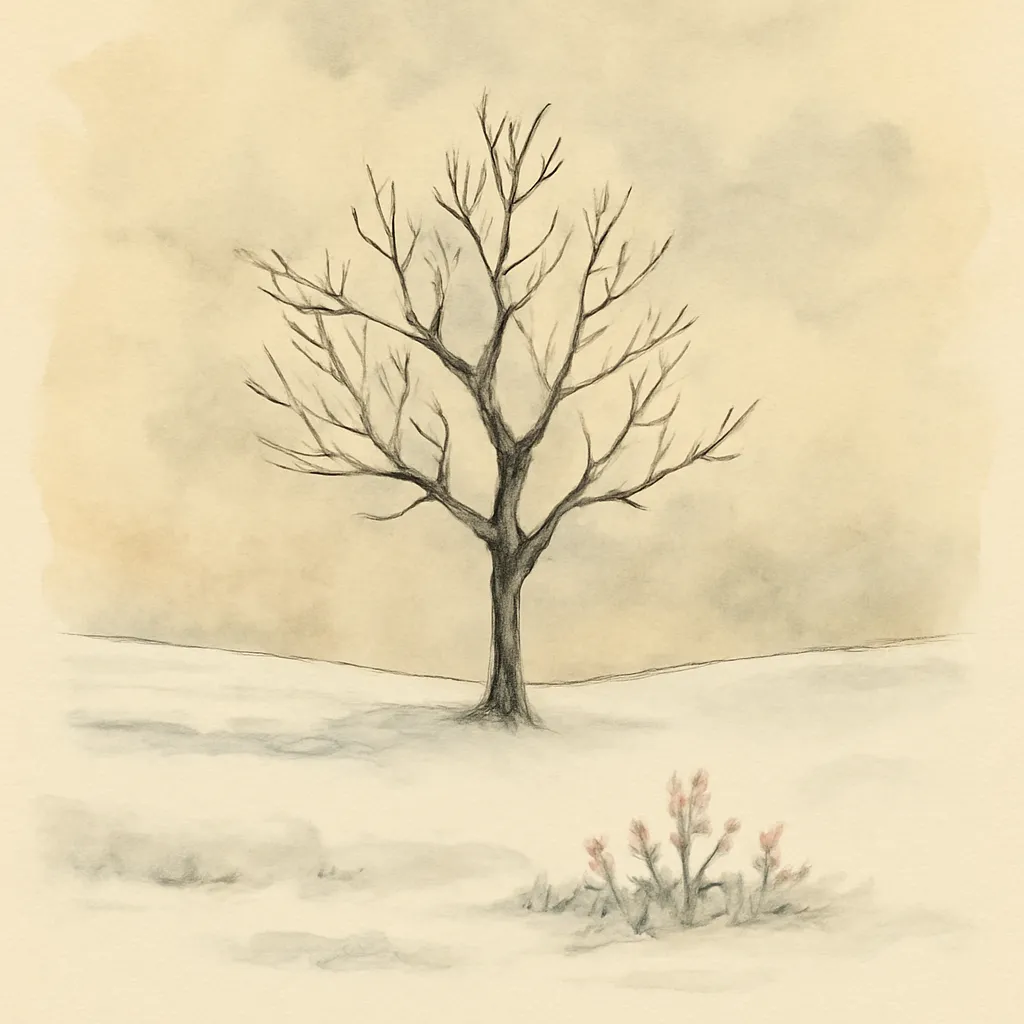
Johnston employs nature as a metaphorical landscape that mirrors the emotional and societal upheaval experienced by the characters. The changing seasons—from the cold, crisp air of winter to the vibrant blooms of spring—serve as a backdrop for the characters' internal transformations. The lush descriptions of the Virginia countryside evoke a sense of beauty that contrasts sharply with the violence of war. For instance, the court house scenes drenched in winter sunlight juxtapose the hopeful resolutions with the impending doom of conflict. This juxtaposition highlights the fragility of life and the inevitability of change, as the peacefulness of the landscape is disrupted by the sounds of battle. The natural world becomes a silent witness to the chaos of human conflict, reinforcing the idea that nature endures while human lives are irrevocably altered by the choices they make. Through vivid imagery and sensory details, Johnston invites readers to perceive the landscape not just as a setting but as a character in its own right, echoing the emotions and struggles of the people.
5.The Complexity of Loyalty and Betrayal
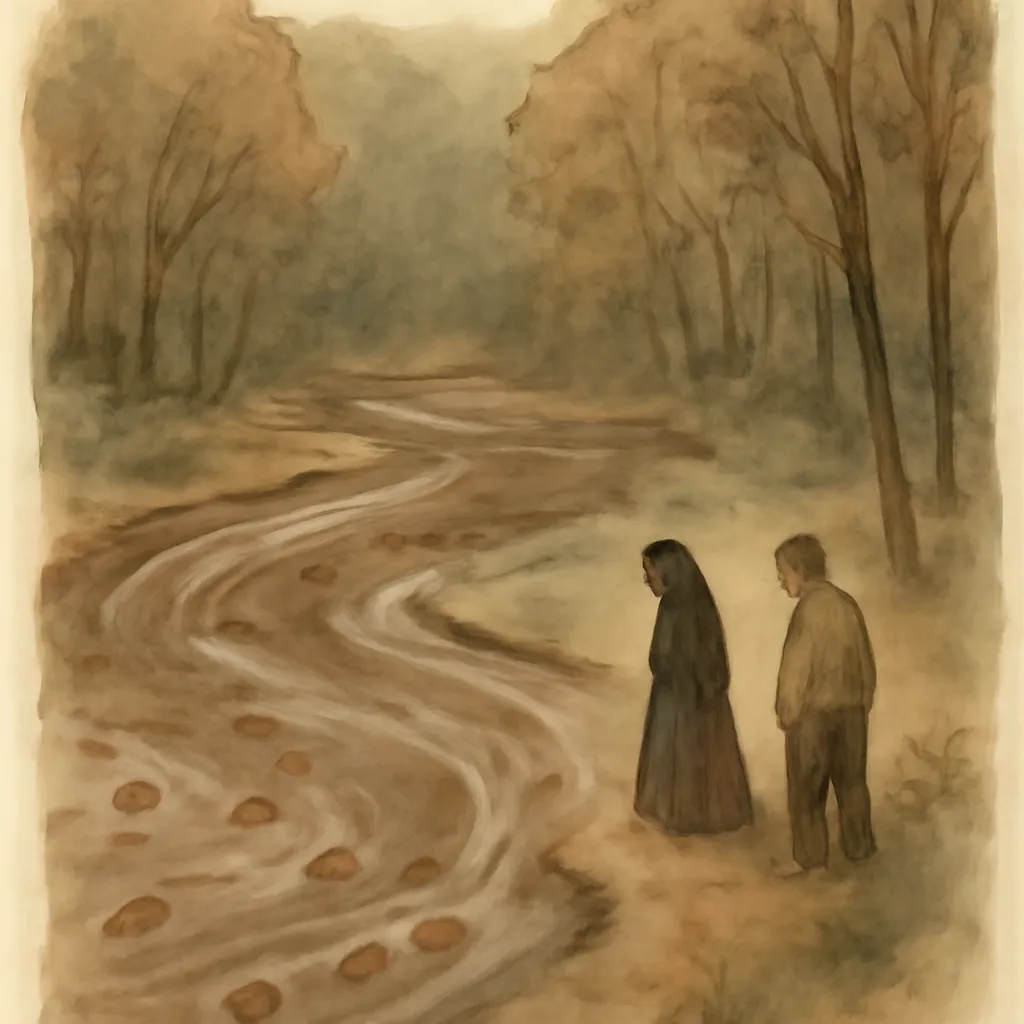
As the war progresses, characters are faced with difficult choices that test their loyalties. The question of allegiance—whether to the Confederacy, their state, or personal beliefs—creates a web of conflict that complicates relationships. Characters must navigate the murky waters of loyalty, often finding themselves at odds with friends and family. For example, Richard Cleave’s interactions with fellow townspeople reveal the fractures that form as differing opinions about the war surface. The tension between duty to one's country and the moral implications of that duty is poignantly illustrated through the experiences of soldiers and civilians alike. Betrayal becomes a recurring theme, as individuals are forced to make decisions that could alienate them from their community or loved ones. This exploration of loyalty reveals the deeply personal nature of political conflict, illustrating how war can fracture bonds and reshape identities. The emotional weight of betrayal is palpable, leaving characters grappling with the consequences of their choices in a society that is quickly unraveling.
6.The Impact of War on Women
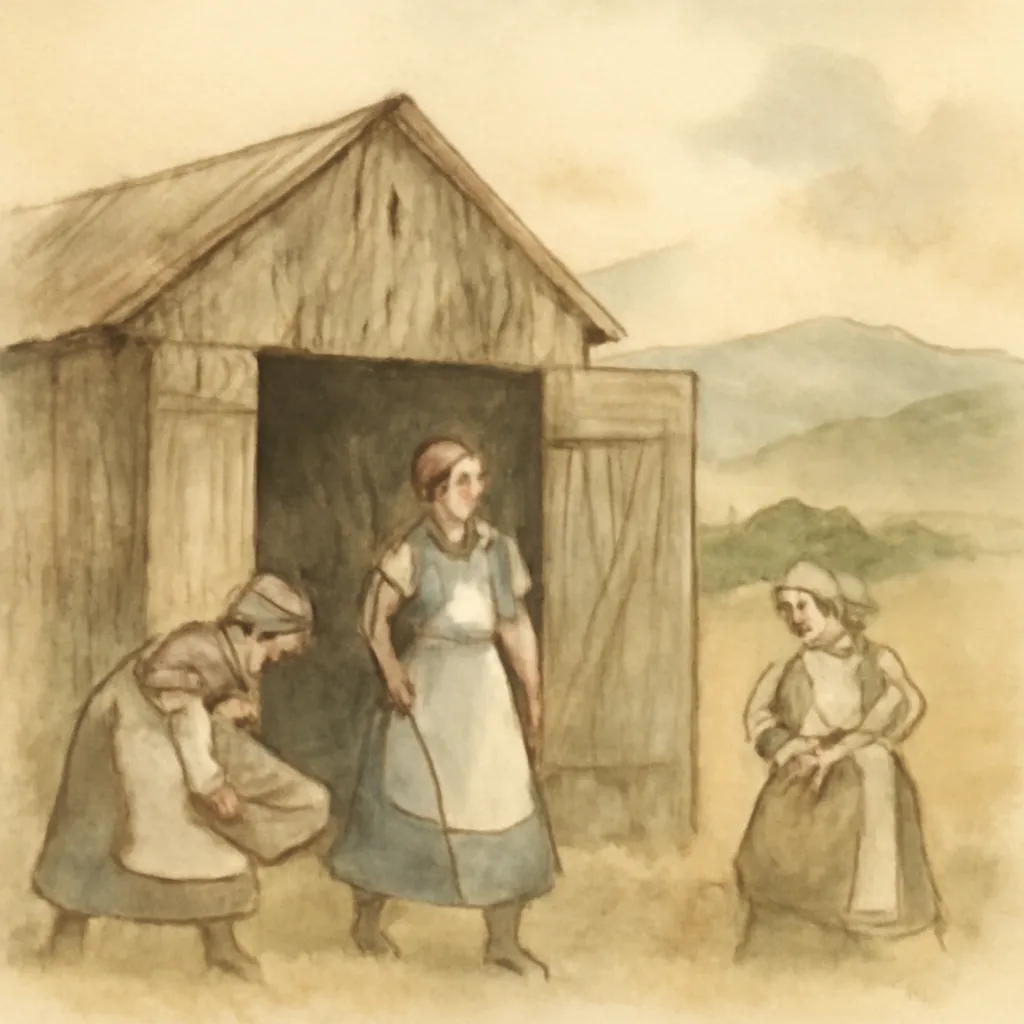
Johnston poignantly addresses the role of women during the Civil War, highlighting their resilience and adaptability in the face of adversity. Women like Miss Lucy Cary and Judith Cary embody the spirit of sacrifice, stepping into roles traditionally held by men as they support the war effort. Their experiences reflect the shifting dynamics of gender during wartime, as women take on responsibilities ranging from nursing the wounded to managing households in the absence of men. Miss Lucy's knitting for soldiers symbolizes the tangible contributions women make, while Judith’s involvement in community decision-making showcases how war catalyzes their emergence as leaders. The emotional toll of war is keenly felt as these women grapple with loss, uncertainty, and the burden of maintaining hope amidst chaos. Johnston's portrayal of female characters challenges traditional gender roles, showcasing their strength and agency in a time of crisis. This depiction encourages readers to reflect on the often-overlooked experiences of women during the Civil War and the profound changes that resulted in their social standing.
7.The Duality of Honor and Violence
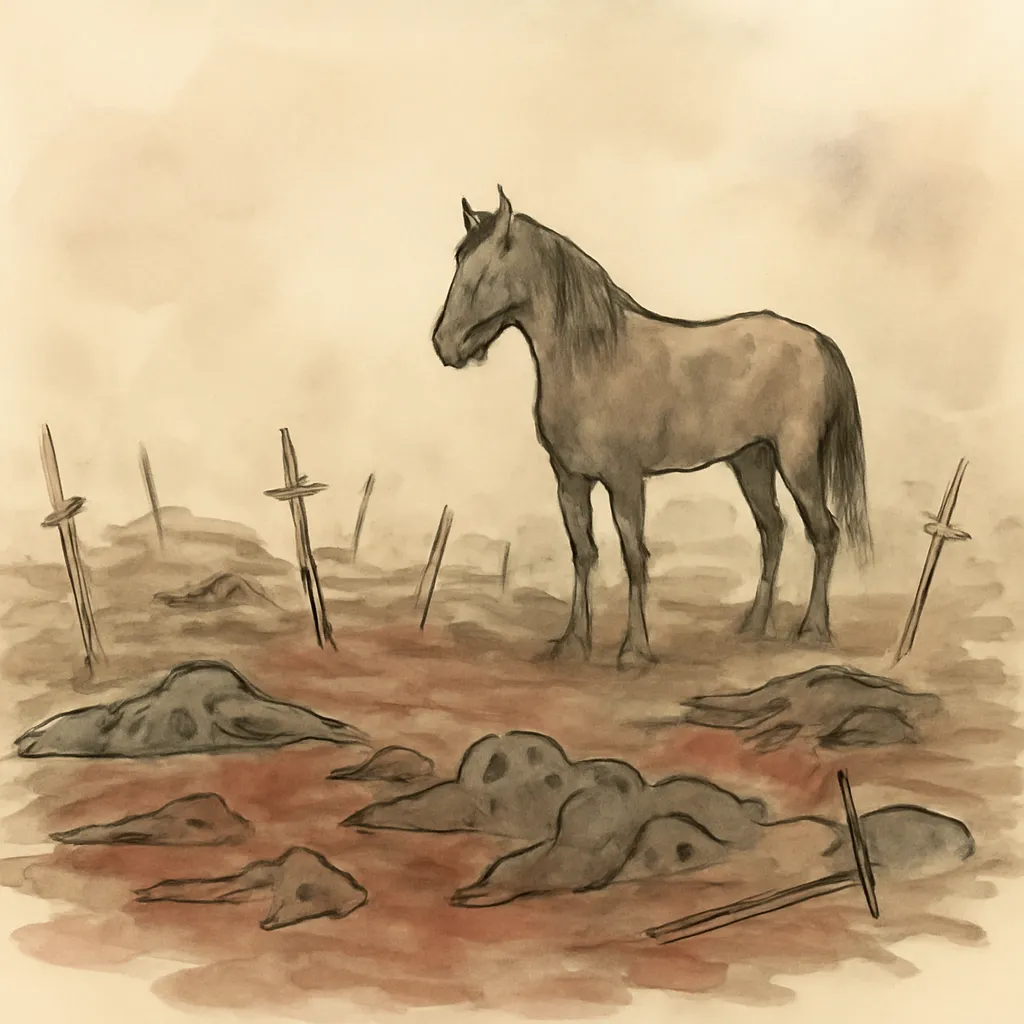
The concept of honor is intricately tied to the characters' motivations in 'The Long Roll', often leading them to embrace violence in the name of loyalty or duty. Johnston explores the duality of honor as both a noble pursuit and a destructive force. Characters engage in battle not only for their beliefs but also to uphold their personal sense of honor, which can often lead to tragic consequences. The glorification of combat is juxtaposed with the harsh realities of war, revealing the psychological toll it takes on those involved. For example, the fervor of the speakers at the courthouse ignites a passion for honor that ultimately leads many to the battlefield, where the brutal realities of combat challenge their ideals. This exploration of honor raises questions about the morality of actions taken in its name and the fine line between valor and recklessness. Johnston's nuanced portrayal encourages readers to reflect on the complexities of honor in the context of war, considering how societal values can shape individual actions and beliefs in profound ways.
8.The Unpredictability of War
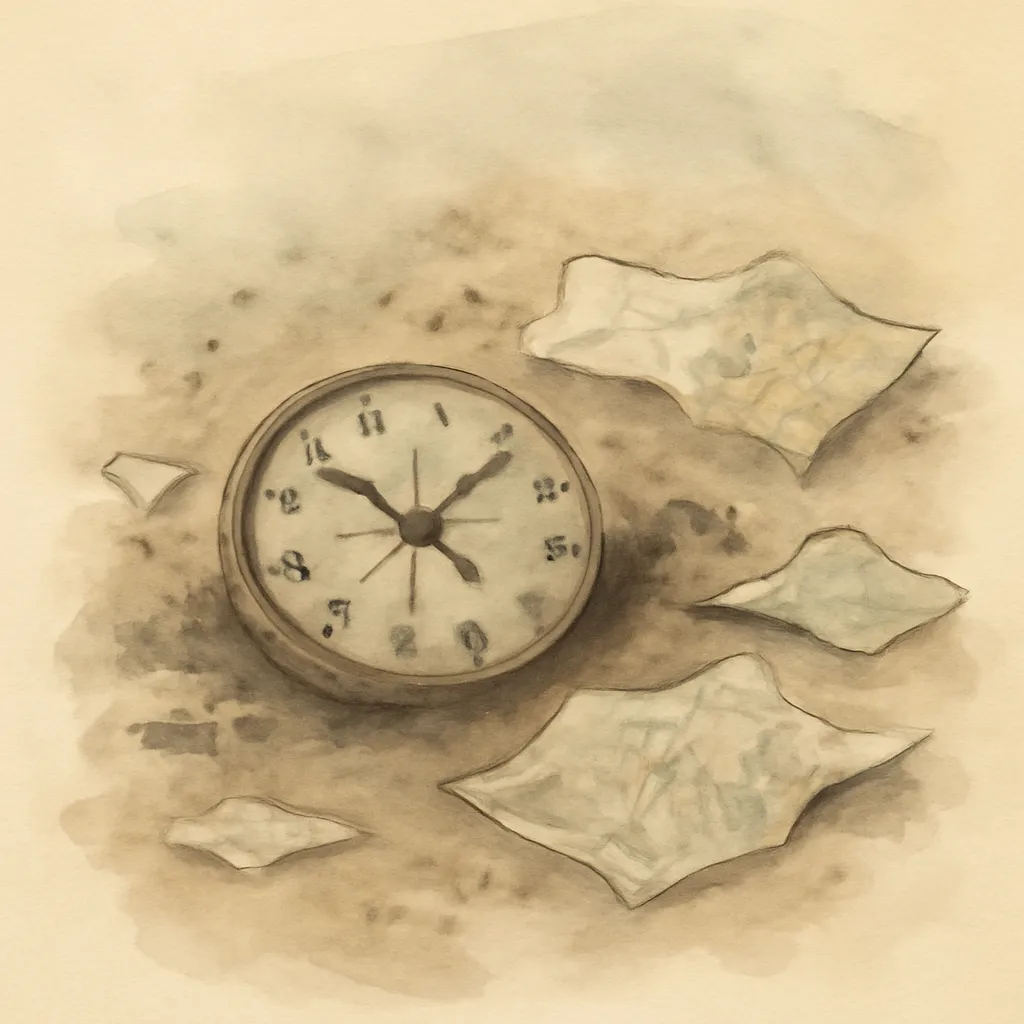
Johnston captures the unpredictable nature of war, illustrating how plans can quickly unravel in the face of chaos. The characters' experiences reflect the uncertainty that pervades military life, from the anticipation of battle to the shock of sudden loss. The narrative conveys a sense of urgency as soldiers prepare for conflict, often with little understanding of what lies ahead. Johnston's depiction of the battlefield is visceral and chaotic, emphasizing the confusion and fear that accompany combat. For instance, the soldiers waiting for orders at Bull Run experience a mix of anticipation and dread, highlighting the psychological impact of uncertainty. This unpredictability extends beyond the battlefield, affecting the lives of civilians as they grapple with the consequences of war. The novel serves as a reminder that in times of conflict, the only certainty is uncertainty itself, and that the human spirit must adapt in order to withstand the onslaught of chaos.
9.The Role of History in Shaping Identity
The characters in 'The Long Roll' are deeply influenced by their historical context, with Virginia's legacy as a battleground for issues of freedom and rights shaping their identities. Johnston weaves historical references throughout the narrative, connecting the personal struggles of her characters to the larger themes of American history. The characters' understanding of their past informs their actions and decisions, creating a rich tapestry of interwoven narratives. This exploration of history emphasizes the idea that personal and collective identities are shaped by the events and ideologies of the time. Johnston's portrayal of historical figures and events serves to ground the story in a real-world context, enhancing the emotional resonance of her characters' journeys. Through their connection to history, the characters grapple with their roles in shaping the future, reflecting on how the past continues to influence their present choices.
10.The Transformation of Community
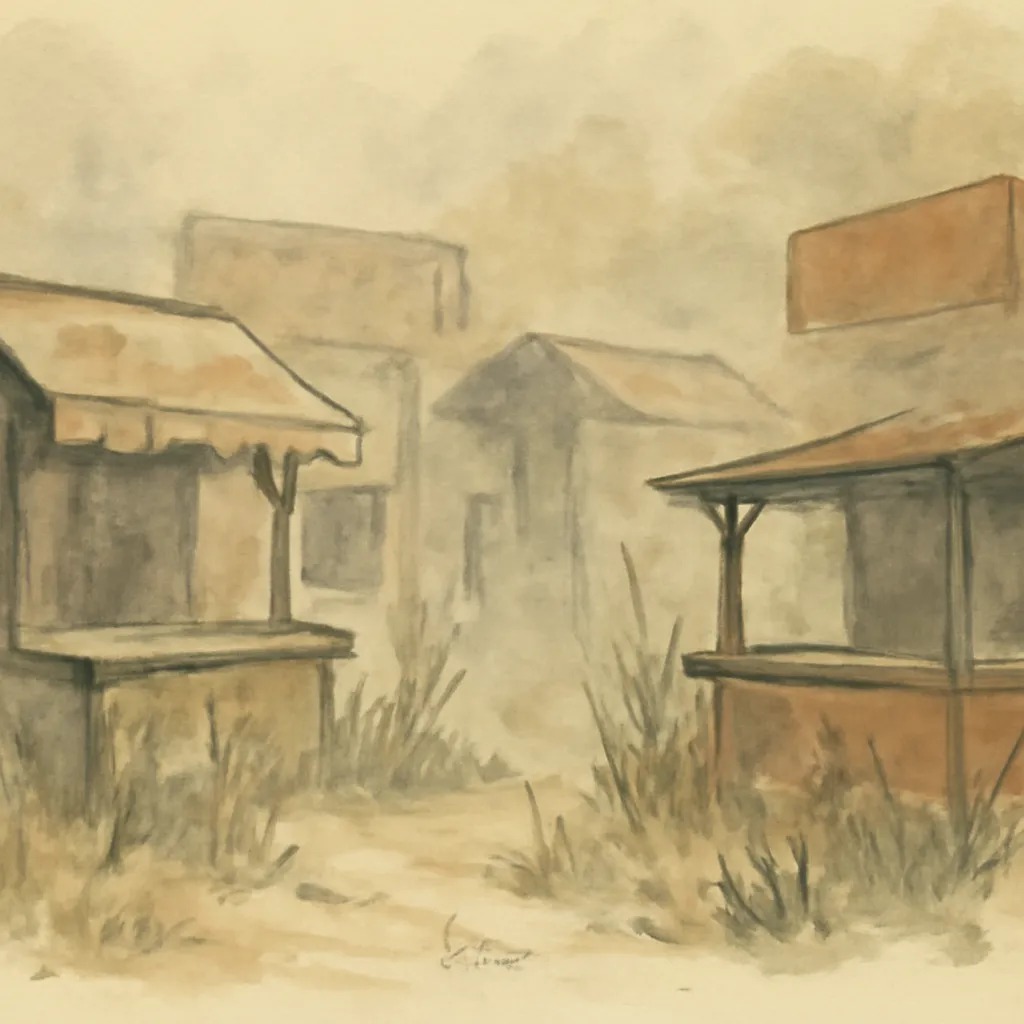
As the war unfolds, the small town transforms in profound ways, reflecting the broader societal changes brought on by conflict. The community's initial solidarity begins to fracture under the weight of differing opinions, economic strain, and the harsh realities of war. Johnston illustrates how the once tight-knit fabric of the town unravels as men leave for battle, and women step into roles that challenge traditional gender norms. The escalating tensions manifest in public gatherings, where disagreements surface, revealing underlying social fractures. Johnston poignantly captures the sense of loss as the community grapples with not only the physical absence of its members but also the ideological divides that emerge. As the characters navigate these changes, they are forced to reassess their values, relationships, and what it means to belong to a community in a time of crisis. This exploration of community dynamics underscores the idea that war reshapes not just individuals but the collective identity of society.