Adventure · Fiction
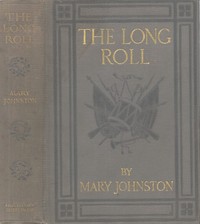
The Long Roll by Mary Johnston — Summary, Key Ideas & Full Text
861 pages47 chapters17h 17m read12h 16m speed read✦ 11-min Big ideasFree · no account
Rate it
The Long Roll captures the tumultuous spirit of the Civil War, intertwining personal narratives with the broader conflict
In Mary Johnston's 'The Long Roll', readers are transported back to the early days of the American Civil War, where the lives of individuals intersect with the grand narratives of history. The novel unfolds in a small Virginia town, rich with the tension of impending conflict, as characters grapple with their loyalties and the moral complexities of war. Through vivid portrayals of community meetings, impassioned speeches, and the intimate struggles of families, Johnston paints a picture of a society on the brink of transformation. The story delves deep into the motivations, fears, and aspirations of its characters, providing a nuanced exploration of the human experience during one of America's most divisive eras. Readers will find themselves immersed in the emotional landscape of a nation at war, reflecting on themes of duty, sacrifice, and the quest for identity amidst chaos.
In 'The Long Roll', Mary Johnston masterfully intertwines the personal and the political, illustrating how individual lives are forever altered by the tides of war. The novel serves as a poignant reminder of the complexities of loyalty, the weight of history, and the unpredictable nature of conflict. Through rich character development and evocative imagery, Johnston invites readers to reflect on the enduring impact of the Civil War on both personal and collective identities. Ultimately, the story underscores the idea that while wars may be fought on battlefields, their true consequences resonate deeply within the hearts and homes of those who live through them. The exploration of these themes makes 'The Long Roll' not just a historical narrative but a timeless reflection on the human condition amidst adversity.
“The people of Botetourt County, in general meeting assembled, believe it to be the duty of all the citizens of the Commonwealth, in the present alarming condition of our country, to give some expression of their opinion upon the threatening aspect of public affairs.”
“O shades of John Randolph of Roanoke, of Patrick Henry, of Mason and Madison, of Washington and Jefferson!”
“The season had proved extraordinarily mild—it seemed Indian summer still rather than only a fortnight from Christmas.”
Read Mary Johnston's work free on Lumina — the complete text plus an 8-minute summary and key ideas, no account needed