1.The Complexity of Love
Wollstonecraft's letters to Imlay are suffused with a profound exploration of love's complexity. In her correspondence, she reveals her deep affection for Imlay while simultaneously expressing fears of abandonment and insecurity. For instance, in one letter, she writes, 'I have found out that I have more mind than you, in one respect; because I can, without any violent effort of reason, find food for love in the same object, much longer than you can.' This reflection highlights her awareness of the emotional labor involved in maintaining love, especially when faced with separation. Her letters oscillate between tender declarations of love and poignant reflections on her own vulnerabilities, illustrating how love can be both a source of joy and a source of anxiety. Through her words, readers sense the weight of her longing and the interplay of hope and despair that characterizes her relationship with Imlay.
2.Motherhood and Identity
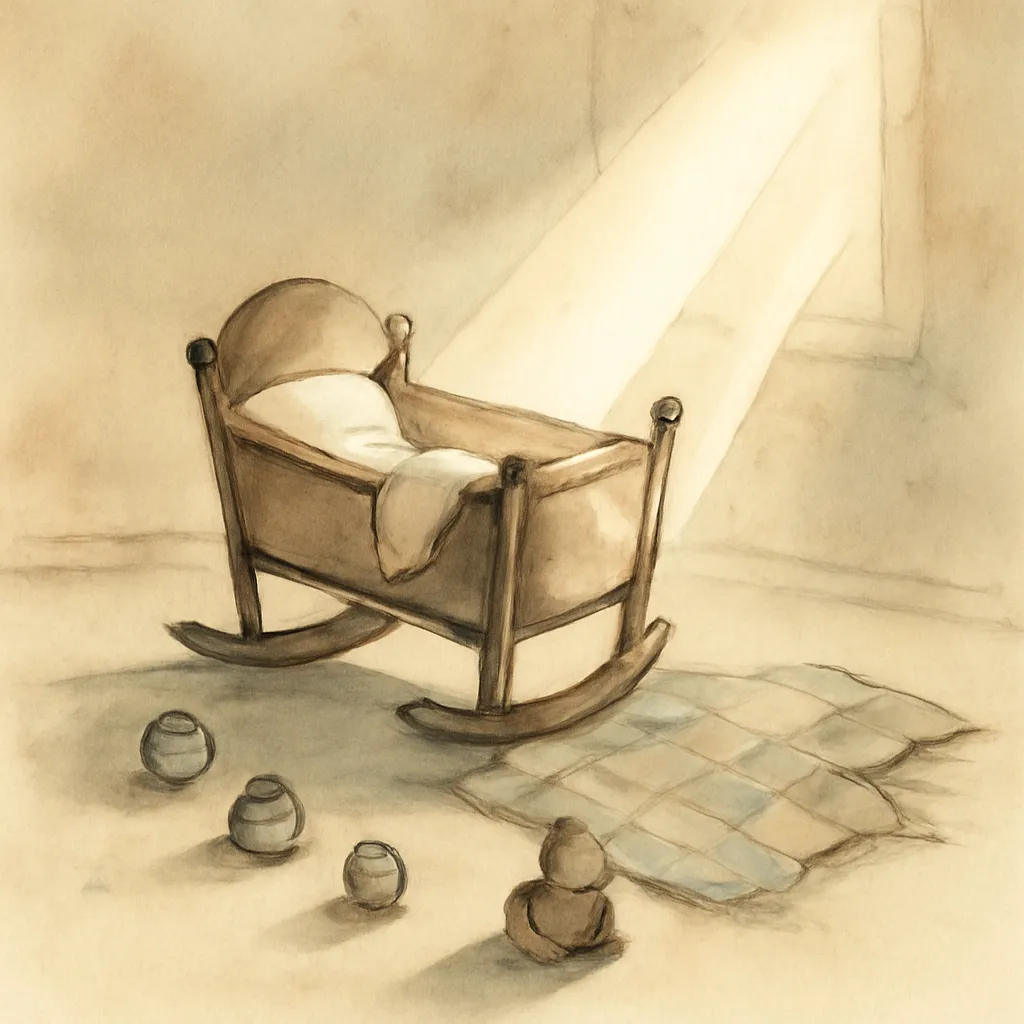
The theme of motherhood is central to Wollstonecraft's letters, as she grapples with the profound changes it brings to her identity. In her correspondence, she often reflects on her pregnancy and the resulting emotional tumult. For instance, she remarks, 'Ever since you last saw me inclined to faint, I have felt some gentle twitches, which make me begin to think, that I am nourishing a creature who will soon be sensible of my care.' This acknowledgment of her impending motherhood reveals her deep connection to the child she is carrying, while also hinting at her anxieties about the responsibilities that come with it. Wollstonecraft's letters reveal the duality of her experience as a mother; she expresses both joy and trepidation, highlighting the societal pressures placed on women to fulfill their maternal roles perfectly. Her reflections on motherhood are intertwined with her desire for personal freedom, making it clear that she views her identity as both a woman and a mother as complex and multi-faceted.
3.The Struggle for Independence
Wollstonecraft's quest for independence permeates her letters, as she navigates the societal expectations that seek to confine her. She often expresses her frustration with the limitations imposed on women and the sacrifices they are expected to make for their families. In one poignant letter, she writes, 'It appears to me absurd to waste life in preparing to live.' This declaration encapsulates her desire to break free from the constraints of societal norms that prioritize duty over personal fulfillment. Throughout her correspondence, she advocates for women's rights and their right to pursue their own happiness, often reflecting on the sacrifices she has made for love and family. Her letters serve as a call to action, urging women to reclaim their autonomy and challenge the patriarchal structures that seek to dictate their lives. Wollstonecraft's reflections on independence are not only personal but also resonate with a broader feminist movement, making her letters a powerful testament to the struggle for women's rights.
4.Vulnerability and Emotional Expression
Wollstonecraft's letters showcase her remarkable ability to express vulnerability and emotional depth, which was not common for women of her time. She openly shares her fears, insecurities, and desires, creating a raw and honest portrayal of her inner life. In one letter, she confesses, 'When I am absent from those I love, my imagination is as lively, as if my senses had never been gratified by their presence.' This admission reveals her deep emotional connection to Imlay and her reliance on imagination to sustain her affection during times of separation. By embracing her vulnerability, Wollstonecraft challenges the prevailing notion that women should be stoic and reserved, instead advocating for a more authentic expression of emotion. Her willingness to share her fears and uncertainties adds a layer of relatability to her character, allowing readers to empathize with her struggles and triumphs.
5.The Interplay of Reason and Passion
A recurring theme in Wollstonecraft's letters is the tension between reason and passion, reflecting her philosophical beliefs about the nature of love and relationships. She often contemplates the balance between emotional attachment and rational thought, suggesting that both are essential for a fulfilling relationship. In one letter, she muses, 'Cherish me with that dignified tenderness, which I have only found in you; and your own dear girl will try to keep under a quickness of feeling, that has sometimes given you pain.' This acknowledgment of her emotional intensity reveals her awareness of how passion can complicate relationships but also enrich them. Wollstonecraft advocates for a love that is grounded in both reason and passion, arguing that true emotional connection requires a balance of both elements. Her reflections on this interplay highlight her philosophical depth and her belief in the importance of intellectual companionship in love.
6.The Impact of Separation
Wollstonecraft's letters poignantly capture the emotional toll of separation on her relationship with Imlay. She frequently expresses feelings of loneliness and longing, emphasizing how distance amplifies her affection for him. In one letter, she writes, 'When we are settled in the country together, more duties will open before me, and my heart, which now, trembling into peace, is agitated by every emotion that awakens the remembrance of old griefs, will learn to rest on yours.' This reflection illustrates how separation not only heightens her emotional state but also shapes her longing for stability and connection. The letters reveal the profound impact of physical distance on emotional intimacy, as Wollstonecraft navigates the complexities of love in a time when communication was limited. Her exploration of separation highlights the fragility of relationships and the resilience required to maintain love across distances.
7.Societal Expectations and Gender Roles
Wollstonecraft's letters provide a critical lens on the societal expectations and gender roles of her time, revealing her frustrations with the limitations placed on women. She often critiques the prevailing norms that dictate women's behavior and roles within society, arguing for a more equitable and just framework. In one letter, she states, 'With ninety-nine men out of a hundred, a very sufficient dash of folly is necessary to render a woman piquante, a soft word for desirable.' This observation underscores her disdain for the superficial qualities valued in women and her desire for a deeper connection based on intellect and character. Wollstonecraft's reflections on gender roles serve as a critique of the patriarchal society in which she lived and highlight her advocacy for women's rights and autonomy. Her letters function as a declaration of independence, challenging the status quo and calling for a reevaluation of women's place in society.
8.Intellectual Companionship
Wollstonecraft emphasizes the importance of intellectual companionship in her letters, suggesting that true love is rooted in mutual understanding and respect. She frequently expresses her desire for Imlay to engage with her intellectually, as she believes that a strong emotional connection requires a foundation of shared ideas and values. In one letter, she writes, 'I hope to see Dr. — this morning; I am going to Mr. —'s to meet him.' This reference to her social engagements highlights her commitment to surrounding herself with intellectually stimulating individuals, which she values in her relationship with Imlay. The letters serve as a reminder that love should not only be passionate but also intellectually fulfilling, as Wollstonecraft advocates for a partnership where both partners challenge and inspire one another. Her reflections on intellectual companionship reveal her belief in the transformative power of shared ideas and the importance of nurturing a relationship that fosters growth.
9.The Role of Imagination in Love
Wollstonecraft's letters reveal the significant role that imagination plays in her experience of love, particularly during times of separation. She often relies on her imagination to sustain her emotional connection to Imlay, using it as a tool to bridge the physical distance between them. In one poignant letter, she confesses, 'I like the word affection, because it signifies something habitual; and we are soon to meet, to try whether we have mind enough to keep our hearts warm.' This acknowledgment of the power of imagination underscores her belief that love transcends physical presence and can be nurtured through mental connection. Wollstonecraft's reflections on imagination highlight its importance in maintaining intimacy and emotional closeness, suggesting that love is as much about mental engagement as it is about physical proximity.
10.The Pursuit of Happiness
Wollstonecraft's letters encapsulate her unwavering pursuit of happiness, both for herself and her loved ones. Throughout her correspondence, she expresses a desire for a life filled with joy, fulfillment, and emotional connection. In one letter, she declares, 'I long to see you this week, or this month?' This longing reflects her deep yearning for companionship and shared happiness. Moreover, her reflections on the nature of happiness reveal her belief that it is not merely a fleeting emotion but a state of being that requires active pursuit. She encourages both herself and Imlay to prioritize their happiness over societal expectations, advocating for a life that embraces joy and fulfillment. Wollstonecraft's pursuit of happiness is a central theme in her letters, serving as a powerful reminder of the importance of seeking joy amidst life's challenges.