Romance · Fiction · Short Reads
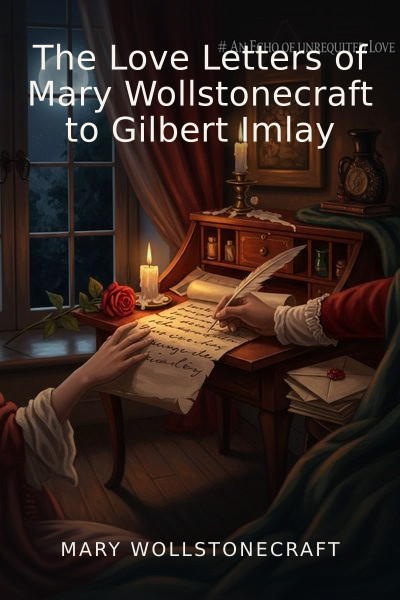
The Love Letters of Mary Wollstonecraft to Gilbert Imlay by Mary Wollstonecraft — Summary, Key Ideas & Full Text
106 pages78 chapters2h 8m read1h 31m speed read✦ 10-min Big ideasFree · no account
Rate it
Mary Wollstonecraft's passionate letters unveil the struggles of love, motherhood, and the quest for personal freedom amidst societal constraints
The love letters of Mary Wollstonecraft to Gilbert Imlay offer an intimate glimpse into the mind and heart of one of history's pioneering feminists. Through her candid and heartfelt correspondence, Wollstonecraft navigates the complexities of love, the trials of motherhood, and her relentless pursuit of personal independence. These letters, written during a tumultuous time in both her life and the world around her, reveal her vulnerabilities, desires, and aspirations as she grapples with societal expectations and her deep emotional connection to Imlay. Readers will discover not only the profound depth of Wollstonecraft’s affection but also her reflections on the nature of relationships, the sacrifices of motherhood, and the yearning for intellectual and emotional fulfillment. This collection serves as both a personal diary and a broader commentary on the struggles of women in a patriarchal society, making it a vital piece of feminist literature.
The love letters of Mary Wollstonecraft to Gilbert Imlay serve as a profound exploration of the emotional landscape of love, motherhood, and the quest for independence in a patriarchal society. Through her candid and heartfelt correspondence, Wollstonecraft articulates the complexities of relationships and the challenges faced by women in pursuit of their own happiness. Her reflections on vulnerability, intellectual companionship, and the interplay of reason and passion reveal a deeply introspective and philosophical mind that challenges societal norms. Ultimately, these letters not only document Wollstonecraft's personal journey but also contribute to a broader dialogue on women's rights and the importance of emotional fulfillment. As readers engage with her words, they are invited to reflect on their own relationships and the societal constructs that shape their experiences.
“I have found out that I have more mind than you, in one respect; because I can, without any violent effort of reason, find food for love in the same object, much longer than you can.”
“When I am absent from those I love, my imagination is as lively, as if my senses had never been gratified by their presence.”
“It appears to me absurd to waste life in preparing to live.”
Read Mary Wollstonecraft's work free on Lumina — the complete text plus an 8-minute summary and key ideas, no account needed