1.Alternate History as Mirror
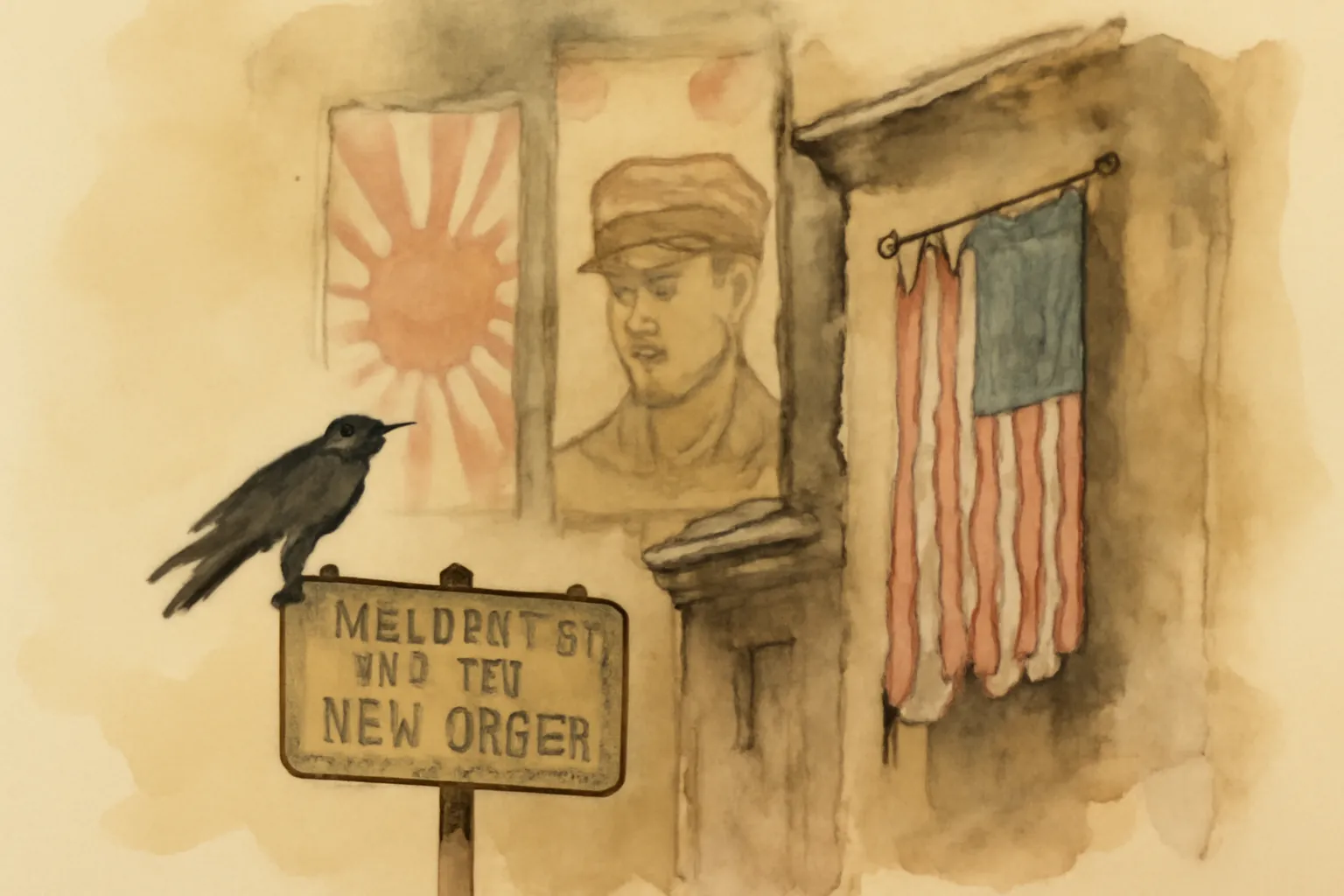
Dick doesn’t just ask 'what if the Axis won?'—he uses this scenario to examine how history shapes identity and morality. The occupied United States becomes a fractured landscape where Americans navigate foreign rule, cultural assimilation, and lingering resistance. By flipping the outcome of WWII, Dick compels readers to confront the contingency of history itself, suggesting that the world we know is only one of many possible realities, each with its own moral ambiguities and power structures.
2.Reality, Illusion, and the I Ching
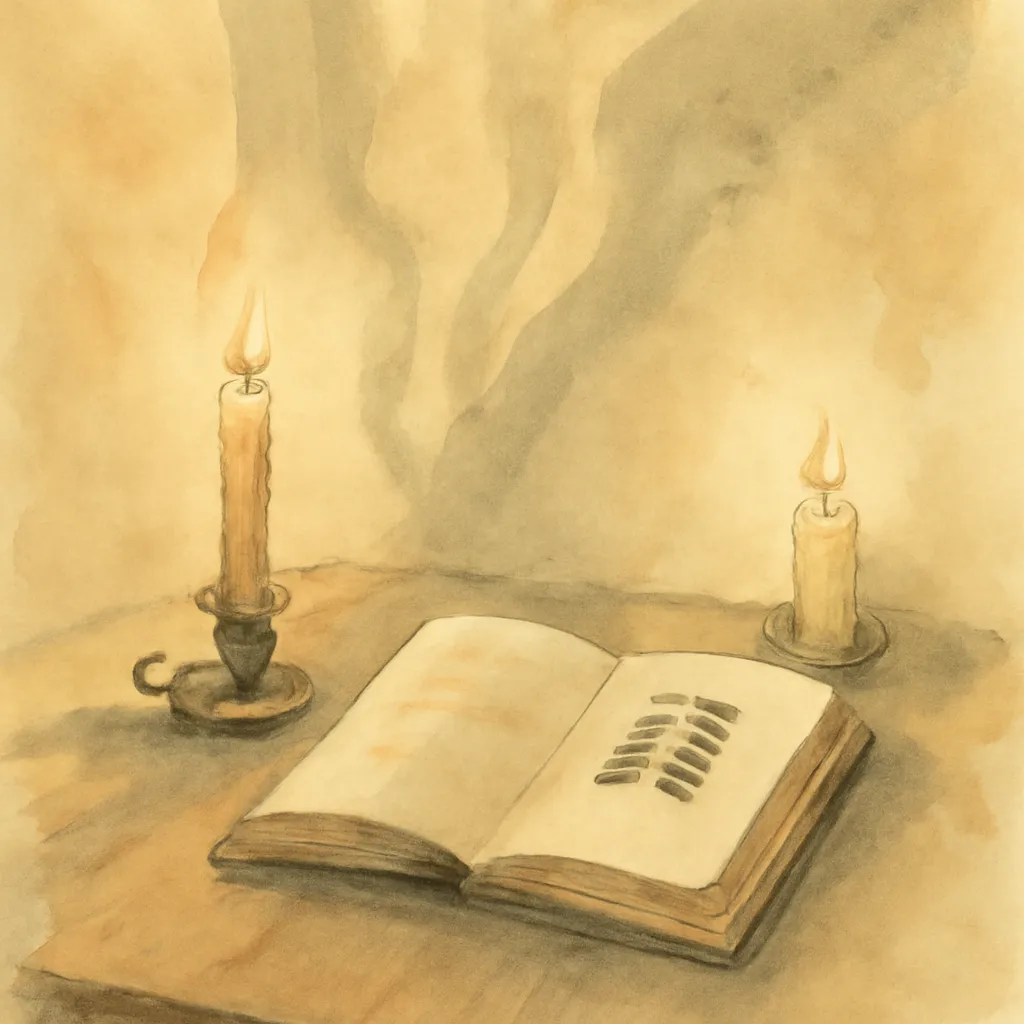
Throughout the novel, characters consult the I Ching, an ancient Chinese divination text, to guide their choices. This motif underscores the novel’s preoccupation with uncertainty and the instability of reality. The presence of a 'novel within the novel'—one that imagines an Allied victory—blurs the line between fiction and reality, raising questions about what is true, what is believed, and how stories shape our perception of the world.
3.Totalitarianism and Everyday Life
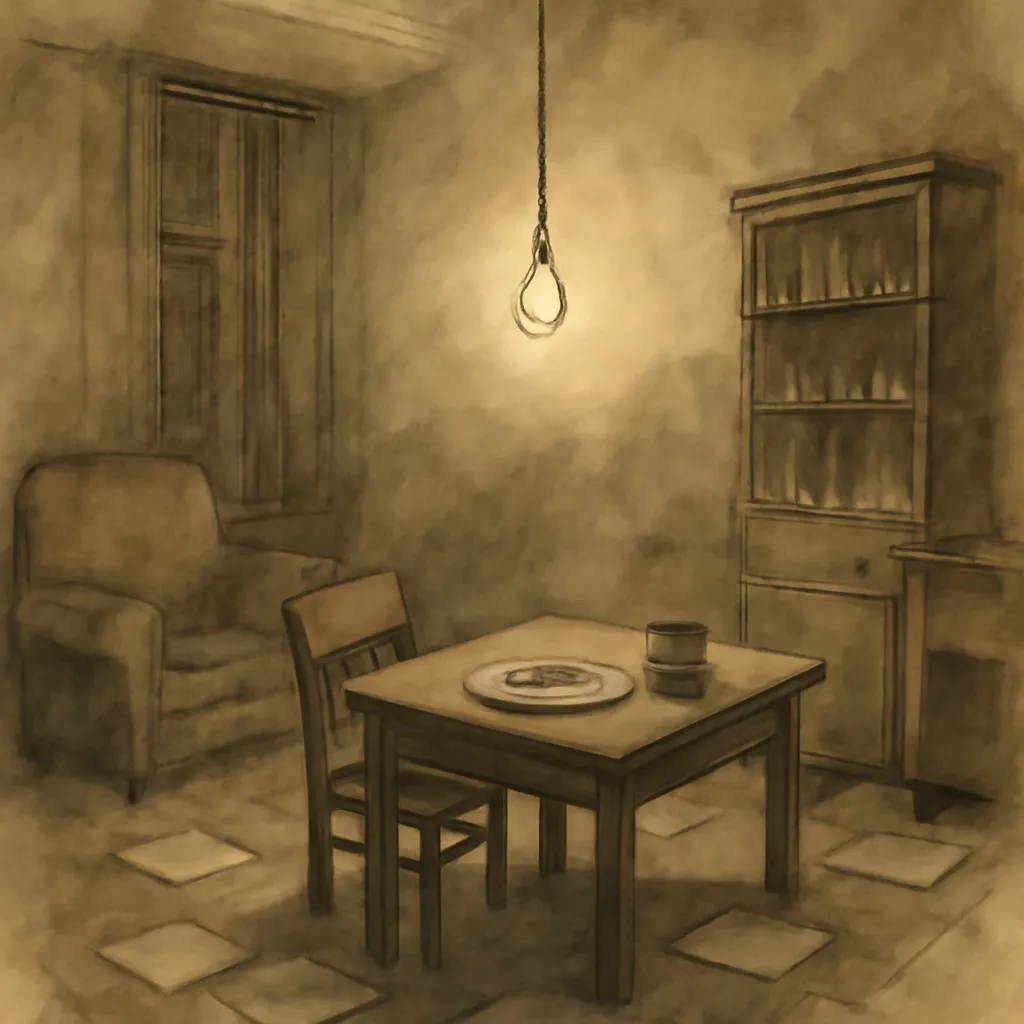
Dick’s alternate America is not just a stage for grand political drama; it’s a place where ordinary people struggle with fear, compromise, and survival under authoritarian regimes. The daily indignities and moral dilemmas faced by characters like Frank Frink and Juliana Frink reveal how totalitarian power seeps into the fabric of everyday existence, forcing individuals to navigate collaboration, resistance, and self-preservation.
4.Cultural Identity and Displacement
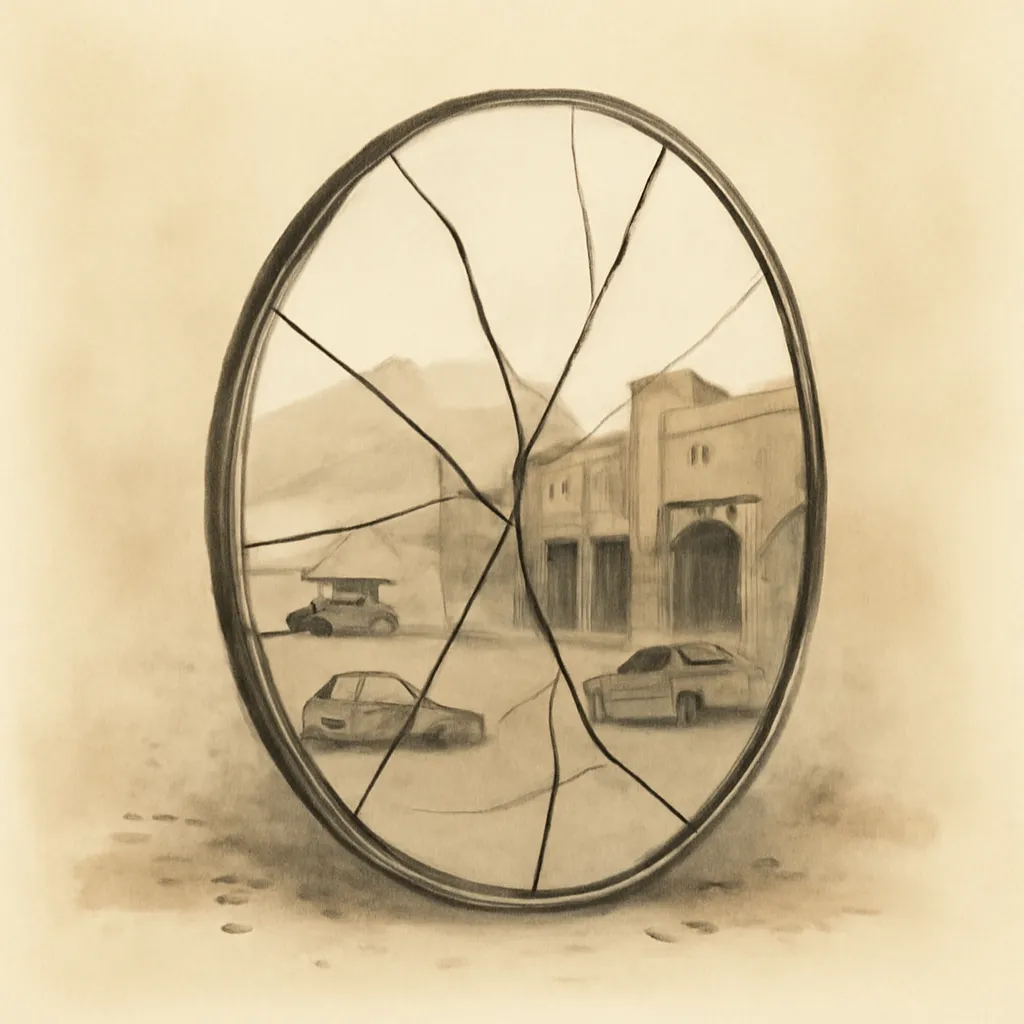
The novel explores the complexities of cultural identity in a conquered nation. Characters grapple with assimilation into Japanese or German culture, the loss of American traditions, and the search for meaning in a world where old certainties have vanished. Dick examines how power reshapes language, art, and even self-perception, highlighting the resilience—and fragility—of cultural identity under occupation.
5.The Power and Danger of Fiction
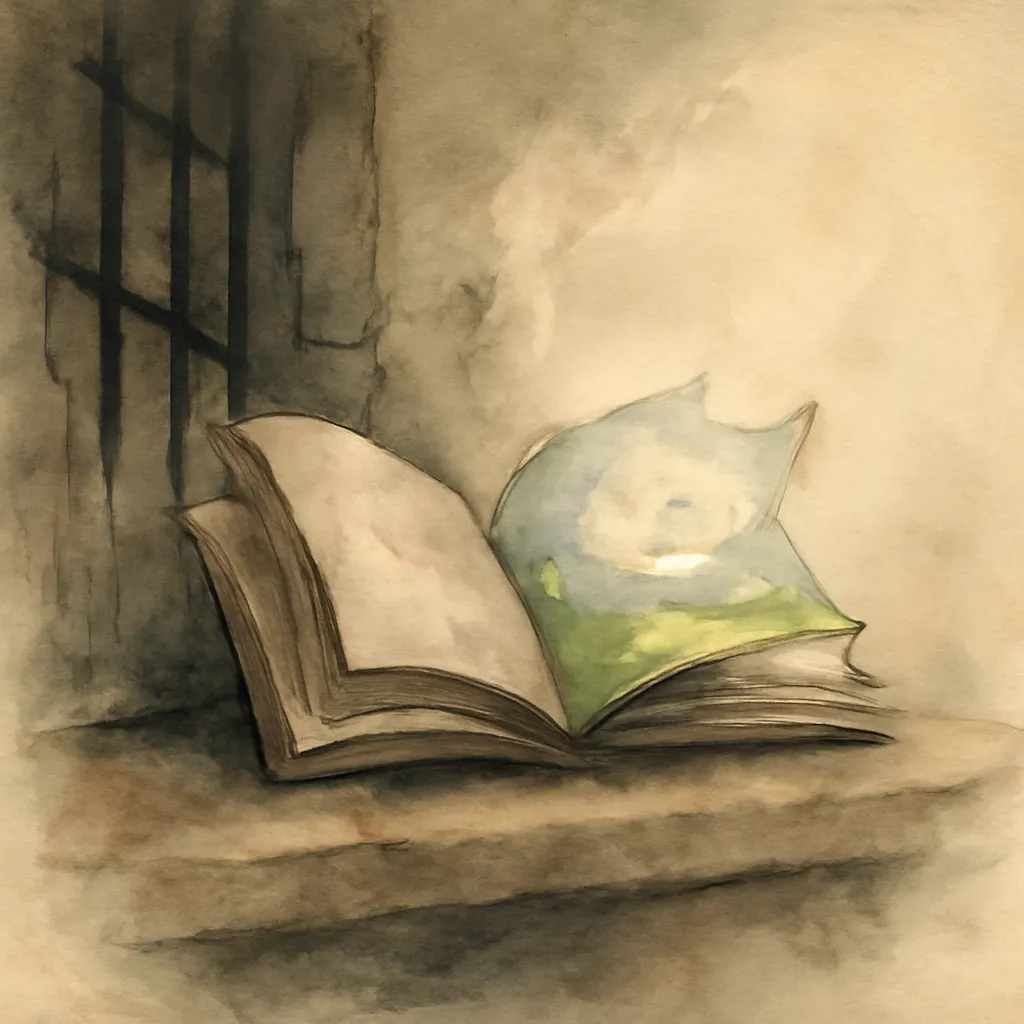
At the heart of the story is Hawthorne Abendsen’s forbidden book, 'The Grasshopper Lies Heavy,' which imagines a world where the Allies won. This fictional work becomes a symbol of hope, resistance, and the subversive potential of storytelling. Dick suggests that fiction can inspire, comfort, and even destabilize oppressive systems, but it can also blur the boundaries between truth and illusion, leaving readers to question what is real.
6.Ambiguity and Moral Complexity
Dick resists easy answers or clear heroes and villains. Characters make morally ambiguous choices, often out of desperation or confusion. The novel’s refusal to offer neat resolutions reflects the complexity of life under occupation and the difficulty of discerning right from wrong in a world where the rules have changed. This ambiguity invites readers to wrestle with uncomfortable questions about complicity, resistance, and the nature of evil.