Fiction · Hugo Award Winner · Science Fiction
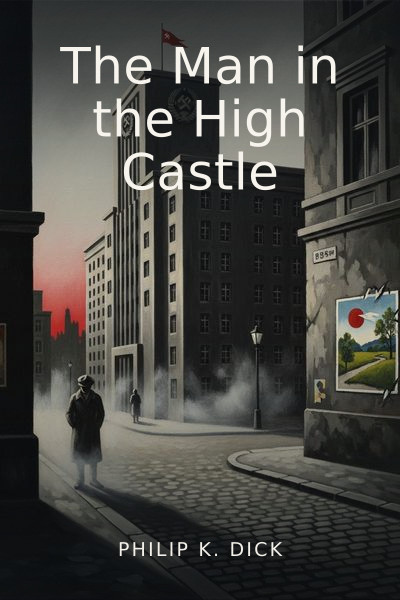
The Man in the High Castle by Philip K. Dick — Summary, Key Ideas & Quotes
1962258 pages✦ 3-min Big ideas★ 3.6 (126)
Rate it
The Man in the High Castle is an alternate history novel by American writer Philip K. Dick. Published and set in 1962, the novel takes place fifteen years after an alternative ending to World War II, and concerns intrigues between the victorious Axis Powers—primarily, Imperial Japan and Nazi Germany—as they rule over the former United States, as well as daily life under the resulting totalitarian rule. The Man in the High Castle won the Hugo Award for Best Novel in 1963. Beginning in 2015, the book was adapted as a multi-season TV series, with Dick's daughter, Isa Dick Hackett, serving as one of the show's producers. Reported inspirations include Ward Moore's alternate Civil War history, Bring the Jubilee (1953), various classic World War II histories, and the I Ching (referred to in the novel). The novel features a "novel within the novel" comprising an alternate history within this alternate history wherein the Allies defeat the Axis (though in a manner distinct from the actual historical outcome).
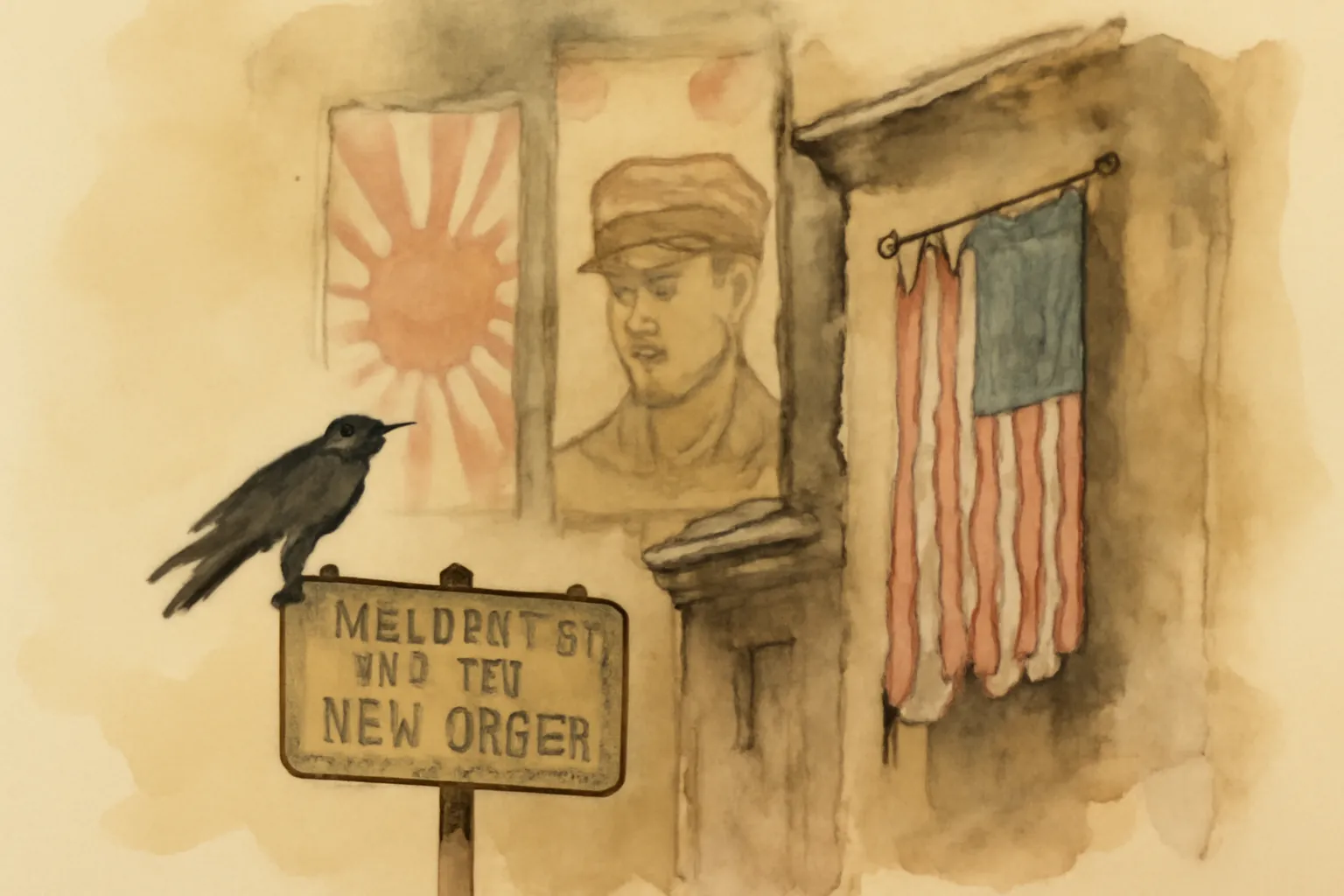
Dick doesn’t just ask 'what if the Axis won?'—he uses this scenario to examine how history shapes identity and morality. The occupied United States becomes a fractured landscape where Americans navigate foreign rule, cultural assimilation, and lingering resistance. By flipping the outcome of WWII, Dick compels readers to confront the contingency of history itself, suggesting that the world we know is only one of many possible realities, each with its own moral ambiguities and power structures.
Throughout the novel, characters consult the I Ching, an ancient Chinese divination text, to guide their choices. This motif underscores the novel’s preoccupation with uncertainty and the instability of reality. The presence of a 'novel within the novel'—one that imagines an Allied victory—blurs the line between fiction and reality, raising questions about what is true, what is believed, and how stories shape our perception of the world.
“To have no historicity, and also no reality: that is form of death that is worse than death itself.”
“Reality is that which, when you stop believing in it, doesn’t go away.”