1.The Weight of Expectations
Lucy Baines epitomizes the struggle between personal desire and familial expectation. Engaged to John, who is set to become a missionary in Africa, she grapples with her love for her mother and the pressure to fulfill societal roles. Lucy’s conversations with her family reveal her deep-seated fears about leaving her mother and the responsibilities that come with marrying a missionary. Her mother’s quiet sadness about her departure highlights the emotional cost of such decisions. When discussing her impending marriage with John, Lucy expresses great affection for her mother, stating, 'I love her better than any one in the world, better than you, John.' This sentiment showcases the deep ties she has to her familial roots, which creates a palpable tension as she prepares for a life that will distance her from her loved ones. This internal conflict reflects the broader theme of the sacrifices made for love and duty.
2.Colonial Realities and Personal Sacrifice

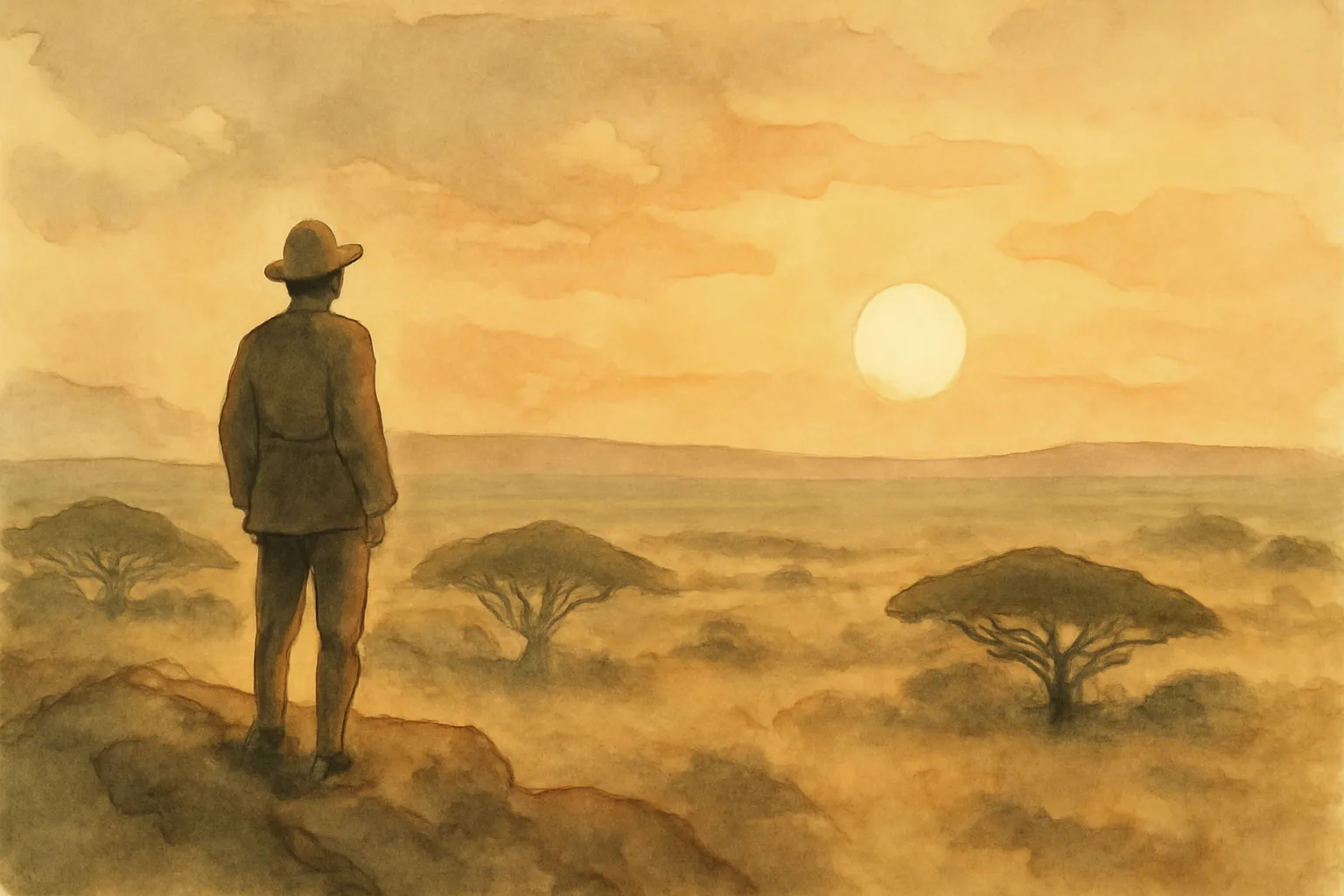
The narrative is steeped in the realities of colonial life, vividly illustrated through John’s experiences in East Africa. As he becomes embroiled in the complexities of missionary work, the challenges of cultural misunderstandings, and the harsh physical environment, his character undergoes significant development. The text portrays John as a well-meaning individual who is often idealistic, yet his naivety leads him to underestimate the dangers and difficulties of his new life. His commitment to his mission is portrayed as noble but ultimately misguided, leading to dire consequences. The attack on the mission station serves as a pivotal moment in the story, forcing John and others to confront the harsh truths of their situation. This journey is not just a physical one to Africa, but also a moral expedition that tests his beliefs and commitments, ultimately leading to his tragic demise. His character serves as a reflection on the broader implications of colonialism, raising questions about the effectiveness and morality of missionary work in such contexts.
3.The Complicated Nature of Love

Romantic relationships in the novel are laden with complications, particularly between Lucy, John, and Roger. Lucy’s initial affection for John is challenged by her growing bond with Roger, who represents a different path and perspective on life. Their interactions are charged with unspoken emotions, highlighting the tension between loyalty and attraction. Roger’s character is portrayed as a man of action, contrasting with John’s more contemplative nature. For example, when Roger confronts Lucy about their changed relationship, he expresses his feelings directly, saying, 'You can’t say I didn’t write—when I got a chance.' This dynamic creates a love triangle that invites readers to ponder the nature of true love—whether it is a steadfast commitment to one person or the willingness to pursue a connection that feels more authentic. The emotional turmoil experienced by Lucy embodies the complexities of love and the choices individuals must make in the face of conflicting desires.
4.The Role of Women in Colonial Society

Lucy’s character reflects the limited roles available to women during the colonial period. Her aspirations and talents as an artist are overshadowed by societal expectations that confine her to the domestic sphere. Despite her artistic inclinations, she is often portrayed as a passive figure, struggling to find her voice in a world dominated by men. The arrival of Ann Jamblin, another female character, complicates Lucy's situation as Ann's assertiveness and jealousy serve as a foil to Lucy’s more subdued personality. Ann's practical approach to missionary work contrasts with Lucy's romantic ideals, creating tension between them. This rivalry highlights the challenges women faced in asserting their identities amidst the expectations of marriage and motherhood. Lucy's internal struggles with her feelings of inadequacy and the fear of not living up to her role as a missionary's wife illustrate the constraints placed on women, while Ann's character demonstrates how some women sought to break free from those constraints.
5.Cultural Clashes and Misunderstandings
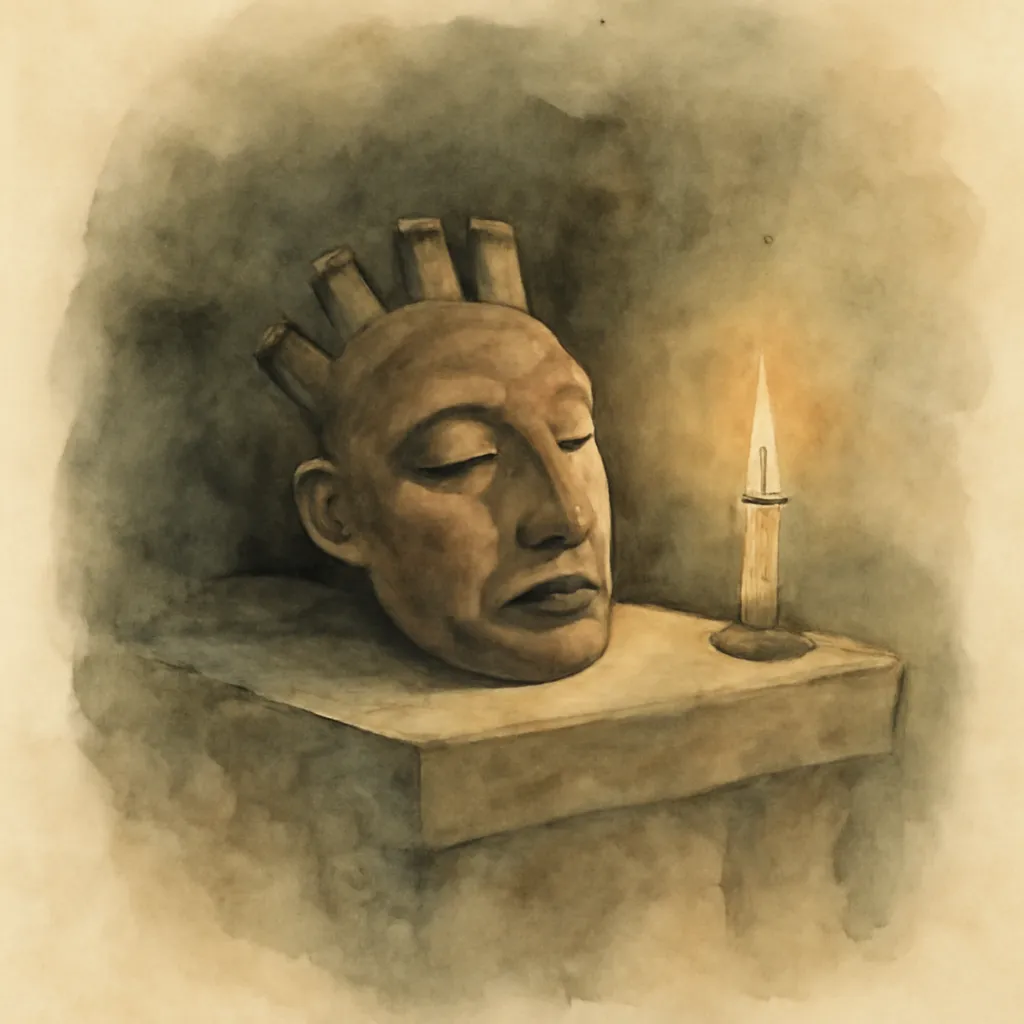
The novel vividly depicts the cultural clashes between the missionaries and the local populations in East Africa. John’s interactions with the native people reveal his ignorance of their customs and beliefs, often leading to misunderstandings that have dire consequences. A compelling moment arises when John insists on maintaining his Western ideals in the face of a culture that he fails to understand, leading to friction and resistance from the locals. The narrative emphasizes the complexities of cultural exchange, where well-intentioned efforts at conversion can result in resentment and conflict. Lucy’s observations about the local customs, her growing understanding, and her reflections on her own biases suggest that empathy and respect for different traditions are essential for meaningful engagement. The portrayal of these dynamics serves as a critique of colonial attitudes that often dismissed local customs as inferior, ultimately showing how these attitudes can lead to tragic outcomes.
6.The Consequences of Idealism
John’s idealistic approach to his missionary work ultimately leads to tragic consequences, illustrating the dangers of naivety in a complex world. His belief in the righteousness of his mission blinds him to the realities of the local culture and the political tensions that exist. This is poignantly illustrated when he dismisses warnings about the potential dangers of his work, insisting that 'we must do what is right, regardless of the cost'. However, this unwavering adherence to his ideals leads to the disastrous attack on the mission station and his eventual death. This event serves as a catalyst for Lucy’s transformation, prompting her to reevaluate her own beliefs about duty and commitment. The consequences of John’s idealism extend beyond his life, affecting the futures of those he leaves behind, thus reinforcing the notion that actions rooted in good intentions can have unforeseen repercussions.
7.Friendship and Loyalty

The bonds of friendship are tested throughout the narrative, particularly between John and Roger. Their relationship is complex, marked by underlying tension as they navigate their feelings for Lucy. Roger’s loyalty to John is evident, yet his attraction to Lucy complicates their friendship. This dynamic underscores the theme of loyalty, as characters must reconcile their personal desires with their commitments to others. The tension escalates when Roger contemplates his feelings for Lucy, even as he acknowledges John's commitment to her. Their conversations reflect the emotional strain of trying to honor friendship while grappling with romantic feelings, particularly in moments where Roger must decide whether to act on his feelings or remain loyal to his friend. The challenges they face highlight the sacrifices friends must make for one another, as well as the potential for betrayal when emotions run high. The evolution of their friendship speaks to the broader theme of human connection and the fragility of relationships in times of crisis.
8.The Impact of War and Violence
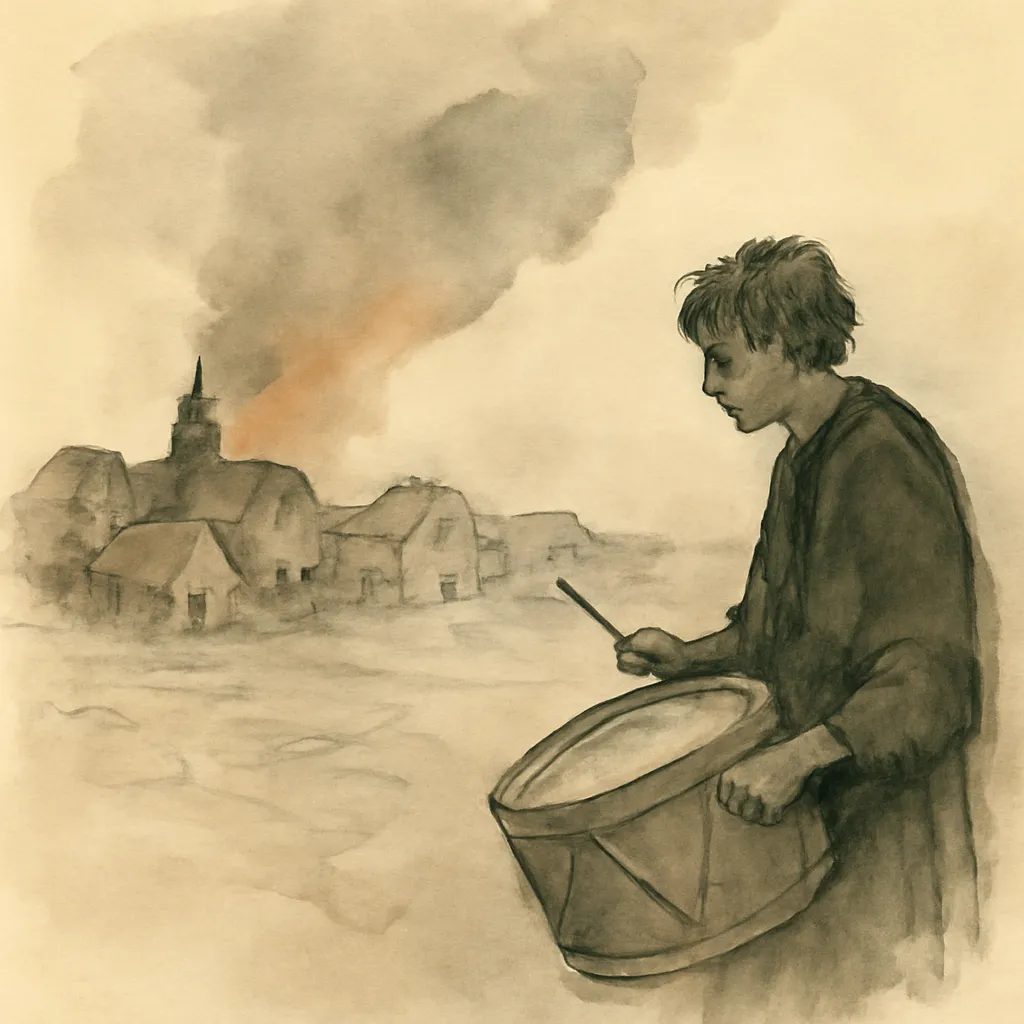
The backdrop of conflict in East Africa serves as a critical element of the story, influencing the characters’ fates and decisions. The looming threat of violence from local tribes shapes the actions of John, Lucy, and Roger, creating a sense of urgency that permeates their interactions. The attack on the mission station is a stark reminder of the dangers faced by those in colonial settings and the brutal realities of life during this period. This violence not only affects the physical safety of the characters but also shakes their moral foundations, prompting them to confront their beliefs and motivations. The narrative illustrates how war and conflict can irrevocably alter the course of lives, serving as a powerful commentary on the impact of colonialism. Lucy's reflections on the violence they face deepen her understanding of her circumstances, forcing her to reconsider her role and the beliefs that guided her to Africa.
9.Moral Ambiguity and the Search for Meaning
The characters in The Man Who Did the Right Thing grapple with moral ambiguity as they seek to navigate their lives in a complex world. John’s commitment to his missionary work is rooted in a desire to do good, yet the consequences of his actions lead to tragedy. Similarly, Lucy’s journey reflects her struggle to find meaning in her role as a wife and missionary, ultimately leading her to question her own beliefs. Roger’s character embodies a more pragmatic approach to morality, often challenging the ideals held by John and Lucy. This exploration of moral ambiguity invites readers to reflect on the nature of right and wrong, suggesting that life’s complexities often defy simple categorization. The characters' struggles with their decisions lead to broader questions about the morality of colonialism and the personal ramifications that arise when individuals are caught in the crosshairs of societal expectations.
10.The Journey of Self-Discovery
At its core, the novel is a story of self-discovery, particularly for Lucy as she navigates the challenges of her new life in Africa. Her experiences force her to confront her own identity and desires, leading to a profound transformation. The harsh realities of colonial life juxtaposed with her romantic ideals create a fertile ground for personal growth. As Lucy faces the trials of marriage, loss, and cultural differences, she emerges as a more resilient and self-aware individual. This journey resonates with the universal theme of finding one’s place in the world, emphasizing the importance of personal growth and the courage to embrace change. As Lucy reflects on her circumstances, she gradually learns to assert her own identity, navigating the expectations imposed upon her while finding strength in her individuality.