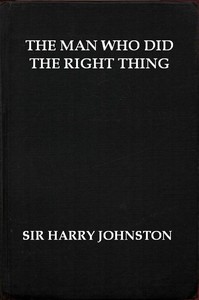

A poignant exploration of love, duty, and the complexities of human relationships set against the backdrop of colonial East Africa
Read full overviewShow less›
The Man Who Did the Right Thing: A Romance weaves a tale of personal sacrifice, self-discovery, and the moral dilemmas faced by its characters in the midst of the dynamic and often harsh realities of life in East Africa during the late 19th century. Through the lives of John Baines, his fiancée Lucy, and Captain Roger Brentham, the narrative delves into the intersections of love, duty, and the impact of colonialism on personal choices. The story, grounded in a mix of realism and imagination, invites readers to reflect on the nature of commitment and the consequences of striving to do what is perceived as right. As characters navigate their relationships, they confront societal expectations, personal desires, and the unforeseen challenges that arise from their decisions, making this a rich and compelling read.
The Man Who Did the Right Thing: A Romance is a layered narrative that explores the complexities of human relationships against the backdrop of colonial East Africa. Through the intertwined lives of Lucy, John, and Roger, the story delves into themes of love, duty, and the moral ambiguities inherent in their choices. As characters navigate personal sacrifices and cultural clashes, the narrative invites readers to reflect on the nature of commitment and the impact of broader societal forces on individual lives. Ultimately, this tale serves as a poignant reminder of the human capacity for resilience and self-discovery amidst the trials of life, making it a timeless exploration of what it means to do the right thing.
- 1The Weight of Expectations
- 2Colonial Realities and Personal Sacrifice
- 3The Complicated Nature of Love
- 4The Role of Women in Colonial Society
- 5Cultural Clashes and Misunderstandings
A glimpse inside

Lucy Baines epitomizes the struggle between personal desire and familial expectation. Engaged to John, who is set to become a missionary in Africa, she grapples with her… Read moreLucy Baines epitomizes the struggle between personal desire and familial expectation. Engaged to John, who is set to become a missionary in Africa, she grapples with her love for her mother and the pressure to fulfill societal roles. Lucy’s conversations with her family reveal her deep-seated fears about leaving her mother and the responsibilities that come with marrying a missionary. Her mother’s quiet sadness about her departure highlights the emotional cost of such decisions. When discussing her impending marriage with John, Lucy expresses great affection for her mother, stating, 'I love her better than any one in the world, better than you, John.' This sentiment showcases the deep ties she has to her familial roots, which creates a palpable tension as she prepares for a life that will distance her from her loved ones. This internal conflict reflects the broader theme of the sacrifices made for love and duty. Show less
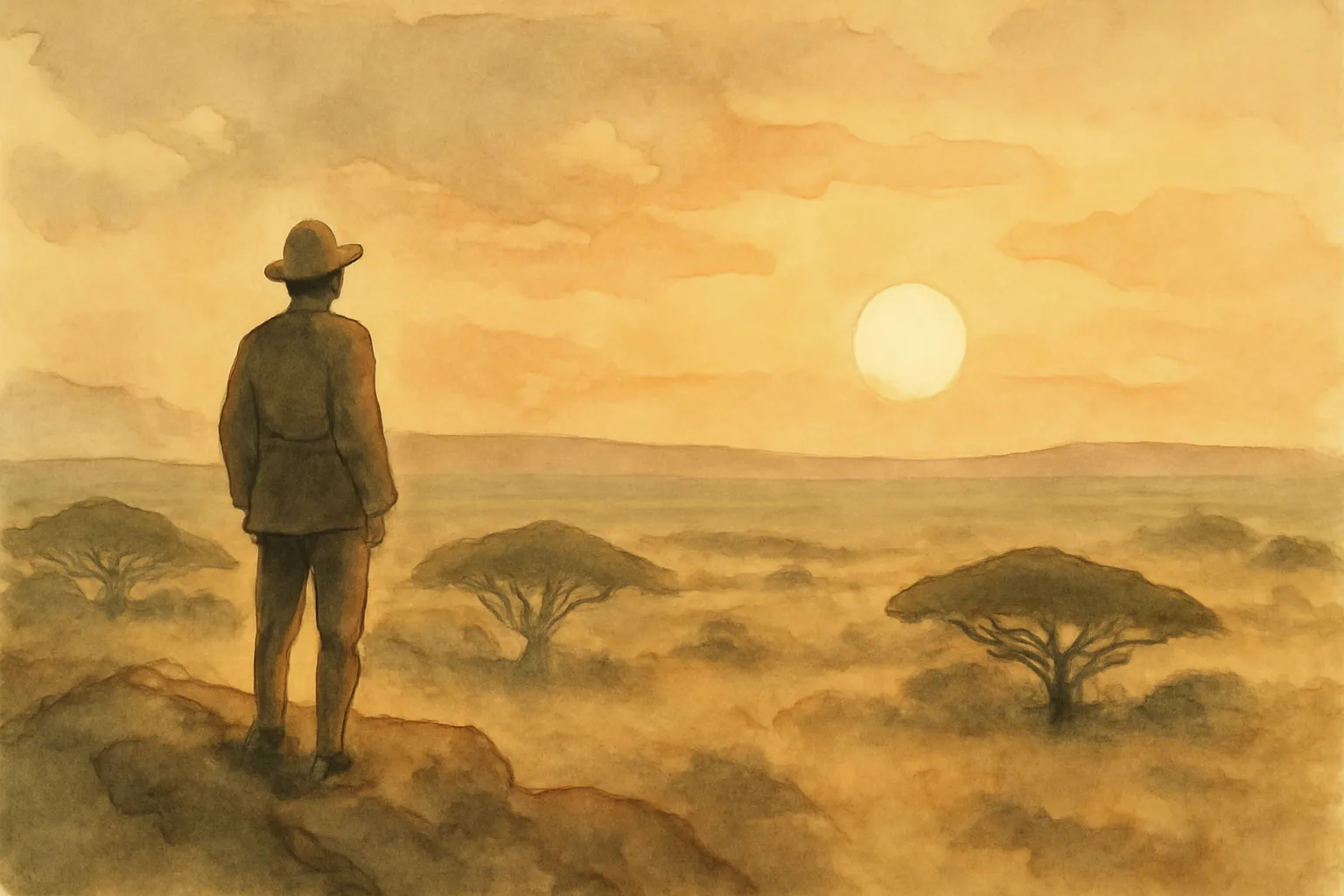
The narrative is steeped in the realities of colonial life, vividly illustrated through John’s experiences in East Africa. Read moreThe narrative is steeped in the realities of colonial life, vividly illustrated through John’s experiences in East Africa. As he becomes embroiled in the complexities of missionary work, the challenges of cultural misunderstandings, and the harsh physical environment, his character undergoes significant development. The text portrays John as a well-meaning individual who is often idealistic, yet his naivety leads him to underestimate the dangers and difficulties of his new life. His commitment to his mission is portrayed as noble but ultimately misguided, leading to dire consequences. The attack on the mission station serves as a pivotal moment in the story, forcing John and others to confront the harsh truths of their situation. This journey is not just a physical one to Africa, but also a moral expedition that tests his beliefs and commitments, ultimately leading to his tragic demise. His character serves as a reflection on the broader implications of colonialism, raising questions about the effectiveness and morality of missionary work in such contexts. Show less
Read the full text — free
About the author
Read Harry Johnston's work free on Lumina — the complete text plus an 8-minute summary and key ideas, no account needed