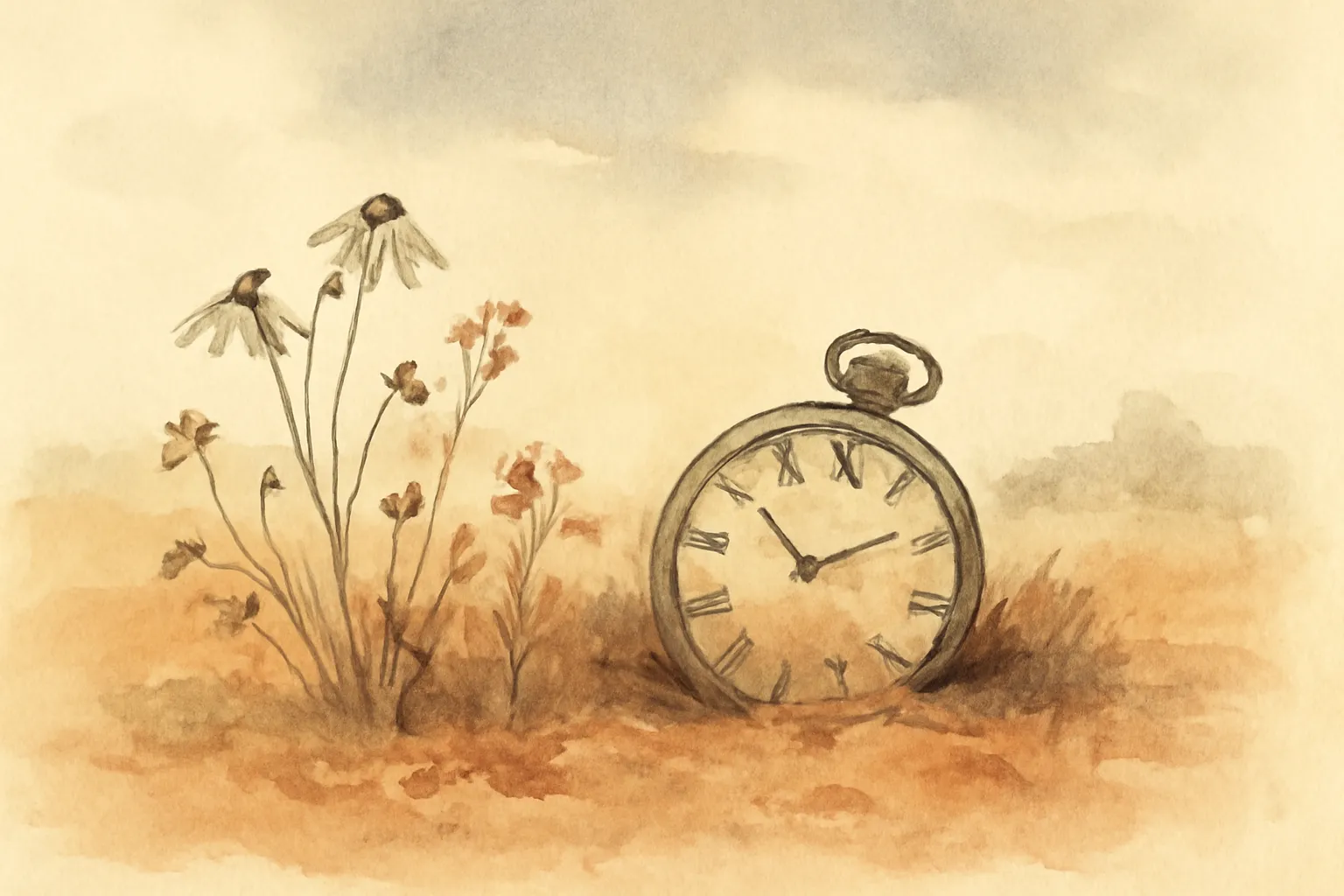
1.The Burden of Choices

At the core of 'The Moving Finger' is the theme of choice and its burdensome consequences. Characters face pivotal moments that alter their lives irrevocably, highlighting the idea that every decision carries weight. For instance, Bessie Warner's realization of her love for Tom Hollis is marred by societal expectations and her own past choices. This moment becomes a poignant reflection on how love often arrives too late, overshadowed by obligations and fears of rejection. Another character, Ben Harper, grapples with choosing between his love for Susy and his seafaring life. Gaunt emphasizes that choices are not merely personal but are set against the expectations of community and tradition. The stories reveal that what may seem like minor decisions can lead to profound changes, affecting not just the individual but also those around them. Through these interconnected narratives, the reader is left to ponder the nature of choice and the burden it imposes on the heart.
2.Ghosts as Symbols of Unresolved Past
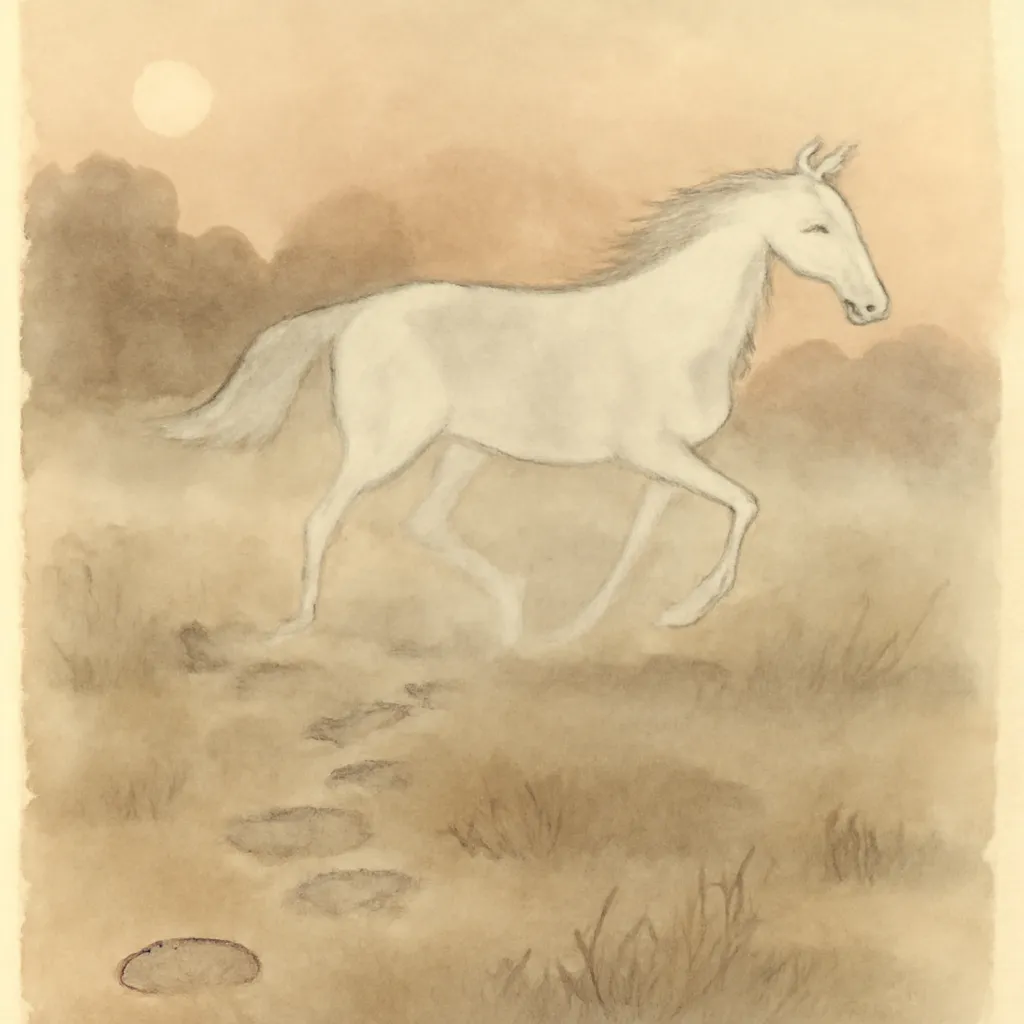
The presence of ghosts in 'The Moving Finger' serves as a powerful symbol of the unresolved issues that haunt the characters. The spectral figure of Trotting Cob represents not just a physical ghost but the emotional baggage carried by the living. This narrative highlights the relentless grip of the past on the present, as characters find themselves confronted by their memories and regrets. For instance, the old woman sharing stories about the ghost reflects on her own lost love, reminding us that the past is never truly behind us. Gaunt uses these supernatural elements to explore themes of memory and loss, suggesting that unresolved feelings can manifest in haunting ways. The characters' interactions with these ghosts often lead to moments of reckoning, where they must confront their fears and desires. In doing so, Gaunt invites readers to consider the ways their own pasts influence their present choices and relationships.
3.The Dual Nature of Love

In 'The Moving Finger', love emerges as a dual force that can inspire both happiness and despair. The relationship between Ben and Susy is fraught with tension as their differing beliefs create a rift between them. Ben, a skeptic, struggles to reconcile his feelings for Susy with her deep faith. Their love story is a poignant exploration of how love can compel individuals to navigate their differences, sometimes leading to personal sacrifice. This duality in love is also reflected in Bessie and Tom's relationship, where Bessie's late acknowledgment of her feelings presents a bittersweet picture. Gaunt illustrates that love often comes hand in hand with sacrifice, creating a rich emotional tapestry. The characters must navigate their desires, societal expectations, and personal beliefs, raising questions about what it means to truly love someone. Through these intricate relationships, Gaunt captures the complexity of human emotions, leaving readers to contemplate the multifaceted nature of love.
4.The Harsh Reality of the Australian Bush

The Australian bush is more than just a backdrop; it is a living entity that shapes the characters' experiences in profound ways. Gaunt’s vivid descriptions of the rugged landscape reveal its beauty and brutality, illustrating the challenges faced by those who inhabit it. The story of Anderson and Helm captures the desperation of two men lost in a parched, unforgiving environment, where their survival depends on their ability to navigate both the physical landscape and their inner turmoil. The starkness of the bush reflects the harsh realities of life, emphasizing themes of endurance and resilience. Characters often find themselves at the mercy of the elements, highlighting their vulnerability against nature's whims. Through this depiction, Gaunt underscores the idea that the environment plays a crucial role in shaping identity and character. The challenges posed by the bush serve as a crucible for personal growth, forcing characters to confront their fears and limitations while finding strength within themselves.
5.Fate: An Uncontrollable Force

Fate looms large in 'The Moving Finger', often depicted as a relentless force that guides the characters' lives. The story of Gentleman Jim illustrates how fate can lead to unexpected and often tragic consequences. Characters frequently grapple with the notion of fate versus free will, as they navigate circumstances beyond their control. Gaunt suggests that while individuals may strive to assert their influence over their lives, the larger forces of fate often seem to dictate outcomes. This exploration of fate resonates deeply, prompting readers to reflect on their own lives and the myriad factors that shape their paths. The characters' struggles against fate reveal the tension between aspiration and reality, illustrating how the unpredictability of life can lead to both growth and despair. By highlighting the role of fate, Gaunt encourages a contemplation of how our lives are woven into a larger tapestry, where individual choices intersect with the inexorable march of time.
6.Resilience Amidst Adversity
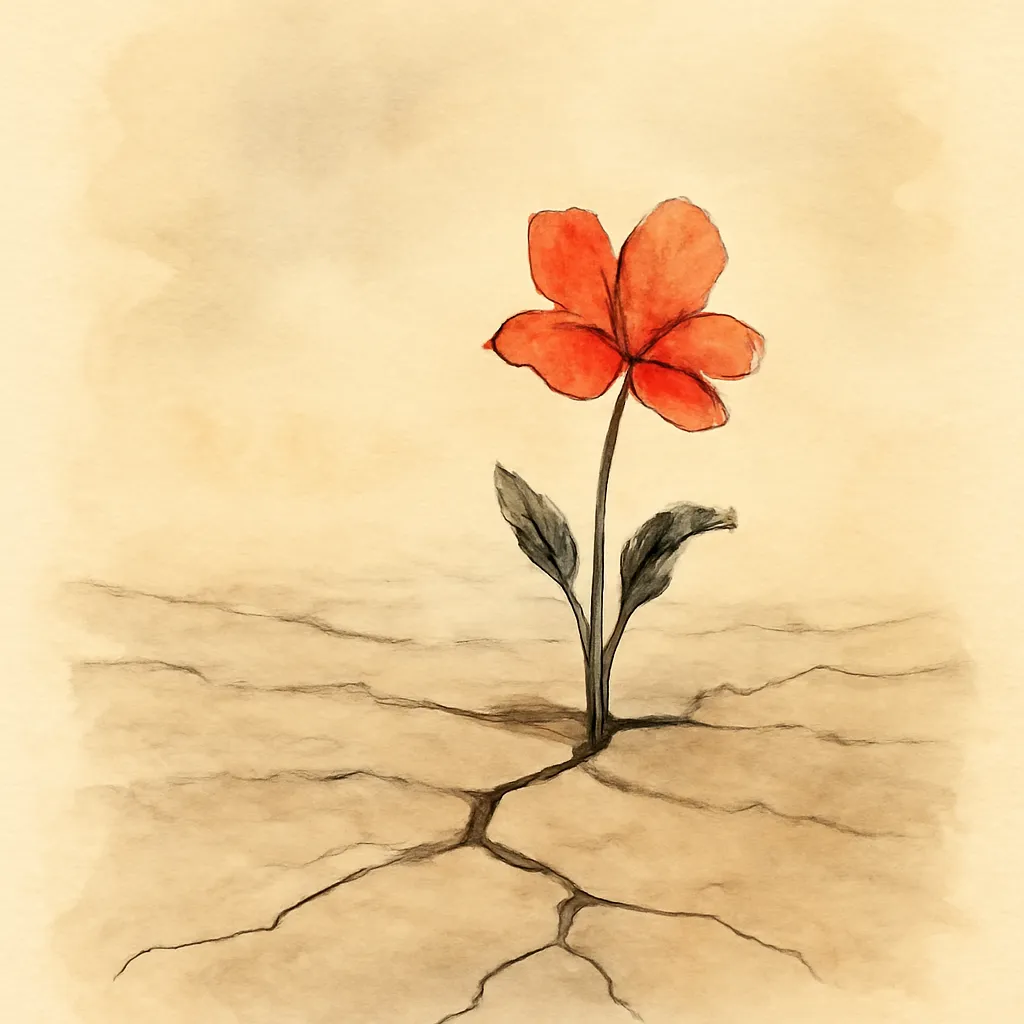
Resilience emerges as a key theme throughout 'The Moving Finger', as characters confront adversity with strength and determination. Bessie Warner embodies this resilience as she navigates her feelings for Tom amidst external pressures and threats. Her journey from uncertainty to acceptance illustrates the human capacity to endure and adapt in the face of challenges. Similarly, Ben Harper's struggle with societal expectations and personal beliefs reflects the resilience required to pursue love authentically. Gaunt portrays her characters not as one-dimensional figures but as complex individuals shaped by their experiences. This portrayal of resilience serves as an inspiring reminder of the human spirit's ability to withstand hardship. Through their stories, readers witness the power of perseverance, encouraging them to find strength within themselves when faced with their own challenges. Gaunt’s emphasis on resilience underscores the idea that while life presents obstacles, it is our response that ultimately defines us.
7.The Complexity of Human Relationships
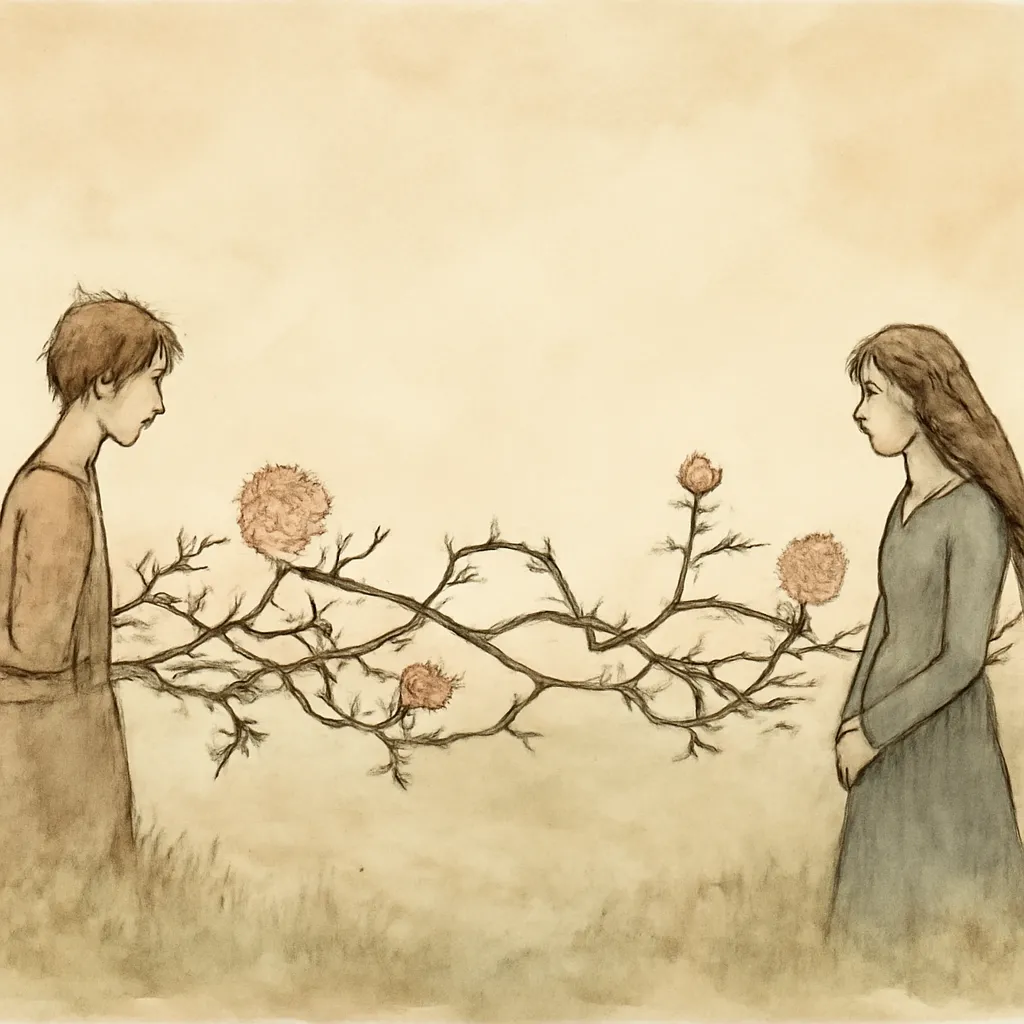
The intricacies of human relationships are masterfully explored in 'The Moving Finger', where characters navigate the delicate balance of love, friendship, and obligation. The interplay between Ben and Susy reveals the tensions that arise when personal desires clash with societal norms. Their relationship is fraught with misunderstandings and unspoken emotions, reflecting the complexities inherent in love. Similarly, the bond between Bessie and Tom is marked by external threats that complicate their connection. Gaunt illustrates that relationships are rarely straightforward; they are shaped by individual histories, societal expectations, and the ever-present specter of choice. Through her nuanced portrayal of relationships, Gaunt invites readers to reflect on their own connections, recognizing that the dynamics of love require both vulnerability and strength. The exploration of these complexities adds depth to the narratives, prompting readers to consider how their relationships inform their identities.
8.Societal Expectations and Personal Desires

In 'The Moving Finger', societal expectations play a pivotal role in shaping characters' decisions and actions. The pressure to conform often leads to internal conflict, as seen in the character of Susy, who grapples with balancing her love for Ben with her deep-seated beliefs. Gaunt deftly illustrates how societal norms can stifle individual desires, forcing characters to choose between personal happiness and acceptance. The tension between conformity and individuality is palpable, raising questions about the cost of societal approval. Characters like Bessie and Tom confront the weight of community expectations, leading them to navigate a path between love and obligation. This exploration of societal critique highlights the tension between personal freedom and communal responsibilities, inviting readers to ponder how societal influences shape their own lives. Ultimately, Gaunt's examination of this theme serves as a reminder of the importance of authenticity in a world that often demands conformity.
9.The Quest for Identity

The search for identity is a recurring theme in 'The Moving Finger', as characters strive to define themselves amidst external pressures and internal struggles. Ben Harper’s journey reflects this search as he grapples with his identity as a seafarer and a lover. His conflict between these two identities creates a rich narrative that explores the fluidity of self-perception. Similarly, Susy’s faith and love for Ben challenge her understanding of herself and her place in the world. Gaunt's portrayal of identity emphasizes that it is not a fixed concept but rather a dynamic interplay of experiences, choices, and relationships. The characters’ quests for identity reveal the layers of complexity that define human existence, inviting readers to reflect on their own journeys of self-discovery. Gaunt's nuanced exploration of identity encourages an understanding that the search for self is often fraught with obstacles, yet it is also an essential part of the human experience.
10.The Passage of Time: A Relentless Force
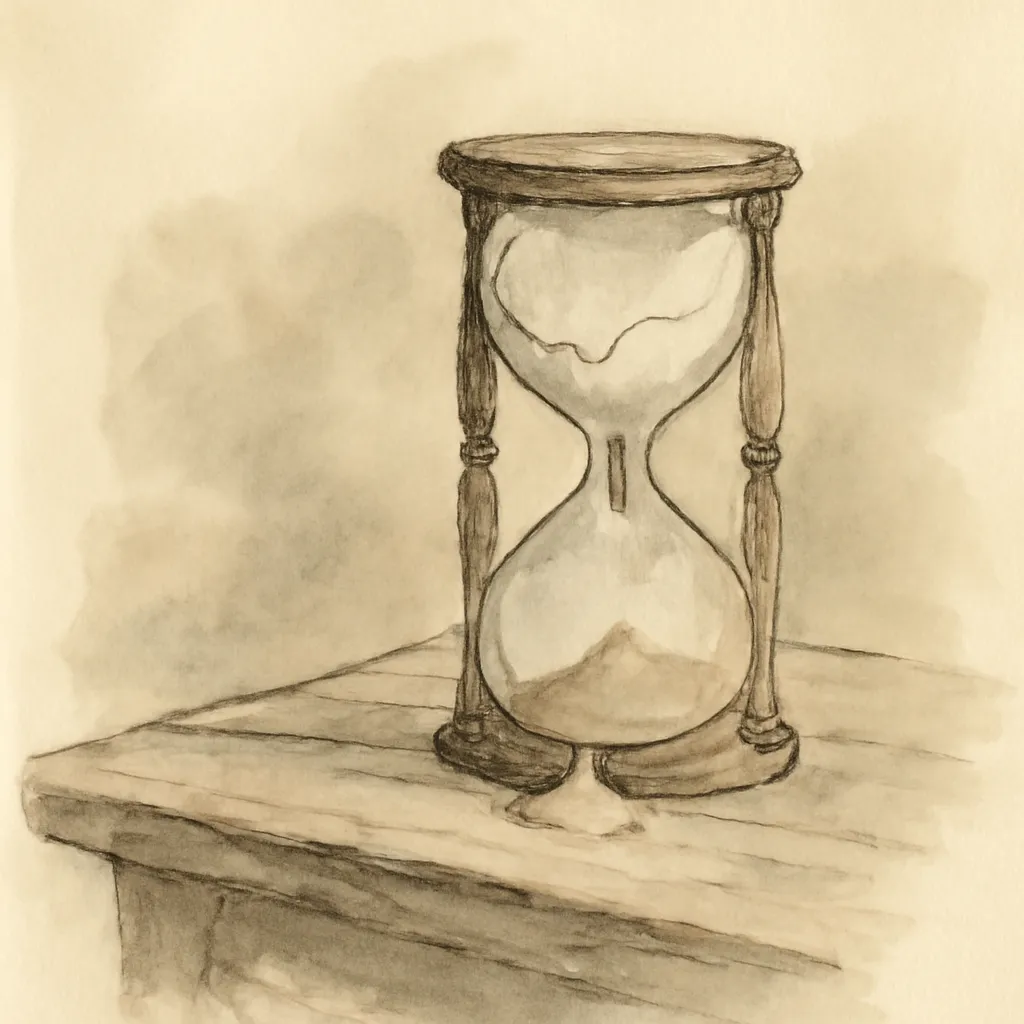
Time serves as a critical theme in 'The Moving Finger', reminding characters and readers alike of its relentless nature. Gaunt paints a vivid picture of how time shapes experiences, revealing both its healing and destructive powers. Characters often reflect on their pasts, grappling with lost opportunities and the inevitability of change. The passage of time serves as a backdrop for personal growth and transformation, as characters navigate the complexities of their lives. Gaunt poignantly illustrates that while time can bring healing, it also carries the weight of mortality and the impermanence of existence. Through this exploration of time, readers are invited to consider their own relationship with the past and the future, prompting reflections on what it means to live fully in the present. Ultimately, Gaunt’s examination of time underscores its powerful influence on identity and relationships, leaving a lasting impression on the reader.