Fiction
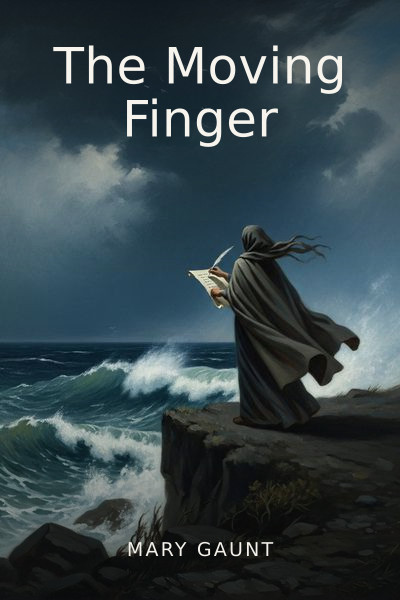
The Moving Finger by Mary Gaunt — Summary, Key Ideas & Full Text
188 pages16 chapters3h 46m read2h 40m speed read✦ 10-min Big ideasFree · no account
Rate it
The Moving Finger reveals the inescapable nature of time and choice amidst the backdrop of human love and loss
Mary Gaunt's 'The Moving Finger' unfolds a tapestry of interconnected narratives that capture the complexities of love, the weight of decisions, and the haunting shadows of the past. Set against the stark Australian bush, the collection portrays characters grappling with their identities and the choices that define them. Readers are immersed in a world where love is both a source of joy and pain, where societal expectations shape destinies, and where the passage of time serves as an unforgiving reminder of mortality. Through vivid storytelling and rich character development, Gaunt examines the human condition, encouraging reflection on how our choices resonate through time and impact our lives and the lives of others. This collection invites readers to consider the power of the past and the inevitability of fate while exploring the enduring nature of love.
Mary Gaunt's 'The Moving Finger' presents a rich exploration of the human experience, weaving together themes of choice, love, and the haunting presence of the past. Through interconnected narratives, Gaunt delves into the complexities of relationships, the impact of societal norms, and the quest for identity amidst the unforgiving landscape of the Australian bush. The characters’ struggles illuminate the tension between personal desires and external expectations, ultimately encouraging readers to reflect on their own choices and the forces that shape their lives. Gaunt's poignant storytelling invites us to confront the realities of time and fate, leaving a lasting impression of how our pasts intertwine with our presents. In a world where the moving finger of time writes our stories, Gaunt reminds us of the importance of authenticity, resilience, and love in navigating the journey of life.
“The Moving Finger writes; and, having writ, Moves on; nor all your piety and wit Shall lore it back to cancel half a line, Nor all your tears wash out a word of it.”
“It’s old I am—old—old—old. It isn’t the likes o’ us as ‘ll touch yer beasts.”
“Now then, Bessie,” said her stepmother, “go, dear—quick, quick. You’ll never be missed in the dark, and I ‘ll light plenty of candles now, and dazzle the Mopoke. Go, Bessie, go.”
Read Mary Gaunt's work free on Lumina — the complete text plus an 8-minute summary and key ideas, no account needed