1.The Power of Nature as a Mirror

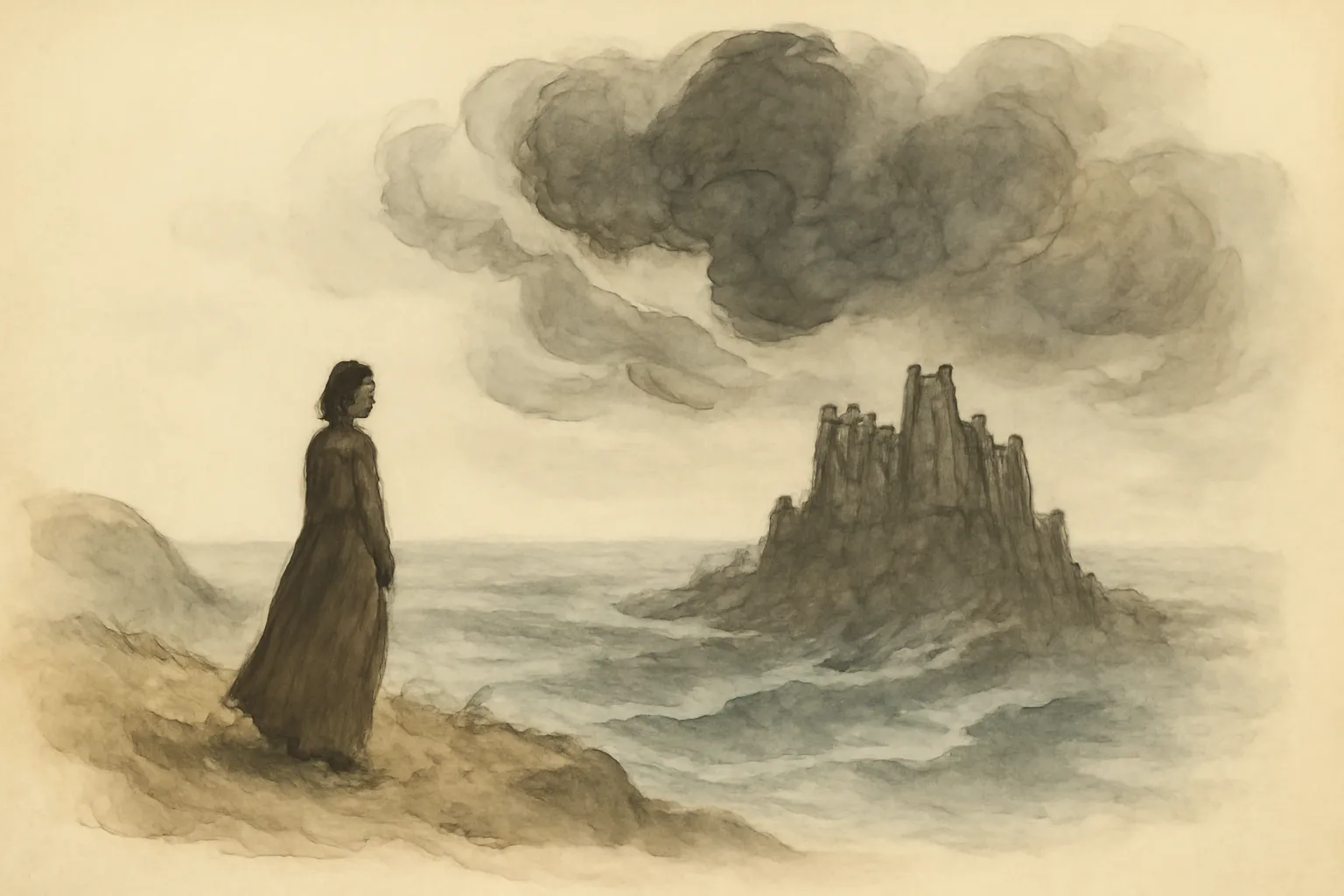
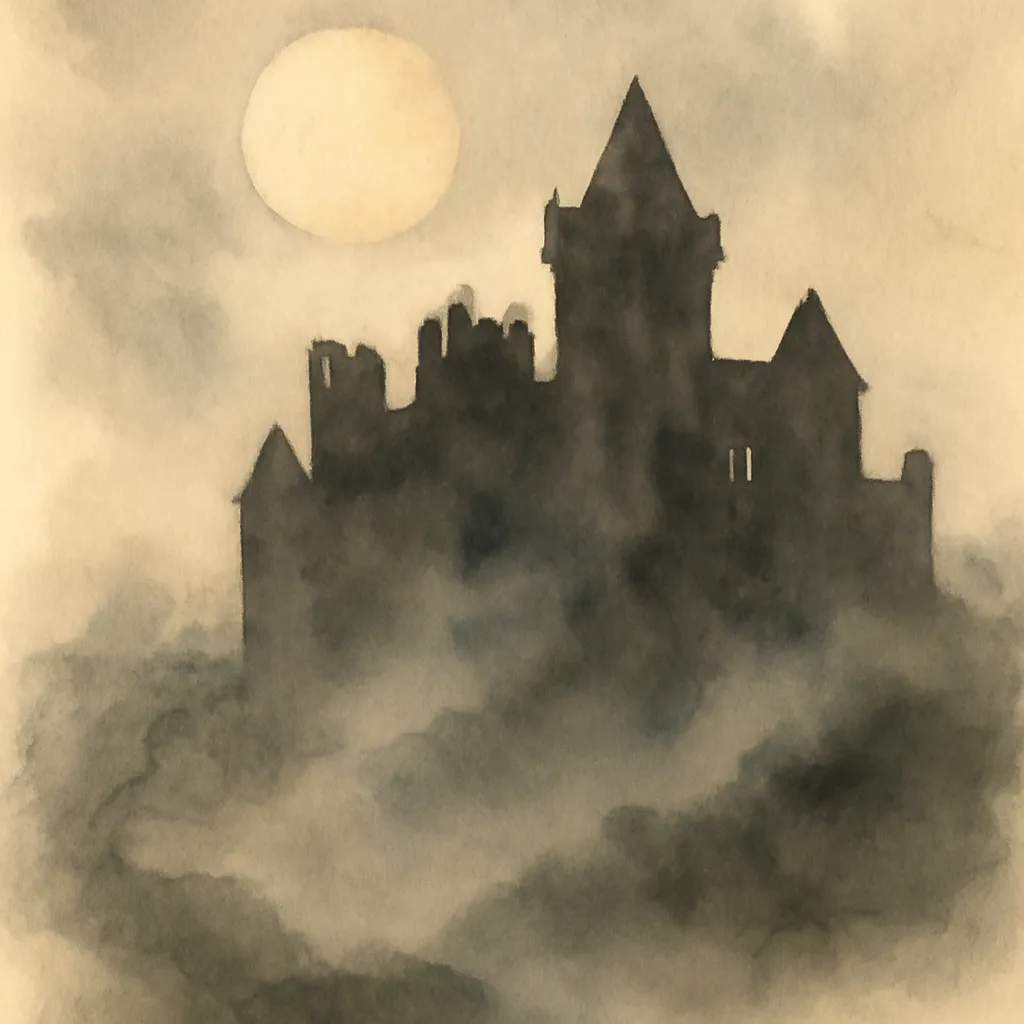
Nature plays a pivotal role in 'The Mysteries of Udolpho', serving not only as a scenic backdrop but as an emotional mirror for Emily's inner struggles. Radcliffe’s lush descriptions of the countryside, particularly the Garonne River and the towering Pyrenees, encapsulate the beauty and terror of the natural world. For instance, the pastoral landscapes symbolize peace and joy, contrasting sharply with the ominous and foreboding presence of Udolpho Castle. This duality reflects Emily's own tumultuous emotions—her grief over her mother’s death and her growing fears regarding Montoni's intentions. As she wanders through verdant woods and along serene rivers, Emily finds solace and clarity, yet the looming presence of the mountains serves as a reminder of her challenges. The interplay between nature and emotion in Radcliffe’s writing invites readers to consider how external environments can influence internal states, making it a profound exploration of the human experience.
2.Grief and Transformation
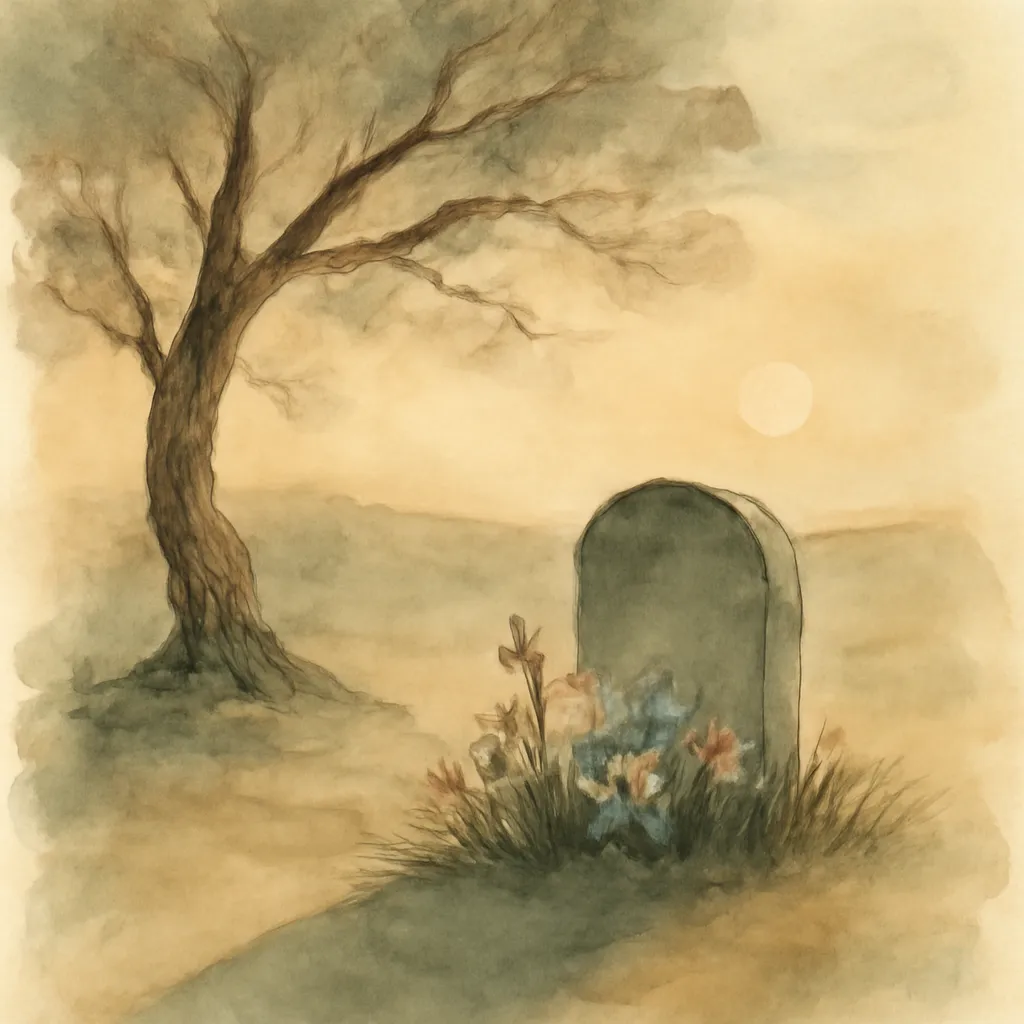
Emily's journey is profoundly shaped by her grief, particularly following her mother’s death. Radcliffe delves into the psychological impact of loss, depicting Emily’s struggle to cope with her overwhelming sorrow. The funeral scene serves as a critical turning point; it not only marks the end of Emily’s childhood innocence but also foreshadows the trials she will face. St. Aubert’s tender teachings on self-command become a haunting echo in Emily's mind, guiding her through moments of despair. As she grapples with her feelings, she learns that excessive grief can lead to a withdrawal from life’s joys—a lesson imparted by her father. This theme of transformation through grief is central, illustrating how Emily’s character evolves from a vulnerable daughter to a resilient young woman determined to reclaim her agency. Radcliffe poignantly captures this transition, emphasizing that while grief can be debilitating, it can also serve as a catalyst for personal growth and strength.
3.The Complexity of Love and Relationships
Romantic love is a recurring theme in 'The Mysteries of Udolpho', particularly in the relationship between Emily and Valancourt. Their love is characterized by mutual respect and admiration, grounded in shared values and ideals. However, Radcliffe complicates this idealized romance by introducing societal constraints and familial pressures. As Emily faces the oppressive influence of Montoni and her aunt, Madame Cheron, she is forced to navigate a treacherous landscape where her love for Valancourt is challenged by external forces. Their relationship exemplifies the struggle between personal desire and social obligation, underscoring the idea that true love often requires sacrifice and resilience. The emotional depth of their connection is contrasted with the manipulative romantic pursuits of figures like Count Morano, highlighting the novel's exploration of the various facets of love, including the darker aspects of desire and ambition.
4.Gothic Elements and Atmosphere
Radcliffe is a pioneer of the Gothic genre, and 'The Mysteries of Udolpho' is rich with elements that evoke suspense and intrigue. The eerie atmosphere surrounding Udolpho Castle is central to the narrative, characterized by its dark corridors, hidden passages, and haunting apparitions. Emily’s encounters with the supernatural, such as her visions of her deceased mother, serve to heighten the sense of foreboding and reflect her psychological state. These moments of gothic horror are not merely for thrills; they are deeply tied to Emily's emotional journey. As she confronts the mysteries of Udolpho, she also faces her internal fears and doubts. Radcliffe skillfully uses these gothic elements to create tension and develop Emily’s character, making the supernatural an integral part of her quest for identity and agency. The blend of horror and beauty in Radcliffe's writing invites readers to experience the full spectrum of human emotion, from terror to awe.
5.The Dichotomy of Virtue and Vice

Central to the narrative is the exploration of virtue and vice, particularly through the contrasting characters of Emily and Montoni. Emily embodies the ideals of innocence, integrity, and moral fortitude, serving as a beacon of hope amid the corrupting influences surrounding her. Her steadfast commitment to virtue is challenged by Montoni's manipulative nature, which embodies greed and ambition. The tension between these opposing forces is palpable, as Emily must navigate a world that often rewards vice at the expense of virtue. Radcliffe illustrates how Emily's moral compass guides her actions, emphasizing that true nobility comes from within, regardless of one's circumstances. This dichotomy serves not only to highlight the challenges Emily faces but also to reinforce the novel’s moral framework. In a time when societal pressures often dictated behavior, Radcliffe champions the importance of personal integrity and the strength it provides in overcoming adversity.
6.Social Commentary on Gender and Autonomy
Radcliffe skillfully critiques the societal constraints imposed on women in the 16th century through Emily's experiences. The novel portrays Emily as a character caught in a patriarchal system that seeks to control her destiny, particularly through her uncle's oppressive rule and Madame Cheron's mercenary motivations. Radcliffe's treatment of Emily’s struggles reveals the limited agency afforded to women, especially regarding matters of marriage and inheritance. Emily's determination to assert her autonomy becomes a powerful statement against the backdrop of her time, as she defies the expectations of those around her. Through her fight for independence, Radcliffe advocates for women's rights and self-determination, suggesting that true strength lies in the ability to choose one's path. This commentary remains relevant today, as it resonates with ongoing discussions surrounding gender equality and the empowerment of women.
7.The Interplay of Friendship and Loyalty
Friendship emerges as a vital theme in Emily's life, providing her with solace during her darkest moments. The bond between Emily and Valancourt exemplifies the strength and support that companionship can offer amid adversity. Their shared experiences and mutual understanding create a sanctuary in a chaotic world, underscoring the idea that love can provide refuge. Additionally, the friendship between Emily and Annette highlights the importance of loyalty and camaraderie, especially in times of distress. Annette’s unwavering support becomes a source of strength for Emily, reminding her that she is not alone in her struggles. Radcliffe emphasizes that friendship is not merely a backdrop to romance but a crucial element of human connection that empowers individuals to face challenges. The novel illustrates the transformative power of friendship, showing that true allies can bolster one's resolve and inspire courage.
8.The Quest for Identity and Self-Discovery
As Emily navigates the turbulent waters of her life, her quest for identity becomes a central theme. The loss of her mother and the oppressive presence of her uncle force Emily to confront her sense of self and her place in a world that often seeks to define her. Throughout the novel, she grapples with the expectations placed upon her as a woman, feeling trapped by the circumstances that surround her. Radcliffe poignantly illustrates Emily's internal struggle as she seeks to assert her individuality amidst societal pressures. This quest is not solely about romantic love; it is about finding her voice and reclaiming her agency. By the end of the narrative, Emily's journey towards self-discovery is a powerful testament to the importance of embracing one's identity. Radcliffe portrays her evolution as an empowering narrative arc, encouraging readers to reflect on their paths and the strength they draw from self-acceptance.
9.The Role of the Supernatural in Personal Growth
The supernatural elements in 'The Mysteries of Udolpho' serve as a critical backdrop for Emily's character development and personal growth. Radcliffe intertwines ghostly apparitions and eerie occurrences with Emily's emotional journey, illustrating how these elements force her to confront her fears and uncertainties. The haunted environment of Udolpho acts as a catalyst for both terror and introspection, prompting Emily to question her beliefs and the nature of reality. These supernatural encounters challenge her perceptions, pushing her toward self-discovery and resilience. Radcliffe's treatment of the supernatural blurs the line between reality and imagination, reflecting the complexities of human emotion and the mind's power. This interplay enriches the narrative, making the supernatural an essential part of Emily's quest for identity, as it compels her to confront both external dangers and her internal demons.